Let's be honest. We've all been there. You follow a recipe to the letter, cook your chicken for the exact time specified, and what do you get? A sad, dry, chewy piece of meat that tastes more like cardboard than dinner. It's frustrating. You see chefs on TV and taste perfectly tender chicken in restaurants and wonder, what's their secret? Is it some magic ingredient? Expensive equipment? The truth is, achieving extremely tender chicken is less about secret tricks and more about understanding a few key principles of food science. Once you get those down, you can say goodbye to dry chicken forever.
What You'll Learn In This Guide
- The Simple Science Behind Tough vs. Tender Chicken
- How to Marinate Chicken for Maximum Tenderness (It's Not Just About Time)
- The #1 Cooking Mistake That Guarantees Dry Chicken
- The Restaurant Secret: Velveting Chicken (Step-by-Step)
Cutting and Resting: The Final, Non-Negotiable Steps - Your Top Tender Chicken Questions, Answered
Why Chicken Gets Tough in the First Place
Chicken muscle is made up of long protein fibers bundled together. These proteins are coiled up tight. When you apply heat, they start to unwind and then bond together, squeezing out moisture. Think of it like wringing out a wet towel. The hotter the chicken gets, the tighter those proteins squeeze. Once the internal temperature passes about 155-160°F (68-71°C), the squeezing gets really aggressive, and the juicy goodness gets pushed right out. That's your dry chicken.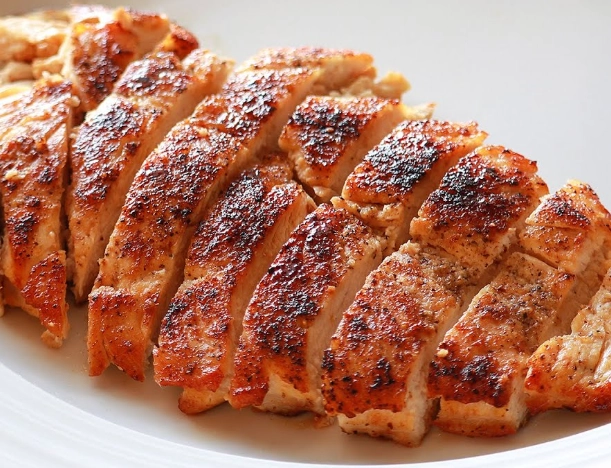
The goal, then, is to either prevent the proteins from coiling too tightly or to physically break them down before cooking. That's what all tenderizing methods aim to do.
How to Marinate Chicken for Maximum Tenderness
"Marinate for at least 30 minutes." You've read that a million times. But not all marinades are created equal when it comes to tenderizing. In fact, most store-bought Italian dressing-style marinades do almost nothing for texture—they just add surface flavor. For true tenderness, you need a marinade that works on the protein structure.
The Four Types of Tenderizing Marinades
| Type | How It Works | Best For / Timing | Simple Example |
|---|---|---|---|
| Salt (Dry Brine or Wet Brine) | Salt alters protein structure, allowing them to retain more moisture as they cook. It's the most reliable method. | All cuts. 1 hour to overnight (dry brine). 30 min to 4 hours (wet brine). | Coat chicken with 1/2 tsp kosher salt per pound. Refrigerate uncovered. |
| Acidic (Vinegar, Citrus, Yogurt) | Acid denatures (unfolds) surface proteins. Can turn meat mushy if overdone. | Thin cuts, chunks for skewers. 30 minutes to 2 hours MAX. | 1 cup plain yogurt, juice of 1 lemon, 2 garlic cloves, herbs. |
| Dairy (Buttermilk, Yogurt) | Combines mild acid and enzymes. Gently breaks down proteins without risk of mushiness. | Fried chicken, baked chicken. 4 hours to overnight (the gold standard). | Submerge chicken in buttermilk with a dash of hot sauce. |
| Enzymatic (Papaya, Pineapple, Ginger) | Enzymes (like papain) aggressively break down protein fibers. Powerful but risky. | Use with extreme caution. 15-30 minutes only. Never overnight. | A few thin slices of fresh ginger grated into a soy-based marinade. |
My go-to method? Dry brining. I sprinkle kosher salt on chicken breasts, let them sit on a rack in the fridge for a few hours (or even just 45 minutes if I'm in a rush), and pat them dry before cooking. The difference in juiciness is night and day compared to unsalted chicken. The surface also dries out, which leads to a better sear.
Cooking Techniques That Protect Tenderness
You can have the best-marinated chicken in the world and ruin it in five minutes of cooking. The single biggest mistake is overcooking by relying solely on timer or visual cues. Chicken doesn't need to be cooked to oblivion to be safe. According to the USDA, chicken is safe to eat at 165°F (74°C), but it can be removed from heat as low as 155°F (68°C) as long as it rests, because the temperature will continue to climb ("carryover cooking") and pathogens are killed over time at that temp.
Here's the practical takeaway: Buy an instant-read thermometer. It's the $15 tool that will improve your chicken cooking more than any fancy pan. For breast meat, pull it off the heat at 155-160°F. For thighs and legs, you can go to 170-175°F because the higher fat and connective tissue need more time to render and become tender.
Best Cooking Methods for Tender Chicken
Poaching or Gentle Simmering: Cooking in liquid at a bare simmer (170-180°F) is incredibly forgiving. The temperature can't go above the liquid's temp, preventing overcooking. Perfect for chicken you plan to shred for salads or soups.
Sous-Vide: The ultimate precision tool. You set a water bath to your exact desired doneness (say, 149°F for super juicy breast) and cook the chicken in a bag for an hour or more. It's impossible to overcatch. I know it sounds fancy, but a basic sous-vide stick is more affordable now and a game-changer for consistent results.
Pan-Searing + Finishing in the Oven: For thicker cuts, sear to get a crust on the stovetop, then transfer to a moderate oven (375°F) to finish cooking evenly without burning the outside.
The Restaurant Secret: Velveting Chicken
Ever wondered how Chinese stir-fry chicken is so impossibly tender and silky? It's not magic; it's a technique called velveting. It involves a quick marinade in a mixture that includes cornstarch and sometimes egg white or baking soda, followed by a very brief blanching in oil or water before the final stir-fry. This creates a protective gel-like coating on the chicken that seals in juices during the high-heat cooking.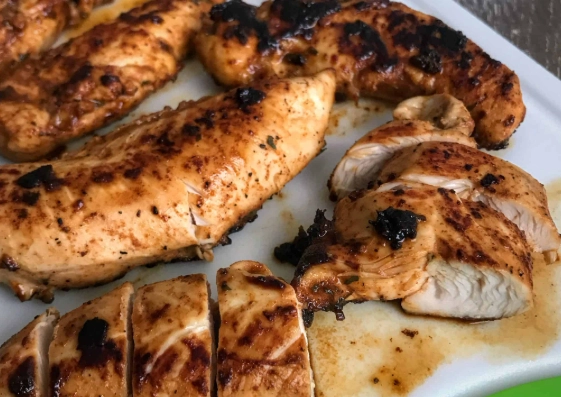
Here's my home-kitchen friendly water-velveting method:
- Cut chicken breast into thin, uniform slices or small chunks.
- Marinate for 15-30 minutes in: 1 tbsp cornstarch, 1 tbsp rice wine or sherry, 1 tsp soy sauce, 1 tsp oil, and a tiny pinch of baking soda (optional, but powerful—no more than 1/8 tsp per breast).
- Bring a pot of water to a gentle simmer (not a rolling boil).
- Separate the chicken pieces and drop them into the water. They'll turn opaque in about 60-90 seconds.
- Scoop them out with a slotted spoon. They are now par-cooked and velvety.
- Proceed to stir-fry them with your sauce and veggies for just another minute to heat through. The chicken will be tender beyond belief.
That baking soda tip? It's a game-changer. It raises the pH, which helps the proteins hold onto water more aggressively. But be careful—too much and you'll get a weird, soapy texture. A tiny pinch is all you need.
The Final Steps: Cutting and Resting
You cooked it perfectly. Don't blow it now. Always let your chicken rest after cooking, whether it's a whole roast or a single breast. When you rest meat (tented loosely with foil), the juices, which have been forced to the center by the heat, redistribute back throughout the muscle. If you cut immediately, all those juices just flood out onto your cutting board. Aim for 5-10 minutes for breasts, 10-15 for a whole bird.
Then, cut against the grain. Look at the chicken breast—you'll see lines running in one direction. That's the grain (the muscle fibers). Slicing perpendicular to those lines (against the grain) shortens the fibers, making each bite much more tender to chew. It's a simple step with a huge payoff.
Your Top Tender Chicken Questions, Answered
So, there you have it. Tender chicken isn't a mystery. It's a combination of smart pre-treatment (brining, velveting), precise cooking (thermometer!), and proper handling (resting, slicing). Start with one technique—maybe the dry brine—and see the difference it makes. Once you taste chicken that's truly juicy and tender all the way through, you'll never go back to guessing games at the stove.
Reader Comments