You’ve got your pork shoulder, your slow cooker is out on the counter, and you’re staring at the recipe. Then the question hits: do I add water to a slow cooker for pulled pork? It feels like a basic step, right? Like boiling pasta. But here’s the truth most recipes don’t spell out: adding a cup of plain water is often the worst thing you can do. It’s the quickest route to bland, washed-out flavor. After years of testing (and a few disappointing batches), I can tell you the answer isn't a simple yes or no. It’s about understanding what the meat needs and what your slow cooker actually does.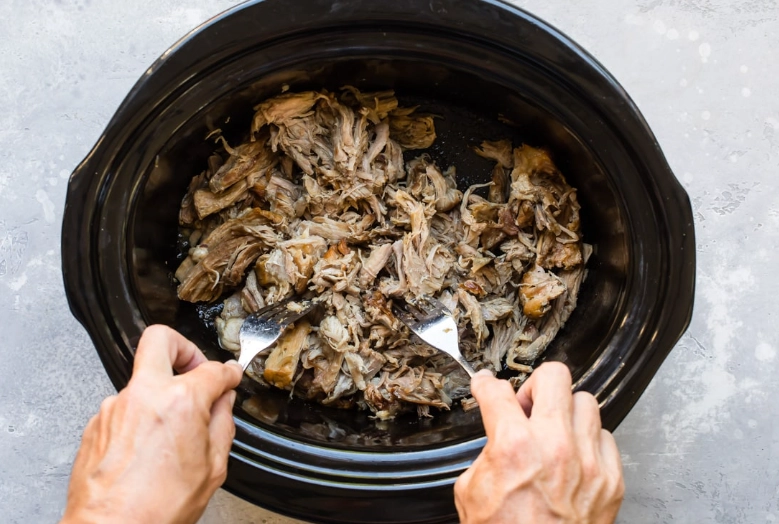
What You'll Find Here
The Short Answer You Came For
For a standard pork shoulder (also called pork butt), you do not need to add water. The meat contains enough internal fat and moisture that, when cooked low and slow, it renders and braises in its own juices. This creates an incredibly rich, concentrated flavor. Adding water dilutes that.
Think of it this way: you’re not boiling the pork, you’re braising it. The closed environment of the slow cooker traps steam and keeps everything moist. If you peek after a few hours, you’ll see plenty of liquid at the bottom—all from the meat itself.
The Bottom Line First: Skip the water. Start with a dry rub, place the pork fat-side up in the slow cooker, and let it cook. You’ll be amazed at the liquid that appears. The only exception is if you’re using an unusually lean cut or you specifically want a brothier result for sandwiches soaked in jus.
Why You Usually Don't Need Extra Water
This isn't just an opinion. It's about how collagen, fat, and heat work together. A pork shoulder is roughly 20-25% fat and packed with connective tissue. As it slowly heats to around 160°F (71°C) and beyond, that collagen starts to melt into gelatin.
This process releases water that was bound within the meat’s structure. At the same time, the fat renders out. What you get is a natural braising liquid—a mix of water, gelatin, and fat—that’s packed with flavor. Adding water from the tap does two negative things:
- Dilutes Flavor: You’re essentially watering down your sauce before it even forms.
- Lowers Cooking Temperature: Adding a lot of cold liquid can significantly drop the pot’s temperature, extending cooking time unnecessarily and potentially keeping the meat in the “danger zone” for longer.
I learned this the hard way. My first pulled pork was a sad, grayish affair floating in a tasteless broth. I had added two cups of water “to be safe.” The meat was tender but had no soul. It tasted like cafeteria food. Never again.
When You *Should* Consider Adding Liquid
Okay, so the rule is “no water.” But cooking isn’t about rigid rules, it’s about tools. There are specific scenarios where adding some liquid is a smart move. It’s just rarely plain H2O.
| Scenario | Should You Add Liquid? | Why & What to Use |
|---|---|---|
| Standard Pork Shoulder (Boston Butt) | No. | Its high fat content self-bastes. Trust the process. |
| Leaner Cut (like Pork Loin or Tenderloin) | Yes, a little. | These cuts are too lean. Add ½ to 1 cup of broth, juice, or a sauce base to prevent drying. |
| You Want Extra "Jus" for Sandwiches | Yes, a small amount. | Add ½ cup of broth or apple cider. It will mix with meat juices for dipping. |
| Your Slow Cooker Runs Hot or You'll Be Gone 10+ Hours | Maybe, for insurance. | Add ¼ cup of a flavorful liquid (like apple cider vinegar) to the bottom to create steam and prevent scorching. |
| You're Using a Rub with a Lot of Sugar | A splash at the bottom. | A few tablespoons of liquid can prevent the sugar from burning onto the ceramic before the meat releases moisture. |
What to Add Instead of Water (Way Better Ideas)
If you fall into one of the “yes” categories above, or just want to boost flavor, never default to water. Your liquid is a flavor opportunity. Here’s what I keep on hand: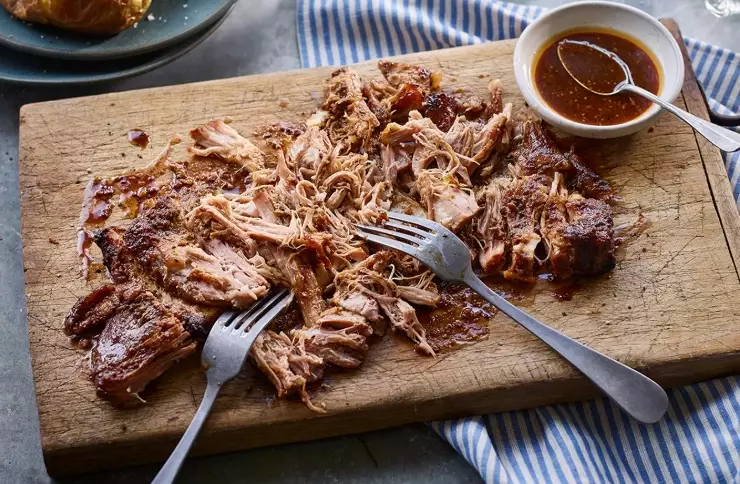
Top Choices for Maximum Flavor
Apple Cider Vinegar (or Juice): The acidity helps tenderize and cuts through richness. Use about ½ cup. A common mistake is using too much—it shouldn’t taste sour, just balanced.
Beer or Stout: Adds a malty, complex depth. A lager or brown ale works wonders. The alcohol cooks off.
Broth (Chicken or Beef): Adds a savory backbone without diluting. Use low-sodium so you control the salt.
Cola or Dr. Pepper: Sounds weird, but the sugar, spice, and acidity create a fantastic caramelized glaze. This is a Southern classic for a reason.
My personal go-to for a standard pork shoulder? I might splash two tablespoons of apple cider vinegar mixed with two tablespoons of water on the bottom. Not to braise the meat, but to create initial steam and give the vinegar a chance to work its magic from below. That’s it. The rest is up to the pork.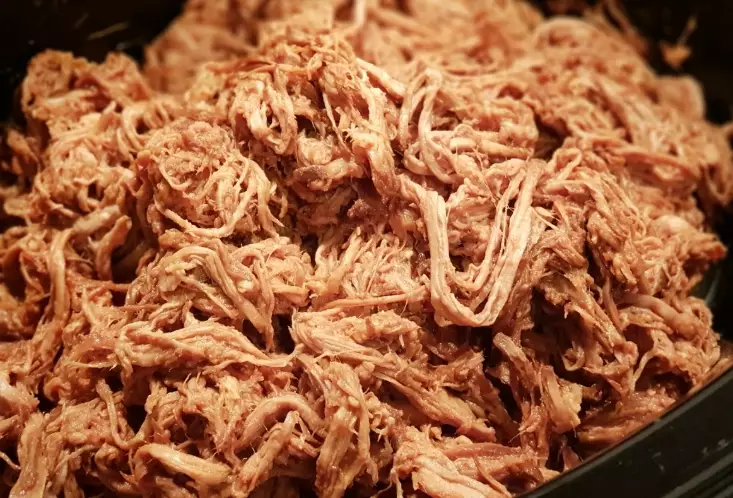
My Foolproof Slow Cooker Pulled Pork Method
Let’s put this all together. Here’s exactly what I do, step-by-step, for fail-proof pulled pork without a pool of water.
1. The Prep (5 minutes)
Get a 4-6 pound pork shoulder (bone-in adds more flavor). Pat it completely dry with paper towels. This is crucial for the rub to stick and for better browning (if you sear it).
2. The Rub (The Flavor Foundation)
Mix in a bowl: 2 tbsp brown sugar, 1 tbsp smoked paprika, 2 tsp garlic powder, 2 tsp onion powder, 1 tsp salt, 1 tsp black pepper, ½ tsp cumin. Massage this all over the pork. Don’t be shy. You can do this right before cooking or, for deeper flavor, wrap it and leave it in the fridge overnight.
3. To Sear or Not to Sear?
I usually skip it for the slow cooker. The Maillard reaction (that tasty browning) happens at temps a slow cooker doesn’t reach. Searing adds flavor, but it’s an extra pan to wash. If you have 10 minutes, sear it in a hot skillet. If not, don’t stress. The long cook develops its own deep flavor.
4. The Cook (The Hands-Off Part)
Place the pork fat-side up in the slow cooker. Add no liquid. Put the lid on. Cook on LOW for 8-10 hours, or on HIGH for 5-6 hours. Low and slow is always better for texture. Resist the urge to peek! Each peek releases precious steam and heat.
5. The Shred & The Sauce
When it’s fork-tender, transfer the pork to a bowl. Let it rest for 10 minutes, then shred with two forks. Now, look at the liquid in the cooker. Skim off the excess fat from the top (I leave a little for flavor). This remaining juice is liquid gold—a concentrated, gelatin-rich broth.
Mix some of this juice back into the shredded meat to keep it moist. Then, add your favorite BBQ sauce to taste. I often use half juice, half sauce. This way, you’re saucing with flavor, not masking a watery base.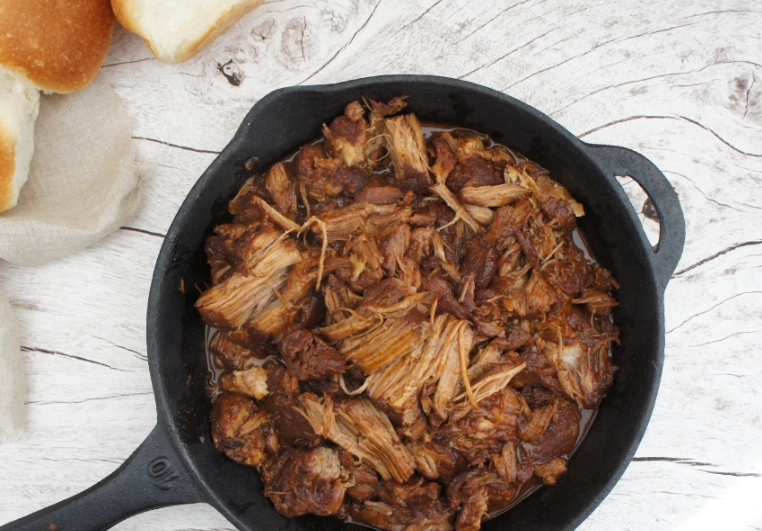
Your Pulled Pork Questions, Answered
Why did my pulled pork turn out dry even though I didn't add water?
Dry pork usually means it was overcooked or the cut was too lean. Pork shoulder is forgiving, but even it can dry out if cooked for 12+ hours on high. The other culprit? Shredding it too early. Let the meat rest after cooking and shred it just before serving. Also, always mix some of the collected cooking juices back in.
My slow cooker pulled pork has no flavor. What went wrong?
This almost always traces back to underseasoning or, you guessed it, adding water. A pork shoulder is thick. A sprinkle of salt on the outside isn't enough. You need a robust dry rub with salt, sugar, and spices. If you did add liquid, it was likely too much and washed the seasoning away. Next time, be generous with the rub and let the meat's own juices be the sauce base.
Can I put raw pork directly in the slow cooker?
Absolutely. That’s the point. The slow cooker will safely bring it up to a pasteurizing temperature over time. Just make sure it reaches an internal temperature of at least 195°F (90°C) for shredding—that’s when the collagen fully breaks down. A meat thermometer is your best friend here.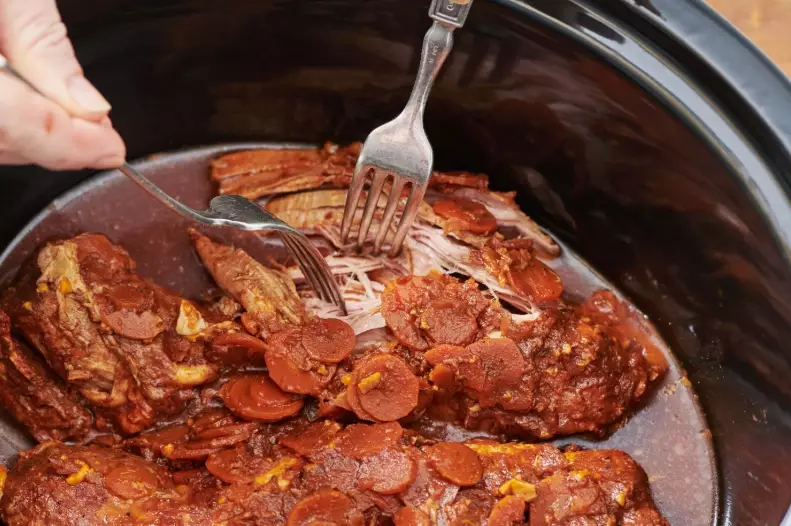
How much liquid should be in the pot when it's done?
For a 5-pound pork shoulder, expect 1 to 2 cups of liquid. It will look like a rich, slightly oily broth. If you have significantly more, your meat may have released excess water (sometimes injected at the store) or you added too much at the start. If you have almost none, your cooker might be running very hot or the seal on the lid could be faulty.
What's the one mistake even experienced cooks make with pulled pork?
They skip the “rest and recombine” step. Pulling the meat and immediately dousing it in bottled BBQ sauce is a missed opportunity. Let the meat rest, then shred. Carefully defat the cooking juices, then mix a good portion of those juices back into the meat before adding any sauce. This layers flavor and ensures every strand is moist from the inside out. It’s the difference between good and legendary.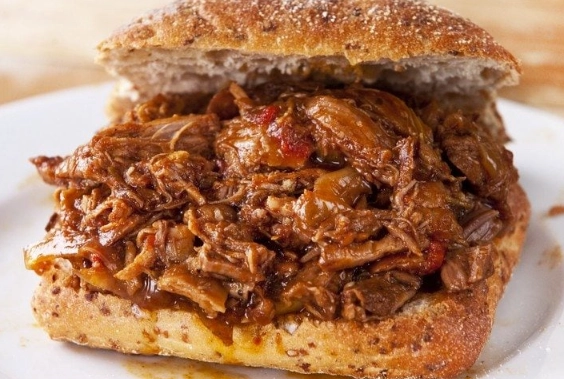
Reader Comments