Let's cut straight to the point. Can you cook pasta in one pot? Not only can you, but once you get the hang of it, you might never go back to the old boil-and-drain method for your weeknight dinners. I remember the first time I tried it, skeptical that throwing everything into a single Dutch oven would yield anything but a starchy, bland mess. I was wrong. It was a revelation—creamy, flavorful, and with only one pot to wash.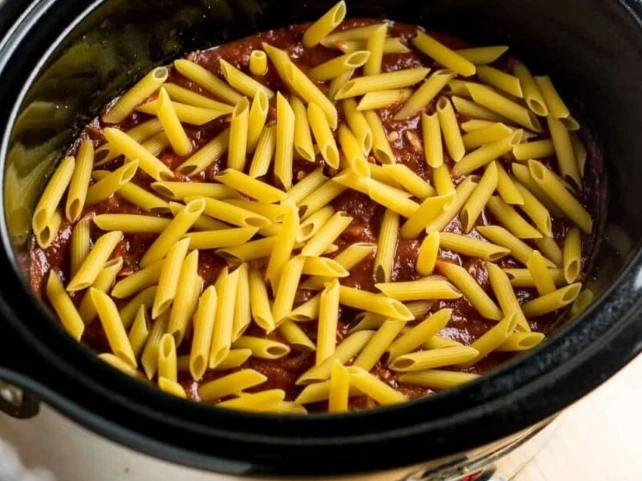
What's Inside This Guide?
How Does One-Pot Pasta Actually Work?
The magic isn't magic at all—it's food science. When you cook pasta in a measured amount of water or broth instead of a vast ocean of it, the starch that leaches out doesn't go down the drain. It stays right there in the pot, thickening the cooking liquid into a silky, cohesive sauce that clings to every noodle. Think of it as a built-in sauce thickener you've been throwing away for years.
This method is a game-changer for busy nights. You're not just saving on washing up; you're condensing the cooking process. The aromatics (onions, garlic), proteins, and pasta all cook together, exchanging flavors at every stage. The liquid reduces, concentrating taste. What you get in the end is a unified dish where the pasta and sauce are inseparable, in the best way possible.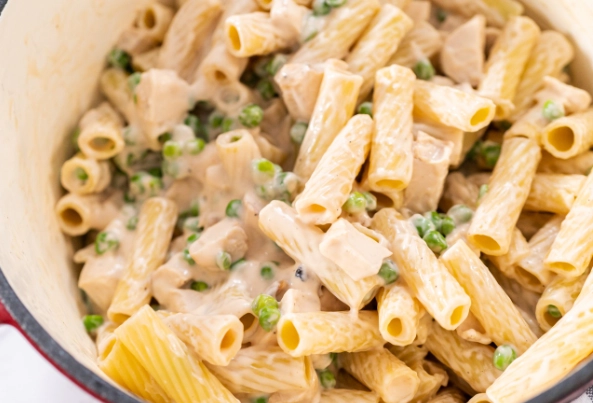
The Best (and Worst) Pasta for One-Pot Cooking
Not all pasta shapes are created equal for this job. You want shapes that cook evenly and release enough starch to thicken the sauce. Through trial and error (including a few gummy disasters), I've landed on this breakdown.
| Pasta Shape | Suitability for One-Pot | Why It Works (or Doesn't) |
|---|---|---|
| Linguine, Spaghetti, Fettuccine | Excellent | Long pasta lies flat, cooks evenly, and releases starch consistently. Break them in half if your pot is narrow. |
| Penne, Rigatoni, Ziti | Great | Tube shapes trap the sauce inside. They hold up well and don't overcook easily. |
| Farfalle (Bowties), Fusilli | Good | Cook reliably but keep an eye on timing. Their thicker parts can stay al dente while thinner bits soften. |
| Orzo, Ditalini, Small Shells | Proceed with Caution | They can clump together and turn mushy fast. Requires constant stirring and less liquid. |
| Fresh Pasta | Not Recommended | Cookes too quickly and falls apart, leaving you with porridge. Stick to dried. |
A non-consensus point here: many blogs swear by any pasta. I disagree. I once tried one-pot pasta with fancy, bronze-die extruded pasta that had a very rough surface. It released too much starch, making the sauce gluey. A smoother, standard supermarket brand often works more predictably for this specific technique.
Your Foolproof One-Pot Pasta Master Recipe & Formula
Forget following a single recipe. Learn this formula, and you can improvise forever. This is for 4 servings.
The Golden Ratio: 4 cups of liquid to 1 pound (450g) of dried pasta. The liquid can be water, broth, or a mix. For a richer sauce, use 3 cups broth and 1 cup cream or passata.
The Step-by-Step Process
Choose a wide, heavy-bottomed pot or Dutch oven. This gives more surface area for evaporation.
Step 1: Build Your Flavor Base. Sauté your aromatics in a bit of oil—onion, garlic, maybe some pancetta or sausage. Don't rush this. You want them soft and fragrant.
Step 2: Add Liquid and Pasta. Pour in your 4 cups of liquid. Add the dry pasta. Submerge it as best you can. It's okay if some sticks out at first.
Step 3: The Simmer. Bring to a boil, then immediately reduce to a lively simmer. Stir frequently, especially in the first 5 minutes, to prevent sticking. The pasta will soften and sink into the liquid.
Step 4: The Finish. Cook for the time on the pasta package minus 1 minute. The liquid should be reduced to a creamy sauce that coats the back of a spoon. If it's too watery, simmer for another minute or two. If it's too thick, add a splash of water or broth.
Step 5: Off the Heat Magic. Turn off the heat. Stir in your finishing elements: a handful of grated Parmesan, a knob of butter, a swirl of olive oil, or fresh herbs like basil. The residual heat will melt and integrate everything. Let it sit for 2 minutes—it will thicken a bit more.
The 3 Most Common One-Pot Pasta Mistakes (And How to Fix Them)
Everyone makes these. Let's avoid them.
Mistake 1: Using the Wrong Pot. A small, thin-bottomed pot leads to hotspots and burning. Use a wide, heavy pot.
Mistake 2: Not Tasting the Liquid. Your pasta will absorb the flavor of the liquid. If you're using just water, your dish will taste bland. Always season the cooking liquid well with salt. If using broth, taste it first—some are very salty.
Mistake 3: Adding Dairy Too Early. Cream, milk, or soft cheese added at the start will likely curdle or separate. Always add these at the very end, off the heat.
Pro Moves: How to Build Deep Flavor in One Pot
This is where you go from good to restaurant-quality. You have one pot, so layer flavors in it.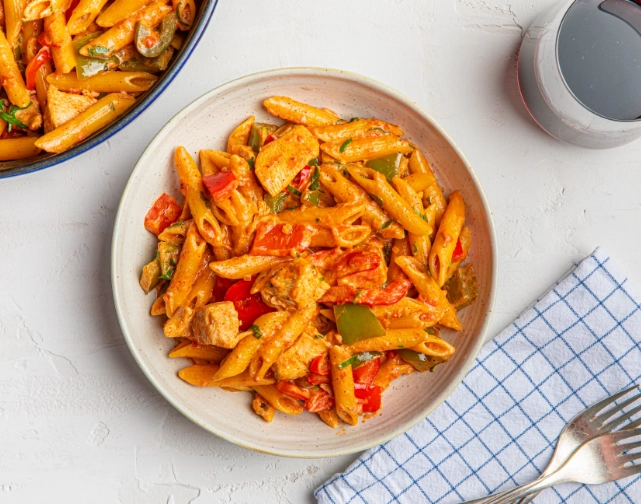
Start by browning your protein. Remove it, then sauté veggies in the fond (those browned bits). Deglaze with a splash of white wine and let it reduce almost completely before adding your main liquid. Add umami bombs: a tablespoon of tomato paste cooked for a minute, a few mashed anchovy fillets, or a piece of Parmesan rind simmered with the pasta. Finish with something bright—lemon zest, a drizzle of good olive oil, or fresh herbs.
My favorite combo? Brown Italian sausage, add onions and garlic, deglaze with wine, use chicken broth as the liquid, and finish with lots of black pepper and parsley. It's a complete meal in 25 minutes.
Your One-Pot Pasta Questions, Answered
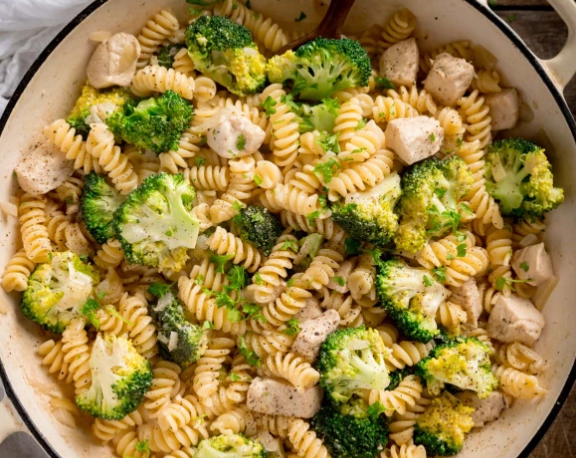
So, can you cook pasta in one pot? You absolutely can. It's not a hack; it's a legitimate, intelligent cooking method that respects your time and delivers incredible flavor. Grab your pot, trust the ratio, and give it a try tonight. You might just find your new favorite way to cook.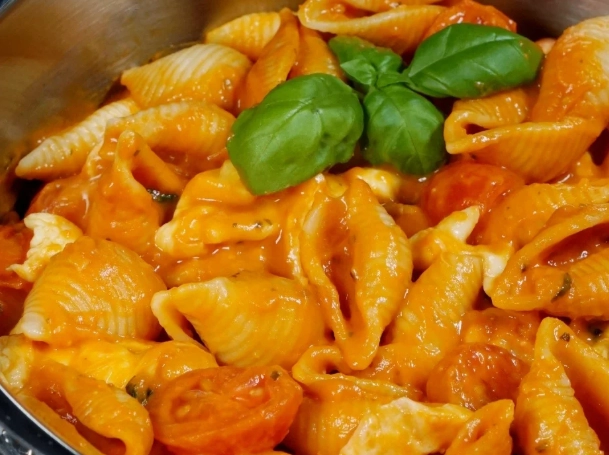
Reader Comments