If you're staring at a rack of ribs and wondering how long to toss them in the slow cooker, here's the quick answer: for fall-off-the-bone tenderness, baby back ribs need 6-7 hours on low, while meatier spare ribs require 7-8 hours. But that's just the start. I've cooked ribs in slow cookers for years, and the timing depends on a bunch of factors most recipes gloss over. Let's dive into the details so you never end up with tough or mushy ribs again.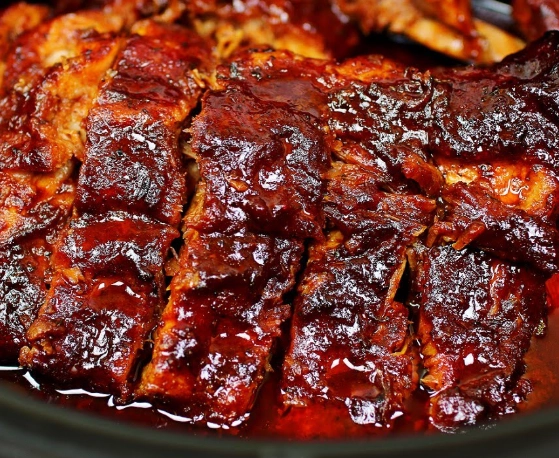
What You'll Find in This Guide
What Really Affects How Long to Cook Ribs in Slow Cooker
Most people think it's all about the clock, but that's a rookie error. The cooking time shifts based on things like rib type, your slow cooker's quirks, and even how you prep the meat. I learned this the hard way when I hosted a barbecue and my ribs were done an hour early—total panic mode.
Rib Type: Baby Back vs. Spare Ribs
Baby back ribs are leaner and smaller, so they cook faster. Spare ribs have more fat and connective tissue, which means they need extra time to break down. Here's a quick table to visualize the difference: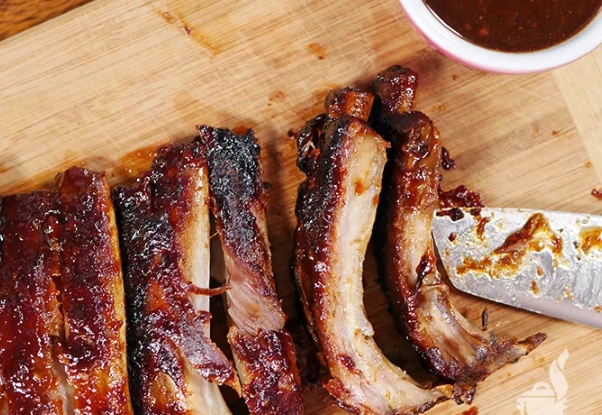
| Rib Type | Average Cooking Time (Low Setting) | Key Characteristics |
|---|---|---|
| Baby Back Ribs | 6-7 hours | Lean, tender, from pork loin |
| Spare Ribs | 7-8 hours | Meatier, fattier, from belly area |
| Beef Short Ribs | 8-9 hours | Very tough, require longest time |
If you're using beef ribs, add at least an hour more. I once tried beef short ribs on a 7-hour schedule, and they were still chewy—lesson learned.
Your Slow Cooker's Size and Settings
Not all slow cookers are created equal. Older models or larger pots might heat slower, extending the time. A 6-quart cooker is ideal for most rib racks. If you're using a high setting, cut the time by about half, but I rarely recommend it because low heat gives better texture. My friend's slow cooker runs hot, so hers are done in 5 hours on low. Test yours with a cheap cut first.
Meat Thickness and Preparation Steps
Thicker ribs or those straight from the fridge take longer. Removing the membrane (the silverskin on the back) helps heat penetrate faster. Some folks skip this, but it's a game-changer for even cooking. I always do it with a paper towel for grip—saves 20-30 minutes overall.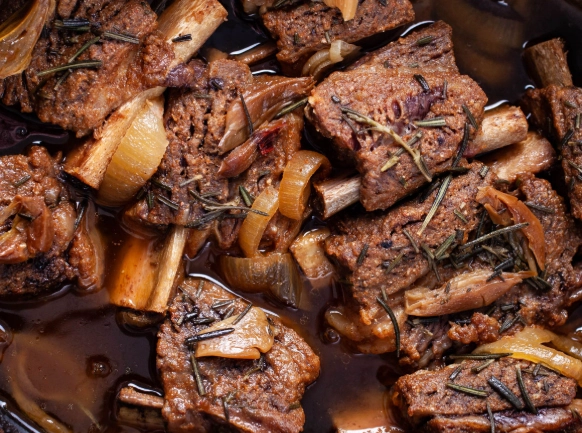
Pro Tip: For a dinner party, start ribs 8 hours ahead on low. They hold well for an extra hour if needed, unlike oven ribs that dry out. This flexibility is why I love slow cookers for crowds.
A Foolproof Method for Cooking Ribs in Slow Cooker
Here's my go-to process, refined over a decade of trial and error. It assumes you're using pork baby back or spare ribs, but adjust times as above.
Step 1: Prep the Ribs. Pat them dry with paper towels. Remove the membrane by sliding a knife under it and pulling it off—it comes off easier if you loosen it first. Season generously with salt, pepper, and your favorite rub. I use a mix of paprika, garlic powder, and brown sugar for a sweet-savory kick.
Step 2: Layer in Slow Cooker. Place ribs upright around the pot or lay them flat if they fit. Add a splash of liquid (like apple juice or broth) to prevent drying, but no more than 1/2 cup. Too much liquid steams the ribs, making them soggy. I learned this from a failed batch that tasted boiled.
Step 3: Cook on Low. Set to low for 6-8 hours based on rib type. No peeking—every time you lift the lid, heat escapes and adds 15-20 minutes. Trust the process. After 6 hours, check tenderness with a fork; meat should pull apart easily.
Step 4: Finish with Sauce (Optional). If you want saucy ribs, brush with barbecue sauce in the last 30 minutes. Alternatively, broil them in the oven for 5 minutes to caramelize. This step isn't essential, but it adds a nice crust. My family prefers them straight from the pot, juicy as is.
For a visual, think of it like this: ribs need low, slow heat to melt collagen into gelatin. Rushing it with high heat gives tough results. A study by the USDA emphasizes cooking pork to an internal temperature of 145°F for safety, but slow cookers often go higher for tenderness—aim for 190-203°F for fall-off-the-bone texture. Use a meat thermometer if unsure.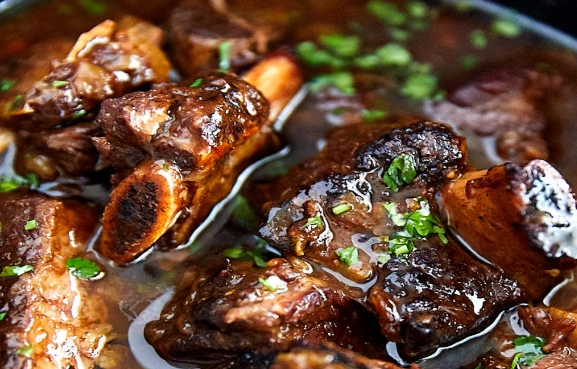
Slow Cooker Rib Mistakes Even Experienced Cooks Make
I've seen plenty of rib disasters, and they often boil down to a few subtle errors. Let's break them down so you can avoid the pitfalls.
Overcrowding the Pot. If ribs are crammed, they steam instead of braise. Leave some space for air circulation. For a full rack, curl it around the edges. I once stuffed two racks in, and the center ones were undercooked—now I use a larger cooker or cut racks in half.
Adding Sauce Too Early. Sugar-based sauces burn over long cooking. Apply sauce only at the end. A common myth is that sauce penetrates meat over hours, but it just creates a sticky, burnt layer. I tested this side-by-side: saucy early ribs were bitter, while late-sauced ones were perfect.
Ignoring Altitude. At high altitudes, water boils at lower temperatures, so cooking takes longer. Add 30-60 minutes if you're above 3,000 feet. My cousin in Denver always adds an hour, and her ribs turn out great.
Skipping the Rest. After cooking, let ribs rest for 10-15 minutes before cutting. This lets juices redistribute. Cutting immediately causes dryness. I learned this from a rushed meal where the ribs seemed dry—patience pays off.
Another non-consensus point: many recipes say to brown ribs first. It adds flavor, but it's not mandatory. If you're short on time, skip it. The slow cooker still delivers tender meat without that step. I only brown for special occasions.
Frequently Asked Questions About Slow Cooker Ribs
Wrapping up, the key to perfect slow cooker ribs is patience and attention to detail. Start with the right time for your rib type, adjust for your cooker's behavior, and avoid common pitfalls like early saucing. Whether it's a weeknight dinner or a weekend feast, this method delivers consistent, tender results. For more slow cooker tips, check out resources from the Food Network or USDA food safety guidelines. Happy cooking!
Reader Comments