Let's be honest. We've all been there. You toss some chicken into the slow cooker, dream of a fall-apart tender meal, and eight hours later you're chewing on something that resembles shredded cardboard. Dry, stringy, and disappointing. The promise of the slow cooker—effortless, juicy meals—feels broken. But here's the truth: it's not the appliance's fault. The problem is a few common, easily fixed mistakes. Getting tender chicken from a slow cooker isn't magic; it's a simple matter of understanding a bit of food science and applying some counter-intuitive tricks. Forget everything you think you know about "set it and forget it." If you want chicken that's moist, succulent, and pulls apart with a gentle fork, you need to play by a different set of rules.
What You'll Learn in This Guide
Why Your Chicken Cut is the #1 Factor
You can't make a silk purse from a sow's ear, and you can't make a tough, lean chicken breast behave exactly like a rich, fatty thigh. Different cuts have different jobs. The biggest mistake is treating all chicken the same.
Chicken thighs and legs (dark meat) are your slow cooker's best friend. They have more connective tissue and a higher fat content. That connective tissue, made of collagen, breaks down over long, moist cooking into gelatin. Gelatin is what gives stews and braises that luxurious, mouth-coating richness and keeps the meat incredibly moist. The fat just adds to the flavor and juiciness. These cuts are forgiving. Even if you overcook them a bit, they'll still be tasty.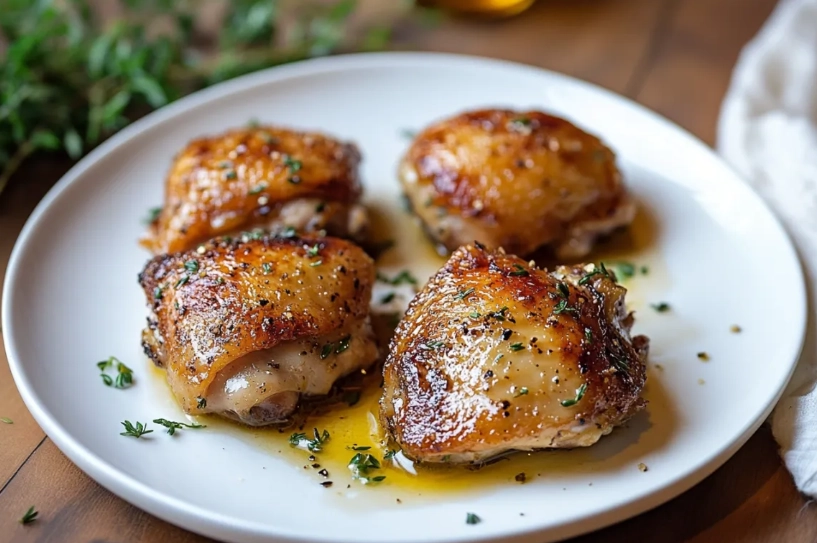
Chicken breasts (white meat) are the divas. They're lean, with very little collagen. Their proteins tighten and squeeze out moisture when cooked. The goal with breast meat isn't to "break it down"—it's to cook it just to the safe temperature of 165°F (74°C) and then stop. Go past that, and they turn dry and fibrous fast.
The Pre-Cooking Step Most People Skip (But Shouldn't)
"But the whole point of a slow cooker is to dump everything in raw!" I hear you. And you can. But if you want a significant upgrade in flavor and texture, take five minutes to sear your chicken first.
Searing in a hot skillet creates the Maillard reaction—that beautiful brown crust full of complex, savory flavors. More importantly for tenderness, it seals the surface of the meat. This doesn't "lock in juices" as the old myth goes, but it does create a barrier that slows down moisture loss during the long cook. It also renders some fat from the skin (if using), which you can then use to sauté your aromatics (onions, garlic) before adding them to the pot. That extra layer of flavor permeates the whole dish.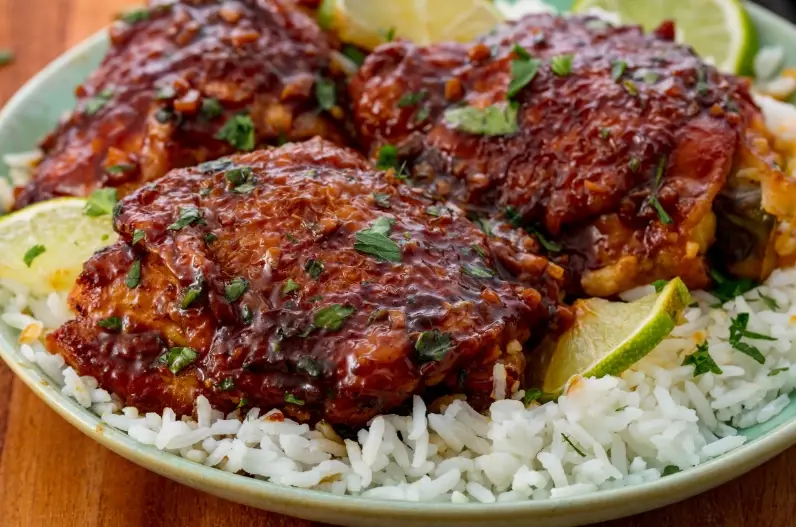
Is it mandatory? No. But it's the single easiest way to go from a good slow cooker chicken to a great one. I rarely skip it.
Mastering the Liquid and Acid Balance
This is where the real science kicks in. Your cooking liquid isn't just there to prevent burning; it's an active ingredient in tenderizing.
Not Too Much Liquid: This is a classic error. The slow cooker traps all moisture. You don't need to submerge the chicken. In fact, you shouldn't. For most recipes, having the liquid come about one-third to halfway up the sides of the chicken pieces is perfect. The chicken will release its own juices as it cooks. Too much liquid boils the chicken instead of gently stewing it, leading to a washed-out flavor and a soggy texture.
The Power of Acid: This is the secret weapon. Acidic ingredients like tomatoes, wine, vinegar, lemon juice, or even yogurt in a marinade help break down muscle fibers and connective tissue. They act as a tenderizer. A splash of apple cider vinegar in your BBQ sauce, the juice of a lemon in a Mediterranean dish, or a cup of crushed tomatoes in a stew—they all contribute to a more tender end product.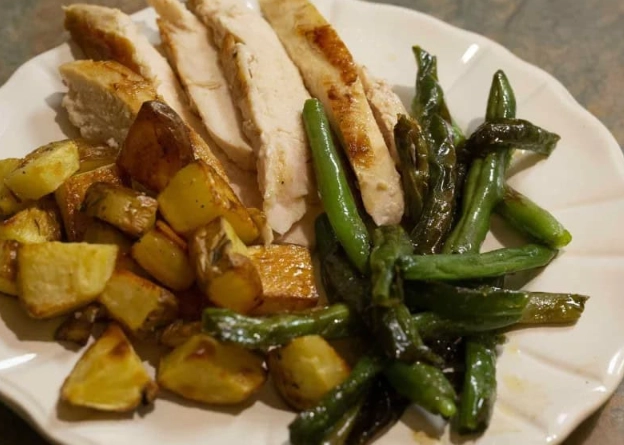
| Acidic Ingredient | How to Use It | Best For |
|---|---|---|
| Apple Cider Vinegar | 1-2 tbsp in sauces, braising liquids | Pulled chicken, BBQ, stews |
| Lemon Juice | Freshly squeezed, added at the start or finish | Mediterranean, herb-roasted styles |
| Crushed Tomatoes | 1 cup as a base for the cooking liquid | Italian dishes, chili, tortilla soup |
| Plain Yogurt | Marinate chicken for 2-4 hours before cooking | Indian curries (like butter chicken), tandoori-style |
| Dry White Wine | 1/2 cup, let it simmer for a minute after searing | Coq au vin, creamy garlic chicken |
The Critical Time and Temperature Window
More time does not equal more tender. With chicken, there's a sweet spot. Cook it just enough to be safe and to break down connective tissue (for dark meat), then stop.
For Bone-In Thighs & Legs: On LOW for 6-7 hours is usually perfect. On HIGH, aim for 3-4 hours. You want them to reach an internal temperature of at least 175°F (79°C) to really render the fat and break down that collagen. They can handle going longer without completely drying out, but the texture can become almost too soft and mushy if you go much past 8 hours on low.
For Chicken Breasts: This is the precision part. On LOW, cook for 2.5 to 3.5 hours. On HIGH, 1.5 to 2.5 hours. You must use a meat thermometer. Pull them out the moment they hit 165°F (74°C) in the thickest part. Letting them sit in the hot liquid past that point continues the cooking process. I've found that shredding breast meat immediately after cooking, while it's still hot, helps retain more moisture than letting it cool whole in the pot.
I learned this the hard way. I once left chicken breasts on low for a workday—8 hours. The result was edible, but only just. It had that distinct, dry, cottony texture. Now, if I'm making a dish primarily with breasts, I either use a timer that switches to "warm" or I add them frozen partway through the cook time to control the window better.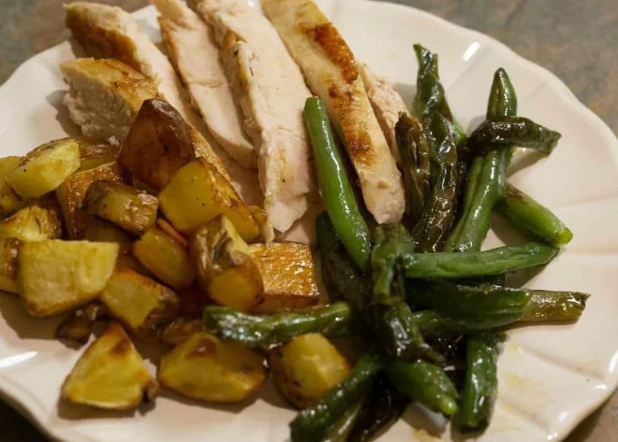
Game-Changing Finishing Touches
What you do after the cooking time is up matters just as much.
Rest the Meat: If you're serving chicken pieces whole or sliced, let them rest on a cutting board for 5-10 minutes after taking them out of the slow cooker. This allows the juices, which have been driven to the center by the heat, to redistribute throughout the meat. If you cut right in, all those juices run out onto the plate.
Reduce the Sauce: The cooking liquid is now a flavor bomb. But it's often thin. Pour it into a saucepan and simmer it on the stove for 10-15 minutes until it thickens slightly and the flavors concentrate. This step transforms a watery sauce into a rich, glossy glaze or gravy that clings to the tender chicken. A cornstarch slurry (1 tbsp cornstarch mixed with 2 tbsp cold water) stirred in during the last minute of simmering works wonders for body.
Add Freshness at the End: Long cooking mellows flavors. Stir in a handful of fresh chopped herbs (parsley, cilantro, dill), a squeeze of fresh lemon or lime juice, or a dollop of sour cream or yogurt right before serving. This brightens the entire dish and makes the tender chicken taste even more vibrant.
Your Tender Chicken Questions, Answered
Reader Comments