Let's be honest. The idea of a one pot pasta slow cooker with jar sauce sounds almost too good to be true. Dump everything in, walk away, and come back to a cooked meal? It promises ultimate convenience, but if you've ever tried a random recipe online, you might have ended up with a pot of mushy noodles swimming in a watery, bland sauce—or worse, a cemented, burnt mess stuck to the bottom of your crock.
I've been there. My first attempt was a disaster. The pasta was glue, the flavor was flat. It took me years of tweaking—and yes, a few more failures—to crack the code. The truth is, making a successful one pot pasta in a slow cooker isn't just about throwing ingredients together. It's about understanding how the slow cooker's environment differs from your stovetop and adjusting your approach.
This guide isn't another generic list of steps. It's the method I've relied on for busy weeknights and easy gatherings, built on the specifics that most recipes gloss over. We'll talk about the exact liquid-to-pasta ratio with jarred sauce, why the order of ingredients matters more than you think, and the one simple trick that prevents a starchy, gummy texture.
What You'll Find Inside
Why This Slow Cooker One Pot Pasta Method Actually Works
Most one pot pasta recipes are designed for the stovetop, where rapid boiling and constant simmering help emulsify the starch and liquid. A slow cooker works with gentle, steady heat and minimal evaporation. If you use a stovetop recipe in your crockpot, you'll almost certainly have too much liquid left at the end.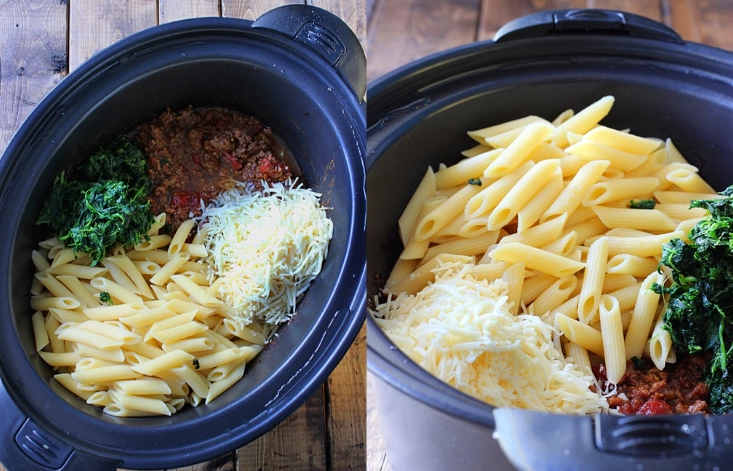
The magic of this method lies in getting the foundation right:
- Balanced Hydration: Pasta needs to absorb water to cook, but a slow cooker doesn't boil water away quickly. We use less total liquid than you'd think.
- Jar Sauce as a Flavor Base, Not Just Sauce: That jar of marinara or alfredo is concentrated. Adding water or broth to it creates the perfect cooking broth that reduces and clings to the pasta.
- Layering is Key: Putting denser ingredients (like meatballs or hard veggies) on the bottom and pasta on top ensures even cooking without stirring, which can break the noodles.
It's a "set it and forget it" meal that actually delivers on flavor and texture. No babysitting, no last-minute adjustments. Just a real dinner waiting for you.
How to Make One Pot Pasta in a Slow Cooker with Jar Sauce: The Foolproof Formula
Forget vague "a jar of sauce" instructions. Consistency comes from ratios. This is my base blueprint for a standard 6-quart oval slow cooker, serving 4-6 people.
Choosing Your Ingredients
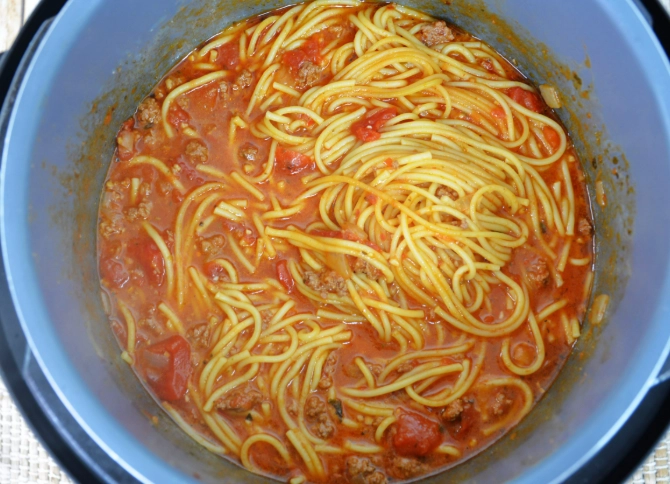
Not all jarred sauces are created equal here. Thicker, chunkier sauces (like a hearty marinara) work better than very thin, watery ones. Brands like Rao's or Classico hold up well. For the pasta, standard shapes like penne, rotini, or ziti are champions. Avoid long strands like spaghetti or very small shapes like orzo for your first try—they cook unevenly or turn to mush.
| Ingredient | Quantity & Type | Purpose & Notes |
|---|---|---|
| Dry Pasta | 1 pound (16 oz) | Use sturdy shapes. Whole wheat pasta may need a touch more liquid. |
| Jarred Pasta Sauce | 1 (24-26 oz) jar | Your flavor base. Marinara, vodka sauce, or a creamy alfredo all work. |
| Liquid (Water or Broth) | 2 to 2.5 cups | Thins the sauce to a broth. Start with 2 cups for thicker sauce, 2.5 for thinner. |
| Protein (Optional) | 1 lb Italian sausage (casings removed), meatballs, or diced chicken | Brown meat first for best flavor, but you can add raw if pressed for time. |
| Hard Vegetables (Optional) | 1 cup diced onions, bell peppers, mushrooms | These go on the bottom. Soft veggies (spinach) go on top at the end. |
The Step-by-Step Process
Here’s where most recipes go wrong. They say "mix everything." Don't do that.
- Prep the Base (Optional but Recommended): If using ground meat, brown it in a skillet first and drain excess fat. This adds a ton of flavor you just can't get from raw meat stewing in liquid.
- Layer the Slow Cooker: This is critical. Add your optional hard vegetables and protein to the bottom of the pot. Do not stir. Pour in the dry pasta, spreading it evenly over the base layer.
- Create the Cooking Broth: In a separate bowl, empty the entire jar of sauce. Fill the empty jar about halfway with your water or broth (using the jar gets all the leftover sauce out), shake it, and pour it into the bowl with the sauce. Stir to combine. Now, gently pour this sauce-water mixture over the pasta. Try to moisten all the pasta. Do not stir.
- Cook: Cover and cook on HIGH for 1.5 to 2 hours. This is the sweet spot for most pastas. Low heat for 4-5 hours almost guarantees mush. Check at the 1.5-hour mark. The pasta should be al dente, and most of the liquid should be absorbed but the dish should still look saucy.
- Finish: Once cooked, give everything a gentle stir. The sauce will have thickened and coated the pasta. If you're adding soft ingredients like fresh spinach, baby kale, or grated cheese, stir them in now. The residual heat will wilt the greens and melt the cheese. Let it sit for 5-10 minutes with the lid off—it will thicken up perfectly.
Pro Insight: The "no stir" rule is your friend. Stirring early distributes starch too soon, making the sauce gluey. Let the slow cooker do its gentle, even heating from the bottom up. The pasta on top steams while the pasta below simmers, resulting in a more even cook than you'd expect.
The #1 Mistake Everyone Makes (And How to Avoid It)
It's not overcooking. It's under-seasoning the cooking liquid.
Jarred sauce, when diluted with 2+ cups of water, loses its punch. You're essentially making a broth that the pasta will absorb. If that broth is bland, your final dish will be bland. This is the step 99% of recipes miss.
Before you pour your sauce-water mixture into the slow cooker, taste it. It should taste like a well-seasoned soup. Now is the time to add:
- A hefty pinch of kosher salt (jarred sauce is often under-salted for dietary reasons).
- A teaspoon of dried oregano, basil, or an Italian seasoning blend.
- A few grinds of black pepper.
- A tablespoon of olive oil (helps keep pasta from sticking).
- For a flavor boost, a dash of garlic powder or red pepper flakes.
Seasoning the liquid is non-negotiable. It's the difference between "meh" and "wow."
Watch Out: Be cautious with added salt if you're using a broth that's already salty. Always taste first. You can add more at the end, but you can't take it out.
Expert Tips for the Best Slow Cooker Pasta
These aren't from a textbook. They're from my kitchen, after a decade of figuring out what actually works when you're too tired to cook.
For Richer Flavor
Don't just use water. Use a low-sodium chicken, beef, or vegetable broth. Even better, use the starchy water from boiling potatoes or vegetables if you have it (a trick from Food Network chefs). It adds body. A splash of red wine mixed into the sauce broth works wonders for meat-based sauces.
For Different Pasta Shapes
Smaller pasta (like ditalini) cooks faster. Check at 1 hour on high. Heartier shapes like rigatoni might need the full 2 hours. If using fresh refrigerated pasta, reduce liquid by 1 cup and cook for only 45-60 minutes on high.
My personal favorite for this method is cellentani (cork-screw) or campanelle—they hold the sauce in every nook and cranny.
The "Almost Done" Test
At the 1.5-hour mark, take a fork and pull some pasta from the center of the pot (not the edges, which cook faster) to taste. It should have a slight bite. Remember, it will continue to cook and absorb liquid as it rests. If there's still a lot of loose liquid, cook for another 15-20 minutes with the lid slightly ajar to allow evaporation.
Your One Pot Pasta Questions, Answered
So, there you have it. The real method behind the magic of a one pot pasta slow cooker with jar sauce. It's not a myth; it's a technique. Get the ratios right, layer wisely, season aggressively, and respect the clock. You'll unlock a level of weeknight ease you didn't think was possible, with results that taste like you spent hours at the stove.
Give it a shot this week. I think you'll be surprised at how good "dump and go" can really be.
Reader Comments