Let's cut to the chase. The secret to fall-apart, juicy, flavor-packed pulled pork isn't a fancy rub or a specific cut—though those help. It's the liquid you pour into the bottom of your slow cooker. Get this wrong, and you'll have dry, bland meat or a soupy, washed-out mess. Get it right, and you've got magic. After years of testing (and a few disappointing dinners), I've found that the single best liquid for pulled pork is a balanced combination of apple cider vinegar and chicken broth, usually in a 1:2 ratio. But that's just the starting point. The "best" liquid depends on the flavor profile you're after, and there are some serious pitfalls even experienced cooks miss.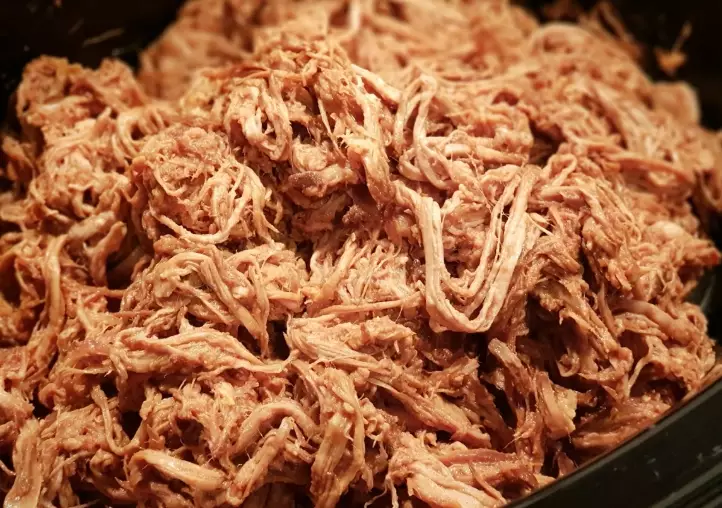
What You'll Learn in This Guide
Why the Liquid Matters More Than You Think
Think of your slow cooker liquid as a multi-tool. It's not just there to prevent burning. It has three critical jobs:
- Braising Agent: The low, moist heat breaks down tough collagen in the pork shoulder (butt) into gelatin. This is what gives you that tender, shreddable texture. No liquid, no braise.
- Flavor Infuser: Pork shoulder is a flavor sponge. The liquid it cooks in becomes the sauce and seasons the meat from the inside out. Water does the first job but fails spectacularly at the second.
- Moisture Regulator: It creates a humid environment, but crucially, it shouldn't boil the meat. A common error is using too much liquid, which leads to boiling and dry, stringy pork.
I learned this the hard way. My first attempt involved submerging the pork in cheap beer. Eight hours later, I had boiled pork that tasted bitter and felt dry, despite swimming in liquid. The meat had expelled all its juices into the now-diluted broth. It was a lesson in thermodynamics and flavor chemistry I never forgot.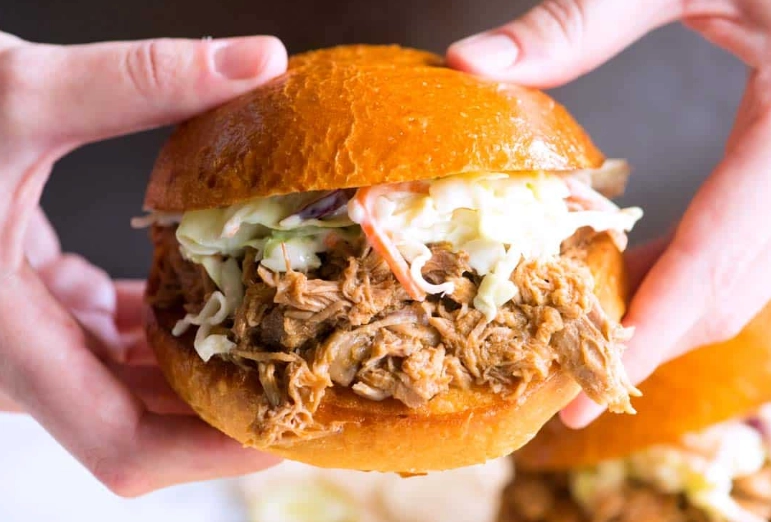
How to Choose Your Braising Liquid
Forget the one-size-fits-all answer. Your choice should be intentional. Ask yourself: Do I want tangy Carolina-style pork? Sweet and smoky Kansas City? Something with a deep, malty backbone?
The Golden Rule: Your liquid should almost always be a combination. A single liquid, like straight broth, lacks complexity. A single acidic liquid, like straight vinegar, can "cook" the surface of the meat too aggressively. Mixing is the key to depth.
The Core Components of a Great Braising Liquid
Build your liquid like a cocktail:
1. The Base (Body & Savory Depth): This makes up the majority of your liquid. Chicken broth (low-sodium) is the champion here—it's savory but neutral. Beef broth can be too strong. Vegetable broth works if you're avoiding meat. Even water can work in a pinch if your other flavor components are strong enough.
2. The Acid (Brightness & Tenderness): This is the game-changer most people skip. Acid, like apple cider vinegar, white vinegar, or even citrus juice, helps tenderize the meat further and cuts through the richness. It prevents the flavor from being one-note and heavy. About 1/4 to 1/3 of your total liquid should be acidic.
3. The Sweet & Aromatic Boosters (Complexity): This is where you personalize. A splash of apple juice or cola adds sweetness and caramelization. A couple tablespoons of soy sauce or Worcestershire sauce adds umami. Mustard, minced garlic, onion slices—they all steep in the liquid and perfume the pork.
The Liquid Showdown: A Detailed Comparison
Let's break down the popular choices. This table isn't about ranking one over all; it's about matching the liquid to your goal.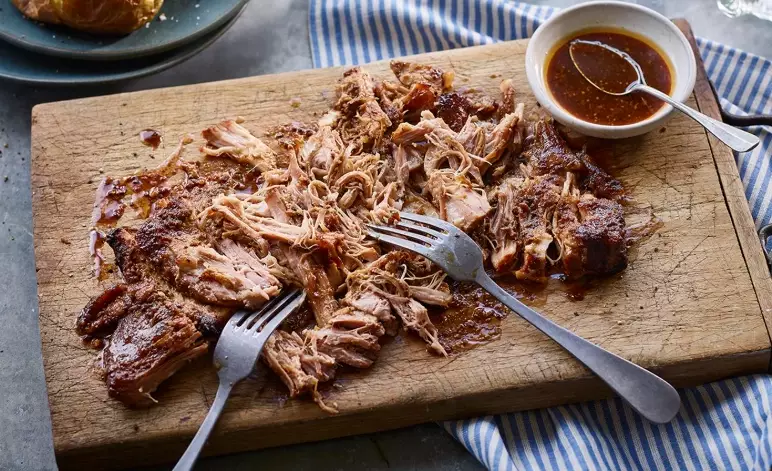
| Liquid | Best For/Flavor Profile | Pro Tip & Pitfall | Recommended Ratio/Use |
|---|---|---|---|
| Apple Cider Vinegar + Chicken Broth | The All-Around Winner. Tangy, savory, perfectly balanced. Ideal for Eastern NC-style or any versatile pork. | Use raw, unfiltered apple cider vinegar (like Bragg's) for more apple flavor. The pitfall is using too much vinegar—it shouldn't make your kitchen smell like a pickle factory. | 1 part vinegar to 2 parts broth. Start with 1/2 cup vinegar + 1 cup broth for a 4-5 lb roast. |
| Beer (Ale or Lager) + Broth | Deep, malty, slightly bitter notes. Great for a hearty, pub-style pulled pork. | Avoid IPAs or hoppy beers—the bitterness concentrates and becomes unpleasant. Use a mild lager, amber ale, or stout. The pitfall is using beer alone, which can lead to a bitter taste. | Replace up to half of your broth with beer. E.g., 3/4 cup beer + 3/4 cup broth. |
| Dr. Pepper or Cola + Vinegar | Sweet, caramelized, and tangy. Family-friendly and great for sandwiches with sweet BBQ sauce. | The soda contains sugar and acids (phosphoric/citric) that tenderize and sweeten. The pitfall is it can be too sweet. Always balance with an acid like vinegar. | 1 cup soda, 1/2 cup broth, 1/4 cup vinegar. Use diet soda if you want to avoid excessive sugar. |
| Apple Juice/Cider + Broth | Fruity, sweet, and mild. Excellent for a lighter, autumn-inspired pork. | Provides gentle sweetness without the "soda" flavor. The pitfall is it lacks acid, so you must add vinegar or mustard. | 1 cup apple juice, 1 cup broth, 2 tbsp vinegar. |
| Straight Chicken/Beef Broth | When you want the pork flavor to be pure and the sauce to be a blank canvas for later seasoning. | It's safe but boring. You must add other aromatics (onion, garlic, bay leaf) and acid (a splash of vinegar at the end) to the finished product. | Use low-sodium. Add 2 tbsp of acid (le juice, vinegar) after cooking to brighten it. |
Common Mistakes to Avoid with Slow Cooker Liquids
Here's where that "10 years of experience" advice comes in. You won't see most of these on recipe cards.
Mistake #1: The Swimming Pool. You do not need to cover the pork. The meat will release its own juices. Liquid should come up about 1/3 to 1/2 of the way up the side of the roast. Too much liquid boils the meat instead of braising it.
Mistake #2: Adding Sweet Liquid Too Early. If using soda or juice with high sugar content, the sugar can burn on the bottom of the pot over the long cook time, giving a slight burnt flavor. It's usually fine, but for perfection, mix it with other liquids.
Mistake #3: Not Reducing the Liquid Afterwards. The liquid left in your pot after cooking is liquid gold—concentrated flavor and collagen. If you just discard it or serve the pork swimming in it, you're wasting flavor and making soggy sandwiches. Always skim the fat, then simmer that liquid in a saucepan until it thickens slightly. Mix some back into the shredded pork for moisture, and use the rest as a sauce base.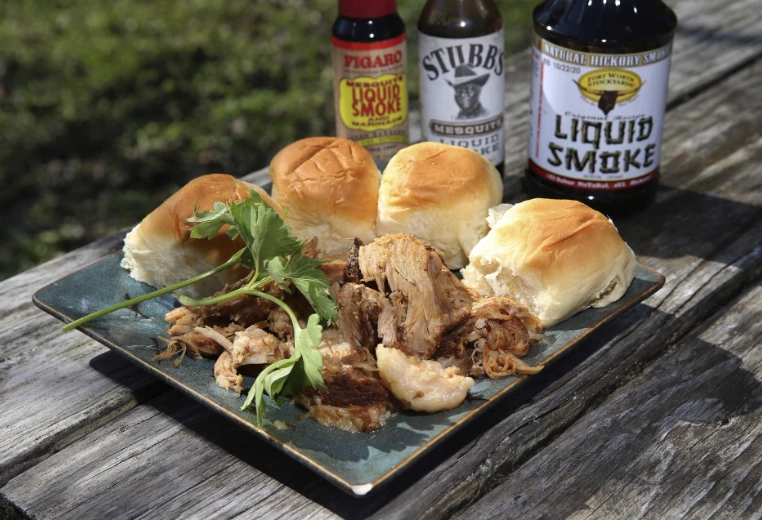
Mistake #4: Using Wine as a Primary Liquid. Red wine can be too tannic and overpowering over a long cook. If you want a wine flavor, use a quarter cup max, and balance it with plenty of broth.
Pro Tips for the Ultimate Pulled Pork
Let's tie it all together.
The 24-Hour Method: For insane flavor, season your pork the night before. Then, when you add your liquid in the morning, also add a tablespoon of the dry rub seasoning to the liquid itself. It seasons from all angles.
Brown First, Always. I don't care how busy you are. Taking 10 minutes to sear the pork shoulder in a skillet before it goes in the cooker creates a flavor foundation (the Maillard reaction) that no liquid can replicate. It's non-negotiable for me now.
The Finishing Acid: After you shred the pork, taste it. Does it need a little brightness? Add a final splash (a teaspoon or two) of apple cider vinegar or a squeeze of lime juice and toss. It wakes up all the flavors.
My personal go-to, can't-fail liquid for a 5-pound shoulder? 3/4 cup low-sodium chicken broth, 1/2 cup apple cider vinegar, 1/2 cup apple juice, 2 tablespoons soy sauce, and the diced onion from the bottom of the searing pan. It's balanced, deep, and works every single time.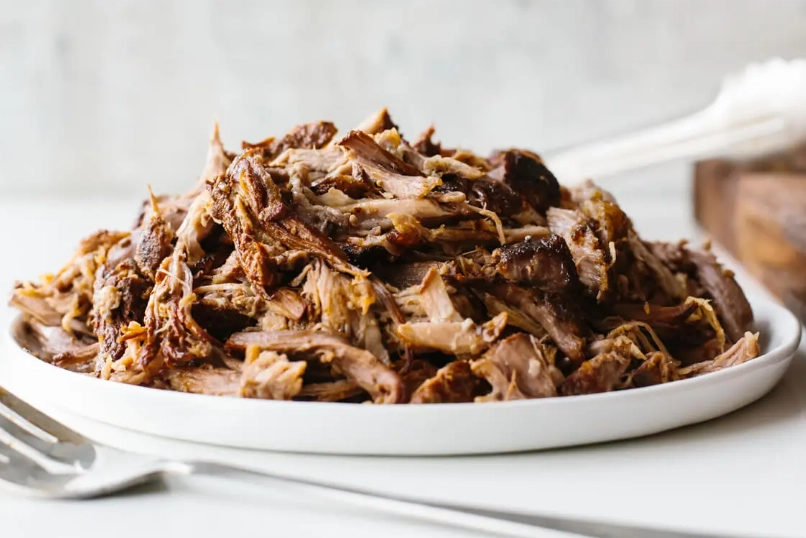
Your Pulled Pork Liquid Questions, Answered
Can I use water instead of broth for pulled pork?
You can, but you're starting with a significant handicap. Water adds zero flavor. You'll need to aggressively compensate with other ingredients—more vinegar, more soy sauce, more aromatics, more of your dry rub mixed into the water. It's possible to get a decent result, but broth gives you a savory head start that's hard to replicate. If you're out of broth, water with a bouillon cube dissolved in it is a fine substitute.
How much liquid do I actually need for a 4-5 lb pork shoulder?
This is the most common practical question. Start with 1.5 to 2 cups of total liquid (broth + acid + other). Remember, the pork will release at least another cup of its own juices. Your goal is to have about 2-3 cups of flavorful liquid at the end to reduce into your sauce. It's easier to add a splash later if it looks dry (rare) than to fix a watery pot.
My pulled pork turned out dry even with liquid in the pot. What happened?
Dry pulled pork is almost always a result of overcooking, not lack of liquid. Even submerged in liquid, meat fibers can tighten and squeeze out moisture if cooked too long. Pork shoulder is forgiving, but there's a limit. For most slow cookers on LOW, 8-10 hours is the sweet spot for a 4-5 lb roast. Also, did you use the right cut? You need a fatty, collagen-rich cut like pork shoulder (Boston butt) or picnic roast. Lean cuts like pork loin will always dry out.
Can I use the leftover cooking liquid for anything?
Absolutely. Don't you dare throw it out. After skimming the fat, that liquid is packed with flavor. Reduce it by half on the stove to make an intense au jus for dipping sandwiches. Use it as the base for a quick barbecue sauce by adding ketchup, molasses, and spices. Or, my favorite, use it to cook beans or lentils the next day—they'll be incredible.
Is it better to cook pulled pork on HIGH for less time?
No. The magic of pulled pork is the slow, gentle conversion of collagen to gelatin. High heat rushes this process and often results in tougher meat. Always cook on LOW. If you're short on time, a pressure cooker (Instant Pot) is a better alternative than cranking the slow cooker to HIGH.
Reader Comments