I'll be honest, the first time I tried making pasta in a slow cooker, it was a disaster. I threw in some dried penne with a jar of sauce and some water, came back four hours later, and found a pot of glue. A starchy, sad glue. That experience almost made me swear off the idea forever. But the promise of a truly hands-off, healthy dinner was too tempting. So, I experimented. A lot.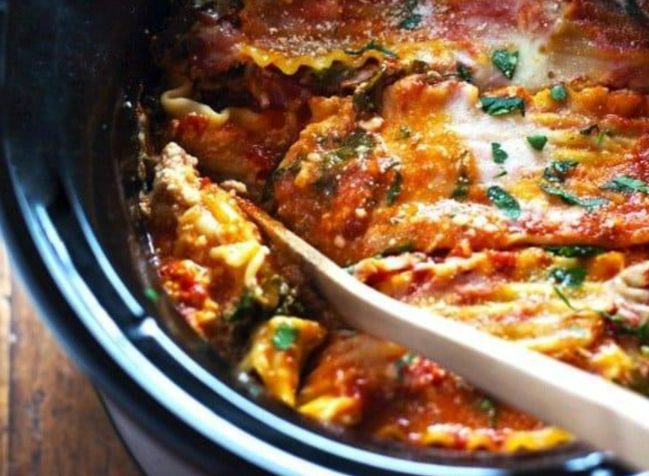
What I discovered wasn't just a recipe, but a method. A way to let the slow cooker do its magic—melding flavors, tenderizing vegetables—while the pasta cooks to a perfect al dente texture, not a moment sooner. That's what this guide is about. Moving beyond the basic dump-and-go to create nutritious, flavorful slow cooker pasta dishes that will become your weeknight heroes.
What's Inside: Your Quick Guide
Why Slow Cooker Pasta Makes Sense for Healthy Eating
It's not just about convenience, though that's a huge part. Think about a busy Tuesday. You're tired. The drive-thru or a frozen pizza calls your name. A slow cooker pasta recipe flips that script.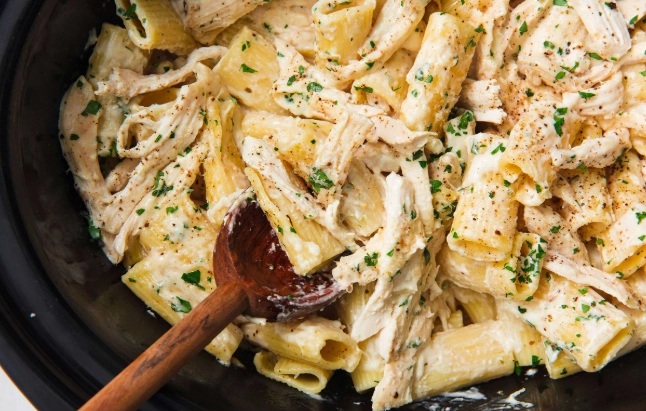
You spend 15 minutes in the morning layering ingredients. You walk away. While you work, the slow cooker builds deep, developed flavors that a 20-minute stovetop sauce can't match. Tomatoes sweeten, herbs infuse, and lean proteins like ground turkey or chicken breast become incredibly tender. You come home to a kitchen that smells amazing and a meal that's already done. That mental shift—from "what's for dinner" stress to effortless satisfaction—is a game-changer for sticking to healthy habits.
Nutritionally, you're in control. You can load it with extra vegetables, use lean proteins, choose whole-grain or legume-based pasta for more fiber, and control the sodium and fat far better than any takeout or pre-made meal.
The 3 Keys to Success (Where Most Recipes Go Wrong)
This is the expert-level stuff they don't always tell you. Ignore these, and you risk the dreaded mush.
1. Pasta Shape is Everything
Not all pasta is created equal for slow cooking. You need shapes that can hold up to extended cooking without disintegrating.
- Best Choices: Penne, rigatoni, fusilli, farfalle (bow ties), and whole wheat versions of these. Their thicker walls and ridges stand up best.
- Avoid: Thin spaghetti, angel hair, orzo, or small pastina. They turn to paste almost immediately.
- Pro Tip: Even with sturdy shapes, I often add the dry pasta in the last 30-60 minutes of cooking on High, not at the beginning. This is the single biggest trick for perfect texture.
2. The Liquid Ratio is Sacred
Too little liquid, and the pasta won't cook, burning on the bottom. Too much, and you have soup (which is fine if you're making soup!). For a standard pasta dish, you need just enough liquid to cook the pasta and create a sauce.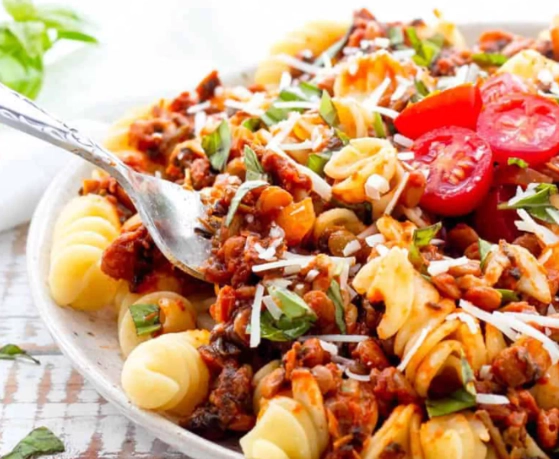
A good rule of thumb: For every 8 oz (about 225g) of dry pasta, use about 2.5 to 3 cups of total liquid. This includes broth, canned tomatoes (with their juice), sauce, and even water. The pasta will absorb it as it cooks.
3. Layer with Purpose
Dumping everything in at once is the beginner's mistake. Hard vegetables like carrots, onions, and celery go on the bottom, near the heat source. Softer veggies like zucchini, spinach, or bell peppers go on top or are added later. Brown your ground meat first for better flavor and texture (drain the fat for a healthier dish).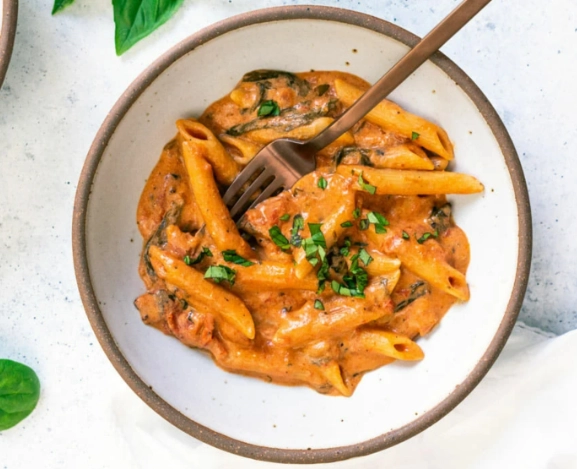
Recipe 1: Lighter Turkey & Spinach Lasagna Soup
Lighter Turkey & Spinach Lasagna Soup
This is a deconstructed, soup-ier version of lasagna with all the flavor but a fraction of the work and calories. It's hearty, comforting, and packed with protein and greens.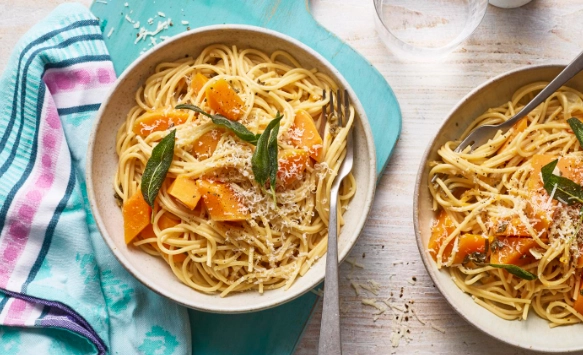
Prep: 15 mins | Cook: 6 hrs 30 mins (Low) + 30 mins (High) | Serves: 6
What You'll Need:
- 1 lb (450g) lean ground turkey (93/7)
- 1 yellow onion, diced
- 3 cloves garlic, minced
- 1 (28 oz) can crushed tomatoes
- 4 cups low-sodium chicken broth
- 1 tsp dried oregano
- 1/2 tsp dried basil
- 1/4 tsp red pepper flakes (optional)
- 8-10 whole wheat lasagna noodles, broken into 2-inch pieces
- 5 oz (140g) fresh baby spinach
- 1/2 cup part-skim ricotta cheese (for serving)
- Fresh basil, for garnish
How to Make It:
- In a skillet over medium heat, brown the ground turkey with the onion until the turkey is no longer pink and the onion is soft. Drain any excess fat. Stir in the garlic and cook for 1 more minute.
- Transfer the turkey mixture to your slow cooker. Add the crushed tomatoes, chicken broth, oregano, basil, and red pepper flakes. Stir well.
- Cover and cook on Low for 6 hours.
- Uncover, stir in the broken lasagna noodles. Switch the cooker to High, cover, and cook for 30 minutes, or until the pasta is al dente.
- Turn off the heat. Stir in the fresh spinach until it wilts into the hot soup.
- Serve in bowls, topping each with a dollop of ricotta and fresh basil.
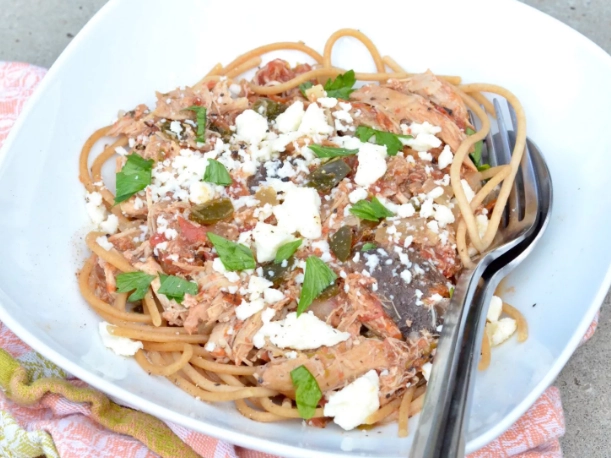
Recipe 2: Veggie-Packed Whole Wheat Primavera
Veggie-Packed Whole Wheat Primavera
A celebration of vegetables that's naturally vegetarian and easily made vegan. The slow cooker gently steams the veggies, keeping them vibrant and nutritious.
Prep: 20 mins | Cook: 3 hrs on High | Serves: 4
What You'll Need:
- 1 red bell pepper, sliced
- 1 yellow squash, sliced into half-moons
- 1 zucchini, sliced into half-moons
- 1 cup cherry tomatoes, halved
- 1 cup broccoli florets
- 1/2 red onion, sliced
- 3 cloves garlic, minced
- 1 (15 oz) can cannellini beans, rinsed and drained
- 2 cups vegetable broth
- 1/4 cup sun-dried tomatoes (not oil-packed), chopped
- 1 tsp Italian seasoning
- 8 oz (225g) whole wheat penne pasta
- 1/4 cup grated Parmesan cheese (or nutritional yeast for vegan)
- Fresh lemon juice, to taste
How to Make It:
- Place the bell pepper, squash, zucchini, cherry tomatoes, broccoli, onion, garlic, cannellini beans, sun-dried tomatoes, and Italian seasoning in the slow cooker. Pour the vegetable broth over everything. Do not stir in the pasta yet.
- Cover and cook on High for 2 hours.
- Stir the mixture, then add the dry whole wheat penne, submerging it in the liquid as much as possible.
- Cover and continue cooking on High for 45 minutes to 1 hour, until the pasta is tender and most liquid is absorbed.
- Stir in the Parmesan cheese (or nutritional yeast) and a big squeeze of fresh lemon juice. Season with salt and pepper.
Recipe 3: Creamy (Dairy-Free) Chicken & Pesto Pasta
Creamy (Dairy-Free) Chicken & Pesto Pasta
This recipe proves "creamy" doesn't need cream. We use a clever, healthy trick with white beans to create a luxuriously smooth sauce that clings to every piece of pasta.
Prep: 10 mins | Cook: 4 hrs on Low + 30 mins on High | Serves: 4
What You'll Need:
- 1.5 lbs (680g) boneless, skinless chicken breasts
- 1 (15 oz) can white beans (navy or great northern), rinsed and drained
- 1 cup low-sodium chicken broth
- 1/2 cup prepared basil pesto (check for dairy-free if needed)
- 1 cup frozen peas
- 8 oz (225g) brown rice or quinoa pasta shells (for a gluten-free option)
- Salt and black pepper
How to Make It:
- Place chicken breasts in the slow cooker. In a blender, puree the rinsed white beans with the chicken broth until completely smooth. Pour this creamy bean mixture over the chicken.
- Cover and cook on Low for 4 hours.
- Remove the chicken and shred it with two forks. Return it to the pot.
- Stir in the pesto and frozen peas. Then, add the dry pasta shells, stirring to coat.
- Cover and cook on High for 25-30 minutes, until pasta is cooked through. The sauce will thicken further upon standing.
The blended beans create a protein-rich, fiber-filled sauce base that's incredibly satisfying. It's a trick I use all the time to add creaminess without the dairy or heavy calories.
Your Top Slow Cooker Pasta Questions, Answered
Can I use gluten-free pasta in the slow cooker?
You can, but you need to be extra careful. Most gluten-free pastas (made from rice, corn, quinoa) cook faster and can become gummy if overcooked. I recommend adding them in the last 20-30 minutes of cooking on High, and check for doneness every 5 minutes after the 20-minute mark. Brown rice pasta tends to hold up a bit better than blends with a high corn content.
My slow cooker pasta always turns out too watery. How do I fix it?
This is common. First, ensure you're not adding more liquid than the recipe states. If it's still soupy at the end, try these fixes: 1) Remove the lid for the last 15-20 minutes of cooking on High to allow steam to escape and liquid to reduce. 2) Make a quick slurry by mixing 1 tablespoon of cornstarch with 2 tablespoons of cold water. Stir this into the hot pasta dish, and let it cook for 5-10 more minutes until thickened. 3) For a richer thickener, stir in a couple of tablespoons of tomato paste or grated Parmesan cheese just before serving.
Is it safe to put raw chicken in with pasta to cook all day?
From a food safety standpoint, yes, the slow cooker will bring the chicken to a safe temperature over time. However, from a quality standpoint, I don't recommend it for a combined pasta dish. The chicken will be safe but likely overcooked and dry by the time the pasta is added and cooked. My preferred method (as in Recipe #3) is to cook the protein in the sauce base first, then add the pasta later. This ensures everything is perfectly cooked. If you must add raw chicken at the start, use thighs, not breasts, as they are more forgiving.
Can I make these recipes vegetarian or vegan?
Absolutely, and it's easy. Swap chicken broth for vegetable broth. Replace ground turkey with a plant-based ground "meat," lentils, or extra beans. For creaminess, use blended white beans, cashew cream, or a vegan unsweetened creamer instead of dairy. Nutritional yeast is a great stand-in for Parmesan cheese. The slow cooker is a fantastic tool for building deep flavor in plant-based dishes.
The beauty of mastering healthy slow cooker pasta isn't just in the recipes—it's in the confidence it gives you. You know you can walk in the door after a long day to a real, wholesome meal that's waiting for you. It takes the guesswork and the stress out of eating well. Start with one of these recipes, follow the texture tips, and you'll never look at your slow cooker—or a box of pasta—the same way again.
Reader Comments