Let's be honest, we've all been there. You pull a lasagna out of the oven, the cheese is beautifully browned, but when you cut into it, the pasta sheets are still a bit firm in the middle, or worse, the whole thing is swimming in a pool of watery sauce. The problem isn't your recipe. It's the heat. Rushing a lasagna at high heat is a guaranteed path to disappointment. The real secret, the one that Italian grandmothers and savvy restaurant chefs have known for ages, is to slow cook lasagna in the oven. This isn't just a different timing; it's a fundamentally better approach that transforms every layer.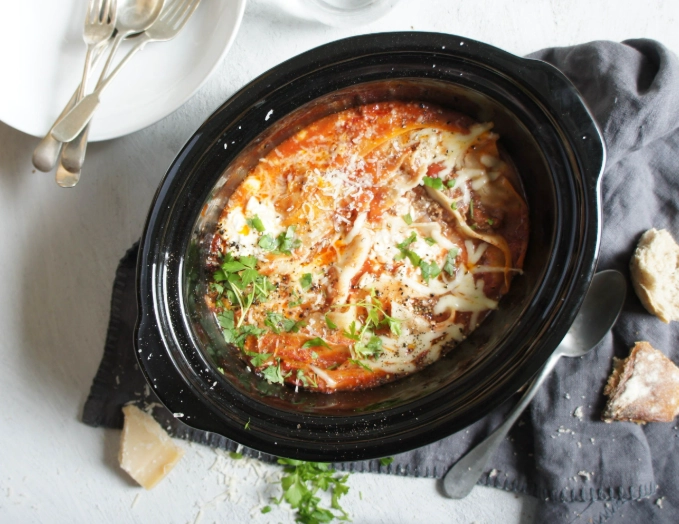
Slow cooking at a lower temperature, typically between 300°F to 325°F (150°C to 165°C), for a longer period allows heat to penetrate gently and evenly. The pasta has time to absorb moisture from the sauce without becoming mushy, the cheeses melt into a seamless, creamy blanket instead of burning, and the flavors of the meat, herbs, and tomatoes have hours to mingle and deepen. The result is a lasagna where every bite is cohesive, tender, and explosively flavorful.
I learned this the hard way after a decade of making decent, but never great, lasagna. The turning point was a failed dinner party where the center was cool. Embarrassed, I dove into the science of it and haven't looked back since.
What You'll Find Inside
Why Slow Cooking Works for Lasagna (It's Science)
Think of your lasagna as a delicate ecosystem. You have dry pasta, wet sauce, dense meat, and fatty cheese. High heat shocks this system. The outside layers of cheese and sauce cook too fast, forming a barrier that traps steam. This steam can make the top watery, while preventing heat from reaching the center pasta efficiently. That's why you get that frustrating combo of a burnt top and undercooked noodles.
Slow cooking removes the shock.
The Science of Low and Slow
At a lower temperature, heat transfer is gradual. The pasta sheets hydrate slowly from the surrounding sauce, allowing the starch to swell and soften uniformly. This means you can often use no-boil lasagna noodles with absolute confidence—they were made for this method. The fat in the cheese and meat renders slowly, basting the interior layers instead of pooling or burning. The liquid in your sauce reduces gently, concentrating flavors without evaporating so rapidly that it leaves the dish dry.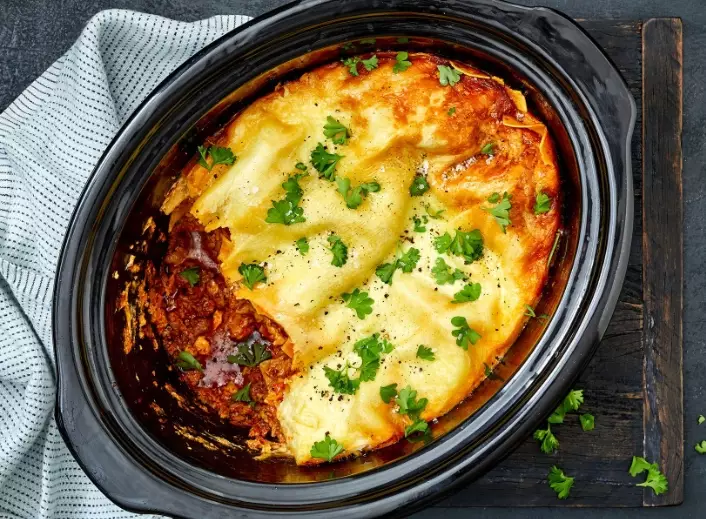
Here’s a quick comparison that shows the difference:
| Aspect | Traditional High-Heat Bake (375°F+) | Slow Cook Method (300°F-325°F) |
|---|---|---|
| Pasta Texture | Can be al dente to hard in center, edges may overcook. | Consistently tender and fully cooked through. |
| Sauce Consistency | Can separate or become watery; top may dry out. | Thickens and marries with other ingredients; remains saucy. |
| Cheese Behavior | May brown/burn too quickly before center is hot. | Melts evenly, integrates into layers, browns gently at the end. |
| Flavor Development | Good, but flavors remain somewhat distinct. | Excellent; flavors meld and deepen significantly. |
| Forgiveness | Low. Timing is critical. | High. A 15-20 minute over/under won't ruin it. |
The biggest misconception? That slow cooking takes all day. It doesn't. We're talking about 1.5 to 2.5 hours of largely hands-off oven time, not 8 hours. You're trading frantic, last-minute checking for relaxed, predictable results.
How to Slow Cook Lasagna in the Oven Step-by-Step
This isn't about a single recipe. It's a framework you can apply to any lasagna you love, from a classic beef and ricotta to a vegetable-packed version.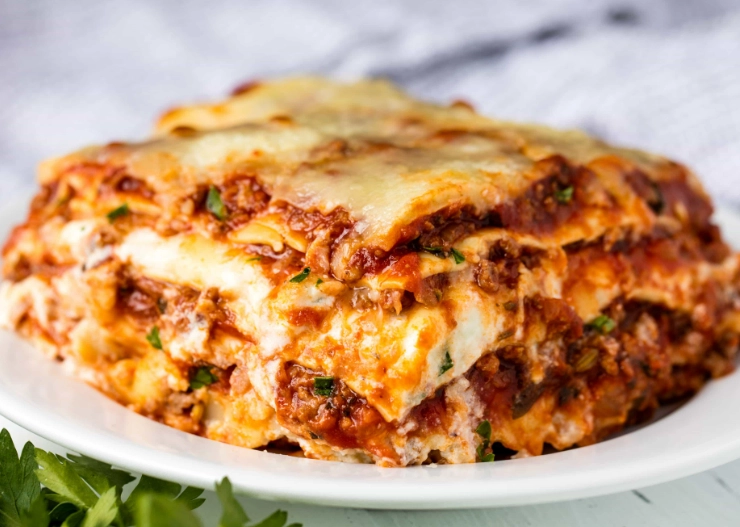
The Slow Cook Lasagna Recipe (A Detailed Breakdown)
Ingredients & Prep: Use your favorite sauce, whether it's a slow-simmered Sunday gravy or a quality jarred sauce you've doctored up. For cheese, a blend of whole-milk ricotta (drained if very wet), mozzarella, and Parmigiano-Reggiano is classic. For the pasta, no-boil noodles are your best friend here, but regular par-boiled sheets work perfectly too.
The Assembly & Bake Process:
1. Prep the Pan: Use a 9x13 inch baking dish. A light coating of sauce or oil on the bottom prevents sticking.
2. Layer Thoughtfully: The order is less important than consistency. Sauce first, then pasta, then cheese mixture (ricotta, egg, herbs), then repeat. But here's the non-consensus bit everyone misses: press down gently on each pasta layer after you lay it down. This ensures contact with the sauce for even hydration. Don't just drop them in.
3. The Final Layer: End with a generous layer of sauce, then a blanket of shredded mozzarella and a sprinkle of Parmesan. This cheesy top will protect the pasta beneath from drying out.
4. To Cover or Not to Cover? This is crucial. For at least the first two-thirds of the cooking time, you must cover the lasagna tightly with aluminum foil. This traps steam, which is essential for hydrating the pasta. No foil = dry, hard edges.
5. The Slow Bake: Preheat your oven to 325°F (165°C). This is the sweet spot. Place the covered dish in the center rack. Bake for 1 hour and 15 minutes. Don't peek. Just let it do its thing.
6. The Uncover and Finish: After the initial bake, carefully remove the foil. The lasagna will look pale and soupy. That's normal! Return it to the oven, uncovered, for another 30-45 minutes. This final phase allows excess surface moisture to evaporate and the top to turn a gorgeous golden brown. It's done when the edges are bubbling vigorously and the center is hot (an instant-read thermometer should read 165°F/74°C in the center).
7. The Non-Negotiable Rest: Take it out and let it rest on a cooling rack for at least 25 minutes. This allows the structure to set. Cutting in too soon is why slices slump. Wait. It's worth it.
Common Slow Cook Lasagna Mistakes and How to Avoid Them
Even with the right method, small errors can trip you up. Here are the big ones I see all the time.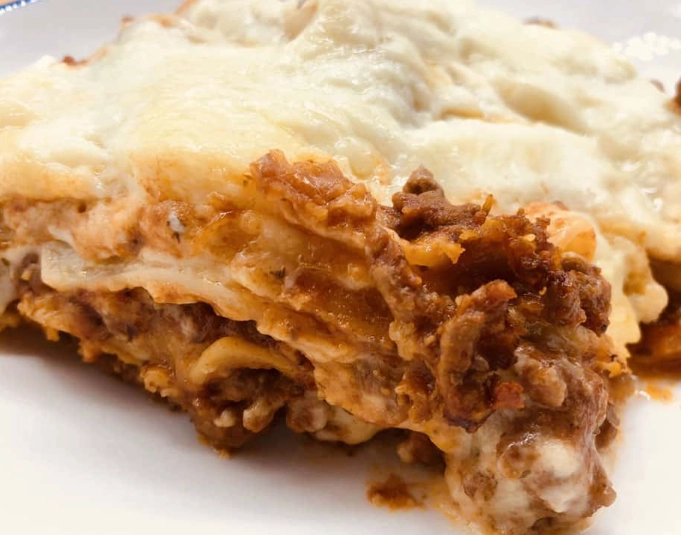
Mistake 1: Using a Watery Sauce. This is the cardinal sin. Your meat sauce (ragù) or marinara should be thick, almost like a spread. If it's soup-like, simmer it longer on the stovetop to reduce. Remember, the pasta will release starch and absorb liquid, but it can't absorb an ocean.
Mistake 2: Skimping on the Sauce Between Layers. When slow cooking, every single inch of pasta needs to be in contact with moisture. Be generous. A thin smear won't cut it.
Mistake 3: Putting the Ricotta Layer on Top of the Noodles Dry. If you lay down noodles, then plop big dollops of ricotta mixture on top, you create dry pockets. Instead, spread the ricotta mixture evenly and thinly with a spatula or the back of a spoon to create a seamless layer.
Mistake 4: Not Letting it Rest. I know, I said it already. But it's that important. The proteins in the cheese and eggs need time to firm up. A lasagna that rests holds a perfect square slice. One that doesn't is a delicious mess.
Mistake 5: Baking Uncovered the Whole Time. This guarantees a dry, tough top layer and undercooked center. The foil stage is non-negotiable for a tender result.
Your Slow Cook Lasagna Questions, Answered
The beauty of learning to slow cook lasagna in the oven is that it turns a sometimes-fussy dish into a reliable staple. It forgives small timing errors, accommodates make-ahead prep, and consistently delivers a result that feels professional. It’s not a harder way to cook lasagna; it’s a smarter one. Ditch the high-heat anxiety, embrace the low-and-slow philosophy, and your next pasta bake will be the best one yet.
Reader Comments