You're not alone if you've ever stood in a store aisle, staring at two nearly identical appliances, wondering if there's a real difference between a slow cooker and a Crockpot. The short answer? It's a trick question. Let's cut through the marketing noise right away. A Crockpot is a slow cooker, but not all slow cookers are Crockpots. Crock-Pot is a brand name, owned by Sunbeam Products, that became so dominant it's often used as a generic term, like Kleenex for tissues. The real conversation isn't about Crockpot vs slow cooker; it's about understanding the features, designs, and performance variations across all the brands that make these convenient appliances.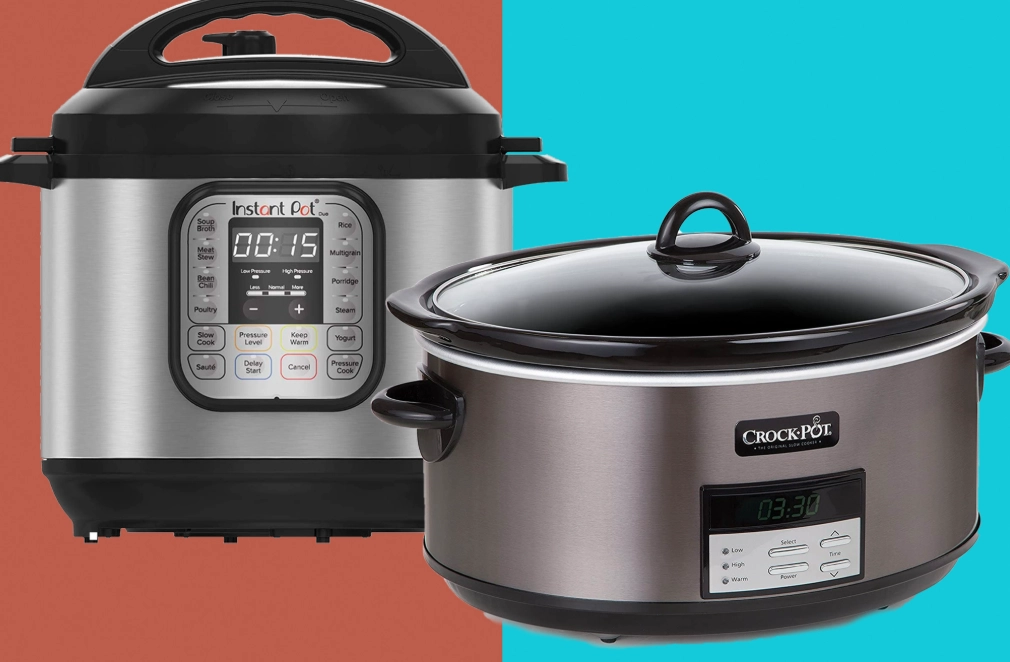
What You'll Find Inside
Are They Actually Different?
Think of it this way: you want a vehicle to commute. You could buy a Toyota, a Ford, or a Honda. They're all cars, but they have different reputations, features, and reliability. The same goes for slow cookers. The Crock-Pot brand, according to their official history on the Crock-Pot website, essentially invented the category for home use in the 1970s. Their name stuck.
Today, you'll find slow cookers from brands like Instant Pot (yes, they make dedicated slow cookers too), Cuisinart, Hamilton Beach, * * * , and many more. Each tries to differentiate itself. Some focus on precise temperature control, others on having a stovetop-safe insert, and some on being programmable. So, when you ask, "What is the difference between a Cro * * * ?" you're really asking, "What is the difference between a Crockpot-branded slow cooker and the slow cookers made by other brands?" The answer lies in the specific model's features, not the overarching category.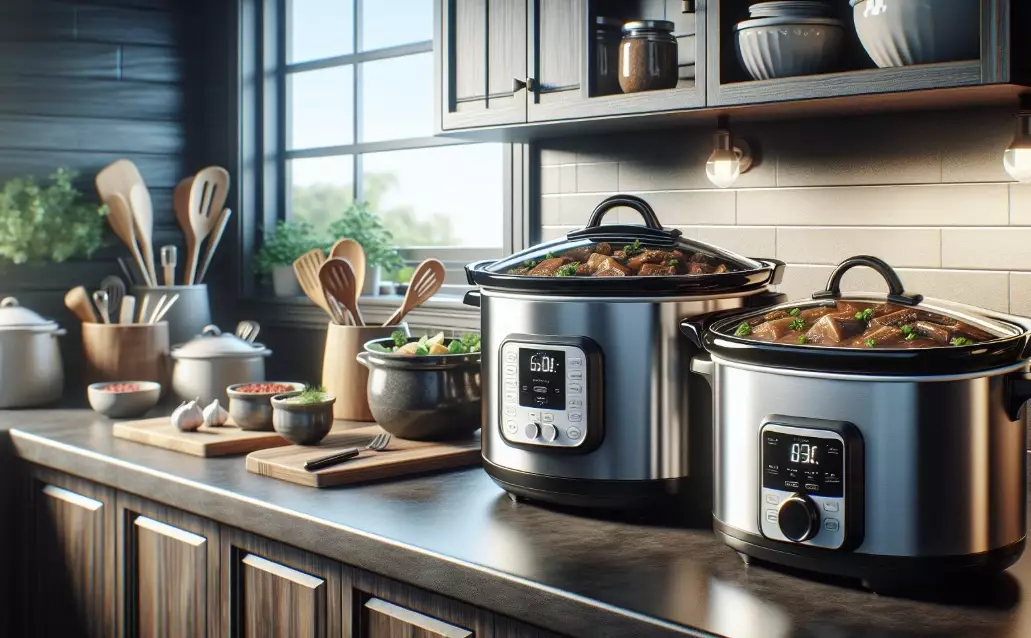
The Core of the Confusion
This brand-generic mix-up leads to real-world headaches. You search for "Crockpot recipes" and wonder why the cooking time seems off in your Hamilton Beach model. Or you buy a generic "slow cooker" and are disappointed it doesn't have the same "keep warm" function your friend's Crockpot has. The name on the box matters less than the manual inside it.
Key Features to Compare (Beyond the Name)
Forget the label on the front. Turn the box around and look for these specs. This is where the real differences live.
| Feature | What It Is & Why It Matters | Common Variations |
|---|---|---|
| Heating Element & Pattern | This is the engine. How heat is applied to the stoneware pot determines even cooking and whether you get burnt edges. | Wrap-around coils: Common in older/basic models. Can create hot spots. Enveloping/Base-Only: Newer designs. More even heat, less scorching. Precise Temp Control: Higher-end models maintain a more accurate temperature. |
| Programmability | Can you set a cook time and have it auto-switch to "keep warm"? This is crucial for unattended cooking. | Manual (Low/High/Off): Basic, you must turn it off. Programmable Timer: Set hours, switches to warm. Delayed Start: Less common now, can be a food safety risk. |
| Insert (Pot) Material & Versatility | The pot you cook in. Its capabilities define what you can do with the appliance. | Removable Stoneware: Standard for easy cleaning. Oven-Safe Stoneware: Allows searing/browning in the same pot. Stovetop-Safe Insert: (Rare, some high-end) Can go from stove to base. Non-Stick Coating: Easier cleaning, but can degrade over time. |
| Shape & Size | Affects what you can cook and for how many people. | Oval: Fits roasts, whole chickens better. Round: Better for soups, stews, beans. Size (Quarts): 4-6 qt for couples/small families, 7-8 qt for meals/entertaining. |
| "Keep Warm" Function | Not all "warm" settings are equal. A good one holds food above 140°F safely. | Basic Warm: May just be a very low cook setting. Dedicated Food-Safe Warm: Engineered to hold safe temps indefinitely. |
I've used a dozen models over the years. My old, basic Crockpot brand model had a fierce hot spot on the back side. Every bean soup would stick there. My current Cuisinart programmable model heats so evenly I sometimes check to see if it's still on. The brand was less important than the updated heating technology.
Common Mistakes People Make (And How to Avoid Them)
Here's where that "10-year experience" perspective comes in. Most articles tell you to "add liquid" and "don't peek." Let's go deeper.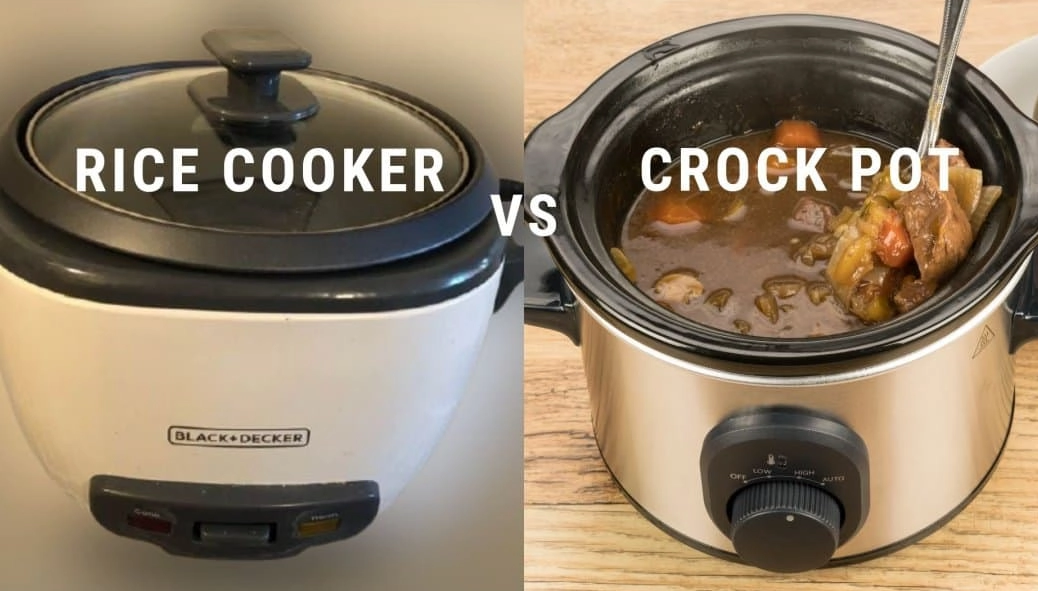
1. Assuming All 'Low' and 'High' Settings Are Equal
They're not. There's no industry standard. One brand's "Low" might be 190°F, another's 200°F. This is why a "4-hour beef stew" recipe can be perfect in one cooker and undercooked in another. The fix? Get to know your machine. The first time you use a new model, try a forgiving recipe like pulled pork or a basic bean soup. Note how long it actually takes. Treat recipe times as guidelines, not rules.
2. Overfilling or Underfilling
The manual usually says "half to two-thirds full" for a reason. Underfilling (less than half) can cause the food to cook too quickly and potentially burn because there's less mass to absorb the heat. Overfilling risks food not reaching a safe temperature in the center, especially dense items like a whole roast. It can also bubble over and make a mess. A 6-quart cooker is happiest making 4 quarts of chili, not 5.5.
3. Ignoring the Power of the "Keep Warm" Setting
Many people think "keep warm" is just for after dinner. Its real power is as a safety net. If you're making a 6-hour pot roast and it's tender at 5.5 hours, the programmable switch to "warm" will hold it perfectly until you're ready. Without that feature, you either eat early or risk overcooking. For working households, this isn't a minor convenience—it's the core feature that makes the appliance practical.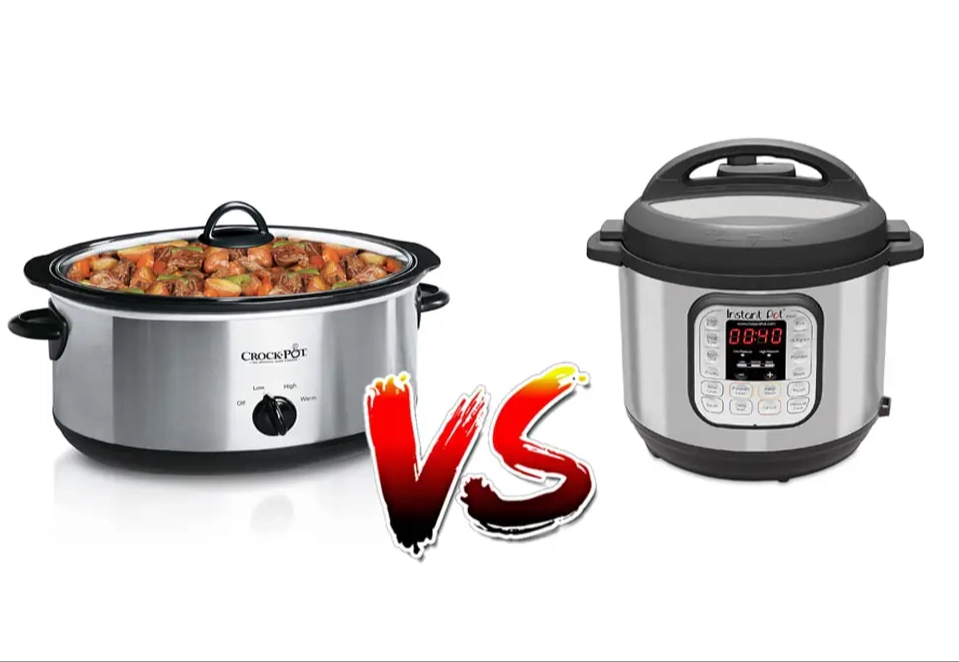
How to Choose the Right One for You
Stop looking for the "best" slow cooker. Look for the best one for you. Ask yourself these questions:
- What's your lifestyle? Do you work 9-5? A programmable model with a reliable "keep warm" is non-negotiable. If you're home most days, a simple manual knob might suffice.
- What do you cook most? Big oval roasts? Get an oval 6-7 quart. Mostly soups and dips for parties? A round 4-quart might be perfect.
- Do you hate extra dishes? Then prioritize an oven-safe stoneware insert. You can sear your stew meat in it on the stovetop, deglaze, and then put it right into the heating base. One pot for the whole process.
- What's your budget? You can get a decent basic slow cooker for under $30. A fully programmable, even-heating, oven-safe model from a reputable brand will run $70-$120. The extra cost buys you consistency, safety, and versatility.
Based on this, I'd steer a first-time buyer away from the absolute cheapest $20 model. The lack of controls and often poorer heat distribution leads to disappointing results that might turn you off from slow cooking altogether. Aim for the mid-range with at least programmability. It's the sweet spot for value and performance.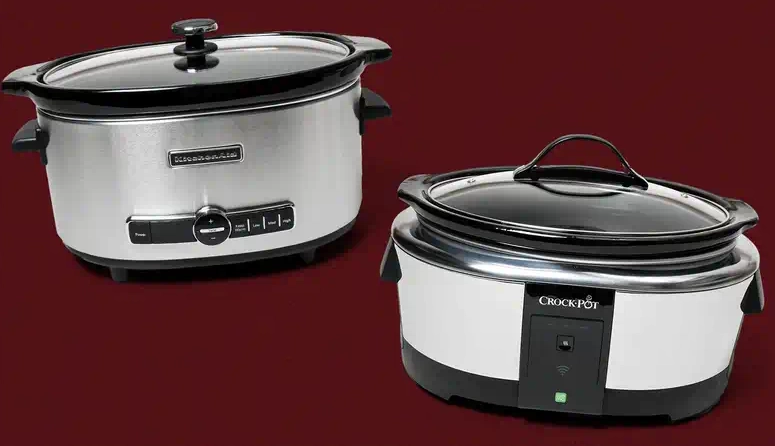
Your Slow Cooker Questions, Answered
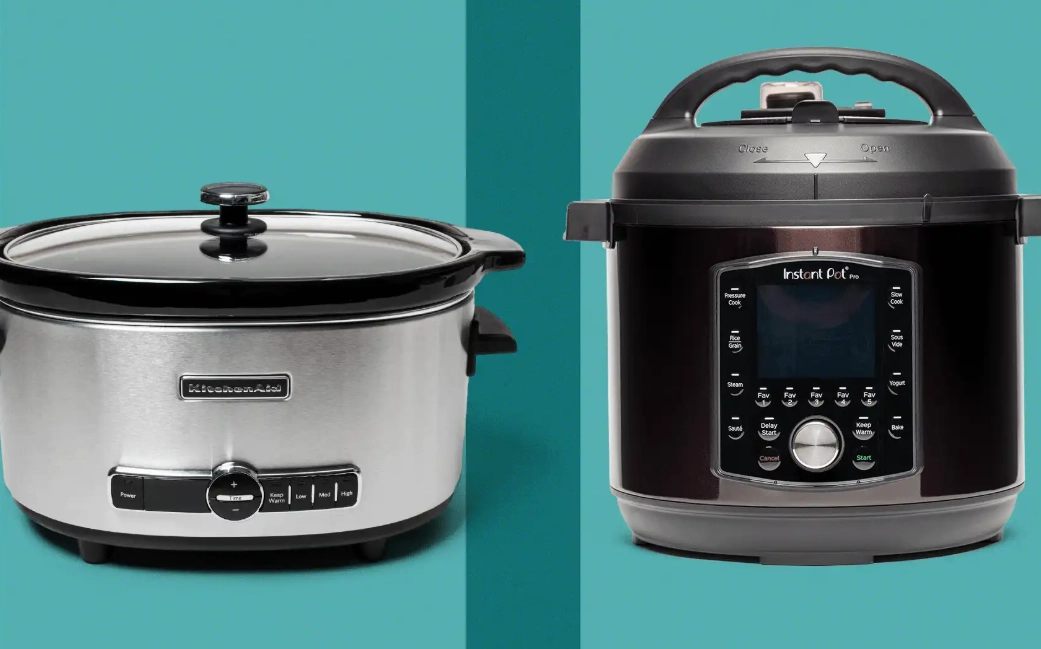 So, the next time someone asks you the difference between a slow cooker and a Crockpot, you can tell them: it's mostly about the name on the box. The real intelligence is in looking past the brand and finding the set of features—the right heating, the right pot, the right controls—that will actually work for the way you cook and live. That's how you find an appliance you'll use for years, not one that gathers dust after a few failed recipes.
Reader Comments