Your Slow Cooking Compass
Let's be honest. We've all been there. You see a gorgeous recipe for a slow-cooked masterpiece, you buy a nice-looking piece of meat, spend hours waiting... and end up with something dry, tough, or just plain boring. It's disappointing, and a waste of good money. The secret, almost always, isn't your oven or your recipe. It's the meat you started with.
Choosing the best meat to slow cook in the oven is the single most important decision you'll make. Get it right, and you're 90% of the way to a legendary meal. Get it wrong, and no amount of seasoning or fancy technique can save it.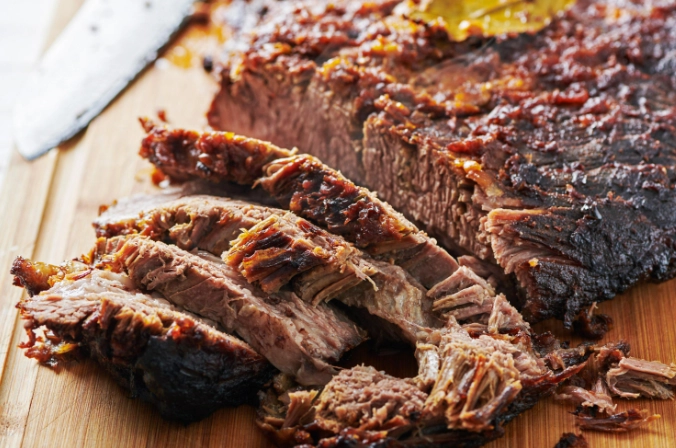
So, what makes a cut of meat perfect for the low-and-slow treatment? Forget about lean, expensive steaks. The magic happens with the hardworking, often cheaper, parts of the animal. These are the cuts full of connective tissue—collagen and fat—that need time and gentle heat to break down and transform into unbelievably rich, gelatinous goodness. That's what gives you that "fall-off-the-bone" or "pull-apart-with-a-fork" texture we all dream about.
The Golden Rule of Slow Cooking: The tougher and cheaper the cut looks at the butcher counter, the better it's likely to be for long, slow oven cooking. You're trading a few hours of your time for incredible flavor and texture you can't get any other way.
Why the Oven is a Secret Weapon for Slow Cooking
You might think of a slow cooker or Instant Pot for this job, and they're great tools. But the oven? It's the classic, underrated champion. The dry, enveloping heat of an oven provides a gentle environment that's perfect for rendering fat and breaking down tissue evenly. You also get better browning potential if you sear the meat first in a Dutch oven, locking in those deep, complex flavors right in the same pot you'll braise it in. It's a one-pot wonder method.
I personally switched back to the oven for my weekend pot roasts after one too many slow cooker meals that tasted a bit... waterlogged. The oven just gives you more control over the reduction of sauces and that perfect, slightly caramelized edge on your veggies.
The Top 5 Best Meats to Slow Cook in Your Oven
Based on flavor, reliability, and that magical transformation, here are the top contenders. Think of this as your shopping list for success.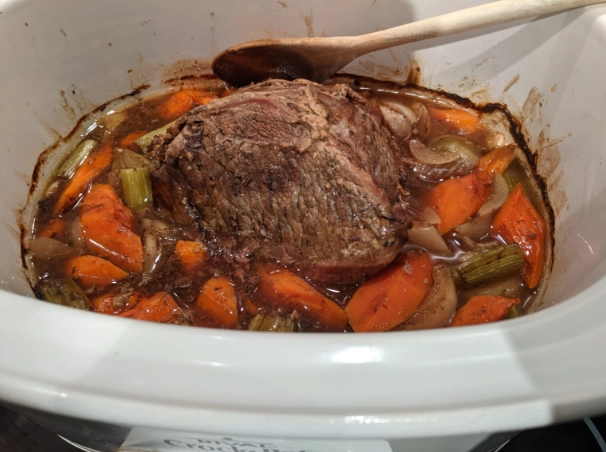
1. Beef Chuck Roast (The Undisputed King)
If there's one cut that defines the phrase "best meat to slow cook in the oven," it's chuck roast. Coming from the shoulder of the cow, this cut does a lot of work, which means it's marbled with fat and laced with connective tissue. When you cook it low and slow, that collagen melts into succulent gelatin, and the fat bastes the meat from the inside.
What you get: The ultimate pot roast. Deep beefy flavor, incredibly tender chunks that shred easily, and a rich, luxurious sauce. It's forgiving, widely available, and often very affordable.
My Take: I find chuck roast to be the most consistent performer. Even a mediocre-looking one usually turns out great. Just make sure you get a roast that's at least 2-3 inches thick, or it might dry out before the connective tissue has time to work its magic.
2. Pork Shoulder (Butt or Boston Butt)
Don't let the name confuse you—this comes from the upper shoulder of the pig. Pork shoulder is the cut destined for pulled pork, and for good reason. It has an ideal fat-to-meat ratio and a robust flavor that stands up to bold rubs and sauces.
What you get: Incredibly versatile, juicy pulled pork perfect for tacos, sandwiches, or just eating with a fork. The fat cap on top renders down and keeps everything moist. It's almost impossible to mess up.
Watch Out: A whole shoulder can be huge (8+ lbs). Ask your butcher to cut it in half if you don't have a massive Dutch oven. Also, it can be quite fatty. Some people love that, but you can trim a bit off the cap if it seems excessive.
3. Beef Brisket (The Project Cut)
Brisket is the holy grail for barbecue pitmasters, but it's also spectacular when braised slowly in the oven. This is a cut that demands respect and patience. It comes from the chest of the cow and has two distinct parts: the flat (leaner) and the point (fattier). For oven braising, you often find the whole "packer cut" or just the flat.
What you get: When done right, it's sublime—intensely beefy, tender but with a satisfying texture, and a beautiful bark if you sear it well. When done wrong, it's like eating a leather shoe. It's less forgiving than chuck, but the reward is higher.
Is brisket the best meat to slow cook in the oven? For a special occasion where you want to put in the work, absolutely. For a stress-free Sunday dinner? Maybe stick with chuck.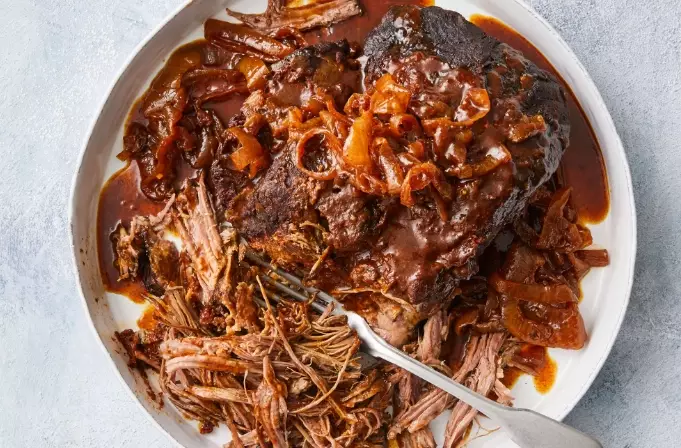
4. Lamb Shanks (The Flavor Bomb)
If you want to feel fancy without much effort, lamb shanks are your friend. Each shank is a single portion from the leg of the lamb. They are all bone, connective tissue, and deep, gamey flavor. The bone marrow melts into the braising liquid, creating a sauce that is out of this world.
What you get: An impressive, restaurant-quality dish. The meat falls cleanly off the bone, and the flavor is rich and distinct. Pair it with rosemary, garlic, and red wine for a classic combo.
5. Chicken Thighs (The Quick Win)
Yes, you can slow cook chicken! But forget about breast meat—it will become dry and stringy. Bone-in, skin-on chicken thighs are the champions here. They have enough fat and connective tissue to benefit from a couple of hours in a low oven, becoming incredibly tender and flavorful.
What you get: A faster path to a slow-cooked meal (1.5-2 hours vs. 4+). Juicy, flavorful chicken in a rich sauce. It's a fantastic weeknight option that still feels like comfort food.
So, which one calls to you? The reliable king, the versatile pig, the ambitious brisket, the elegant lamb, or the speedy chicken?
Head-to-Head: Your Slow Cook Meat Comparison Table
This table should help you decide at a glance. Remember, "best" depends on what you're in the mood for.
| Cut of Meat | Best For | Approx. Oven Time (at 300°F/150°C) | Flavor & Texture Profile | Price & Accessibility |
|---|---|---|---|---|
| Beef Chuck Roast | Classic pot roast, family dinners, ultimate reliability | 3.5 - 4.5 hours | Deeply beefy, richly savory, shreds tenderly | Very accessible, usually budget-friendly |
| Pork Shoulder (Butt) | Pulled pork, tacos, feeding a crowd, big flavor | 4.5 - 6 hours | Juicy, slightly sweet pork flavor, pulls apart effortlessly | Very accessible, often very affordable per pound |
| Beef Brisket (Flat) | Special occasions, impressive centerpiece, smoky flavors | 5 - 6+ hours | Intense beefiness, tender with a slight chew, robust | Less common in regular stores, can be pricier |
| Lamb Shanks | Date nights, elegant meals, rich, gamey flavors | 2.5 - 3.5 hours | Distinctive lamb taste, fall-off-the-bone tender, luxurious sauce | Easy to find, moderate price per shank |
| Chicken Thighs (Bone-in) | Quick comfort food, weeknight dinners, creamy sauces | 1.5 - 2 hours | Juicy, savory chicken, holds up well in liquid | Extremely accessible and affordable |
How to Actually Cook It: The Foolproof Oven Method
Knowing the best meat to slow cook in the oven is half the battle. The other half is the method. Here's a simple, no-fail process that works for almost any tough cut.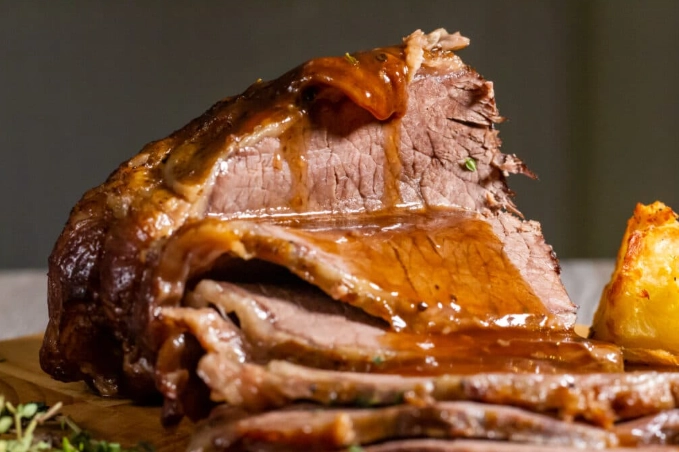
- Season Heavily, and Early: Pat your meat completely dry with paper towels. This is crucial for browning. Generously season all over with salt and pepper at least 45 minutes before cooking, or even the night before (uncovered in the fridge). This seasons the meat deeply, not just the surface.
- Sear Until Golden: Heat a tablespoon of oil in a heavy, oven-safe pot (like a Dutch oven) over medium-high heat. Sear the meat on all sides until you have a deep brown crust. Don't rush this. This step builds foundational flavor through the Maillard reaction. It's non-negotiable for a great result.
- Build Your Braising Liquid: Remove the meat. In the same pot, sauté some chopped onions, carrots, and celery (a "mirepoix") for a few minutes. Add a couple of cloves of smashed garlic. Pour in about 2-3 cups of liquid—a combination is best. Use something flavorful like beef or chicken broth, red wine, beer, or even just water with a splash of soy sauce for umami. Scrape up all the browned bits from the bottom (that's flavor!).
- Low and Slow in the Oven: Return the meat to the pot, nestling it in the liquid and veggies. The liquid should come about 1/3 to 1/2 way up the side of the meat, not submerge it. Bring it to a simmer on the stovetop. Then, cover the pot tightly with a lid (or heavy-duty foil) and place it in a preheated 300°F (150°C) oven. Now, walk away. Don't peek for at least two hours.
- Test for Doneness: The meat is done when it's fork-tender. A fork or skewer should slide in and out with almost no resistance. For shredding, it should easily pull apart. Internal temperature is a guide (often 195-205°F / 90-96°C for beef/pork), but texture is the true test.
- Rest and Serve: Carefully remove the meat to a cutting board and tent it loosely with foil. Let it rest for 15-20 minutes. This allows the juices to redistribute. Meanwhile, you can skim excess fat off the braising liquid and reduce it on the stovetop to make a killer sauce.
Pro Tip: If your sauce is too thin after reducing, make a quick slurry by mixing a tablespoon of cornstarch with two tablespoons of cold water. Whisk this into the simmering sauce until it thickens to your liking.
Answers to Your Burning Questions (FAQ)
A Few Final Thoughts Before You Cook
Finding the best meat to slow cook in the oven is a journey of delicious discovery. Start with a chuck roast or pork shoulder—they're the most forgiving and will build your confidence. Talk to your butcher. They can point you to great cuts for braising that you might overlook.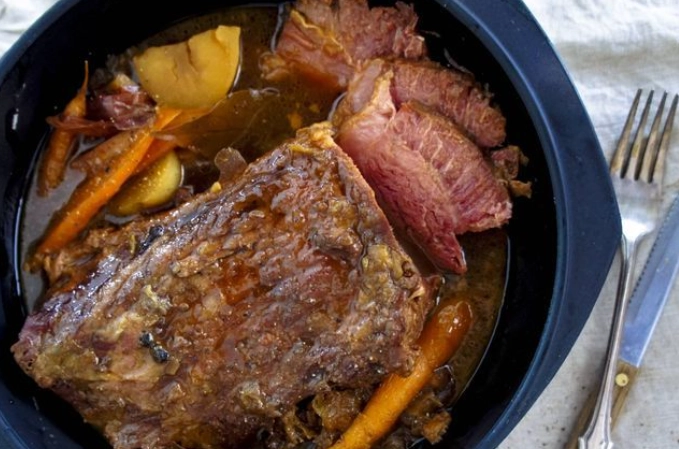
And remember, the goal isn't perfection. It's a deeply satisfying, home-cooked meal that makes your house smell amazing for hours. The process is part of the pleasure. So, pick a cut, get that Dutch oven hot, and trust the low, slow heat of your oven to do its thing. You'll be rewarded with some of the most comforting food you'll ever make.
Honestly, once you get this right, you'll look at those tough, inexpensive cuts in a whole new light. They're not the problem; they're the secret solution to incredible meals.
Reader Comments