In This Guide
Let's be honest. We've all had that moment at a good Mexican restaurant where you take a bite of their grilled chicken—the one they call "Pollo a la Fiesta" or something similar—and think, "How on earth do they get it so flavorful and juicy?" It's not just chicken; it's an event. It's got that deep, reddish-orange color, a smoky char from the grill, and a tenderness that makes you forget about the fork and just use your hands. I spent years trying to crack the code. I tried bottled marinades (too much vinegar, not enough depth), dry rubs (good, but missing the signature moistness), and even begged a waiter once (he just smiled and walked away). After what felt like a culinary quest, I finally pieced together what I believe is the absolute best Fiesta chicken recipe. And the best part? It's surprisingly simple. No fancy techniques, just a few key ingredients and a bit of patience.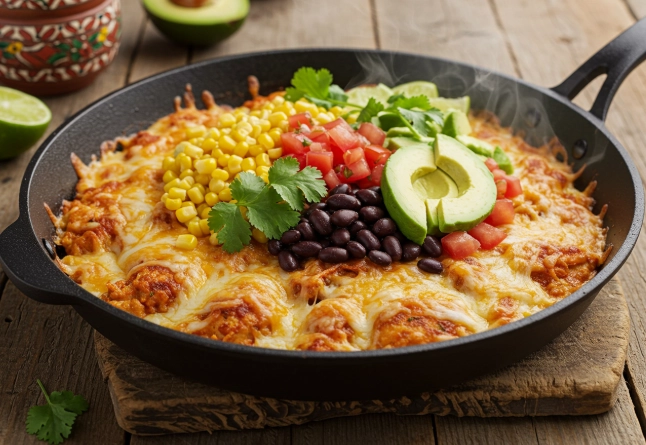
The Core Idea: Authentic Fiesta chicken isn't about one overpowering spice. It's a harmony—a balance of earthy, citrusy, garlicky, and subtly smoky notes that penetrate the meat, not just coat it.
So, what makes this the best Fiesta chicken recipe you can find online? It goes beyond just listing ingredients. We're going to talk about the why behind each component, the common pitfalls (I've fallen into most of them), and how to adapt it whether you have a grill, a grill pan, or just an oven. This is the guide I wish I had when I started.
What Exactly Is Fiesta Chicken?
First, a little clarity. "Fiesta Chicken" isn't one rigid, centuries-old dish. You won't find a single definition in a classic Mexican cookbook. It's more of a modern restaurant and home-cooking term for marinated, grilled chicken that's bursting with the vibrant flavors of Mexican cuisine. Think of it as the delicious cousin of Pollo Asado. The fiesta is in the flavor profile. It's celebratory food meant to be shared, often served with warm tortillas, rice, beans, and a bunch of fresh salsas. Getting this foundation right is the first step to creating the best Fiesta chicken recipe for your table.
The Non-Negotiable Ingredients for Authentic Flavor
You can tweak a lot of things, but swap out these core players and you're making a different, and honestly, less impressive dish. Here’s your shopping list, broken down by role.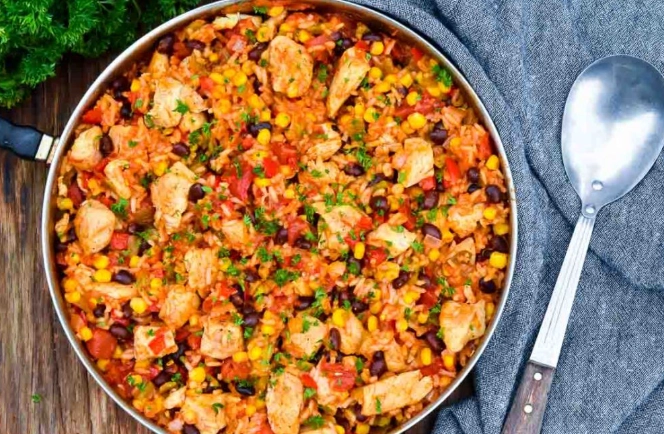
The Flavor Powerhouses
- Achiote Paste (Annatto Paste): This is the MVP, the secret weapon. It's a dense paste made from annatto seeds, spices, and sometimes vinegar. It gives the chicken its distinctive earthy, slightly peppery flavor and that incredible orange-red hue. Don't skip it. Find it in the international aisle or at a Latin market. If you're in a true bind, a mix of paprika and a pinch of turmeric can mimic the color, but not the unique taste.
- Fresh Citrus Juice: A combination of orange and lime juice is magic. The orange adds a touch of sweetness and helps tenderize, while the lime brings the essential bright acidity. Bottled juice? It works in a pinch, but fresh makes a noticeable difference. I tried bottled once and the marinade tasted flat, almost tinny.
- Garlic: Lots of it. Freshly minced or pressed garlic is non-negotiable. Powder won't give you that pungent, aromatic kick that infuses the meat.
The Supporting Cast (Still Crucial)
- Vinegar: A small amount (white or apple cider) boosts the acidity, helping the marinade penetrate and adding another layer of tang.
- Spices: Ground cumin, dried oregano (Mexican oregano if you can find it), and black pepper. These round out the flavor profile with warmth and herbaceous notes.
- Oil: A neutral oil like vegetable or canola helps emulsify the marinade and coat the chicken evenly.
- Salt: Seasoning from the inside out. Kosher salt is my go-to.
The Step-by-Step: Building Your Best Fiesta Chicken
Alright, let's get our hands dirty. This isn't a dump-and-go situation. A little care here pays off massively on the plate.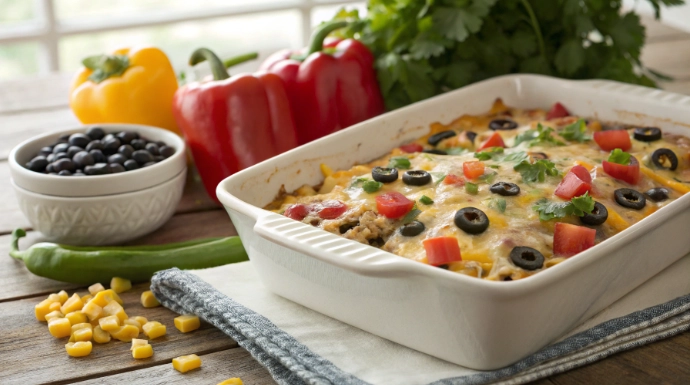
Step 1: Make the Marinade
In a blender or food processor, combine: 3 tablespoons of achiote paste, juice of 2 oranges and 2 limes, 6-8 cloves of garlic, 2 tablespoons of vinegar, 1 tablespoon of ground cumin, 2 teaspoons of dried oregano, 1.5 teaspoons of black pepper, 1/3 cup of oil, and 1.5 tablespoons of kosher salt. Blitz it until it's completely smooth. You're aiming for a loose, pourable paste. Taste it? It should be bold, salty, tangy, and earthy. If it blows your mind raw, imagine what it'll do to chicken.
Step 2: Marinate the Chicken
Use bone-in, skin-on chicken thighs. Trust me. They stay juicier and have more flavor than breasts. Breasts can dry out if you're not super careful. Place 3-4 pounds of thighs in a large, resealable plastic bag or a glass dish. Pour the marinade over them, making sure every nook and cranny is coated. This is where the magic starts. Seal it up and refrigerate.
Marinating Time – The Big Question: How long? At a minimum, 4 hours. Overnight is the gold standard—8 to 12 hours. That long soak is what transforms good chicken into the best Fiesta chicken recipe caliber. I've rushed it at 2 hours before, and while it was tasty on the outside, the flavor hadn't traveled to the center. Patience is a key ingredient here.
Step 3: Cooking Methods Compared
This is where you choose your own adventure. The goal is a caramelized, slightly charred exterior and fully cooked, succulent interior.
| Method | How-To | Pros | Cons / Watch-Outs |
|---|---|---|---|
| Charcoal/Gas Grill | Preheat to medium-high (about 400°F/200°C). Grill skin-side down first for 6-8 mins to render fat and get crisp skin. Flip and cook for another 10-15 mins until internal temp hits 175°F for thighs. | Authentic smoky flavor, beautiful char, renders fat perfectly. | Can flare-up from dripping marinade. Keep a spray bottle handy. |
| Cast Iron Grill Pan (Indoor) | Get the pan screaming hot. Cook similarly to the grill, but you may need to do it in batches. Finish in a 375°F oven if needed. | Great grill marks and crust when you can't go outside. My winter go-to. | Smoke alarm might protest. Use your hood fan on high! |
| Oven Baking | Place on a rack over a baking sheet. Bake at 425°F (220°C) for 25-35 mins, until crispy and cooked through. Broil for last 2 mins for color. | Hands-off, consistent, no flare-ups. Good for large batches. | Lacks the smoky char. Skin can be less crispy unless broiled. |
My personal favorite? Charcoal grill, no contest. But the cast iron method delivers about 90% of the experience and is what I use most often.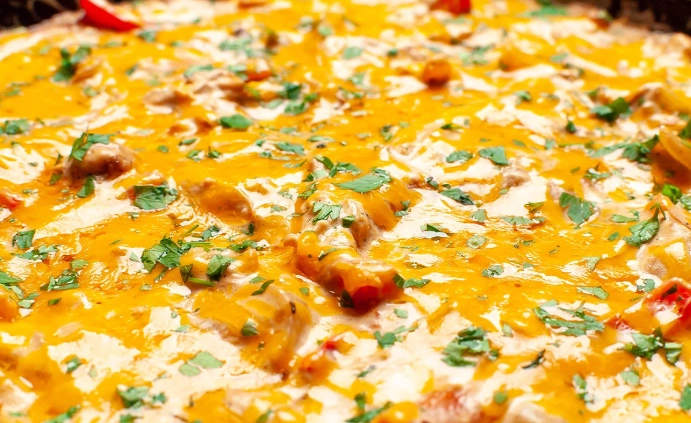
Answering Your Fiesta Chicken Questions (FAQ)
I get asked these all the time, so let's tackle them head-on.
- Warm Corn Tortillas: Essential for making tacos.
- Spanish Rice & Refried Beans: The classic comforting sides.
- A Trio of Salsas: A fresh Pico de Gallo, a creamy avocado crema, and a fiery roasted habanero salsa for the brave.
- Grilled Onions & Peppers: Toss them on the grill while the chicken rests.
- Lime Wedges & Fresh Cilantro: For that final brightening touch.
Pro Tips & Common Mistakes to Avoid
These insights come from my own fails and wins.
- Don't Rush the Marinate: Said it before, saying it again. Overnight is king.
- Pat Chicken Dry Before Cooking: After pulling it from the marinade, use a paper towel to dab off the excess. This helps with browning and prevents steaming.
- Let it Rest: Once off the heat, let the chicken sit for 5-10 minutes tented with foil. This allows the juices to redistribute. Cutting in immediately sends all those precious juices onto your cutting board.
- Storage & Reheating: Leftovers keep for 3-4 days. Reheat gently in a skillet with a tiny splash of water or in the oven covered with foil. The microwave will make it rubbery.
One mistake I made early on was using a marinade with too much vinegar and not enough oil and citrus. The chicken turned out with an almost pickled, tough exterior. Balance is everything.
Why This Recipe Stands Out
Look, there are a million chicken recipes online. What makes this one worth your time? It’s built on understanding, not just a list. It explains the role of achiote, insists on the right cut and marinating time, and gives you real-world options for cooking. It’s designed to work, not just look good in a photo. It’s the cumulative result of wanting to recreate a restaurant favorite and nailing it through trial, error, and a bit of research into traditional flavors. The website Mexico in My Kitchen, run by cookbook author Mely Martínez, offers fantastic insight into authentic Mexican grilling techniques that heavily influenced my approach.
So, is this truly the best Fiesta chicken recipe? I think so. It’s become a staple in my home, for weeknight dinners and for feeding a crowd. It’s reliable, deeply flavorful, and always gets asked for. Give it the time it deserves, and I’m confident it’ll become a fiesta favorite in your home too.
Now go fire up that grill (or grill pan). Your fiesta awaits.
Reader Comments