Quick Navigation
Let's be real for a second. You're not looking for a fancy, chef-style project that dirties every pot in the kitchen. You want something warm, satisfying, and basically cooks itself while you do other things. A meal that feels like a hug. That's what a good beef stew is, and making it on the stove is the most straightforward way to get there. No slow cooker to dig out, no oven to heat up the whole house. Just one heavy pot, some simple ingredients, and a bit of patience.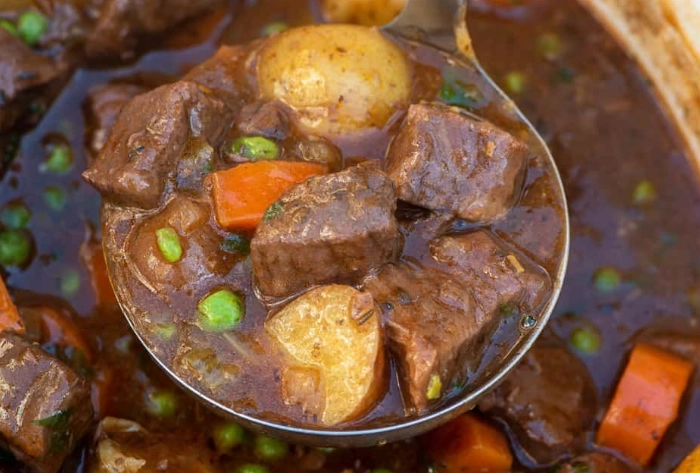
I've tried a lot of recipes over the years. Some were too watery, others had tough meat, and a few just tasted... bland. It took me a few disappointing dinners to figure out the few simple tricks that make all the difference. This easy beef stew recipe on the stove with potatoes is my gold standard now. It's forgiving, flexible, and consistently delicious.
Why This Stovetop Method Just Works Better (For Most of Us)
Sure, you can make stew in a slow cooker or the oven. But the stovetop gives you control. You can see what's happening, adjust the heat instantly, and build flavors layer by layer right in front of you. It's active enough to feel like you're cooking, but relaxed enough that you can step away for 20 minutes at a time. The goal of this easy beef stew recipe on stove with potatoes is maximum flavor with minimal fuss.
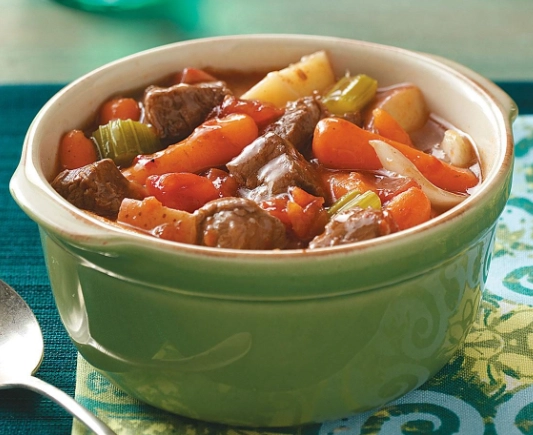
What are we aiming for? Tender beef that falls apart with a fork, soft but not mushy potatoes and carrots, and a gravy that's thick and glossy, not thin and soupy. It's totally achievable.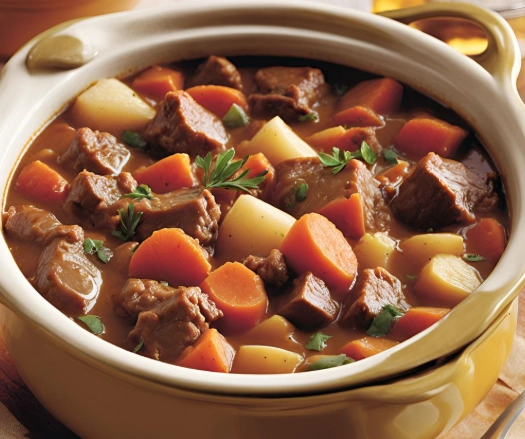
Gathering Your Cast of Characters (The Ingredients)
This isn't a treasure hunt. Most of this stuff is probably in your kitchen already, or easy to find. The beauty of an easy beef stew recipe on the stove with potatoes is in its simplicity.
For a gluten-free version, use a 1:1 GF flour blend or cornstarch (see FAQ).
No celery? Use a pinch of celery seed or just skip it. It'll still be good.
Fresh is best here. Don't sub with powder at this stage.
Cook it for a minute with the veggies until it darkens slightly. This removes any tinny flavor.
Use a wine you'd drink. No wine? Use extra broth and a splash of red wine vinegar or balsamic at the end.
Low-sodium is best so you can control the salt. A good quality broth makes a difference.
Yukon Gold are my favorite – they hold their shape but get creamy. Russets will thicken more but can fall apart.
Dried thyme is fine. Fresh is lovely if you have it. Remember to fish out the bay leaves before serving!
A must-have in my book. Soy sauce can work in a pinch.
| Ingredient | Why It's Here | Notes & Swaps |
|---|---|---|
| Beef Chuck Roast (2 lbs) | The star. Chuck has great marbling (fat), which melts during cooking, basting the meat from within and making it incredibly tender. | Don't use lean cuts like sirloin – they'll get dry and tough. Look for well-marbled chunks. Stew meat from the store is often chuck, but cutting your own from a roast is cheaper and better. |
| All-Purpose Flour (1/4 cup) | Coats the beef for browning and helps thicken the stew later. A double-duty ingredient. | |
| Onions, Carrots, Celery (The "Holy Trinity") | The flavor foundation. They sweeten and deepen the overall taste. | |
| Garlic (3-4 cloves) | Adds a punch of aroma. Always add it after the onions so it doesn't burn. | |
| Tomato Paste (2 tbsp) | The secret weapon for richness and color. It adds umami without a strong tomato taste. | |
| Red Wine (1 cup) or Broth | Deglazes the pot, lifting all the tasty browned bits (fond). Adds acidity and complexity. | |
| Beef Broth (4 cups) | The cooking liquid. It becomes your gravy. | |
| Potatoes (1.5 lbs) | For heartiness. They soak up the stew flavors and thicken the liquid a bit as they cook. | |
| Bay Leaves, Thyme | Classic herbal notes. They infuse slowly without overpowering. | |
| Worcestershire Sauce | A flavor booster. It adds a savory, slightly tangy depth. |
See? Nothing crazy. The trick is in how you use them.
The Step-by-Step: Where the Magic Happens
This isn't just a dump-and-go recipe. We're building flavors. Think of it like constructing a house – you need a solid foundation. Each step has a purpose.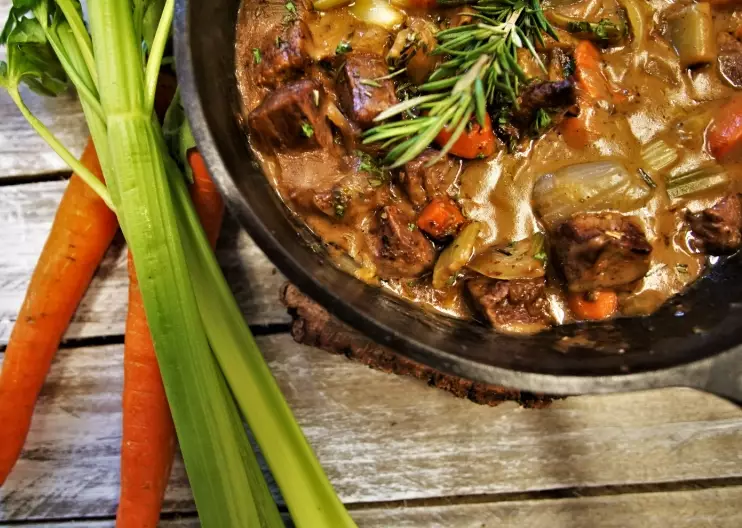
Step 1: Prep is Everything (Don't Skip This)
Cut your beef into 1.5-inch cubes. Pat them absolutely dry with paper towels. This is non-negotiable. Wet meat steams; dry meat browns. Toss the dry cubes with the flour, salt, and pepper. Chop your onions, carrots, and celery into hearty chunks – they'll cook for a long time, so don't make them tiny. Peel and cube your potatoes slightly larger than the beef cubes.
Step 2: Brown the Beef. For Real.
Heat a couple tablespoons of oil in a large, heavy-bottomed pot or Dutch oven over medium-high heat. Don't use a thin pot – it'll scorch. Add the beef in a single layer with space between the pieces. You will probably need to do this in 2 or 3 batches.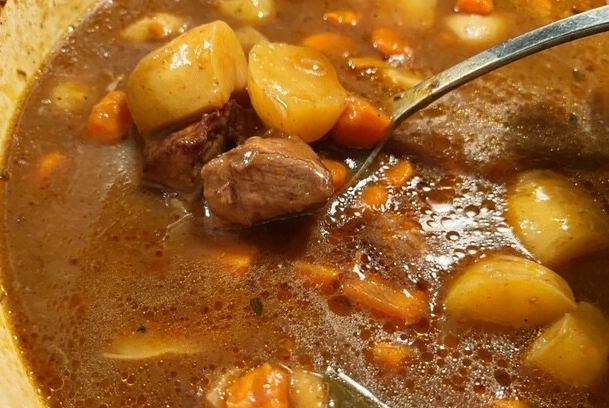
Walk away. Let it sit for 3-4 minutes until a deep brown crust forms on one side, then flip. This browning (the Maillard reaction) is where huge flavor develops. If you stir it around too soon, you'll just get gray meat. Take your time here. It's the most important step for a flavorful easy beef stew recipe on the stove with potatoes.
Step 3: Build the Flavor Base
Once all the beef is browned and set aside, in the same pot (with all those glorious browned bits), add a bit more oil if needed and toss in the onions, carrots, and celery. Cook for 5-7 minutes until they start to soften and the onions get translucent. Add the garlic and tomato paste. Stir and cook for another minute – you'll smell the tomato paste get sweet and rich.
Step 4: The Big Simmer
Pour in the red wine (or broth). Use a wooden spoon to scrape up every last bit of browned fond from the bottom of the pot. This is liquid gold. Let it bubble for a minute to cook off the raw alcohol. Add the beef back in, along with any juices. Pour in the beef broth until the meat is just about covered. Add the Worcestershire, bay leaves, and thyme. Bring it to a very gentle simmer.
This is where you relax.
Reduce the heat to low, cover the pot with the lid slightly ajar (to let some steam escape and prevent it from boiling), and let it simmer gently for about 1 hour and 15 minutes. Check occasionally to ensure it's just bubbling lightly.
Step 5: Add the Potatoes and Finish
After the meat has become fork-tender, add the potato chunks. Submerge them in the liquid. Cover again and simmer for another 30-45 minutes, until the potatoes are cooked through but not disintegrating.
Now, assess your gravy. Is it thick enough? If it's too thin, mix a tablespoon of flour with two tablespoons of soft butter into a paste (a beurre manié). Whisk small bits of this paste into the simmering stew until it thickens to your liking. For a clearer gravy, you can make a slurry with cornstarch and cold water. Season with salt and pepper at the very end, after it's reduced to its final consistency.
Fish out the bay leaves. Seriously, don't forget.
Answers to the Questions You're Probably Asking (FAQ)
Too thick: Easy fix. Just stir in a little more beef broth, water, or even a splash of red wine until it reaches your preferred consistency.
Leveling Up Your Stew Game: Tweaks & Twists
Once you've mastered the basic easy beef stew recipe on the stove with potatoes, have fun with it.
- Mushroom Love: Add a cup of sliced cremini mushrooms when you sauté the onions. They add an earthy, savory depth.
- Root Vegetable Swap: Try parsnips or turnips along with (or instead of) some carrots. Sweet potatoes are a great alternative to regular potatoes for a different vibe.
- Herb Switch: A tablespoon of fresh rosemary, chopped fine, added with the thyme is fantastic. Just know rosemary is stronger, so use less.
- Umami Bomb: Stir in a teaspoon of fish sauce or a couple of anchovy fillets (they'll dissolve) with the tomato paste. Sounds weird, but it adds incredible savory depth without tasting fishy.
So there you have it. A complete, no-nonsense guide to making a fantastic easy beef stew recipe on the stove with potatoes. It's not about fancy techniques, just good ingredients treated right. Give it a shot on a lazy weekend. Your kitchen will smell amazing, and you'll have a pot of comfort that lasts for days.
What do you think? Are you a bay leaf believer, or do you skip it? Let me know if you try any of the twists.
Reader Comments