Let's be honest. A lot of slow cooker chicken stew recipes are bland. You throw everything in, wait eight hours, and end up with a pot of mushy vegetables and chicken that tastes like... well, nothing. It's disappointing. After years of testing (and yes, failing), I've cracked the code. This isn't just another "dump-and-go" recipe. It's a foolproof method for a stew with deep, savory flavor and perfectly tender chicken every single time, without needing to babysit the stove. Forget the bland stuff. This is the ultimate comfort food that works for your schedule.
What's Inside This Stew Guide?
- The One Mistake That Ruins Most Slow Cooker Stews
- Your Flavor Arsenal: Ingredients Explained
- The Actual Step-by-Step Process (It's Not What You Think)
- Chicken Cut Showdown: Thighs vs. Breasts
- How to Make a Luxurious Creamy Chicken Stew
- Storing, Freezing, and Reheating Like a Pro
- Your Slow Cooker Stew Questions, Answered
The One Mistake That Ruins Most Slow Cooker Stews
Everyone says you don't need to brown the meat. They're wrong. Well, mostly wrong. Skipping the sear on your chicken (especially if using thighs) and skipping the step of sautéing your onions and garlic is the fast track to a flat-tasting stew. The Maillard reaction—that beautiful browning—creates hundreds of complex flavor compounds that a slow cooker on its own simply cannot replicate.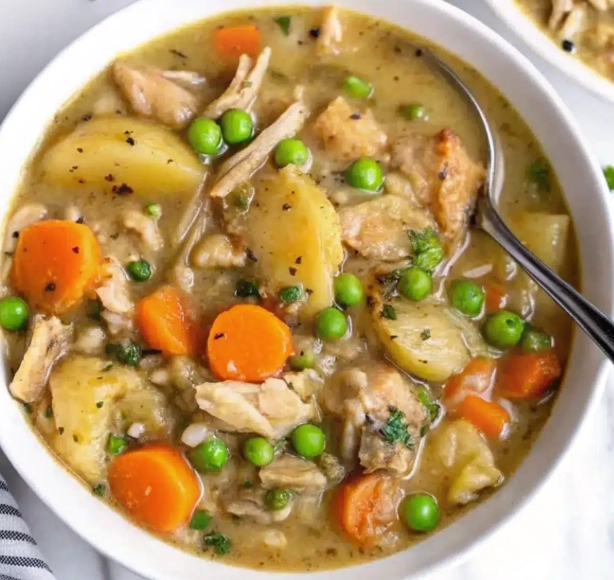
But I'm not asking you to dirty every pan in the kitchen. Here's the compromise that changed everything for me: Use your slow cooker's sauté function if it has one. Brown the chicken in batches right in the insert, remove it, then soften your onions and garlic in the leftover fond. If your cooker doesn't sauté, a 5-minute effort in a skillet makes a world of difference. It's the single biggest upgrade you can make.
Your Flavor Arsenal: Ingredients Explained
This is where we move from generic to exceptional. Let's talk about why each ingredient is here.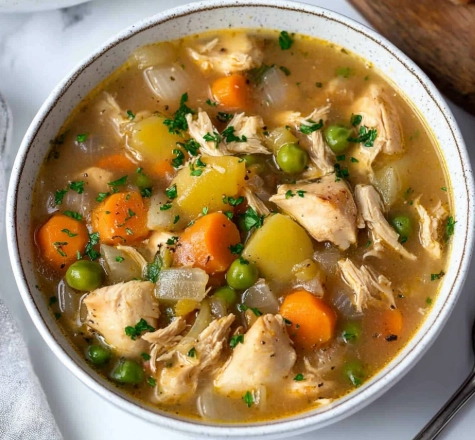
- Chicken Thighs (Bone-in, Skin-on): The undisputed champion for slow cooking. The bones add gelatin for body, the skin adds flavor to the broth, and the dark meat stays juicy for hours. You'll remove the skin later, but its fat does the work.
- Tomato Paste: This isn't for tomato flavor. Cooked for a minute after the onions, it adds a deep, savory umami backbone (a trick I learned from reading about the science of braising on Serious Eats).
- Dried Thyme & Bay Leaf: Fresh herbs can turn bitter over long cooks. Dried thyme and a bay leaf are your sturdy, reliable friends here.
- Worcestershire Sauce: The secret weapon. It adds a complex, fermented tang that brightens the rich stew without being identifiable.
- Potatoes & Carrots: Cut them into large, 1.5-inch chunks. Small pieces will disintegrate. I prefer Yukon Golds—they hold their shape but also break down a little to thicken the stew naturally.
- Frozen Peas: Added in the last 15 minutes. They provide color and a sweet pop. Adding them early makes them gray and mushy.
The Actual Step-by-Step Process (It's Not What You Think)
Here’s the detailed walkthrough, assuming you have a 6-quart slow cooker.
Phase 1: The Flavor Foundation (15 Minutes)
Pat your chicken thighs dry with paper towels. Season aggressively with salt and pepper. Heat a tablespoon of oil in your slow cooker insert (on sauté) or in a skillet over medium-high heat. Brown the thighs, skin-side down first, for 4-5 minutes until golden. Flip and brown the other side for 3 minutes. Don't crowd them—do it in batches. Transfer to a plate. The chicken will not be cooked through. That's perfect.
If using the same insert, add the diced onion. Cook for 4-5 minutes until soft. Add the minced garlic and tomato paste. Cook, stirring, for 1 minute until the paste darkens slightly. This step is non-negotiable for flavor depth.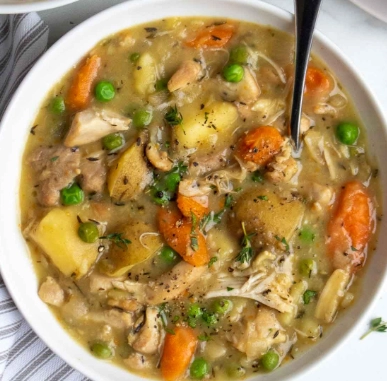
Phase 2: The Slow Build (5 Minutes Assembly)
To the insert with the onions, add the chicken broth, Worcestershire sauce, dried thyme, and bay leaf. Scrape up any browned bits from the bottom—that's pure flavor. Place the browned chicken thighs back in, along with any accumulated juices. Nestle the large potato and carrot chunks around the chicken. The liquid should come about halfway up the chicken and veggies.
Phase 3: The Patient Wait
Cover and cook on LOW for 7-8 hours. I strongly prefer LOW. HIGH (4-5 hours) can cause the chicken to become stringy and the vegetables to overcook on the edges. About 30 minutes before serving, remove the chicken thighs to a cutting board. Discard the skin and bones (they'll fall right off), and shred the meat into large chunks using two forks.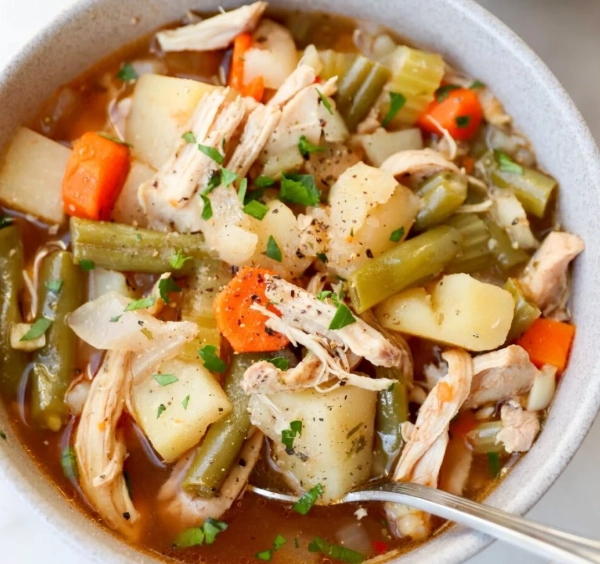
Chicken Cut Showdown: Thighs vs. Breasts
This decision makes or breaks your stew's texture. Here’s a direct comparison.
| Cut | Best For... | Texture After 8 Hours | Flavor Contribution | My Verdict |
|---|---|---|---|---|
| Bone-in, Skin-on Thighs | The ultimate stew. Forgiving, luxurious. | Juicy, tender, shreds perfectly. | Rich, adds body and gelatin to broth. | Winner. No contest. |
| Boneless, Skinless Thighs | Weeknight convenience. Still very good. | Moist and tender. | Good chicken flavor, less rich broth. | Excellent runner-up. |
| Boneless, Skinless Breasts | Those who only eat white meat. | Can become dry and stringy if overcooked. | Mild. Broth will be leaner. | Use with caution. Cook on LOW for 5-6 hrs max. |
| Whole Chicken Pieces | A traditional, rustic approach. | Mix of textures (white & dark meat). | Excellent, full-bodied broth. | Great flavor, more work to shred. |
How to Make a Luxurious Creamy Chicken Stew
Want something richer, like a chicken stew with a gravy-like sauce? It's an easy pivot. Follow the recipe exactly until the end. After you've removed the chicken to shred it and before you add the slurry, stir in 1/2 cup of heavy cream or full-fat coconut milk. Then proceed with the cornstarch slurry. The cream adds a velvety richness that's incredible on a cold day. For a tangy twist, stir in a couple of tablespoons of sour cream or cream cheese at the very end instead.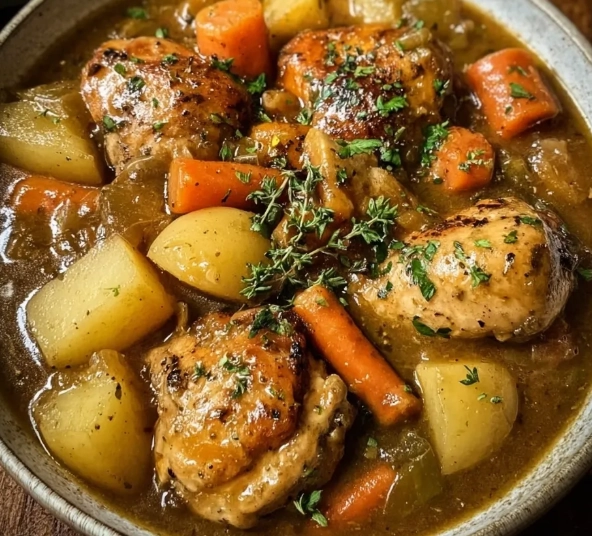
Just avoid adding dairy at the beginning. Long cooking can cause it to separate or curdle.
Storing, Freezing, and Reheating Like a Pro
This stew gets better the next day. Cool it completely before storing.
Fridge: In an airtight container for up to 4 days.
Freezer: Portion into freezer-safe bags or containers for up to 3 months. Thaw overnight in the fridge.
Reheating: Gently warm on the stovetop over medium-low heat, stirring occasionally. If it seems too thick, add a splash of broth or water. The microwave works, but stir every 90 seconds to heat evenly.
The potatoes may absorb more liquid when stored, making the stew thicker. That's normal. Just adjust with a little broth when reheating.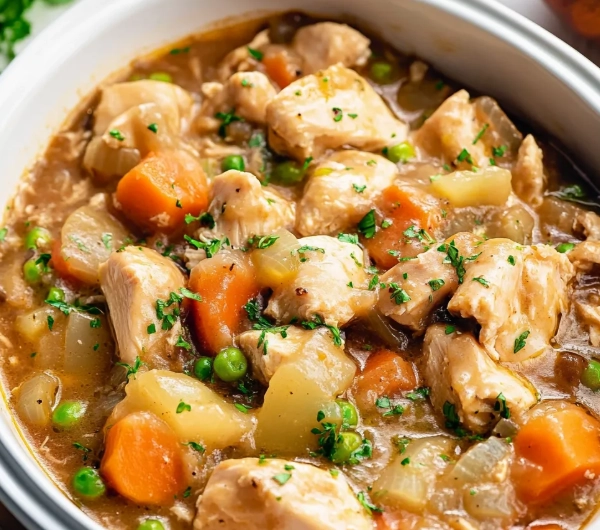
Reader Comments