I almost threw out my slow cooker after a decade of service. It made great stews, sure, but it felt like a one-trick pony. Then, one desperate winter evening with a house full of guests and no dessert planned, I stumbled on a revelation: slow cooker pudding recipes. Not the dense, steamed kind, but a creamy, spoonable, soul-warming custard that cooked itself while we ate dinner. It changed everything. If you think your slow cooker's job ends with pulled pork, you're missing out on its true dessert potential.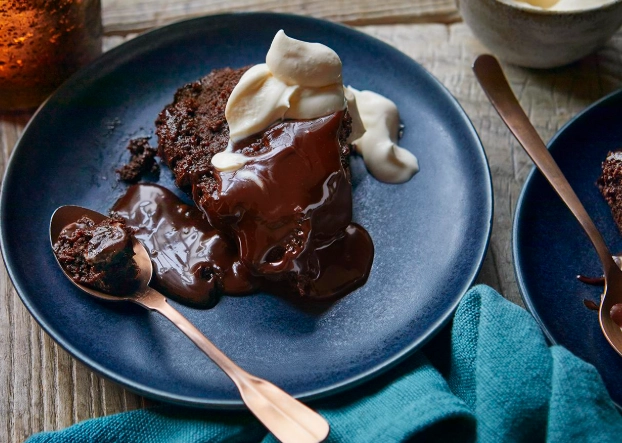
In This Article
Why a Slow Cooker Makes Unbeatable Pudding
It comes down to physics. An oven blasts dry, radiant heat. A stovetop requires constant stirring over direct flame. A slow cooker surrounds your dish with gentle, moist, consistent heat. This is the perfect environment for a custard-based pudding.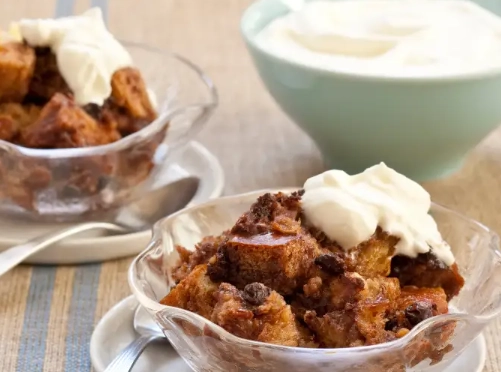
Eggs and dairy hate sudden temperature changes—they curdle. The slow cooker's low-and-slow approach coaxes them into setting smoothly, without the risk of scrambling. You get a texture that's consistently silky from edge to center, with none of the skin that forms on a stovetop pudding. It's hands-off. You mix, you pour, you walk away for 3-4 hours. It's the definition of a set-and-forget dessert.
The Non-Negotiable Gear You Actually Need
You don't need fancy equipment, but you do need the right equipment. Using the wrong dish is the fastest route to a failed pudding.
A Proper Baking Dish: Do not pour your pudding mixture directly into the stoneware crock. It will cook too quickly at the edges and burn. You need a separate heatproof dish that fits inside your slow cooker. A 1.5 to 2-quart round or oval ceramic, glass, or metal baking dish is perfect. The key test? It should sit comfortably in the crock with at least a half-inch gap around the sides.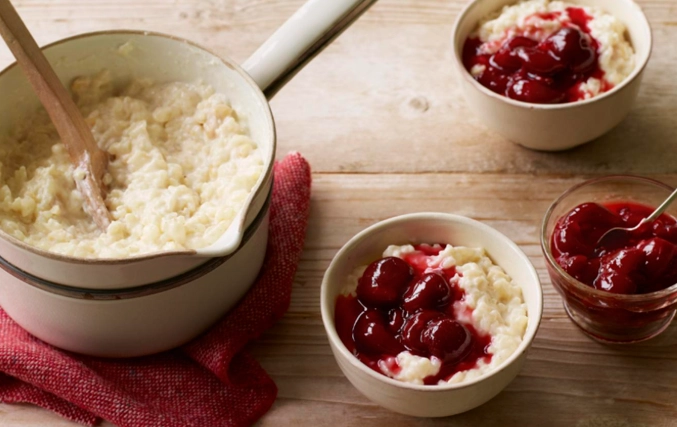
A Trivet or Ring of Foil: Your dish needs to be lifted off the bottom of the crock. Most slow cookers are hottest at the base. Placing the dish directly on it will cook the bottom too fast. Use the little metal trivet that came with your cooker, or create a "sling" by crumpling a long piece of aluminum foil into a ring. This allows hot water to circulate underneath for even cooking.
Your Trusty Slow Cooker: Any size from 4-quart and up works, as long as that baking dish fits. The model doesn't matter.
The Ultimate Slow Cooker Chocolate Pudding
This is the recipe that made me a believer. It's deeply chocolatey, not too sweet, and has the texture of a perfect pot de crème. It's my go-to for dinner parties because I can start it as I'm prepping the main course.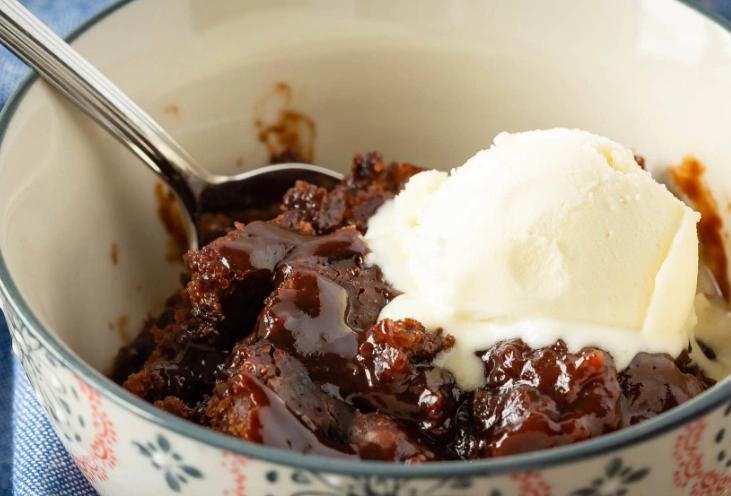
Slow Cooker Chocolate Pudding
Cook Time: 3-4 hours on LOW | Serves: 6
Ingredients:
- 2 cups whole milk (see, I told you—full fat!)
- 1 cup heavy cream
- 4 large egg yolks
- 1/2 cup granulated sugar
- 1/4 cup cornstarch
- 1/4 tsp fine sea salt
- 6 oz high-quality semi-sweet chocolate, finely chopped
- 2 tsp pure vanilla extract
- 1 tbsp unsalted butter
Method:
First, get your setup ready. Place your trivet or foil ring in the bottom of your slow cooker. Pour in enough hot water to come about halfway up the sides of your empty baking dish (you'll measure this by placing the dish in now). Take the dish out. Turn the slow cooker to LOW.
In a medium saucepan, heat the milk and cream over medium heat until it just starts to steam—small bubbles around the edges. Don't let it boil. While that heats, in a separate bowl, whisk the egg yolks, sugar, cornstarch, and salt until smooth and pale.
Here's the critical step: tempering. Slowly, while whisking constantly, pour about half of the hot milk mixture into the egg mixture. Go slow. You're raising the temperature of the eggs gently. Now, pour this combined mixture back into the saucepan with the remaining milk.
Return the pan to medium heat. Cook, whisking constantly, until the mixture thickens noticeably and large bubbles break the surface. This takes about 3-5 minutes. It will look like a thick pastry cream. Remove from heat.
Immediately whisk in the chopped chocolate, vanilla, and butter until completely smooth and glossy.
Pour the pudding into your prepared baking dish. Cover the dish tightly with foil. Carefully place it on the trivet in the slow cooker. Cover with the slow cooker lid.
Cook on LOW for 3 to 4 hours. The center should be set with a slight jiggle when you gently nudge the cooker. It firms up as it cools. Carefully remove the dish, let it cool on a rack, then refrigerate for at least 4 hours before serving.
A Zesty, Self-Saucing Lemon Pudding
This one is magic. You make one batter, and as it cooks, it separates into a fluffy sponge cake on top with a tangy lemon sauce underneath. It's a classic that feels fancy but is embarrassingly simple.
Self-Saucing Lemon Pudding
Cook Time: 2.5-3.5 hours on HIGH | Serves: 4-6
Ingredients:
- 3/4 cup granulated sugar
- 1/4 cup all-purpose flour
- Pinch of salt
- 3 large eggs, separated
- 1 1/3 cups whole milk
- Zest of 2 lemons
- 1/3 cup fresh lemon juice
- 2 tbsp unsalted butter, melted
- 1 tsp vanilla extract
- Powdered sugar, for dusting
Method:
Setup your slow cooker with the trivet and hot water as before, but this time set it to HIGH.
In a bowl, whisk together 1/2 cup of the sugar, the flour, and salt. In another bowl, whisk the egg yolks, milk, lemon zest, lemon juice, melted butter, and vanilla. Gradually whisk the wet ingredients into the dry ingredients until just combined.
In a clean, dry bowl, beat the egg whites with an electric mixer until soft peaks form. Gradually add the remaining 1/4 cup sugar, beating until stiff, glossy peaks form.
Gently fold the egg whites into the lemon batter in three additions. Don't overmix; a few streaks are fine. Pour the batter into your prepared dish. It will be quite liquid. Cover with foil.
Place the dish in the slow cooker, cover, and cook on HIGH for 2.5 to 3.5 hours. The top should be golden, set, and springy to the touch. A skewer inserted into the cakey part should come out clean, but the bottom will be saucy.
Let it cool for 30 minutes before dusting with powdered sugar and serving warm.
Expert Tips & The One Mistake Everyone Makes
After making dozens of these puddings, you see patterns. Here’s what separates a good pudding from a great one.
The Pre-Heat Rule: Always pre-heat your slow cooker with the hot water bath before adding the pudding dish. Adding a cold dish to a cold cooker extends the cooking time massively and can lead to uneven setting. Starting with a warm, humid environment is key.
Lid Discipline: This is the big one. Every time you lift the lid, you release a massive amount of heat and steam. It can add 15-20 minutes to your cook time. Trust the process. Only peek once you're in the final hour of the estimated time, and even then, be quick.
Fat is Flavor (and Texture): I see recipes online trying to make "healthy" slow cooker pudding with skim milk and egg substitutes. It doesn't work. The chemistry needs the fat and proteins in whole dairy and real eggs to create the right structure and mouthfeel. This is a dessert. Enjoy it.
The Cool Down: Patience. The pudding continues to set as it cools. That slight jiggle in the center will firm up in the fridge. Rushing to serve it warm often means serving it soupy. For custard puddings, an overnight chill is ideal.
Your Slow Cooker Pudding Questions, Answered
The beauty of slow cooker pudding recipes is their reliability. They turn a potentially finicky dessert into a guaranteed success. It’s about working with the appliance’s nature, not against it. Give that chocolate recipe a try this weekend. Mix it, set it, forget it. You might just find your slow cooker's second act.
Reader Comments