You're making a big batch of truffles, or maybe you need a steady supply of melted chocolate for a fountain at a party. The microwave is finicky—ten seconds too long and you've got burnt, grainy sludge. The classic double boiler works, but it's hands-on and takes up a burner. Then you glance at your slow cooker, sitting quietly on the counter. A wild thought crosses your mind: can you use a slow cooker to melt chocolate?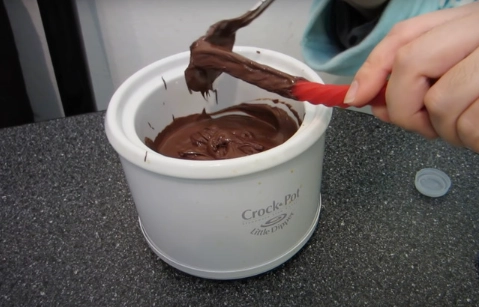
The short, definitive answer is yes, you absolutely can. In fact, for certain tasks, it's a secret weapon for achieving perfectly smooth, consistently warm chocolate with almost zero risk of burning. But—and this is a big but—you can't just dump a bag of chips in and walk away for four hours. There's a specific, fail-safe method that turns your slow cooker into the most reliable chocolate melter in your kitchen.
What's Inside This Guide?
The Slow Cooker Method: Step-by-Step
Forget everything you know about slow-cooking stews. Melting chocolate is a different game that requires a lighter touch. Here’s the professional-grade approach I've used for years after a disastrous first attempt (more on that later).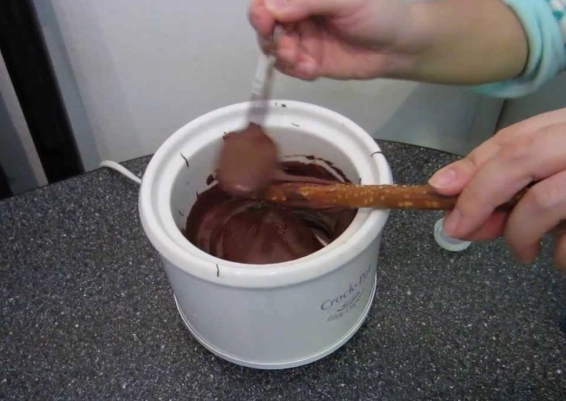
- Prepare the Slow Cooker: Pour about 1 to 2 inches of warm water into the ceramic insert of your slow cooker. You don't need a lot—just enough to create steam and gentle, indirect heat. Turn the slow cooker to the LOW setting. Do not use HIGH.
- Set Up Your Double Boiler: Place your heatproof bowl with the chocolate inside the slow cooker, ensuring the bottom of the bowl is not submerged in the water. You're creating a classic bain-marie or double boiler environment. This is the non-negotiable key to preventing scorching.
- Melt with Patience: Leave the lid OFF or very slightly ajar. This is critical. A sealed lid traps steam, which can condense and drip into your chocolate, causing it to "seize" (turn into a gritty mess). Let the chocolate warm slowly, which will take 45 minutes to 1.5 hours depending on the quantity.
- Stir Frequently: Every 15-20 minutes, give the chocolate a gentle but thorough stir with a dry utensil. This promotes even melting and lets you monitor the texture. You'll see it go from shards, to a lumpy mass, to a gloriously smooth, glossy liquid.
- Use or Hold: Once fully melted and smooth, you can turn the slow cooker to the WARM setting (if it has one) to hold the chocolate at a perfect dipping or drizzling consistency for hours. Just remember to give it an occasional stir.
Why Choose a Slow Cooker Over Other Methods?
Let's break down how the slow cooker stacks up against the usual suspects. It's not always the best tool, but for specific jobs, it's unbeatable.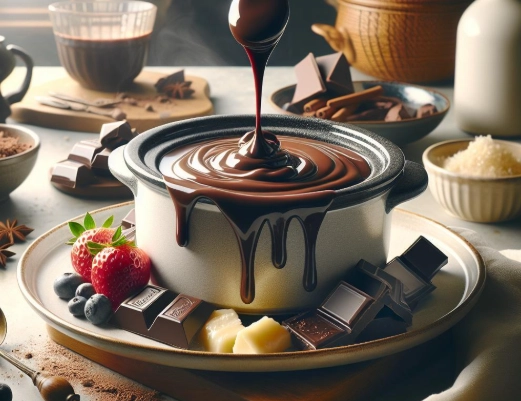
| Method | Best For | Biggest Risk | Hands-On Time |
|---|---|---|---|
| Slow Cooker (Double Boiler Style) | Large batches, keeping chocolate warm for hours (fountains, parties), milk or white chocolate (which burn easily). | Water or condensation getting into chocolate. | Low (just occasional stirring) |
| Microwave | Speed, melting small amounts (under 8 oz). | Overheating and scorching in seconds. Hot spots. | Medium (requires vigilant 15-30 sec bursts) |
| Stovetop Double Boiler | Precision, any batch size, when you need it ready in 10-15 mins. | Boiling water touching the bowl, steam condensation. | High (must monitor constantly) |
| Direct Low Heat Saucepan | ...Honestly, not much. I avoid this. | Extremely high risk of burning. Not recommended. | Very High |
The slow cooker's win is in its consistent, gentle, and forgiving heat. My friend Sarah runs a small home bakery, and she swears by her slow cooker for melting the chocolate for her signature chocolate-dipped orange peels. "I can prep other components while it slowly comes to perfection," she says. "I'd never trust a microwave with a 5-pound batch of couverture."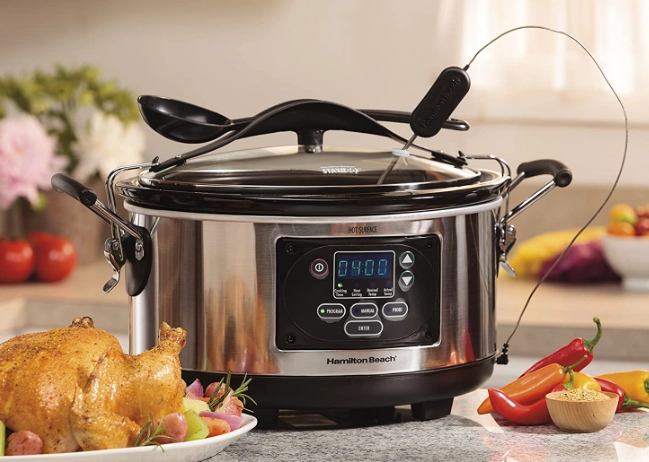
The 3 Most Common Mistakes (And How to Avoid Them)
I learned these the hard way. My first time, I thought I was a genius for putting the chocolate directly into the crock. The result was a layer of perfectly melted chocolate... glued to a layer of irredeemably burnt chocolate at the bottom. Here’s what went wrong and how you can skip that heartbreak.
1. Putting Chocolate Directly in the Crock
Even on 'Low,' the heating elements in a slow cooker create hot spots on the ceramic insert. Chocolate is incredibly sensitive to direct heat. The bottom layer will scorch long before the top melts. Always use a bowl. It's the barrier that makes the method work.
2. Using the Lid
It feels counterintuitive. You lid everything in a slow cooker. But here, the lid is the enemy. The condensation that makes pot roast tender will make your chocolate seize. Seized chocolate looks gritty and thick, like dry clay. If it happens, you can sometimes save it by vigorously stirring in a teaspoon of warm water or vegetable oil, but it's never quite the same. Leave the lid off.
3. Impatience: Cranking it to High
High heat is a shortcut to a ruined batch. Chocolate melts at a relatively low temperature (around 86°F to 90°F for cocoa butter). High heat forces it to melt too quickly, risking burning the sugars and fats. It also increases steam production, raising the risk of seizing. Low and slow isn't just a suggestion; it's the rule.
Does the Type of Chocolate Matter?
All chocolate can be melted in a slow cooker, but they behave differently.
Dark Chocolate (60% cocoa and above): The most forgiving. It has less sugar and milk solids to burn. Still, follow the rules.
Milk Chocolate & White Chocolate: These are the divas. They contain milk solids and more sugar, which scorch easily. This is actually where the slow cooker shines brightest. The ultra-gentle, indirect heat of the slow cooker method is arguably the best way to melt these without a worry. You get control that a microwave can't offer.
Chocolate Chips: They're designed to hold their shape. They contain stabilizers that make them melt less smoothly than baking chocolate bars. For a perfectly silky dip or glaze, use high-quality baking bars (like Ghirardelli, Callebaut) chopped up. For chunkier cookies or inclusions, chips are fine.
Your Chocolate Melting Questions, Answered
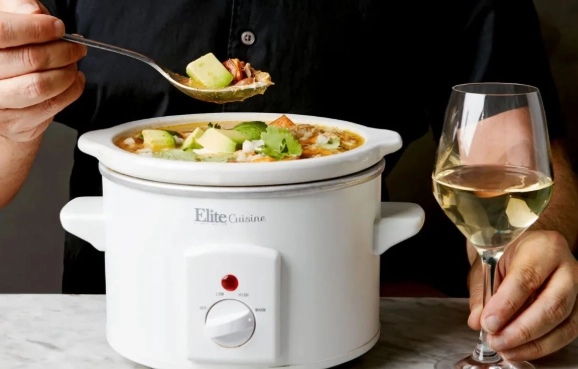
So, can you use a slow cooker to melt chocolate? Not only can you, but for certain tasks—large batches, temperamental milk chocolate, or long events where you need a steady supply—it might just become your preferred method. It trades a bit of speed for immense reliability. Just remember the golden rules: use a bowl, ditch the lid, stick to low heat, and stir. Your perfectly smooth, glossy chocolate awaits.
Reader Comments