Guide Overview
Let's be real. You threw your seasoned ground beef or turkey into the slow cooker this morning, set it on low, and headed out the door. Now it's hours later, maybe you got held up, and that nagging question pops into your head: how long can taco meat be in a crockpot before it becomes a science experiment? Is it still safe? Has it turned into leather? I've been there, staring at the pot, wondering if I just wasted a perfectly good dinner.
This isn't just about convenience; it's about safety. Getting this wrong can mean more than a tough meal—it can mean a real risk of food poisoning. And with so much conflicting advice online (some of it downright scary), it's hard to know what's right.
So, let's cut through the noise. I've dug into official food safety guidelines, talked to experienced home cooks, and learned from my own mistakes (like the time I overdid it and ended up with oddly dry, crumbly meat). This guide is your one-stop shop for everything related to how long taco meat can be in a crockpot, from the absolute maximum safe times to pro tips for keeping it juicy.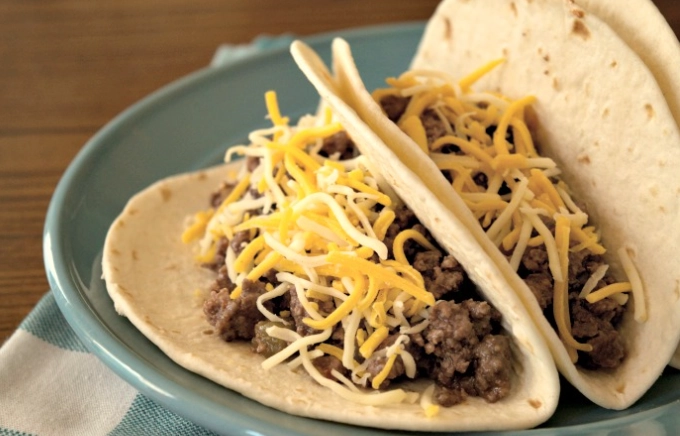
The Quick Answer You're Looking For
For fully cooked taco meat on the "Warm" setting, the general safety window is up to 2 hours. For active cooking on "Low" or "High," once the meat is fully cooked through (reaching 160°F or 165°F for poultry), it's best not to let it sit in the slow cooker for more than an additional 1-2 hours, as texture and quality will start to decline rapidly. For food safety, the total time in the temperature "danger zone" (40°F - 140°F) should never exceed 4 hours.
Why the "How Long" Question is So Important (It's Not Just Timing)
Thinking about how long can taco meat be in a crockpot isn't just setting a timer. It's about understanding what's happening inside that ceramic pot. Two big factors are at play: food safety and food quality. Ignore the first, and you risk getting sick. Ignore the second, and you end up with a disappointing meal, even if it's technically safe.
The core danger is something called the "Temperature Danger Zone." This is the range between 40°F and 140°F where bacteria like Salmonella, E. coli, and Staphylococcus aureus can grow like crazy, sometimes doubling in number every 20 minutes. Your slow cooker's main job is to push food through this zone as quickly as possible and keep it out.
When you first add cold meat to the pot, it spends time in this danger zone as it heats up. A good, functioning slow cooker should get it above 140°F within a few hours. The problem starts if the cooker is faulty, underfilled, or if you leave the lid off too much. But the bigger, more common issue happens after cooking. Once you switch to "Warm" or the heat cycles off, the temperature can drift back down into that danger zone over time.
The USDA is very clear on this: perishable food should not be left in the danger zone for more than 2 hours, or 1 hour if the room temperature is above 90°F. This clock starts ticking as soon as the food drops below 140°F.
Here's the kicker a lot of people miss: The "Warm" setting on many slow cookers hovers around 145°F to 165°F. That's great—it's above the danger zone. But not all "Warm" settings are created equal. An older model or one that's not working perfectly might keep food at a lower temperature, letting it slip into the danger zone without you knowing. That's why even on "Warm," there's a limit.
Then there's quality. Even if the meat is safe, nobody wants mushy, dry, or flavorless taco filling. Prolonged heating breaks down proteins and fats excessively, squeezing out moisture and turning your once-savory meat into a bland, grainy paste. The spices can also become bitter with too much heat.
The Safe Time Breakdown: A Detailed Timeline
Okay, let's get specific. The safe duration changes based on what your crockpot is doing. Here’s a clearer breakdown.
During Active Cooking (Low or High Setting)
This is the phase where you're trying to get the meat from raw to safely cooked. The clock for food safety isn't the main concern here, as the rising heat should keep you safe. The concern is overcooking.
- Ground Beef/Pork/Lamb: Cook until it reaches an internal temperature of 160°F. On Low, this typically takes 6-8 hours. On High, it's more like 3-4 hours. Once it hits 160°F, it's done. You can hold it a bit longer, but every extra hour on heat will degrade texture.
- Ground Turkey/Chicken: Must reach 165°F. Times are similar to beef, maybe slightly less. Again, stop the active cooking once it hits temperature.
The big mistake? Setting it on low before work for 10 hours with the assumption it will be perfect. For most batches of taco meat, 10 hours on low is overkill. You'll likely have safe meat, but the quality will be poor. So, when considering how long can taco meat be in a crockpot during cooking, think "as long as it needs, but not much longer."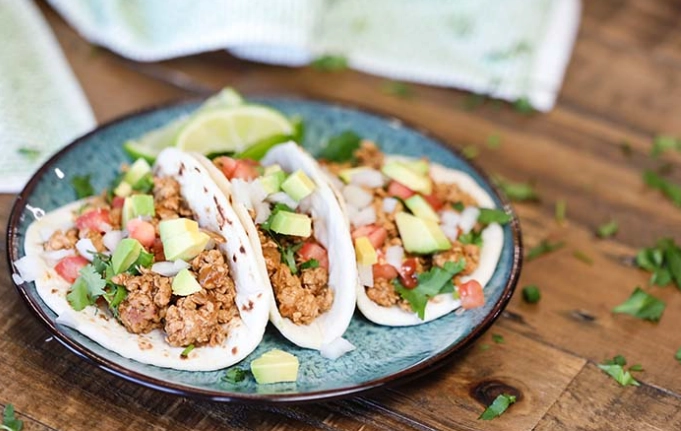
My personal rule: If I need it to cook unattended for more than 8 hours, I use larger, tougher cuts of meat (like a chuck roast for shredding) instead of ground meat. Ground meat just doesn't hold up as well to marathon sessions.
On the "Warm" Setting (After Cooking is Complete)
This is where the main safety question lives. You've cooked the meat, it's dinner time in an hour, so you flip it to "Warm." How long is okay?
The official food safety stance, based on USDA guidance, is that you should not hold food on warm for more than 2-4 hours maximum. Many appliance manuals are more conservative, suggesting 2 hours. Why the range? It depends on how reliably your specific cooker maintains a temperature above 140°F on its warm setting.
I tend to be cautious. I use the 2-hour rule as my personal maximum for holding taco meat on warm. After that, even if it's probably safe, the quality nosedives. The fat fully renders out and pools, leaving the meat dry.
The Forbidden Zone: Leaving Cooked Meat in a Turned-Off Crockpot
This is non-negotiable. Once you turn the crockpot off, the clock starts. You have a maximum of 2 hours to get that meat out of the pot and into the refrigerator. Do not let it cool down in the ceramic insert on the counter. The thick stoneware holds heat for a long time, keeping the meat in the danger zone for far too long.
Think about it. A large pot of hot meat can take hours to cool from 140°F down to 40°F sitting on the counter. That's a bacteria festival waiting to happen. Always transfer leftovers to shallow containers and refrigerate promptly.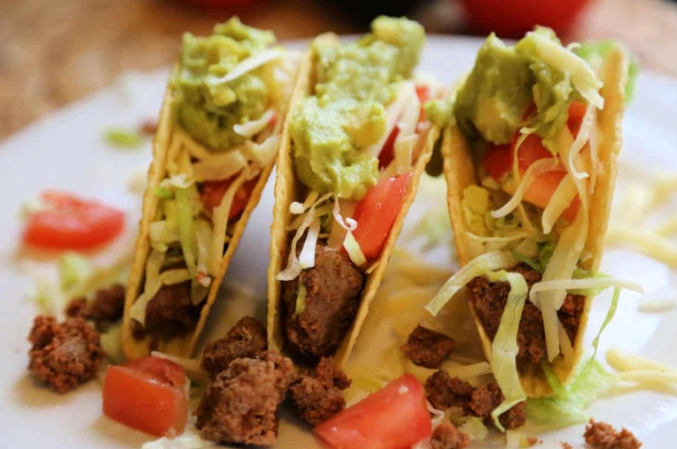
| Crockpot State | Maximum Recommended Time for Taco Meat | Primary Concern | Best for Quality? |
|---|---|---|---|
| Active Cooking (Low/High) | Until internal temp reached (160°F/165°F) + 1 hr max | Overcooking, Texture Loss | Stop cooking once temp is hit |
| "Warm" Setting | 2 to 4 hours absolute max | Bacterial Growth, Drying Out | Closer to 2 hours |
| Turned Off, Lid On | 2 hours (to transfer to fridge) | High Risk of Food Poisoning | No - refrigerate immediately |
| In Refrigerator | 3 to 4 days | General Spoilage | Yes, reheats well |
| In Freezer | 2 to 3 months for best quality | Freezer Burn | Great for meal prep |
Spotting Trouble: When Your Taco Meat Has Gone Too Far
Sometimes, despite our best plans, we lose track of time. How do you know if you've crossed the line when figuring out how long can taco meat be in a crockpot? Your senses are your best tools, but they're not foolproof.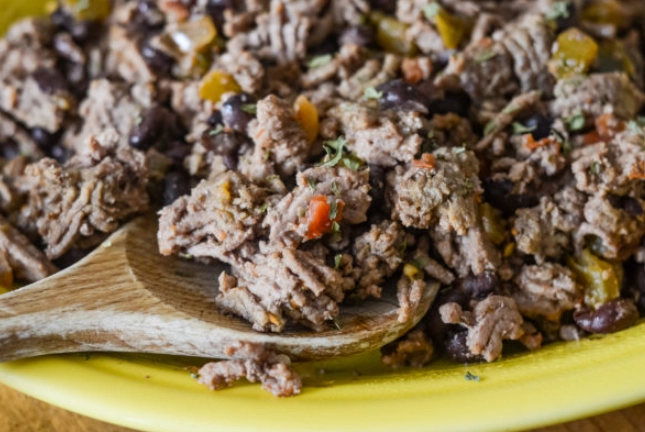
Signs of Spoilage (Throw it OUT):
- Sour or Unpleasant Odor: This is the biggest red flag. Freshly cooked taco meat should smell savory and spicy. Any sour, ammonia-like, or just "off" smell means bacteria are at work.
- Slime: A slick, slimy film on the surface or between chunks of meat is a clear sign of microbial growth.
- Mold: Obvious, but sometimes it starts as small fuzzy spots. Any mold means discard the entire batch.
- Unusual Color: Grayish-green tints or iridescent sheens are bad news.
Signs of Poor Quality (Might be safe, but won't taste good):
- Extremely Dry, Crumbly Texture: All the moisture has been cooked out. It will taste like seasoned sawdust.
- Pooled, Separated Fat: The fats have completely broken down and separated from the meat, floating on top in a greasy layer.
- Bitter or "Off" Taste from Spices: Overcooking can make spices like chili powder or cumin turn harsh and bitter.
Important Caveat: Dangerous bacteria like E. coli and Salmonella do not always produce obvious signs of spoilage. The meat can look and smell fine but still be contaminated. This is why adhering to time and temperature guidelines is non-negotiable, not just relying on look and smell. When in doubt, throw it out. It's not worth the risk.
Pro Tips to Maximize Safety and Flavor
Knowing the limits is one thing. Working smarter within them is another. Here are strategies I use to make sure my taco night is both safe and delicious.
Before and During Cooking
- Use a Meat Thermometer. This is the single most important tool. Don't guess. Stick a digital thermometer into the thickest part of the meat to confirm it has reached 160°F (beef) or 165°F (poultry). I can't stress this enough.
- Brown Your Meat First. I know, the appeal of the slow cooker is dump-and-go. But taking 10 minutes to brown the ground meat in a skillet first does wonders. It renders out some fat (which you can drain), creates richer flavor via the Maillard reaction, and it slightly reduces the total time the meat needs in the slow cooker, giving you more wiggle room.
- Don't Overfill or Underfill. Your crockpot should be between half and two-thirds full for even heating. A nearly empty pot will heat too quickly and unevenly.
- Keep the Lid On. Every time you lift the lid, you release a massive amount of heat and steam, adding 20-30 minutes to your cooking time. Resist the urge to stir constantly.
After Cooking and For Storage
- For Holding: If you know dinner will be delayed, cook the meat completely, then reduce the heat to "Warm." Set a timer for 2 hours as your hard stop.
- For Refrigerating: Don't leave it in the insert. Transfer it to a shallow, airtight container within 2 hours of turning the cooker off. Shallow containers cool much faster, getting through the danger zone quickly. The FDA's cold food storage charts recommend using leftovers within 3-4 days.
- For Freezing: Portion the cooled meat into freezer bags, squeeze out the air, and lay them flat to freeze. They'll stack nicely and thaw quickly. Label with the date!
- Reheating Safely: When you reheat refrigerated or frozen taco meat, bring it back to at least 165°F. Do this on the stove or in the microwave, not back in the slow cooker, as slow reheating can keep it in the danger zone too long.
A Game-Changer for Meal Prep: Instead of trying to keep a whole batch warm for hours, cook your taco meat, portion it out, and refrigerate or freeze it. Then, simply reheat individual portions as needed in minutes. This gives you way more flexibility and eliminates the safety guessing game of how long the taco meat has been in the crockpot on warm.
Answering Your Burning Questions (FAQs)
Can I leave taco meat in the crockpot on low overnight?
For active cooking? Yes, but with major caveats. If you're starting with raw meat before bed, aiming for breakfast or lunch the next day, it can work. Ensure your cooker is in good working order, you've added enough liquid (like salsa or broth), and you use a timer if possible to switch to "Warm" after 7-8 hours. For ground meat, I personally avoid overnight cooks because the quality loss is almost guaranteed. It's better suited for stews and roasts.
My meat was on warm for 5 hours. Is it definitely bad?
It's in a higher-risk category. While the "Warm" setting is designed to prevent bacterial growth, 5 hours is pushing far beyond recommended guidelines. The quality is almost certainly compromised (dry, mushy). From a safety standpoint, the risk is elevated. The official advice would be to discard it. I know it feels wasteful, but foodborne illness feels worse.
Does adding acidic ingredients like tomatoes or lime juice make it last longer?
A little, but don't rely on it for safety. Acid can inhibit some bacterial growth and can help tenderize meat. However, it does not negate the temperature danger zone rules. You still must follow the same time limits. It might help preserve quality slightly, but not safety.
What about if I use frozen ground meat to start?
This is a tricky one. Some newer slow cookers have settings for frozen meat, but generally, it's not recommended. A large block of frozen meat will take too long to reach a safe temperature, allowing bacteria to multiply in the outer layers that thaw first. Always thaw ground meat in the refrigerator before adding it to the crockpot for safety.
How can I make my crockpot taco meat more forgiving if it cooks a bit long?
Great question! Use a higher fat content meat (80/20 beef), add moisture-rich ingredients like diced onions, bell peppers, or a 1/2 cup of broth or salsa, and hold off on adding salt until the end (salt draws out moisture during long cooking). These steps create a buffer against drying out.
The Bottom Line: Safety First, Flavor a Close Second
Figuring out how long can taco meat be in a crockpot boils down to a simple philosophy: respect the clock and trust the thermometer.
The "Warm" setting is a holding function, not a long-term storage solution. Two hours is a safe bet for maintaining both quality and safety. During active cooking, your goal is to hit the safe internal temperature and then stop or hold for a short period.
It's easy to think of a slow cooker as a magical, forgiving appliance.
But it's just a tool. A fantastic, convenient tool, but one that operates within the unyielding laws of food science and microbiology. The biggest mistake we make is treating it like a food safe—a place where we can leave things indefinitely. It's not.
Use the guidelines here not as annoying restrictions, but as the keys to stress-free, delicious, and safe meals. Get a good thermometer. Set timers. Plan for storage, not just holding. Do that, and you'll never have to nervously google "how long can taco meat be in a crockpot" while staring at your dinner with suspicion again. You'll just enjoy it.
Reader Comments