Your Quick Guide
You know the feeling. You've got the slow cooker out, you're ready for that amazing, melt-in-your-mouth beef dinner, and then you stare at the meat counter. So many choices. Which one actually gets you that perfect tenderness after hours of cooking? I've been there, trust me. I've even had a pot roast come out a bit... chewy. Not fun. So let's cut through the confusion and talk real talk about what is the most tender beef for slow cooking.
The short answer? It's not one single cut. It's a handful, and your "best" pick depends on what you're making, your budget, and honestly, what you can find. But some cuts are just magical when you give them time.
The Core Idea: The most tender beef for slow cooking isn't the expensive, lean steaks. It's the cheaper, tougher cuts packed with collagen-rich connective tissue. Slow, moist heat breaks that tough stuff down into gelatin, which is what gives you that incredible, unctuous, fall-apart texture.
The Top Contenders: Your Best Bets for Tenderness
Alright, let's get into the meat of it (sorry, had to). Based on fat content, connective tissue, and how reliably they transform, here are the champions.
Chuck Roast (Beef Chuck)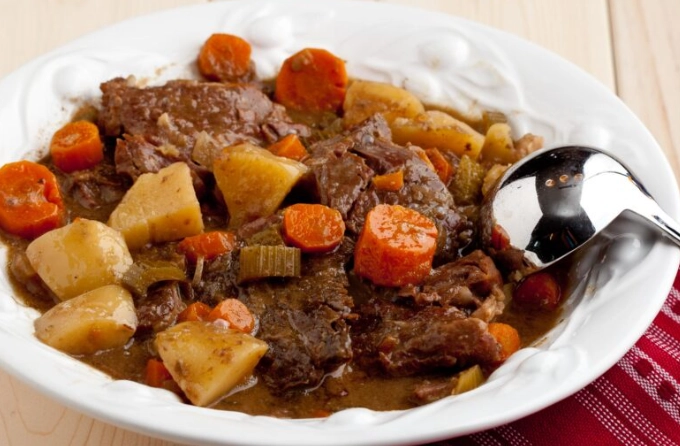
This is my personal go-to, my number one answer when someone asks me, "What is the most tender beef for slow cooking?" It's the king of pot roast for a reason. Coming from the shoulder area, it's a hard-working muscle, which means it's full of flavor and marbling (intramuscular fat) and webbed with collagen.
When you cook it low and slow, that collagen melts. The fat bastes the meat from the inside. What you get is incredibly flavorful, juicy shreds. It's forgiving, too. Even if you overcook it a bit, it stays moist. You can find it labeled as chuck roast, chuck eye roast, or boneless chuck roast. The one with the bone might have a touch more flavor, but the boneless is easier to deal with.
I made a chuck roast just last week. Eight hours on low with some onions, garlic, and red wine. My fork just slid through it. That's the dream.
Brisket (Beef Brisket)
Brisket is famous for barbecue, but it's a superstar in the slow cooker too. It's from the chest, another tough area. It has a huge fat cap on one side and a very defined grain. The key here is slicing against that grain after cooking, or it can be stringy.
Brisket has a deeper, beefier flavor than chuck. It can be a bit less forgiving—if you don't cook it long enough, it can be tough. But when you nail it? Oh man. It's succulent, rich, and has a texture that's almost buttery. It's a fantastic choice for a special Sunday dinner. The Beef. It's What's For Dinner website, run by the Beef Checkoff program, has great info on the different parts of the brisket (the point and the flat), which is useful to know when shopping.
Short Ribs (Beef Short Ribs)
If we're talking purely about the potential for tenderness and flavor, short ribs might win the prize. They're bone-in, thick, and marbled with fat and collagen. The bone adds immense flavor during the long cook.
The meat literally pulls away from the bone when it's done. It's so rich and decadent. They can be pricier than chuck or brisket per pound, but the eating experience is top-tier. For a luxurious stew or braise, this is what I splurge on. Just be prepared for a lot of rendered fat you might want to skim off at the end.
Pro Tip: Don't shy away from fat! For slow cooking, marbling (the white streaks of fat within the muscle) is your friend. It's your built-in insurance policy against dry meat.
Beyond the Top 3: Other Great (and Sometimes Overlooked) Cuts
The big three above are the usual suspects, but your butcher's case has other options that work beautifully.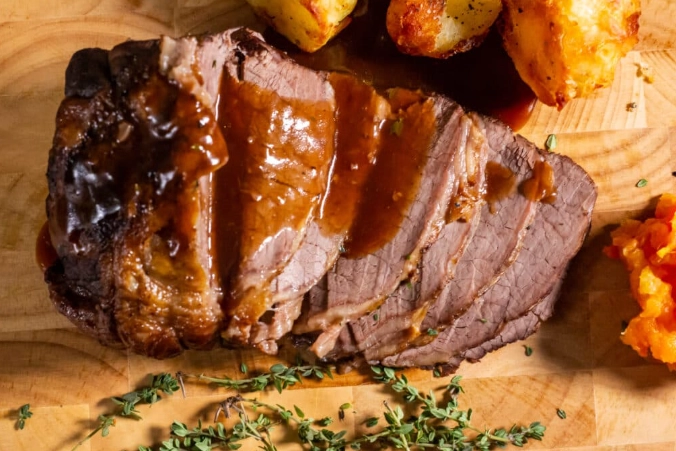
- Beef Cheeks: This is the secret weapon of chefs. Almost pure connective tissue and muscle. Cook them long enough, and they turn into the most tender, gelatinous, flavorful meat imaginable. They can be hard to find, but ask your butcher.
- Oxtail: It's all about the bones and connective tissue. The meat is minimal but incredibly flavorful and silky. Perfect for rich stews and broths.
- Bottom Round or Rump Roast: These are leaner than chuck. They can become tender with slow cooking, but they have less fat, so there's a smaller margin for error. They often benefit from being braised in plenty of liquid and sliced very thinly against the grain. Not my first recommendation for a beginner.
- Shank (Beef Shank): Famous for Osso Buco. The marrow in the center bone dissolves into the cooking liquid, making it incredibly rich and luxurious. The meat itself becomes very tender.
Choosing Your Champion: A Handy Comparison
Let's lay this out so you can see it at a glance next time you're shopping. This table should help you decide what's the most tender beef for slow cooking for your specific plan.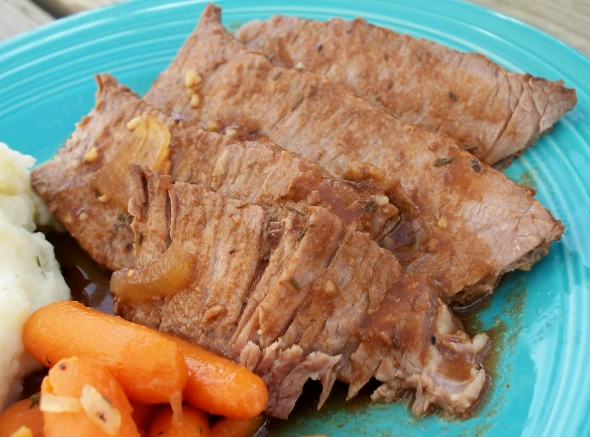
| Cut of Beef | Best For | Flavor & Texture | Budget & Notes |
|---|---|---|---|
| Chuck Roast | Pot roast, shredded beef, stews, chili | Very beefy, juicy, shreds easily. Forgiving and consistent. | Budget-friendly. The most versatile and reliable choice. |
| Brisket (Flat Cut) | Sliced beef dishes, barbecue-style sandwiche | Deep, intense beef flavor. Can be leaner; must slice against the grain. | Mid-range. Look for good marbling. Less forgiving on cook time. |
| Short Ribs (Bone-in) | Special occasion braises, rich stews, fancy tacos | Extremely rich, decadent, fall-off-the-bone tender. | Premium price. Very high fat content (skim excess after cooking). |
| Beef Cheeks | Ultra-tender tacos, ragù, gourmet dishes | Unbelievably tender, gelatinous, intensely flavorful. | Specialty item. May need to order ahead. Requires a very long cook. |
| Bottom Round Roast | Deli-style sliced roast beef, leaner pot roast | Leaner beef flavor. Tender if sliced very thin against the grain. | Budget-friendly. Requires careful cooking and slicing to avoid toughness. |
How to Guarantee Tender Results: It's Not Just the Cut
Picking the right cut is 70% of the battle. But the other 30% is what you do with it. Here's how to make sure you get the most tender beef for slow cooking, every single time.
1. The Sear Matters (Yes, Really)
I know, it's an extra step when you just want to throw everything in the pot. But browning the meat on all sides in a hot pan before it goes into the slow cooker creates the Maillard reaction. That's just a fancy term for "delicious brown crust full of flavor." Those browned bits add a depth of flavor that you just can't get from boiling meat. It also helps render a little surface fat. Don't skip it if you can help it.
2. Layer Your Ingredients Wisely
Put your hard, root vegetables (carrots, potatoes) on the bottom and around the sides of the slow cooker. Place the seared beef on top. This lets the meat steam and braise in the rising liquid and vapor, rather than boil in it. The vegetables act as a natural rack.
3. Don't Drown It
You're braising, not boiling. The liquid should come up about one-third to halfway up the side of the meat. Too much liquid washes away flavor and can make the texture a bit mushy. Wine, broth, or even just a mix of water and soy sauce works great.
4. Trust the Time, But Check the Temp
"Low and slow" is the mantra. For a 3-4 pound chuck roast, we're talking 8-10 hours on low. High heat can make meat tough. But here's a secret I learned: internal temperature is your best friend. For fork-tender shredded beef, you want the internal temp to get to at least 195°F to 205°F (90°C to 96°C). That's when the collagen has fully broken down. A good meat thermometer is a better guide than the clock alone. The USDA's safe temperature charts are a great baseline, but remember, for slow-cooked tough cuts, you need to go way past their "medium-rare" recommendations to achieve tenderness.
Common Mistake: Peeking! Every time you lift the lid on a slow cooker, you let out a huge amount of heat and steam. It can add 20-30 minutes to your cooking time. Try to resist until near the end of the suggested cook time.
5. The Rest is Not Just for Steaks
After cooking, let the meat rest for 15-20 minutes before you shred or slice it. This allows the juices, which have been forced to the center by the heat, to redistribute throughout the meat. If you cut right into it, all those flavorful juices will just run out onto the cutting board.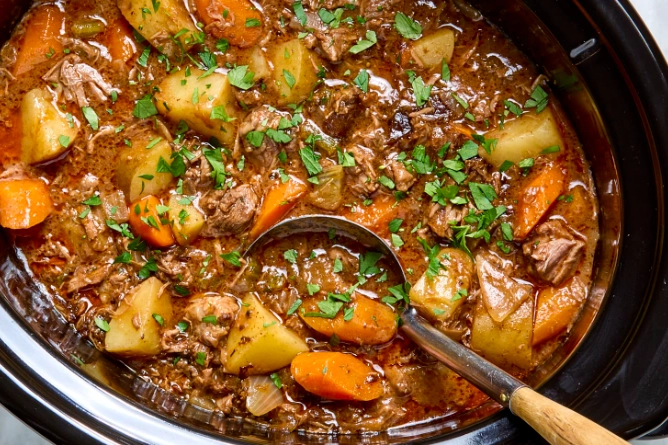
Answering Your Questions: The Slow Cook Beef FAQ
I get a lot of questions about this topic. Here are the ones that pop up most often.
Is a more expensive cut better for slow cooking?
Almost always, no. Filet mignon, sirloin, strip steak—these are expensive because they're tender before cooking. They're best cooked quickly to medium-rare. If you put them in a slow cooker for 8 hours, they'll become dry, tough, and chalky. It's a waste of money. Stick to the tougher, cheaper cuts. That's the whole point of the method.
Can I use frozen beef in the slow cooker?
The USDA advises against it. A large frozen roast can sit in the "danger zone" (40°F - 140°F) for too long as it thaws, allowing bacteria to grow. It's safer and gives better results to thaw the meat completely in the fridge first.
Why was my slow-cooked beef still tough?
Two main reasons: 1) You didn't cook it long enough. The collagen hasn't broken down yet. Give it more time. 2) You cooked it on too high a heat. A rapid boil can tighten and toughen muscle fibers before the collagen has a chance to melt. Next time, try low heat for a longer period.
Should I trim all the fat off the beef before cooking?
No! Trim obvious large, hard pieces of exterior fat, but leave the marbling and a decent fat cap. That fat is flavor and moisture insurance. You can always skim off excess melted fat from the cooking liquid at the end.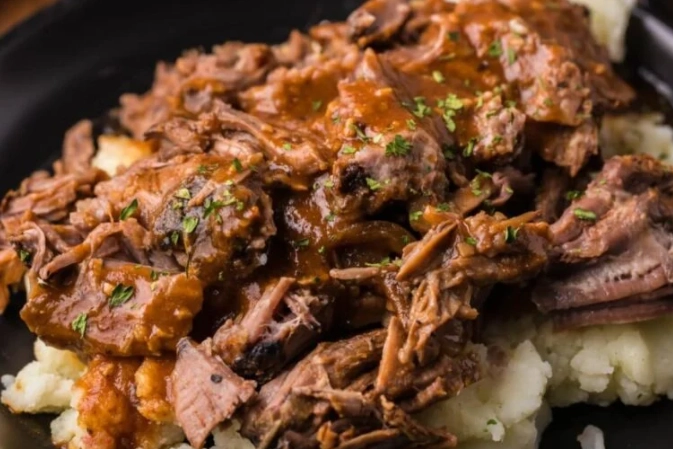
I made this mistake early on. I trimmed a chuck roast until it was lean, thinking I was being healthy. The result was dry and lacked that unctuous mouthfeel. Lesson learned.
What's the difference between braising and slow cooking?
Braising is the cooking method: browning meat, then cooking it covered in a small amount of liquid. A slow cooker (or Crock-Pot) is just one appliance that's really good at doing the "cooking in liquid" part of braising on a low, steady heat for a long time. So, your slow cooker is a great tool for braising.
Putting It All Together: Your Action Plan
So, next time you're planning a slow-cooked beef masterpiece, remember this flow:
- Choose Your Cut: For foolproof tenderness, grab a chuck roast. For deeper flavor and slicing, try a brisket flat. For a decadent treat, get bone-in short ribs.
- Prep: Pat it dry. Season it generously with salt and pepper (and any other spices) at least 30 minutes before, if you can.
- Sear: Get a heavy pan screaming hot. Sear the roast on all sides until you have a nice brown crust. This step is worth the dirty pan.
- Layer: Veggies on the bottom, seared meat on top. Add your aromatics (onion, garlic, herbs) and liquid (enough to come up 1/3 of the way).
- Cook: Set it to LOW. Go do something else for 8-10 hours. Don't peek.
- Check & Rest: After 8 hours, check for fork-tenderness. If it's not there, give it more time. When it's done, let it rest on a cutting board.
- Finish: Skim excess fat from the cooking liquid. You can thicken it into a gravy or sauce. Shred or slice the meat against the grain. Combine and serve.
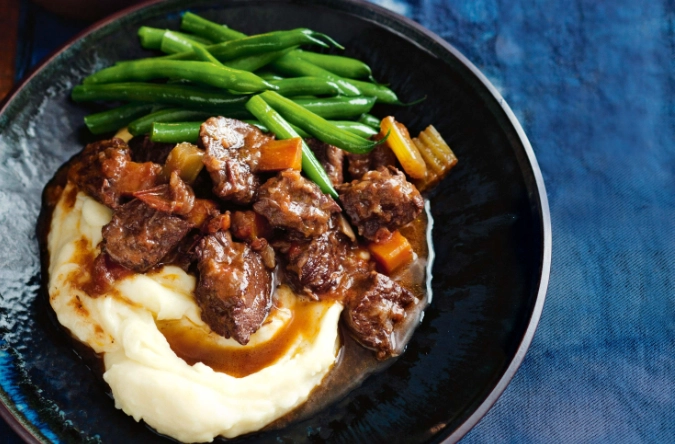
Figuring out what is the most tender beef for slow cooking isn't about finding one magic answer. It's about understanding the relationship between muscle, fat, collagen, heat, and time. When you match a tough, flavorful cut with the gentle, persistent heat of your slow cooker, you're not just cooking dinner. You're performing a kind of kitchen alchemy, transforming the humble into the extraordinary.
Start with a chuck roast. You really can't go wrong. Once you've mastered that, branch out and explore the wonderful world of brisket, short ribs, and cheeks. Your taste buds will thank you.
Reader Comments