Let's be honest. The promise of Swiss steak is tender, flavorful beef in a rich gravy. The reality, too often, is a chewy, disappointing mess. I've been there. I once served Swiss steak so tough my husband joked we needed a steak knife for our stew. That was the day I committed to mastering the crock pot method. After a decade of testing, I can tell you this: your slow cooker is the secret weapon for transforming an affordable, tough cut into a melt-in-your-mouth masterpiece. This isn't just another recipe list. It's the definitive guide that tackles the why behind every step, so you never have a failed batch again.
What You'll Find Inside
What Is Swiss Steak and Why the Crock Pot is Non-Negotiable
First, a quick myth-buster. "Swiss" doesn't refer to the country. It comes from "swissing," an old textile term for rolling or pounding. That's the core of the dish: a tougher cut of beef, mechanically tenderized (pounded), then braised low and slow until it surrenders. Traditional recipes use the oven or stovetetop, but they demand constant vigilance. One distracted moment and your gravy reduces to a sticky glaze, or worse, the bottom scorches.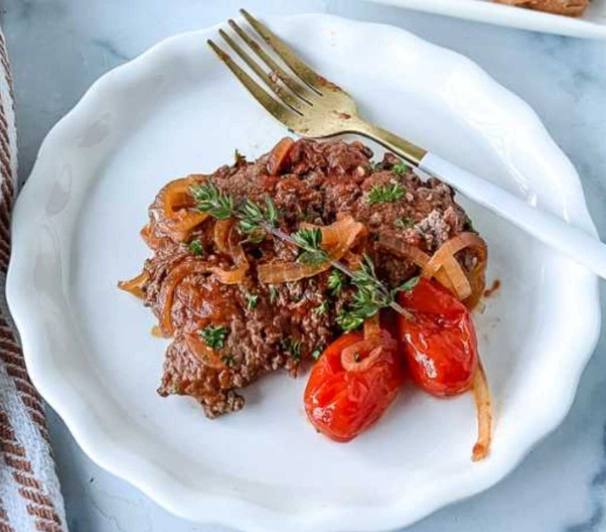
The crock pot eliminates that. It provides a perfectly controlled, moist, low-temperature environment ideal for breaking down tough collagen into gelatin. This process, called braising, is what makes cheap meat taste expensive. According to the USDA's guidelines on safe cooking temperatures, low and slow cooking is perfectly safe for tough cuts, ensuring pathogens are destroyed while maximizing tenderness. The sealed lid also traps flavor, creating a more intense, cohesive gravy than other methods I've tried.
Key Takeaway: Swiss steak is a braised dish, not a grilled or pan-fried steak. The crock pot is the most forgiving and effective tool for braising, making it almost impossible to dry out the meat.
Choosing the Right Meat: The Single Biggest Factor
You cannot make tender Swiss steak from a tender cut. It sounds backward, but it's true. You need a cut with lots of connective tissue. That collagen is the enemy when grilled quickly, but in the crock pot, it's the prize—it melts into the silky, mouth-coating richness that defines the dish.
Here’s a breakdown of your best bets, from my personal favorite to other reliable options.
| Beef Cut | Why It Works | Potential Drawback | My Personal Rating |
|---|---|---|---|
| Chuck Roast | Perfect fat marbling and connective tissue. Flavorful, shreds beautifully. The gold standard. | Can be pricier than round. | 10/10 - The GOAT |
| Bottom Round Roast | Leaner but still has good connective tissue. Excellent for slicing. | Can be slightly less juicy than chuck if overcooked. | 8.5/10 - Reliable & Great Value |
| Top Round Steak | Widely available, often sold as "cube steak" (pre-tenderized). | Very lean, requires careful timing to not become dry. | 7/10 - Good in a pinch |
| Arm Roast | Similar to chuck, very flavorful. | Can have more gristle to trim. | 8/10 - A hidden gem |
Avoid sirloin, tenderloin, or strip steak. You're paying for tenderness you're going to braise away, and they'll likely become mushy. Look for meat labeled "for pot roasting" or "braising." Tell your butcher you're making Swiss steak in a crock pot—they'll point you right.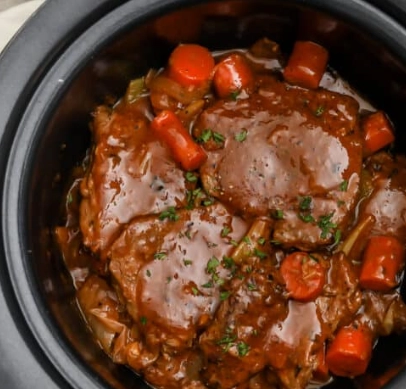
Step-by-Step Swiss Steak Crock Pot Recipe
This is my master recipe, honed over years. It serves 6 comfortably.
Gathering Your Ingredients
The Foundation:
• 3 to 3.5 pounds beef chuck roast, cut into 1-inch thick steaks
• 1/2 cup all-purpose flour
• 2 teaspoons kosher salt
• 1 teaspoon freshly ground black pepper
• 2 teaspoons paprika (smoked paprika is a game-changer)
• 3 tablespoons olive or vegetable oil
The Aromatics & Braising Liquid:
• 1 large yellow onion, thinly sliced
• 3-4 cloves garlic, minced
• 2 stalks celery, chopped
• 2 large carrots, chopped (optional, for sweetness)
• 1 (14.5 oz) can diced tomatoes, undrained
• 1 cup beef broth (low sodium recommended)
• 2 tablespoons Worcestershire sauce
• 1 tablespoon tomato paste
• 2 sprigs fresh thyme or 1 teaspoon dried
• 2 bay leaves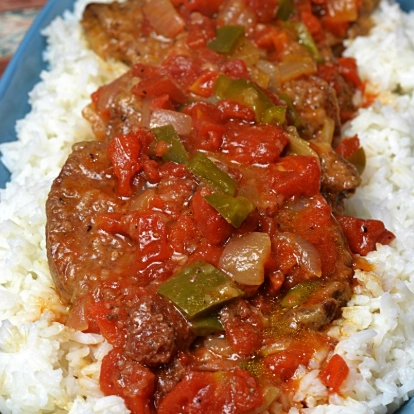
The Process: It's More Than Dumping
1. Prep and Dredge the Meat. Pat the beef steaks very dry with paper towels. This is crucial for a good sear. Mix the flour, salt, pepper, and paprika on a plate. Dredge each steak thoroughly, shaking off excess. That flour isn't just for coating; it's what will thicken your gravy later.
2. The Essential Sear (Don't Skip This!). Heat oil in a large skillet over medium-high heat. Sear the steaks for 3-4 minutes per side until deeply browned. You're not cooking them through, just building flavor. Do this in batches to avoid crowding. Place the seared steaks in the bottom of your 6-quart or larger crock pot.
3. Layer the Flavors. In the same skillet, with the drippings, sauté the onion, garlic, and celery for 4-5 minutes until softened. Add the tomato paste and cook for another minute. Pour in the beef broth to deglaze, scraping up all the delicious browned bits (fond). This is pure flavor. Pour this entire mixture over the meat in the crock pot.
4. The Slow Cook. Add the diced tomatoes, Worcestershire sauce, thyme, and bay leaves around the meat. Cover and cook on LOW for 8 hours. High for 4-5 hours can work, but low is always better for tenderness. Resist the urge to open the lid. Each peek releases heat and steam, adding 15-20 minutes to your cook time.
5. Final Touch. After cooking, carefully remove the steaks. They should be fork-tender. Discard bay leaves and thyme stems. If you prefer a thicker gravy, you can make a slurry with 2 tablespoons of cornstarch and 3 tablespoons of cold water, whisk it into the pot liquid, and cook on HIGH for 15-20 minutes until thickened. I often skip this—the flour from dredging usually gives me the consistency I like.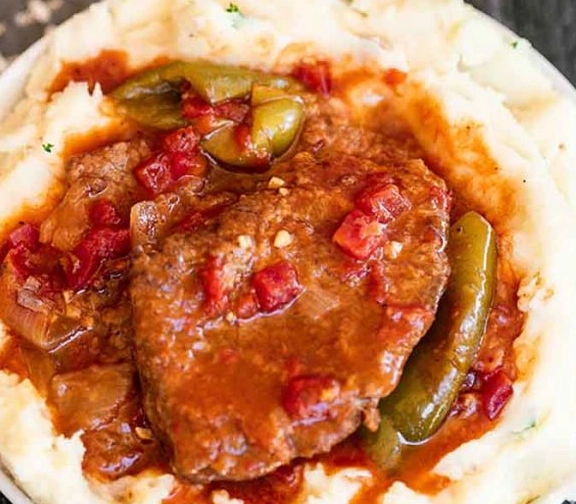
The One Mistake That Ruins Texture: Adding acidic ingredients like tomatoes or vinegar-based sauces too early in large quantities can sometimes make meat tough before it tenderizes. By searing first and having plenty of liquid, we mitigate this. But if you're experimenting, add extra tomato or wine after the first few hours of cooking.
Expert Tips & Common Mistakes to Avoid
Here's where that "10 years of experience" part comes in. These aren't in most generic recipes.
1. The Flour Dredge Secret: Season your flour aggressively. That seasoning cooks into the crust and seasons the gravy from within. Don't use a light hand with the salt and paprika here.
2. Liquid Level: The liquid should come about halfway up the sides of the meat, not submerge it. You're braising, not boiling. Too much liquid dilutes flavor.
3. The "Tough Phase" Panic: Around the 3-4 hour mark on low, the meat can feel tighter and tougher than when it went in. Don't worry! This is normal. The connective tissues are tightening before they finally break down. Trust the process and let it go the full time.
4. Fat is Flavor, But... After cooking, you'll see a layer of fat on top of the gravy. For a cleaner, richer gravy, let the pot cool for 15 minutes, then skim this fat off with a spoon before serving. The flavor is already in the liquid below.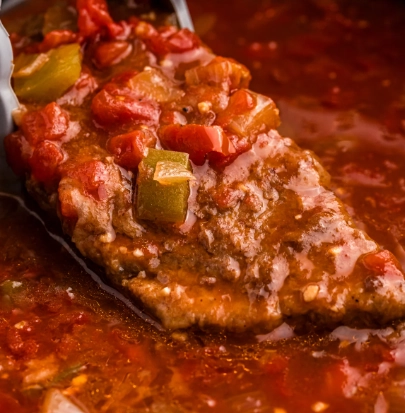
Serving Suggestions & Leftover Magic
This dish begs for simple, starchy sides to soak up the gravy.
Classic Pairings: Creamy mashed potatoes (my absolute favorite), buttery egg noodles, or soft polenta. A simple green vegetable like steamed green beans or a crisp salad cuts the richness.
Leftover Transformations: Day-two Swiss steak might be even better. Shred any remaining meat and mix it back into the gravy. Now you have an incredible filling for beef pot pies, a topping for baked potatoes, or a base for a killer beef stew—just add some cubed potatoes and peas and heat through.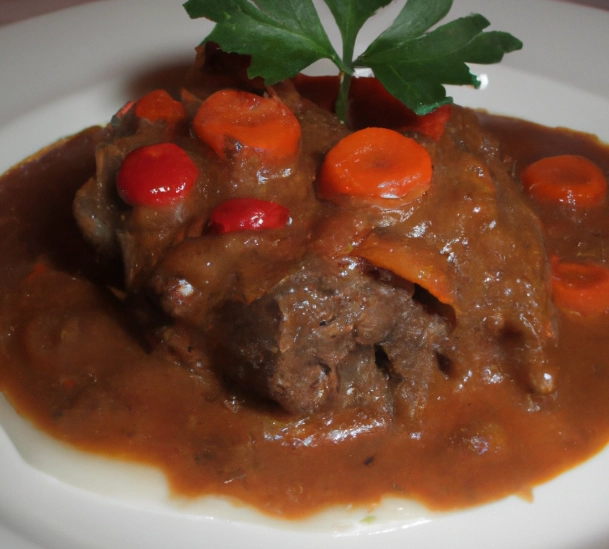
Your Swiss Steak Questions, Answered
The beauty of this Swiss steak crock pot recipe is its reliability. It turns an economical cut into a comforting, impressive meal with minimal active effort. It's the definition of a set-and-forget dinner that actually delivers on its promise of tenderness. Give it a try this weekend—your family will ask for it again.
Reader Comments