Key Takeaways
So you're staring at your slow cooker, a box of dry pasta in hand, and a recipe that just says "add everything and cook." That little voice in your head asks the million-dollar question: can you put uncooked pasta in a slow cooker and just walk away? I've been there. The promise of a dump-and-go meal is incredibly tempting on a busy weeknight. Who wouldn't want to skip boiling a separate pot of water?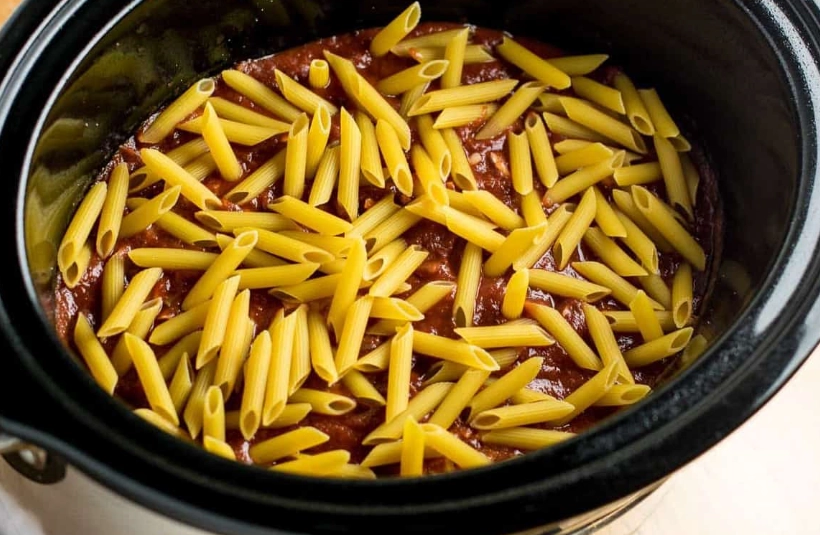
I'm going to be straight with you. The short, honest answer is usually no, you shouldn't just toss dry pasta into the slow cooker at the beginning of a long cook time. I learned this the hard way with a slow cooker lasagna that turned into a starchy, mushy brick. It was edible, but just barely. The texture was all wrong.
But wait, don't close this tab and give up on your dream of a one-pot slow cooker pasta feast just yet. The full answer is more nuanced. It's not a simple yes or no. It's a "yes, but only if you do it the right way." The real question we should be asking is: how can you successfully cook pasta in a slow cooker without ruining it? That's what we're going to unpack, step by step.
Why Putting Uncooked Pasta in a Slow Cooker is a Problem
Let's talk about the science, but without the boring textbook stuff. Pasta is made of starch. When you cook it, the starch granules absorb water, swell, and soften. In a pot of boiling water, this happens relatively quickly—in 8-12 minutes for most shapes. The boiling water agitates the pasta, preventing it from sticking into a clump, and you can drain the excess starchy water away.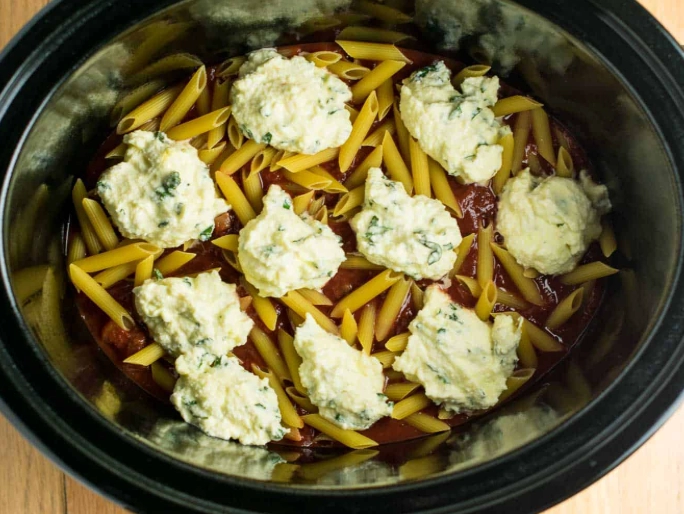
Now, picture your slow cooker. The environment is completely different.
- Low and Slow Heat: A slow cooker on "Low" simmers around 190°F (88°C), well below a rolling boil. This gentle heat activates the starches, but over a much, much longer period.
- No Agitation: The liquid in a slow cooker is mostly still. Without the churning action of boiling water, the released starches just sit there, thickening the sauce into a paste and gluing the pasta pieces together.
- Trapped Starches: You can't drain anything. All the starch that leaches out of the pasta stays right there in the pot, concentrating over hours.
The result? Instead of al dente perfection, you get mush. The pasta can also suck up every last drop of your carefully crafted sauce, leaving you with a dry, stodgy casserole. I once tried making a mac and cheese this way. Let's just say the "cheese" part disappeared, absorbed into bloated, sad noodles.
The Right Way to Cook Pasta in a Slow Cooker
Okay, so dumping it in at the start is out. What actually works? Here are the proven methods, ranked from my personal favorite to other viable options.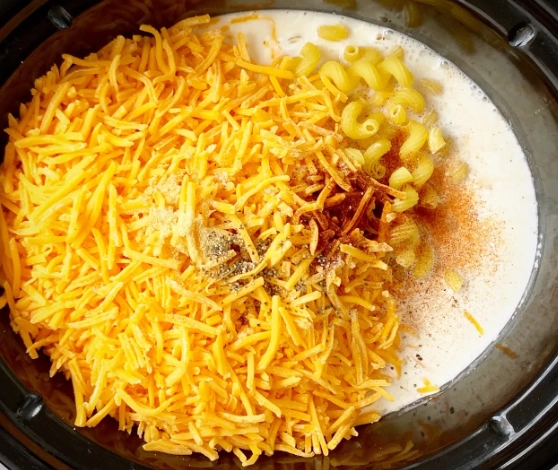
Method 1: The Gold Standard – Cook Pasta Separately
This is the method used by most professional chefs and serious home cooks for a reason. It guarantees perfect texture every single time.
- Prepare your sauce, meat, vegetables, and all other components in the slow cooker. Let them simmer and meld together for the full cooking time (e.g., 6-8 hours on Low for a meat sauce).
- About 15-20 minutes before you want to eat, cook your dried pasta in a separate pot of well-salted boiling water. Cook it to just under al dente (about 1-2 minutes less than the package says).
- Drain the pasta, then stir it into the finished sauce in the slow cooker. Let it sit on the "Warm" setting for 10-15 minutes. The pasta will finish cooking in the hot sauce and absorb its flavor.
Method 2: The Last-Hour Add-In (For Specific Dishes)
This is the compromise for true one-pot cooking. It can work, but with strict rules.
- Timing is Everything: Add the uncooked pasta during the last 30 to 60 minutes of cooking on High. Never at the beginning on Low.
- Liquid is Critical: You need significantly more liquid than you think. The pasta needs enough hot liquid to cook through. A good rule is to ensure the pasta is fully submerged in sauce/broth. If it looks dry, add a cup of hot water, broth, or extra sauce.
- Stir, Please: Stir it well when you add it, and maybe once more halfway through its cooking time to prevent clumping.
This method is best for dishes like a hearty minestrone soup, or a very saucy chicken and pasta bake where the liquid volume is high. I've had decent success with smaller pasta shapes like ditalini or orzo in soups using this method.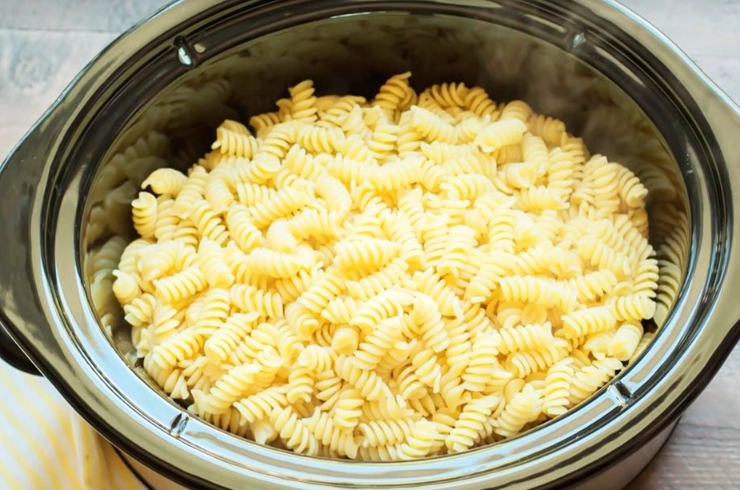
Method 3: Using the Right Kind of Pasta
Not all pasta is created equal in the slow cooker world. Some hold up much better than others. If you're determined to try the last-hour method, your choice of pasta makes or breaks the dish.
| Pasta Type | Slow Cooker Suitability | Notes & Tips |
|---|---|---|
| Lasagna Noodles (No-Boil) | Excellent | Specifically designed to cook in surrounding moisture. The classic exception to the rule! You can put uncooked no-boil lasagna sheets in a slow cooker layered with lots of sauce. |
| Orzo, Ditalini, Small Shells | Good (with caution) | Small shapes cook faster and more evenly. Ideal for soups. Still, add in the last 30-45 minutes on High and stir. |
| Penne, Rigatoni, Ziti | Fair | Tube shapes can work if you have ample liquid. They trap sauce inside, which is good. Watch the timing closely. |
| Spaghetti, Linguine, Fettuccine | Poor | Long, thin pasta is a disaster. It clumps together into an impossible knot before it even softens. Avoid. |
| Fresh Pasta | Very Poor | Cookes in just 2-3 minutes normally. In a slow cooker, it will instantly turn to mush. Always add at the absolute last second to a finished sauce. |
Your Slow Cooker Pasta FAQ – All The Nitty-Gritty
Let's tackle the specific questions that pop up when you're deep in recipe planning.
Can you put uncooked pasta in a slow cooker with raw meat?
Technically, yes, from a food safety perspective. The slow cooker will bring everything up to a safe temperature eventually. But from a quality perspective, it's a terrible idea. Your pasta will be cooking for the 4+ hours it takes the meat to become tender, guaranteeing complete disintegration. Always cook the meat first, then add pasta at the very end.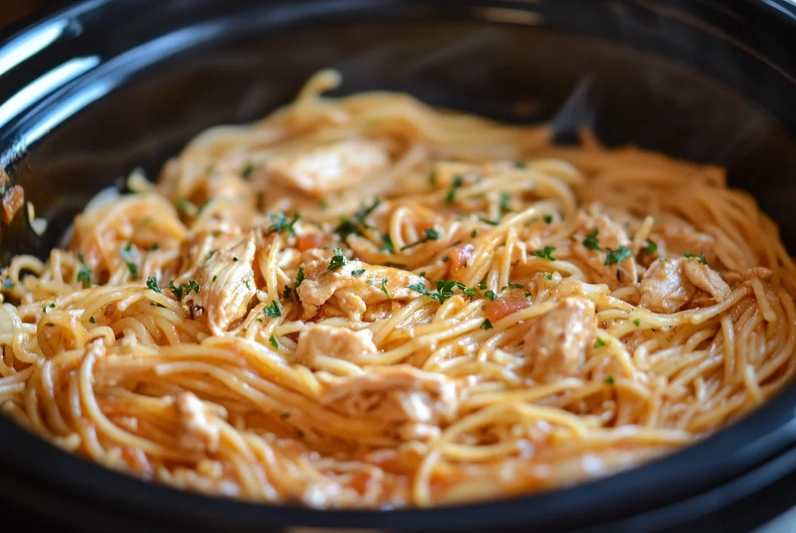
What about for a slow cooker mac and cheese?
This is a huge point of debate. Many popular recipes call for uncooked elbow macaroni. In my experience, it's incredibly finicky. You must use a lot of liquid (usually milk/cream and broth) and cook it on High for 1.5-2 hours, stirring occasionally, not all day on Low. The margin for error is small—it's easy to end up with either crunchy or mushy pasta. For foolproof mac and cheese, I still recommend pre-cooking the pasta (Method 1). The sauce can be made in the slow cooker, then mixed with the cooked pasta at the end.
Does the type of slow cooker matter?
Absolutely. Older, simpler models with less even heat distribution and only "Low" and "High" settings are trickier. Newer multi-cookers (like Instant Pots with a slow cook function) or programmable slow cookers with precise temperature control and a "Simmer" setting offer more flexibility. But the fundamental rules of starch and time still apply.
Can I use gluten-free pasta?
Be extra careful. Many gluten-free pastas (made from rice, corn, or quinoa) have a different starch structure and can become mushy or grainy even faster than wheat pasta. The "cook separately and combine" method (Method 1) is highly recommended for gluten-free options.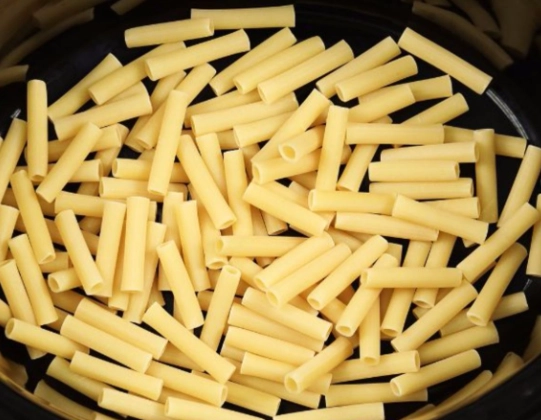
The Science of Safety and Texture
It's worth understanding a bit more about why texture fails. The U.S. Department of Agriculture provides guidelines on safe slow cooker use, emphasizing the importance of maintaining a high enough temperature to keep food out of the "danger zone." While a slow cooker does this safely for meats and sauces, the prolonged heat is what destroys pasta's texture. The proteins and starches break down over time.
For truly authoritative takes on the science of cooking, resources like Serious Eats have extensively tested pasta cooking methods. Their findings consistently show that controlled, rapid boiling in ample water produces superior texture because it quickly gels the starch on the pasta's surface, creating a barrier that controls further water absorption. A slow cooker cannot replicate this environment.
My Go-To Slow Cooker Pasta Game Plan
After years of hits and misses, here's my non-negotiable routine for a stress-free, delicious pasta night using the slow cooker.
- Morning (or 6-8 hours before dinner): Dump all sauce ingredients—canned tomatoes, browned ground beef or sausage, onions, garlic, herbs, a splash of red wine—into the slow cooker. Set it to Low.
- Afternoon: The house smells amazing. The sauce has thickened and the flavors are deep. I do nothing. This is the beauty part.
- 30 Minutes Before Dinner: I put a large pot of salted water on to boil. I take the slow cooker insert out (if possible) and set it on a trivet. I let the sauce cool slightly—this actually helps prevent the pasta from overcooking when I mix it in.
- 15 Minutes Before Dinner: Cook the pasta in the boiling water to just under al dente. Drain it, reserving a cup of the starchy pasta water just in case.
- Mixing Time: I add the drained pasta to the sauce in the slow cooker insert (off the heat) and fold it all together. If it seems thick, I splash in a little of that reserved pasta water—the starch in it helps the sauce cling beautifully. I let it sit for 5-10 minutes. It's perfect every time.
This method answers the core question, "can you put uncooked pasta in a slow cooker?" with a smart workaround. You're not really cooking the raw pasta in the slow cooker; you're using the slow cooker for what it's best at (sauce), and the stovetop for what it's best at (pasta). The final combination is magical.
The dream of tossing absolutely everything in raw and coming back to a perfect meal is just that—a dream. But the reality is even better. With a tiny bit of strategic planning and one extra pot, you can harness the set-and-forget magic of the slow cooker for an incredible sauce and pair it with perfectly cooked pasta. That's a weeknight win that's definitely worth it.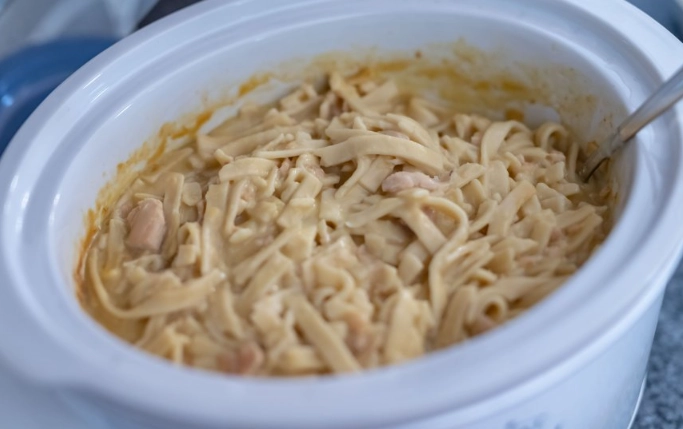
For more specific, tested recipes that handle the pasta component correctly, I often turn to trusted sources like America's Test Kitchen. They rigorously test the timing and liquid ratios for dishes like slow cooker baked ziti, taking the guesswork out of the equation. It's a great next step once you understand the principles we've covered here.
Now you know. You can confidently approach any recipe or create your own, knowing exactly how and when to handle the pasta. No more mushy disappointments. Just great, reliable meals.
Reader Comments