Let's be honest. The idea of cooking a beautiful, marbled ribeye steak in a slow cooker might sound like culinary heresy. For years, I thought the same. Ribeye is the king of steaks for the grill or cast-iron skillet, prized for its quick-seared crust and juicy, medium-rare interior. Why would anyone subject it to hours of low, moist heat? That was before I tried it out of sheer desperation on a chaotic weekday. The result wasn't just good—it was a revelation. The fat and connective tissue, which can sometimes be chewy in a quick cook, melted away. The meat became unbelievably tender, soaking up every bit of flavor from a simple braising liquid. It shredded with a fork but still had the rich, beefy soul of a ribeye. This method isn't a replacement for a classic seared steak. It's a different, equally glorious destination for this fantastic cut.
What's Inside This Guide?
Why Choose the Slow Cooker for Ribeye?
If you're spending good money on ribeye, you want the best outcome. The slow cooker, or crock pot, delivers on three fronts that other methods struggle with.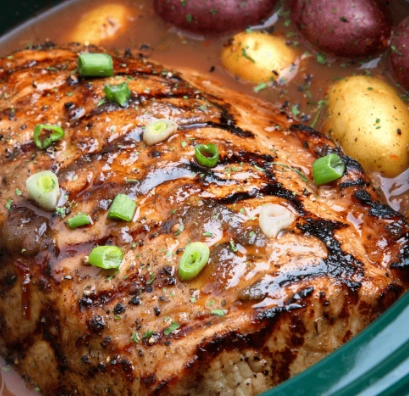
Transforming Texture: Ribeye has fantastic marbling (intramuscular fat) and often a cap of richer, more connective tissue. High-heat methods render the fat quickly but leave some of the tougher bits. Slow, moist heat at around 200-250°F (95-120°C) gently breaks down collagen into gelatin over 6-8 hours. This process turns potentially chewy parts into luxurious, melt-in-your-mouth goodness. The meat becomes fork-tender while staying incredibly juicy because it's cooking in its own juices and added liquid.
The Ultimate Convenience: This is the "set-and-forget" magic. You spend 15 minutes prepping in the morning, and dinner is ready when you get home. No babysitting a pan, no worrying about overcooking. It's perfect for busy days, meal prep, or when you want to entertain without being stuck in the kitchen.
Deep, Infused Flavor: Unlike dry-heat cooking, a slow cooker allows you to build a flavor bath. Onions, garlic, herbs, broth, wine, or even a splash of coffee (trust me) have hours to mingle and penetrate deep into the meat. Every bite is seasoned throughout, not just on the surface.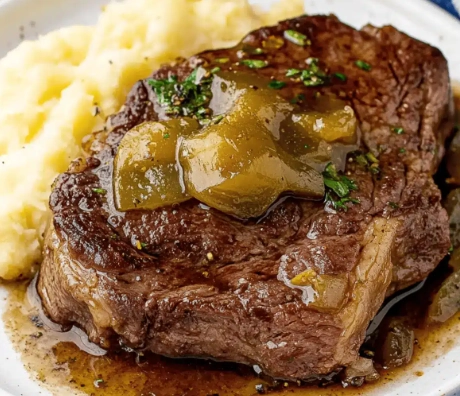
Slow Cooker vs. Fast Sear: When to Choose Which
| Method | Best For | Texture Goal | Active Time | Flavor Profile |
|---|---|---|---|---|
| Slow Cooker / Braising | Weeknight dinners, meal prep, colder weather, less expensive/tougher cuts (like chuck), or creating "pull-apart" tender ribeye for sandwiches/tacos. | Fall-apart, shreddable, uniformly tender. | Low (~15 mins prep) | Deep, complex, broth-infused. |
| Grill / Skillet (Searing) | Special occasions, showcasing premium marbling, warmer weather, achieving a Maillard reaction crust. | Firm, juicy bite with a distinct seared crust and pink interior. | High (~30 mins active) | Beef-forward, caramelized, smoky (if grilled). |
How to Cook Ribeye Steak in a Slow Cooker: A Step-by-Step Guide
Here's the foolproof process. Forget the myth that you can just dump a raw steak in and walk away. A few key steps make all the difference.
Step 1: Selecting and Prepping Your Steak
You don't need a 2-inch thick, dry-aged prime ribeye here. In fact, a 1 to 1.5-inch thick choice-grade ribeye works beautifully and is more budget-friendly. Look for good marbling. Pat the steaks completely dry with paper towels. This is non-negotiable for getting a good sear. Season aggressively with salt and pepper at least 30 minutes before, or even the night before. Letting it sit uncovered in the fridge overnight (dry-brining) will season it deeply and improve texture.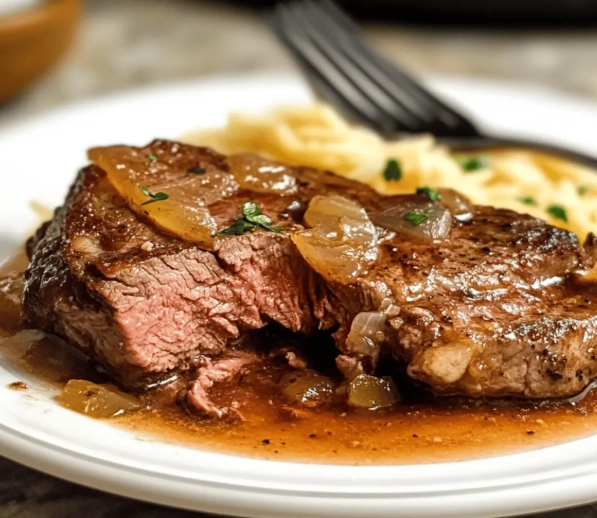
Step 2: The Critical Sear (Don't Skip This)
This is the step most recipes gloss over, but it's what separates a bland, gray stew from a deeply flavorful braise. Heat a heavy skillet (cast iron is best) over high heat with a high-smoke-point oil like avocado or canola. When the oil is shimmering, sear the ribeye for 2-3 minutes per side until a dark brown crust forms. Don't move it around. You're not cooking it through, just building flavor via the Maillard reaction. That crust is packed with savory compounds that will dissolve into your cooking liquid and enrich the entire dish.
Step 3: Building Your Flavor Base in the Pot
While the steak rests, use the same skillet to sauté your aromatics. A diced onion and a few minced garlic cloves, cooked until softened, will do wonders. Deglaze the pan with a quarter cup of liquid—red wine, beef broth, or even water—scraping up all the browned bits (fond). That's pure flavor. Pour this mixture into the bottom of your slow cooker.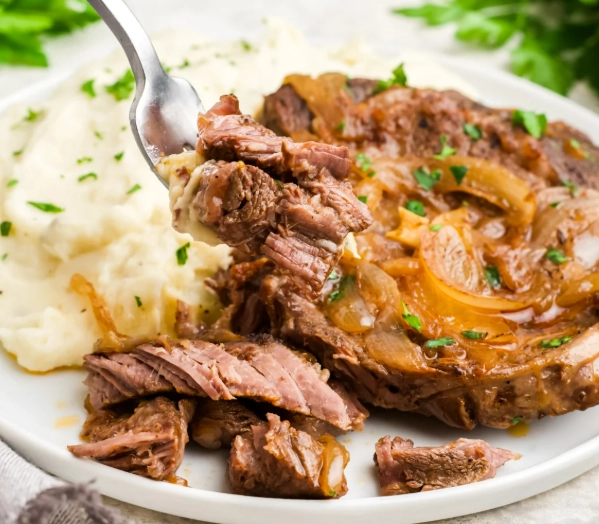
Step 4: The Long, Slow Cook
Place the seared ribeye steaks on top of the aromatics. Add your braising liquid—enough to come about one-third to halfway up the sides of the steak. Beef broth is standard, but a mix of broth and a can of condensed cream of mushroom soup creates a fantastic gravy base. Add hardy herbs like thyme or a bay leaf. Do not submerge the steak completely. You want it to braise, not boil.
- Low and Slow: 6-8 hours on LOW is ideal for achieving that pull-apart tenderness.
- High Heat Shortcut: 3-4 hours on HIGH. The texture won't be quite as sublime, but it's still very good in a pinch.
The steak is done when it reaches an internal temperature of at least 195-205°F (90-96°C) for shredding tenderness. Yes, that's well-done, but in the context of braising, it's necessary to break down all the connective tissue. It will not be dry because it's been cooking in liquid and fat.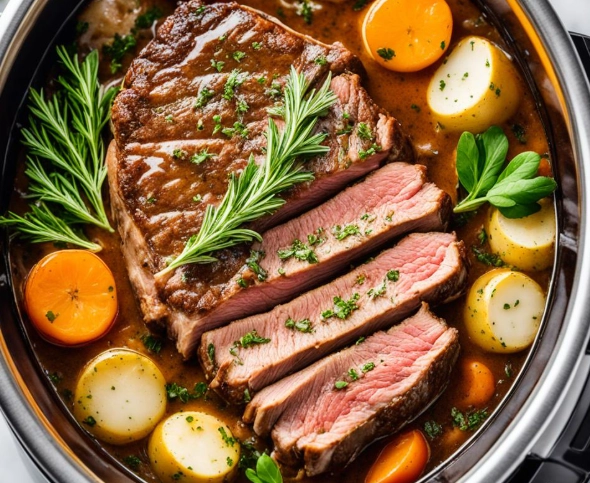
Step 5: Finishing and Serving
Carefully remove the steaks. They will be very tender. If you want a thicker sauce, pour the liquid from the pot into a saucepan, bring to a simmer, and reduce it by half, or whisk in a slurry of cornstarch and water. Shred the meat with two forks or serve it in whole, tender pieces. It's incredible over mashed potatoes, creamy polenta, or buttered egg noodles, with the reduced sauce poured over the top.
Flavor Boosters: Two Can't-Miss Slow Cooker Ribeye Recipes
1. Classic Red Wine & Herb Braised Ribeye
This is your foundation recipe. After searing, use 1 cup of a dry red wine (like Cabernet Sauvignon) to deglaze the pan. Add that to the slow cooker with 1 cup of beef broth, a small chopped onion, 3 crushed garlic cloves, 2 sprigs of fresh rosemary, and 3 sprigs of thyme. Cook as directed. The wine adds acidity and depth that cuts through the richness of the ribeye fat.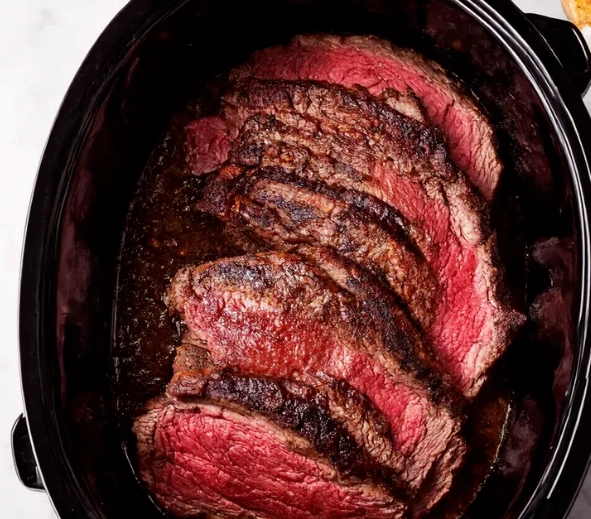
2. Coffee & Black Pepper Crusted Ribeye with Onion Gravy
This one surprises people. Mix 1 tbsp finely ground coffee (not instant), 1 tbsp coarse black pepper, 2 tsp brown sugar, 1 tsp salt, and 1 tsp garlic powder. Rub this all over the steaks before searing. The coffee adds a deep, earthy, almost smoky note that pairs amazingly with beef. For the pot, use 2 large sliced onions and 2 cups of beef broth. After cooking, the onions will have melted into a sweet, incredible gravy. Thicken slightly if desired.
The Pitfalls: Common Slow Cooker Ribeye Mistakes to Avoid
I've made these so you don't have to.
- Not Searing: This is the #1 error. You'll miss out on tons of flavor. The meat will taste steamed, not braised.
- Using Too Much Liquid: Submerging the steak leads to boiling, which can make the meat stringy and wash out flavor. You only need enough to create steam and a little braising liquid.
- Overcooking on High: While you can cook on high, LOW is always better for tough tissue breakdown. High heat can sometimes toughen meat before it has a chance to tenderize.
- Adding Delicate Veggies Too Early: Mushrooms, carrots, or potatoes added at the beginning will turn to mush. Add them in the last 1-2 hours of cooking.
Your Slow Cooker Ribeye Questions, Answered
Won't a slow cooker ribeye steak turn out dry and tough?
Is it safe to cook steak on low for so many hours?
This seems like a waste of an expensive cut. Shouldn't I use a cheaper steak?
Can I put frozen ribeye steaks directly into the slow cooker?
My sauce is too thin. How can I thicken it at the end?
Give it a shot. Take that ribeye you were going to pan-sear, and instead, give it the slow, patient treatment. You might just discover your new favorite way to cook one of the best cuts of beef there is. The convenience is unbeatable, and the tenderness is something you have to experience to believe.
Reader Comments