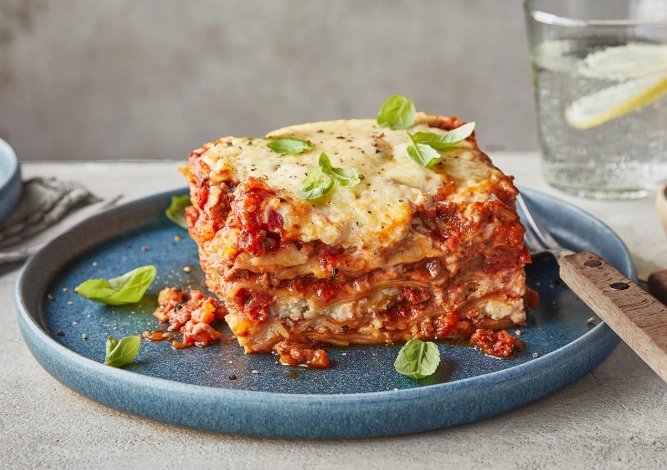
Let's be honest. The idea of making a classic lasagna from scratch can stop you in your tracks. Browning the meat, boiling the noodles, juggling multiple pots, and then still having to bake it for an hour. It's a project. What if I told you there's a way to get that same deep, comforting flavor and perfect layered texture with about 20 minutes of hands-on work? No browning, no boiling, no fuss. Your slow cooker (or crock pot) is the key.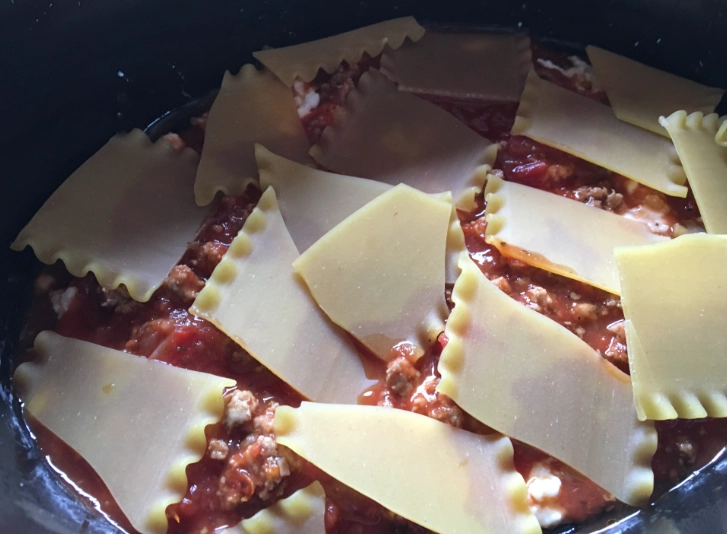
I've been making lasagna this way for nearly a decade, ever since a hectic week forced me to throw raw ingredients into the pot as a last-ditch dinner effort. The result shocked me. It was better than my traditional method. The flavors melded more completely, the meat became incredibly tender, and the edges got that coveted slight crispness. This isn't a compromise; for busy households, it's an upgrade.
What's Inside This Guide
Why Skipping the Browning Step Actually Works
Every other recipe tells you to brown the meat first. They claim it's for "flavor" or "texture." In a traditional oven-baked lasagna, that's partially true—the quick, high heat creates Maillard reaction flavors. But in a slow cooker, the rules change. The long, moist, low-temperature environment (typically between 170°F and 200°F on Low) performs a different kind of magic.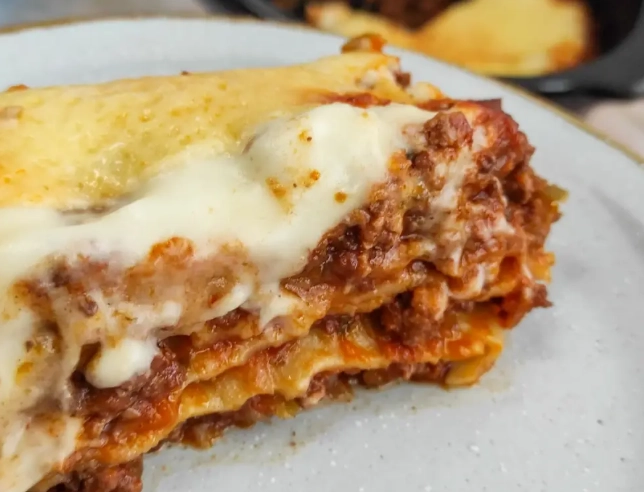
Raw ground beef or Italian sausage, when nestled in sauce and cooked for 4-6 hours, doesn't fry; it braises. The connective tissues break down slowly, resulting in meat that's tender and distributes its flavor throughout the entire dish. The fat renders gently into the sauce, enriching it without the risk of burning or creating a greasy layer. The USDA confirms that cooking raw meat to a safe internal temperature of 160°F is easily achieved in a slow cooker's consistent heat, making pre-browning a safety step you can often skip for convenience.
The real benefit? You eliminate the biggest mess and time-suck. No spattering stovetop, no draining grease, one less pan to wash. You go straight from package to pot.
Your Grobage List: The Non-Negotiables and Smart Swaps
Success hinges on ingredient quality. You can't hide behind pre-cooking when everything goes in raw.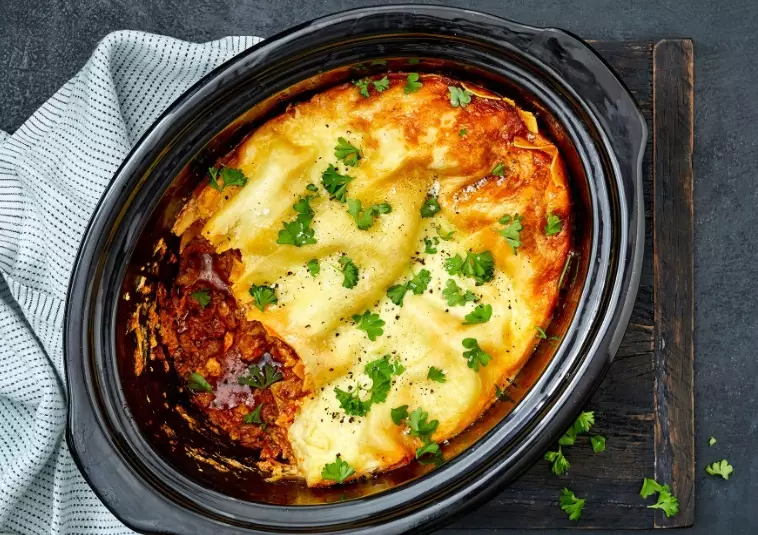
The Core Foundation (Don't Skimp Here)
- Ground Meat: 1 to 1.5 lbs. 80/20 ground beef or a mix of beef and mild Italian sausage. The fat is crucial for moisture. Ultra-lean meat (93/7) will dry out.
- Pasta Sauce: 1 (24-26 oz) jar of a robust marinara or tomato-basil sauce. Don't use a plain "tomato sauce." Think Rao's Homemade, Victoria, or a similar brand with visible herbs and olive oil. This is your primary flavor driver.
- Lasagna Noodles: 1 box (about 12 sheets) of regular, no-boil/oven-ready lasagna noodles. This is the secret weapon. Do not use noodles that require boiling. They will turn to glue.
- Ricotta Layer: 15-16 oz whole milk ricotta, 1 large egg, 1/4 cup grated Parmesan, 2 tbsp chopped fresh parsley (or 1 tsp dried). Full-fat ricotta is non-negotiable for creaminess.
- Cheese: 3-4 cups of shredded low-moisture mozzarella. Pre-shredded is fine, but block cheese you shred yourself melts smoother.
Swaps and additions? Sure. Add 8 oz of sliced mushrooms or a cup of thawed frozen spinach (squeezed dry) to the meat layer. Use ground turkey, but add a tablespoon of olive oil to the sauce to compensate for less fat. For a richer sauce, stir in 2 tbsp of tomato paste into your jarred sauce.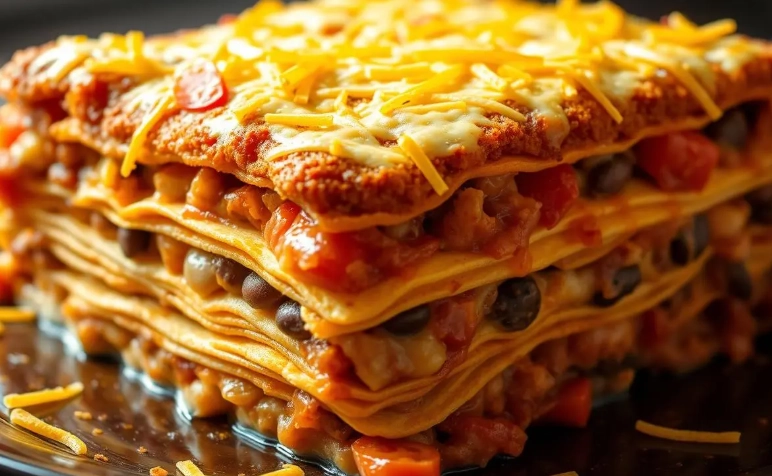
The Foolproof Layering Sequence (Get This Wrong and It's Mush)
The order is everything. It ensures the noodles cook through and the structure holds. For a standard 6-quart oval slow cooker.
- The Base Sauce: Spread 3/4 cup of your pasta sauce evenly over the bottom. This prevents sticking and starts the noodle hydration.
- First Noodle Layer: Break 3-4 no-boil noodles to fit and cover the sauce in a single layer. Overlap slightly.
- The Raw Meat Layer: Crumble HALF of your raw ground meat evenly over the noodles. Don't press it down. Sprinkle with salt, pepper, and a pinch of garlic powder. Spoon 3/4 cup of sauce over the meat.
- First Cheese Layer: Dollop half of your ricotta mixture in small spoonfuls over the sauce, then sprinkle with 1 cup of mozzarella.
- Repeat: Add another layer of noodles, the remaining raw meat, another 3/4 cup of sauce, the rest of the ricotta, and another cup of mozzarella.
- The Finale: Top with a final layer of noodles. Pour the remaining sauce (you should have about 1 cup left) over the top, making sure to cover every bit of noodle edge. This is critical for preventing hard, crunchy noodles. Finish with the remaining mozzarella and an extra sprinkle of Parmesan.
The One Rule You Must Follow: Sauce always goes on top of the dry noodles, never underneath them in the layering. If you place a dry noodle directly on top of a cheese or meat layer without sauce in between, it will stay hard and absorb moisture from the filling, making it gummy. Sauce first, then noodle.
Navigating Slow Cooker Settings and Times
This is where personal experience trumps generic advice. All slow cookers run at slightly different temperatures. My 10-year-old Crock-Pot runs hot, while my newer Ninja is more gentle.
- Standard 6-Quart Cooker on LOW: 4 to 5 hours is the sweet spot. At 4 hours, check the center with a knife; the noodles should be tender. At 5 hours, the edges will be darker and firmer, which some people prefer.
- On HIGH: 2.5 to 3.5 hours. I rarely use High because the window for perfect noodles is smaller. It can go from underdone to over-mushy in 30 minutes. If you must use High, check at 2.5 hours.
- The Lid Rule: Do not open the lid during the first 3 hours on Low (or 1.5 hours on High). Each peek releases steam and heat, adding 15-20 minutes to your cook time.
- The Finish: When cooking is done, unplug the slow cooker, remove the ceramic pot from the heating base (if possible), and let it sit for 25-30 minutes. This resting period is not optional. It allows the lasagna to set, so you can slice it instead of scooping it.
3 Mistakes That Ruin Slow Cooker Lasagna
I've made these so you don't have to.
1. Using the Wrong Noodles
Boiling regular lasagna noodles and then slow-cooking them creates a starchy, gummy brick. Oven-ready noodles are designed to absorb the precise amount of liquid they need from the surrounding sauce. They hold their structure.
2. Overfilling or Under-saucing
Piling the layers too high prevents even cooking. Leave at least an inch of space from the top of the pot. And if you see a dry spot of noodle while assembling, add an extra spoonful of sauce. Dry spots equal hard, uncooked pasta.
3. Skipping the Resting Time
Impatience leads to soup. The proteins and starches need time to relax and bind after the heat is off. That 30-minute wait is the difference between a beautiful slice and a sloppy pile.
Your Top Questions, Answered
The beauty of this method is its reliability. It turns a weekend project into a feasible weeknight dinner. You get all the comfort of a layered, cheesy, meaty lasagna with a fraction of the active effort and cleanup. Give it a shot on your next busy day. Set it, forget it, and come home to a kitchen that smells like an Italian grandmother's—without having to do any of the hard work she would have.
Reader Comments