You’re staring at the meat case, wondering which hunk of beef will magically turn into that fall-apart, spoon-tender masterpiece in your slow cooker. The short, frustrating answer is: not all of them. Pick wrong, and you’ll end up with dry, stringy, or just plain tough meat, no matter how long you cook it. After years of trial and (plenty of) error in my own kitchen, I can tell you the best cut of beef for slow cooking to break down tough fibers is, hands down, the chuck roast. But that’s just the headline. The real story is why it wins, what its close competitors are, and how to avoid the subtle mistakes that can ruin even the perfect cut.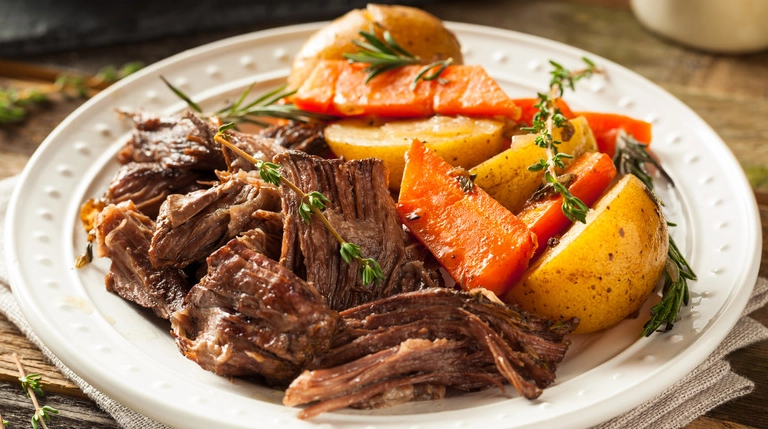
Your Quick Guide to the Best Slow Cooker Beef
- Why Slow Cooking Works for Tough Beef Cuts
- Top 3 Beef Cuts for Slow Cooking (Ranked)
- How to Choose the Right Cut for Your Slow Cooker
- Step-by-Step Guide to Perfect Slow Cooked Beef
- Common Slow Cooking Mistakes and How to Avoid Them
- Beyond the Basics: Other Cuts Worth Trying
- FAQs: Your Slow Cooker Beef Questions Answered
Why Slow Cooking Works for Tough Beef Cuts
It’s all about collagen. The cheaper, tougher cuts from the hard-working parts of the cow (shoulder, leg, chest) are loaded with connective tissue. This tissue is made of collagen, a tough protein that makes meat chewy. Here’s the magic: when you apply low, moist heat over a long period—like in a slow cooker set on LOW for 8-10 hours—that collagen slowly melts into gelatin.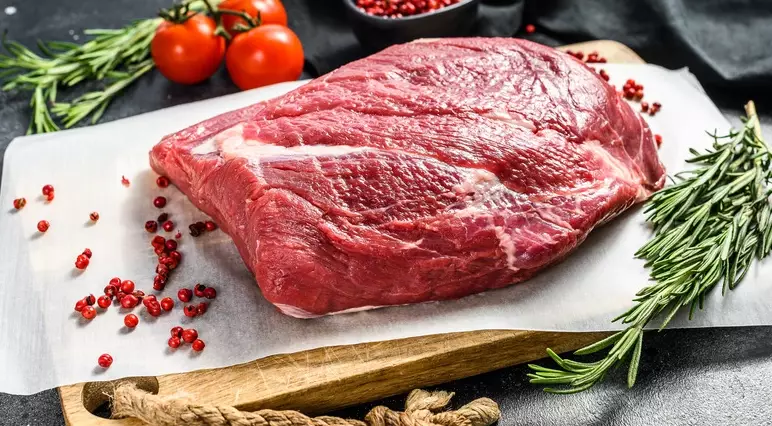
Gelatin is what gives well-braised meat its luxurious, juicy mouthfeel and that "falls off the bone" texture. It’s not that the muscle fibers themselves get softer; it’s that the tough glue holding them together dissolves, letting the fibers separate easily. The USDA recommends cooking beef to a safe minimum internal temperature of 145°F, but for these tough cuts, you need to go way beyond that, into the 190°F to 205°F range, to achieve that breakdown.
The Science Behind Collagen Breakdown
Think of collagen like a tight knot of ropes. High, dry heat (grilling) just tightens the knot, making the meat seize up. Low, wet heat is like slowly pouring warm oil over the knot—eventually, it loosens and slips apart. That’s the transformation happening in your pot.
Key Takeaway: Don’t fear fat and connective tissue. That marbling and those silvery sheets of fascia are your friends in slow cooking. They’re the source of flavor and tenderness. A common mistake is over-trimming a chuck roast. Leave a good cap of fat on one side—it will baste the meat as it cooks.
Top 3 Beef Cuts for Slow Cooking (Ranked)
Based on flavor, texture, value for money, and foolproof-ness, here’s my definitive ranking.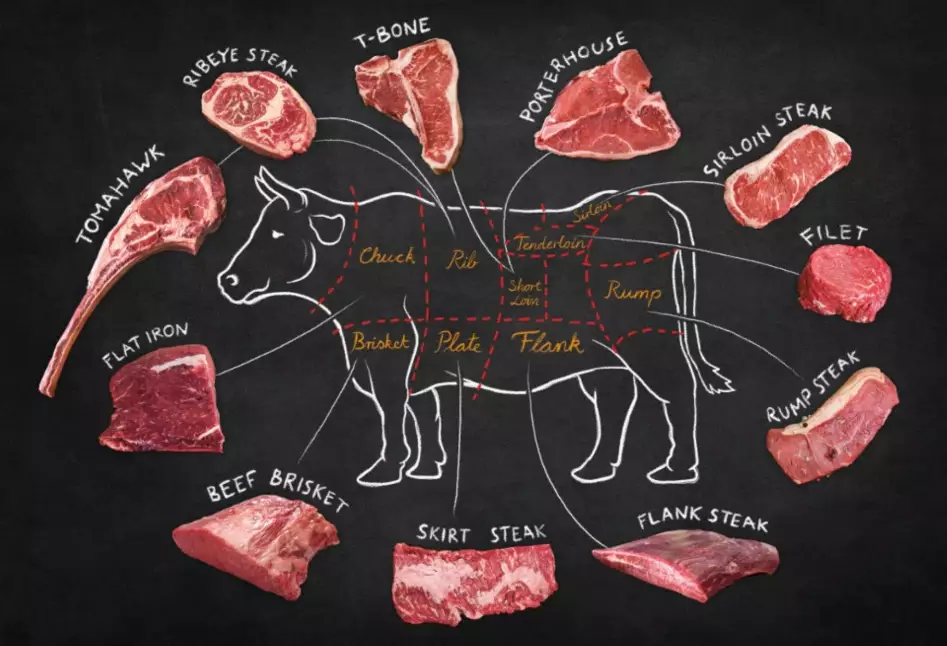
| Cut Name | Also Known As | Why It's Great for Slow Cooking | Best For | Avg. Price/Lb (USD) | My Personal Rating |
|---|---|---|---|---|---|
| 1. Chuck Roast | Chuck Eye Roast, Shoulder Pot Roast, Blade Roast | Perfect balance of meat, fat, and collagen. Forgiving and consistently turns out juicy. Rich, beefy flavor. | Classic pot roast, beef stew, shredded beef for tacos/sandwiches. | $5.99 - $8.99 | 10/10. The undisputed champion. |
| 2. Beef Brisket | Flat Cut, Point Cut | Extremely high collagen content. Yields incredibly tender, flavorful meat when cooked long enough. | Braised brisket dinners, chopped beef, a non-smoked BBQ style. | $7.99 - $12.99 | 9/10. Flawless when done right, but less forgiving than chuck. |
| 3. Beef Short Ribs | English Cut, Flanken Ribs | Bone-in richness and incredible marbling. The bone adds depth to the braising liquid. Impressive presentation. | Braising in red wine, Asian-style braises, "fancy" comfort food. | $9.99 - $14.99 | 8.5/10. Top-tier flavor, but a pricier option per serving. |
Chuck Roast: The Undisputed King
This comes from the cow’s shoulder. It’s a muscle that gets a lot of exercise, which means flavor and connective tissue. When you see it in the store, look for good marbling (white fat streaks within the red meat) and a thick, white cap of fat on one side. Don’t buy one that looks too lean—it will dry out. A 3-4 pound roast is ideal for a family, with plenty of leftovers. I once made the mistake of buying a "lean" chuck roast on sale. It cooked for 10 hours and still had a slightly dry, fibrous texture. Lesson learned: fat is flavor and moisture.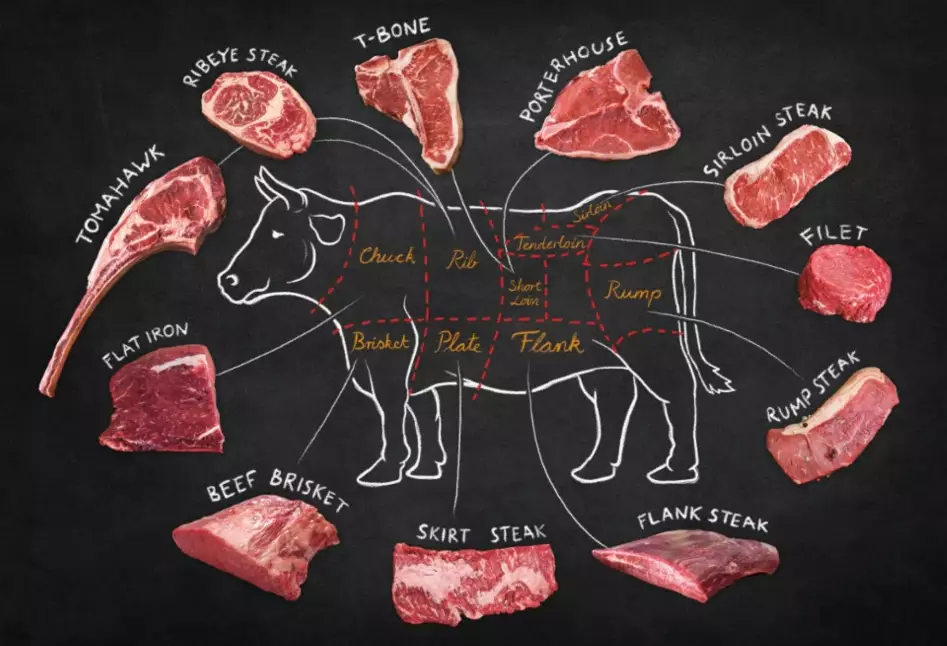
Brisket: The Barbecue Favorite
Brisket is from the chest. It’s leaner in muscle fiber but packed with connective tissue between the muscles. This is why it can be notoriously tough if not cooked properly. The "point" cut is fattier and more forgiving than the "flat" cut. If you’re new to slow cooking brisket, go for the point or a whole packer brisket. The biggest pitfall? Not cooking it long enough. It needs to push past 200°F internally to become tender.
Short Ribs: The Flavor Powerhouse
These come from the rib area. The meat is incredibly rich and well-marbled. The bone adds gelatin and flavor to your cooking liquid. They’re harder to mess up because the bone insulates the meat. The downside? Cost. You’re paying for bone weight, so the yield is lower. But for a special Sunday dinner, they’re unbeatable.
How to Choose the Right Cut for Your Slow Cooker
It’s not just about grabbing the first chuck roast you see.
For Feeding a Crowd on a Budget: Chuck roast is your workhorse. It’s affordable, readily available, and yields a lot of meat. A 4-pound roast can easily feed 6-8 people with sides.
For a "Wow Factor" Meal: Go for bone-in short ribs. They look impressive on the plate and have a deep, restaurant-quality flavor. Plan on 2-3 ribs per person.
If You Love Leftovers for Multiple Meals: A whole beef brisket is fantastic. Shred the leftovers for incredible beef sandwiches, add to chili, or make a quick beef fried rice.
Always check the color. The meat should be a bright cherry-red, not brown or dull. If it’s in a vacuum-sealed pack (like a lot of briskets are), it may have a darker, purplish hue—that’s normal and will turn red once exposed to air.
Step-by-Step Guide to Perfect Slow Cooked Beef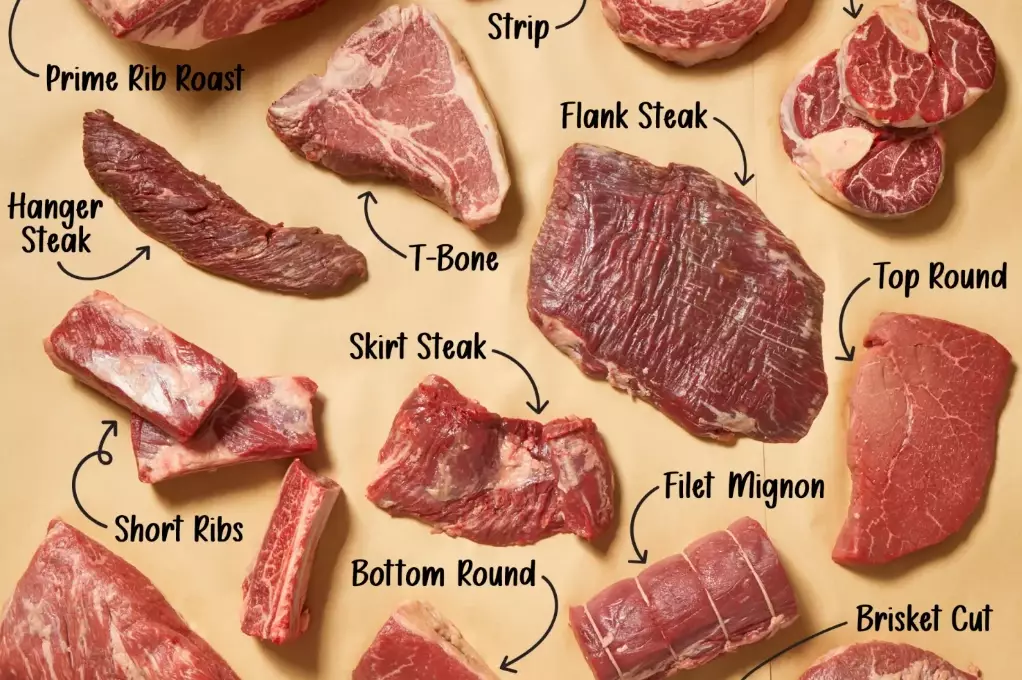
Here’s my non-negotiable routine for chuck roast, which applies to the other cuts too.
Step 1: The Sear (Don’t Skip This). Pat the roast completely dry with paper towels. Heat a tablespoon of oil in a heavy skillet until it’s shimmering. Sear the roast on all sides until a deep brown crust forms. This isn’t to "seal in juices" (that’s a myth, according to food science authorities like those at Serious Eats). It’s for the Maillard reaction, which creates hundreds of complex flavor compounds you won’t get from boiling meat alone.
Step 2: The Aromatics Base. While the skillet is hot, throw in a chopped onion, a few carrots, and celery stalks. Let them soften and pick up the browned bits (fond) from the meat. This deglazing step is free flavor. Scrape it all into the bottom of your slow cooker.
Step 3: Building the Braising Liquid. Place the seared roast on top of the veggies. Add your liquid—about 1 to 2 cups. This can be beef broth, red wine, beer, or even just water with a tablespoon of soy sauce for umami. The liquid should come about one-third to halfway up the side of the meat, not submerge it.
Step 4: The Long Wait. Set your slow cooker to LOW. For a 3-4 lb chuck roast, 8 hours is the sweet spot. For brisket, think 9-10 hours on LOW. Short ribs need 7-8 hours on LOW. High heat is tempting, but it makes the muscle fibers contract more aggressively, leading to a less tender result. Low and slow is the rule.
Step 5: The Rest and Sauce. When it’s fork-tender, carefully remove the meat to a cutting board and tent it with foil. Let it rest for 20 minutes. Meanwhile, pour the cooking liquid and softened veggies into a saucepan. Skim off excess fat from the top. You can thicken it with a cornstarch slurry or simply boil it down to a glossy, concentrated sauce. This resting period lets the juices redistribute, so your meat stays moist when you slice or shred it.
Common Slow Cooking Mistakes and How to Avoid Them
I’ve made most of these, so learn from my errors.
Overcrowding the Pot: You need space for heat to circulate. If you’re doubling a recipe, use a larger cooker or cook in batches.
Using the Wrong Cut: Trying to slow cook a tenderloin or sirloin steak is a waste of money. They have little collagen and will just turn dry and mealy.
Lifting the Lid: Every time you peek, you let out a significant amount of heat and steam, adding 15-20 minutes to your cooking time. Trust the process.
Adding Dairy Too Early: Ingredients like sour cream or cream should be stirred in during the last 30 minutes. If added at the beginning, they can curdle and separate over long cooking.
Underseasoning: Slow cooking mutes flavors. Be generous with salt, pepper, and herbs at the beginning. You can always adjust at the end.
Beyond the Basics: Other Cuts Worth Trying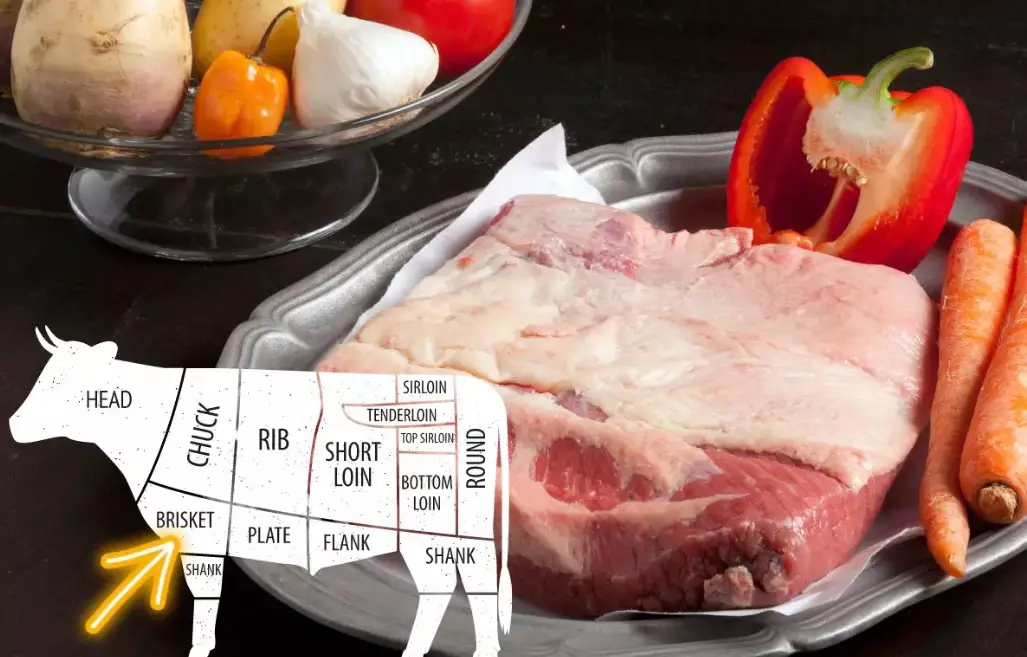
Once you’ve mastered the top three, experiment with these:
Beef Cheeks: If you can find them, they are collagen bombs that become unbelievably tender. They have a deeper, almost gamey flavor.
Oxtail: All bone and connective tissue, yielding a small amount of incredibly rich, gelatinous meat. Perfect for stews.
Bottom Round or Rump Roast: Leaner than chuck. It can work for slow cooking, but it’s less forgiving. You must slice it very thinly against the grain when it’s done, or it will seem tough. I’d only use it if chuck isn’t available.
FAQs: Your Slow Cooker Beef Questions Answered
The USDA advises against it. A large frozen roast can sit in the "danger zone" (40°F - 140°F) for too long as it slowly thaws, allowing bacteria to grow. Always thaw meat in the refrigerator before slow cooking for safety and more even cooking.
Two main reasons. First, you didn’t cook it long enough. The collagen hasn’t fully broken down. Give it another hour and check. Second, you might have chosen a roast that was too lean. Next time, look for more marbling. Also, ensure there’s enough liquid in the pot to create a steamy environment.
LOW, always. The gentle heat allows the collagen to melt slowly without violently squeezing out the meat’s natural juices. Cooking on HIGH often results in tougher meat, even if it cooks faster. Plan ahead and use the LOW setting.
Let the meat cool, then store it in an airtight container with some of its cooking liquid. This keeps it moist. It will last 3-4 days in the fridge. To reheat, do it gently. Simmer it in a saucepan with a bit of the saved liquid, or cover it and warm it in the oven at 300°F. Microwaving can make it rubbery if you’re not careful—use a lower power setting.
An Instant Pot (pressure cooker) can tenderize tough cuts in about 1/3 of the time. The result is very good, but some purists (myself included) find the texture from a traditional slow cooker is slightly more integrated and "melt-in-your-mouth." The pressure cooker is fantastic for speed, but the slow cooker develops deeper, more rounded flavors over time. If you’re short on time, pressure cook. If you want the absolute best texture and have the day, slow cook.
Reader Comments