Let's be honest. The idea of making pulled pork can feel intimidating. Smoking, brining, hours of monitoring – it sounds like a weekend project. But what if I told you the absolute best, most forgiving, and genuinely easy pulled pork comes from your humble slow cooker? It's true. This method isn't a compromise; for home cooks seeking flavor and simplicity, it's often the superior choice. I've made this recipe dozens of times, for game days, busy weeknights, and freezer meal prep. It never fails. The goal here isn't just a recipe; it's a reliable technique that turns an affordable pork shoulder into a mountain of juicy, flavorful meat you can use in a dozen different ways.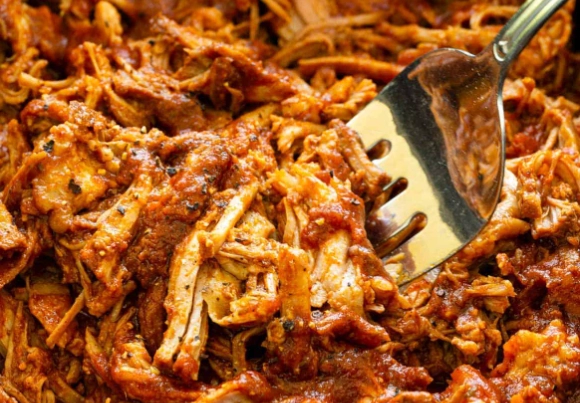
What's Inside: Your Pulled Pork Roadmap
How to Choose the Perfect Pork Shoulder (Butt vs. Picnic)
This is the first and most crucial step. Get this wrong, and you're fighting an uphill battle. You want a cut with plenty of intramuscular fat and connective tissue. That's what melts during the long cook, self-basting the meat and making it pull-apart tender.
You'll see two main cuts:
- Pork Shoulder (Boston Butt): This is your gold standard. It's from the upper part of the shoulder, is well-marbled, and often comes as a boneless or bone-in roast. I strongly recommend bone-in if you can find it. The bone contributes to a richer flavor in the cooking juices. A 4-6 pound roast is ideal for a standard 6-quart slow cooker.
- Pork Picnic Shoulder: This comes from the lower arm. It's usually cheaper and has a thicker skin or rind. It works, but it can be leaner and less evenly shaped, leading to some drier bits. If it's your only option, go for it, but Boston Butt is more forgiving.
Don't even think about using pork loin or tenderloin. They're too lean. They'll turn into dry, chalky shreds. Trust me, I learned this the hard way during a disastrous attempt to make a "healthier" version.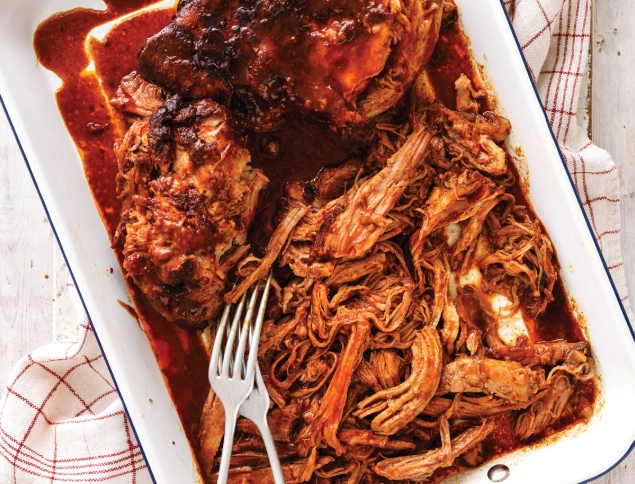
Pro Tip: Don't trim the fat cap! Place the roast fat-side up in the slow cooker. As it renders over 8 hours, that fat slowly drips down through the meat, basting it continuously. Trimming it is the #1 reason people end up with dry pulled pork.
The 5-Minute Flavor Bomb: Your Dry Rub
You don't need a store-bought packet loaded with sugar and anti-caking agents. Your spice cabinet has everything you need. The ratios here are a blueprint—feel free to adjust. Love smoke? Add more paprika. Hate heat? skip the cayenne.
| Ingredient | Quantity | Why It's There |
|---|---|---|
| Brown Sugar | 1/4 cup | Caramelizes gently, creating a savory-sweet crust (bark). |
| Paprika (Sweet or Smoked) | 2 tbsp | Adds color and a deep, earthy base flavor. |
| Garlic Powder | 1 tbsp | Provides consistent garlic flavor without burning. |
| Onion Powder | 1 tbsp | Same principle as garlic powder—reliable, sweet savoriness. |
| Kosher Salt | 1 tbsp | Essential for seasoning the meat all the way through. |
| Black Pepper | 2 tsp | Freshly ground is best for a brighter bite. |
| Dry Mustard | 1 tsp | A secret weapon that adds tangy complexity. |
| Cumin | 1 tsp | Warm, earthy notes that work beautifully with pork. |
| Cayenne Pepper (optional) | 1/2 tsp | Just a hint of warmth in the background. |
Mix it all in a bowl. Pat your pork shoulder completely dry with paper towels—this is non-negotiable for the rub to stick. Then, massage the rub onto every surface of the meat. Get it into every nook. You can do this right before cooking, but for deeper flavor, wrap it in plastic and let it sit in the fridge for an hour or even overnight.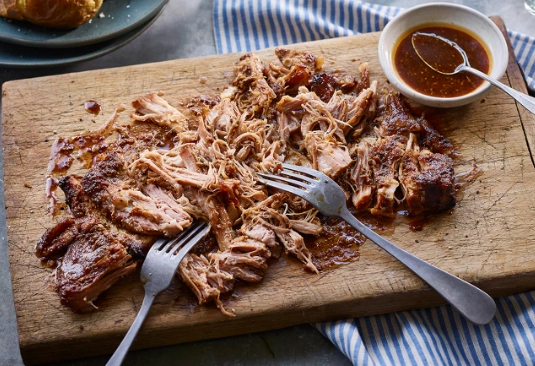
The "Set and Forget" Slow Cook Process
Here's where the magic happens. Place the rubbed roast, fat-side up, in your slow cooker insert.
Now, the liquid debate. Many recipes call for a cup or more of broth, apple juice, or soda. Here's my non-consensus take: you don't need to add any liquid at all. The meat will release plenty of its own juices as it cooks. Adding liquid steams the meat more than it braises it, and can dilute the concentrated flavors of the rub and rendered fat. If the idea of no liquid makes you nervous, add just 1/4 cup of water or apple cider vinegar to the bottom.
Cover and cook.
- On LOW for 8-10 hours: This is the ideal method. The low, gentle heat breaks down collagen into gelatin without squeezing out all the moisture.
- On HIGH for 5-6 hours: A decent shortcut, but the texture won't be quite as meltingly tender. The window between "done" and "overcooked and dry" is narrower.
It's done when you can easily twist a fork in the meat and it offers no resistance. An instant-read thermometer should read at least 195°F (90°C) for shredding, but I often let it go to 203°F (95°C) for ultimate tenderness.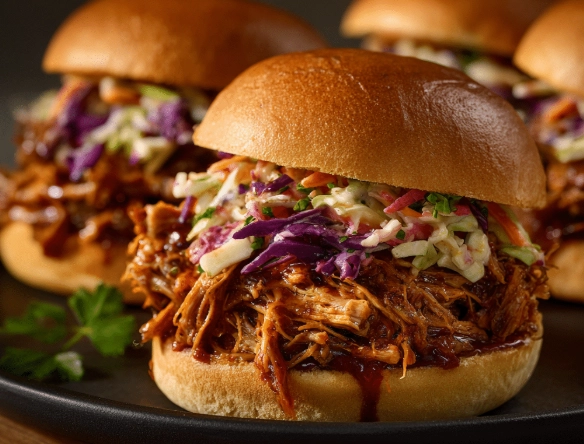
3 Subtle Mistakes That Ruin Slow Cooker Pork
These aren't the obvious ones. They're the quiet saboteurs.
1. Lifting the lid to check. Every time you lift the lid, you release a massive amount of heat and steam, adding 20-30 minutes to your cook time. Set it and walk away. Trust the process.
2. Skipping the rest. As soon as it's done, turn off the cooker. Let the pork sit in its juices, covered, for at least 30 minutes. This allows the muscle fibers to relax and reabsorb some of the liquid, making it juicier when you shred it.
3. Shredding in the cooker. Transfer the whole roast to a large bowl or cutting board to shred. Shredding it in the cooker often results in mushy meat because you're working it in all that hot fat and liquid. Use two forks, or for a fun, quick method, put on some disposable gloves and just pull it apart with your hands.
How to Shred, Sauce, and Serve Like a Pro
Once shredded, you have a decision. The meat is delicious as-is, seasoned by the rub and its own juices. But this is where you customize.
Take the cooking liquid from the slow cooker and pour it into a fat separator or a measuring cup. Let it sit for a minute—the fat will rise to the top. Skim off most of the fat, then pour the remaining flavorful defatted juices back over the shredded pork. This step is genius. It adds immense moisture and flavor without making the pork greasy.
Now, add sauce if you want. I like to keep it simple: a bottle of your favorite BBQ sauce, maybe thinned with a little of the cooking juices. Toss to coat. You can also serve the sauce on the side. Classic pulled pork sandwiches on soft buns with a vinegar-based slaw are a perfect match. But don't stop there.
Beyond Sandwiches: 5 Leftover Ideas You'll Love
This recipe makes a lot. That's the point. Here's how to reinvent it.
- Pulled Pork Tacos: Warm corn tortillas, add pork, top with diced onion, fresh cilantro, and a squeeze of lime. A quick pickled red onion takes it over the top.
- Loaded Nachos or Baked Potatoes: The ultimate comfort food upgrade. The rich pork is perfect with melty cheese and cool sour cream.
- Pulled Pork Pizza: Use BBQ sauce as the base, add pork, red onion, and mozzarella. Finish with cilantro after baking.
- Hearty Breakfast Hash: Sauté diced potatoes and onions until crispy, stir in some pulled pork to warm through, top with a fried egg.
- Freezer Gold: Portion cooled, unsauced pork into freezer bags, press flat, and freeze for up to 3 months. It's a future meal in minutes.
Your Pulled Pork Questions, Answered
Can I use pork loin or tenderloin in the slow cooker for pulled pork?
I strongly advise against it. Pork shoulder (Boston butt) has a high fat content and connective tissue that breaks down into gelatin during the long, slow cook, resulting in moist, shreddable meat. Loin and tenderloin are very lean. Cooked for 8 hours, they will become dry, stringy, and chalky. They're better suited for quick-cooking methods like roasting or grilling. Stick with the shoulder for authentic pulled pork texture.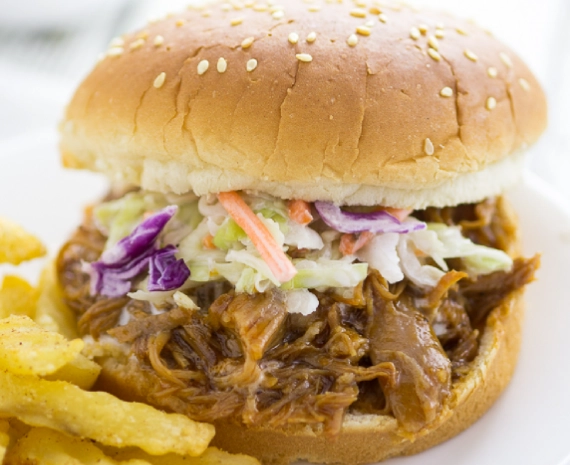
My pulled pork turned out dry. What's the most likely reason?
Assuming you used the right cut (pork shoulder), dryness usually comes from one of two places. First, overcooking on too high a heat. Low and slow is the mantra for a reason. Second, and this is more common than people think, not letting the meat rest after cooking. When the meat is done, the fibers are tight and have pushed out moisture. Letting it sit, covered, for 30-60 minutes allows those fibers to relax and reabsorb a significant amount of the juices. Also, remember to add back some of the defatted cooking liquid after shredding.
Do I really need to sear the pork before putting it in the slow cooker?
It's not strictly necessary for tenderness, but it's a massive flavor upgrade. A 5-7 minute sear in a hot pan creates a Maillard reaction on the surface—that's the browning that gives you deep, savory, complex flavors (the "bark"). Without searing, your pork will taste good. With searing, it tastes restaurant-quality. If you have 10 extra minutes, do it. Sear in a skillet with a little oil until browned on all sides, then transfer to the slow cooker.
How long can I safely keep leftover pulled pork in the fridge or freezer?
For the fridge, store it in an airtight container with any juices for up to 4 days. For freezing, portion it (without sauce, if possible, as some sauces can separate when frozen) into freezer-safe bags or containers. Press the air out, label it, and freeze for up to 3 months for best quality. Thaw in the fridge overnight. Reheat gently in a saucepan with a splash of water, broth, or sauce to prevent drying out.
What's the best way to reheat pulled pork without drying it out?
The microwave is the enemy here. It zaps moisture. The best method is on the stovetop. Place the pork in a saucepan or skillet with a few tablespoons of its cooking liquid, broth, water, or even apple juice. Cover and heat over low-medium heat, stirring occasionally, until warmed through. You can also reheat it covered in an oven at 300°F (150°C) with a little liquid until hot. The key is always to add back a bit of moisture during the reheating process.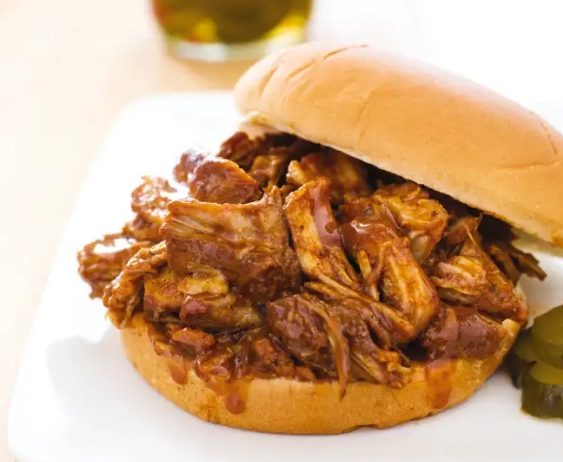
Reader Comments