You’re staring at your Crockpot, a pack of chicken on the counter, and that nagging question pops up: high or low? It’s not just a minor setting change—it’s the difference between a juicy, fall-apart dinner and a dry, disappointing chew. I’ve been there, and after years of trial and error (including some truly dry chicken breasts), I’ve learned the answer isn't one-size-fits-all. Let’s cut through the confusion right now.
The best setting depends on your schedule and the cut of chicken. Low heat (6-8 hours) is the undisputed champion for flavor, tenderness, and hands-off cooking, especially for bone-in, skin-on, or fattier cuts like thighs. High heat (3-4 hours) is a safe, effective shortcut for boneless, skinless breasts when you’re in a hurry, but it requires more attention to avoid dryness. For most people aiming for the best possible result, low is the way to go.
What You’ll Learn
High Heat vs Low Heat: A Side-by-Side Comparison
Think of your Crockpot’s settings not as "fast" and "slow," but as different cooking environments. High heat pushes the internal temperature to the "safe zone" (165°F or 74°C) faster, while low heat takes a more gradual, gentle path. This difference in pace changes everything about the final product.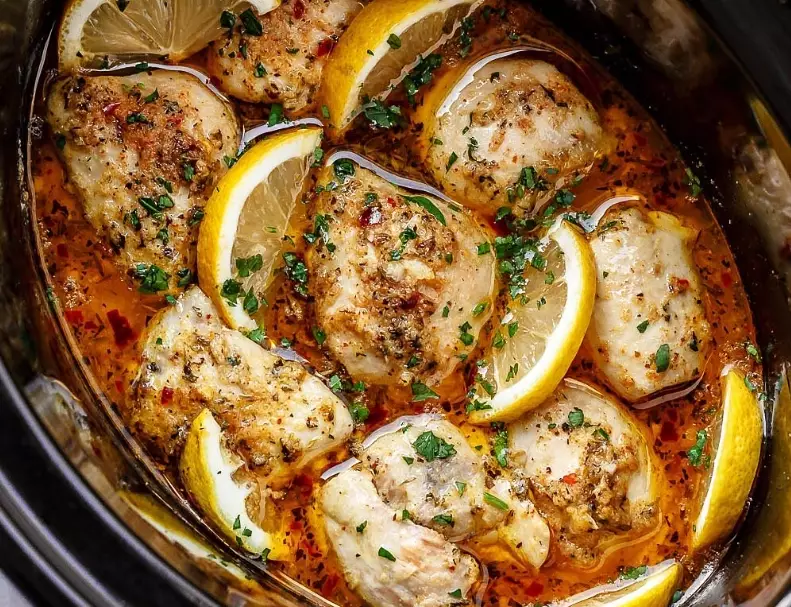
| Aspect | High Heat (3-4 Hours) | Low Heat (6-8 Hours) |
|---|---|---|
| Best For | Boneless, skinless chicken breasts; time-crunched weeknights. | Bone-in thighs, drumsticks, whole chicken; maximizing flavor & tenderness. |
| Texture Outcome | Can be slightly firmer; risk of dryness if overcooked by even 30 minutes. | Consistently juicier, more "shreddable" texture; collagen breaks down fully. |
| Flavor Development | Good, but less time for flavors to meld deeply. | Superior. Herbs, spices, and sauces have hours to penetrate the meat. |
| Safety & Flexibility | Reaches safe temp faster. Less forgiving on timing. | Wide, safe cooking window. You can often add an extra hour without ruin. |
| Common Mistake | Treating it like an oven and cooking breasts for 4+ hours, guaranteeing dryness. | Using too little liquid for very long cooks, leading to burning at the edges. |
The Science Behind the Tenderness
Chicken muscle fibers tighten as they cook, squeezing out moisture. On high heat, this happens rapidly. The connective tissue (collagen) in tougher cuts like thighs needs a long, slow, moist environment to dissolve into gelatin, which is what gives you that luxurious, melt-in-your-mouth feel. Low heat provides that perfect environment. High heat doesn’t give it enough time, which is why boneless breasts—which have very little collagen—are its only good match.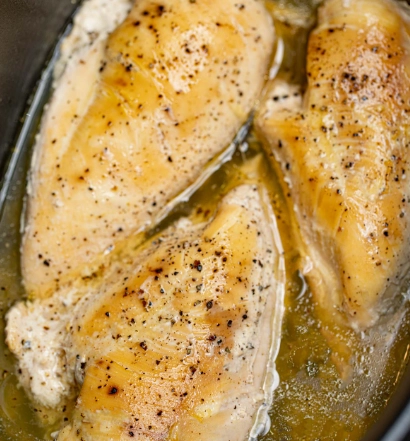
How to Cook Chicken on High Heat in a Crockpot
Choose this path when the clock is ticking, but follow these steps to avoid the dryness trap.
The Golden Rule for High: Boneless, skinless breasts only, and set a timer. Thighs on high will be safe but won't reach their full potential.
- Prep Your Pot: Always add a base layer of liquid—broth, sauce, salsa, or even just ½ cup of water. This creates steam and prevents the direct heat from seizing the chicken bottom.
- Season & Place: Season your chicken generously. For flavor infusion, place aromatics (onion slices, garlic) underneath. Lay the breasts in a single layer if possible.
- The Liquid Cover: Pour your cooking liquid (e.g., a can of diced tomatoes, cream of chicken soup mixed with broth) over the chicken until it's about halfway submerged. Don't fully drown it.
- Set & Forget (But Not Really): Cover and cook on HIGH for 3 to 3.5 hours. This is critical. At 3 hours, start checking with a meat thermometer. The second it hits 165°F (74°C) in the thickest part, it's done. Remove it immediately.
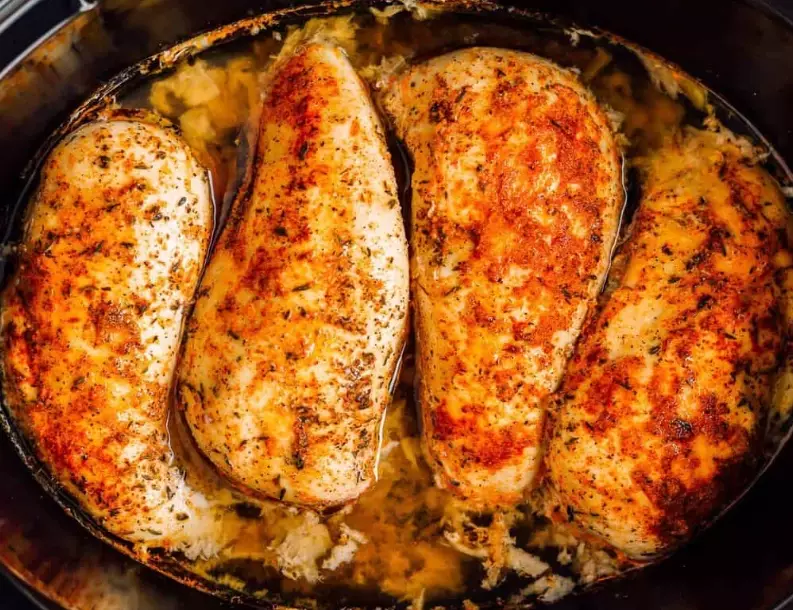
Let’s talk about a specific scenario. You want shredded chicken for tacos tonight, and you only have 4 hours before dinner. Here’s your game plan:
Grab 2 lbs of boneless, skinless breasts, a jar of your favorite salsa (about 16 oz), and a packet of taco seasoning. Dump it all in, stir, and cook on high. At the 3-hour mark, check it. If it shreds easily with forks, it's ready. If not, give it another 15-20 minutes. Do not let it go to 4.5 hours. The salsa provides both flavor and the necessary liquid barrier.
How to Cook Chicken on Low Heat in a Crockpot
This is the Crockpot’s sweet spot. It’s why you bought the appliance. It’s forgiving, transformative, and delivers restaurant-quality tenderness at home.
Best Candidates for Low: Chicken thighs (bone-in or boneless), drumsticks, leg quarters, or a whole small chicken. Even breasts benefit greatly here, gaining a more succulent texture.
- Embrace Fat & Bones: Don't shy away from skin-on, bone-in cuts for low heat. The bones add flavor to the broth, and the skin's fat bastes the meat from within. You can remove the skin after cooking if you prefer.
- Build a Flavor Base: Sauté onions, garlic, and celery in a pan for 5 minutes (optional but recommended). Place them in the pot first. This creates a flavorful "rack" for the chicken.
- Season Well & Add Liquid: Pat chicken dry, season aggressively with salt, pepper, and herbs. Place on the veggies. Add liquid—broth, wine, or a sauce—until it comes about one-third up the side of the chicken.
- The Long, Slow Cook: Cover and cook on LOW for 6 to 7 hours for parts, 7-8 hours for a whole bird. The chicken is done when it easily pulls away from the bone or shreds without resistance. A thermometer should read at least 165°F.
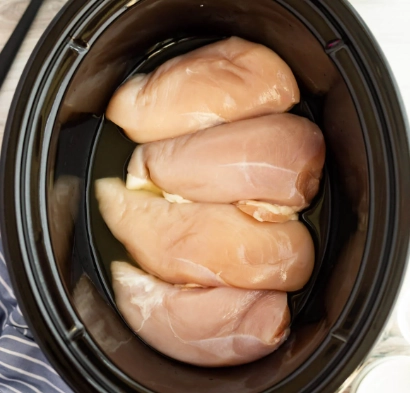
Here’s my go-to Sunday meal prep recipe. I take 4 lbs of mixed bone-in thighs and drumsticks, toss them with olive oil, paprika, garlic powder, onion powder, salt, and pepper. I layer sliced onions and carrots in the pot, place the chicken on top, and pour in 1 cup of chicken broth. On low for 7 hours, it yields perfectly tender meat for meals all week and a fantastic broth for soup.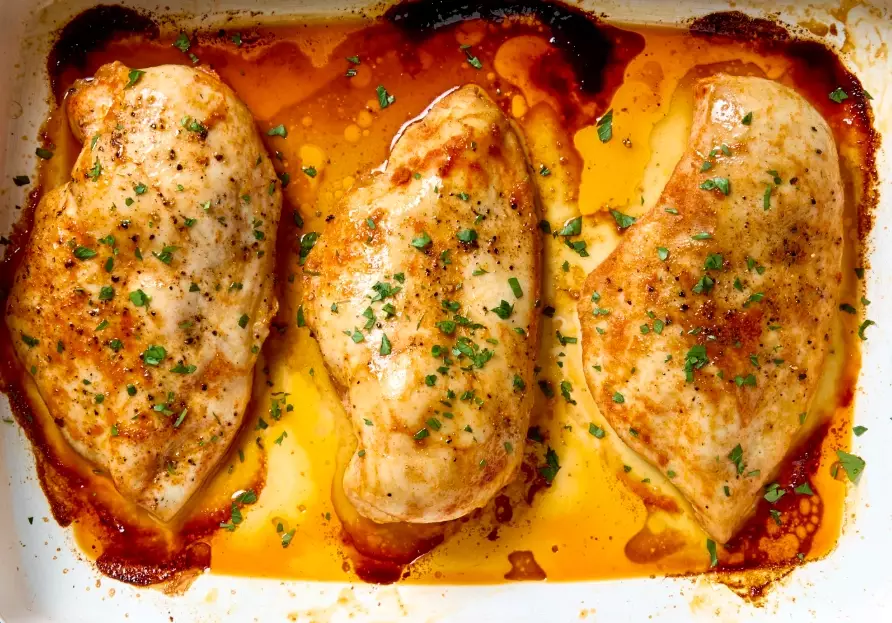
The Expert’s Verdict: Which Setting Should You Choose?
After years of testing, my advice is simple: default to LOW. It’s the Crockpot’s superpower. The extended time is not an inconvenience; it’s an insurance policy for perfect texture and deep flavor. Plan your meals in the morning, or use a programmable model to start later.
Reserve HIGH for true emergencies with boneless breasts, and guard the cooking time like a hawk. The convenience is real, but the margin for error is slim.
The Non-Consensus Opinion: Many guides say high and low eventually reach the same temperature, so it doesn't matter. Technically true for safety, but completely wrong for quality. The rate of temperature rise is what dictates texture. Low heat’s gentle climb allows muscle fibers to relax and retain juice, while high heat shocks them into squeezing it out. It’s the culinary difference between a warm bath and a boiling pot.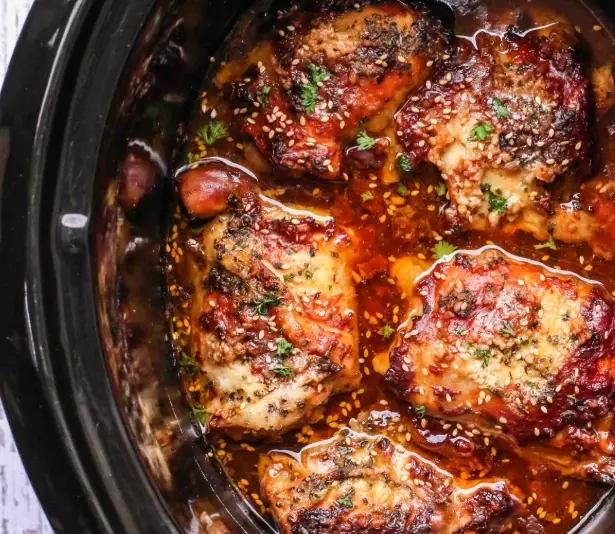
Your Crockpot Chicken Questions, Answered
The bottom line is this: your Crockpot is a tool for transformation, not just heating. Low heat unlocks its full potential, turning simple chicken into something extraordinary with minimal effort. High heat is a useful tool in the box, but use it with precision. Now you know the difference, you can choose with confidence and never face a dry chicken dinner again.
Reader Comments