Quick Navigation
Let's cut right to the chase. You've got a pack of raw ground beef sitting in your fridge, your slow cooker is sitting on the counter, and you're wondering if you can just toss one into the other, set it, and forget it for eight hours. I've been there. It's tempting, right? The promise of a hassle-free dinner is strong. But the short, and most important, answer is: Yes, you can, but you absolutely must do it the right way. And “the right way” is where most of the confusion and, frankly, the risk lies.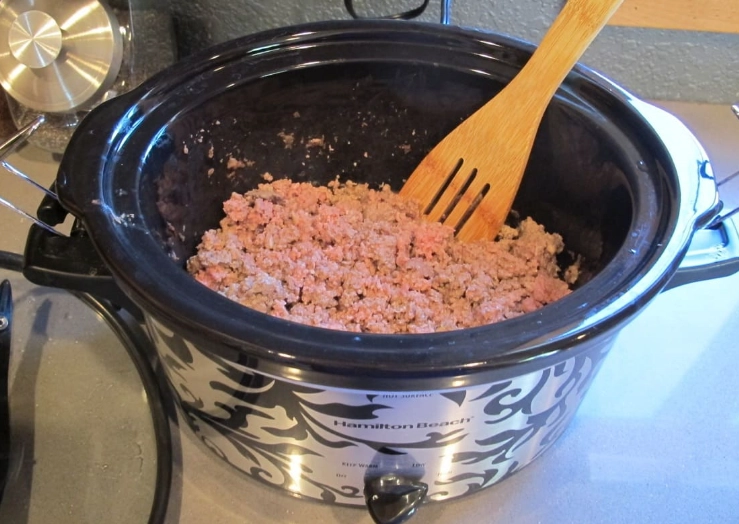
This isn't just about making a tasty meal; it's about making a safe one. Ground beef is tricky because of its surface area. All those nooks and crannies are perfect hiding spots for bacteria like E. coli and Salmonella. A slow cooker's low-and-slow environment can, if misused, become a breeding ground rather than a killing field for those nasties. So, the question "Can I cook raw ground beef in a slow cooker?" is really a gateway to a bigger conversation about food safety and technique.
Heads up: I'm not a food scientist, but I've spent years talking to them, reading guidelines from places like the USDA's Food Safety and Inspection Service, and learning from my own (thankfully minor) mistakes in the kitchen. This guide pulls all that together.
The Safety Debate: Why It's Not a Simple Yes or No
If you google this, you'll find forums full of people saying, "My grandma did it for years and we never got sick!" And they might be right. But food safety isn't about anecdotes; it's about minimizing risk, especially for kids, the elderly, or anyone with a compromised immune system. The core issue with cooking raw ground beef in a slow cooker is the temperature danger zone.
Slow cookers are designed to heat food slowly. If you plop a cold, dense block of raw ground beef into a pot, it can take too long to reach a safe internal temperature (which is 160°F or 71°C for ground beef, as per the U.S. food safety guidelines). During that slow climb from 40°F to 140°F, bacteria can multiply rapidly.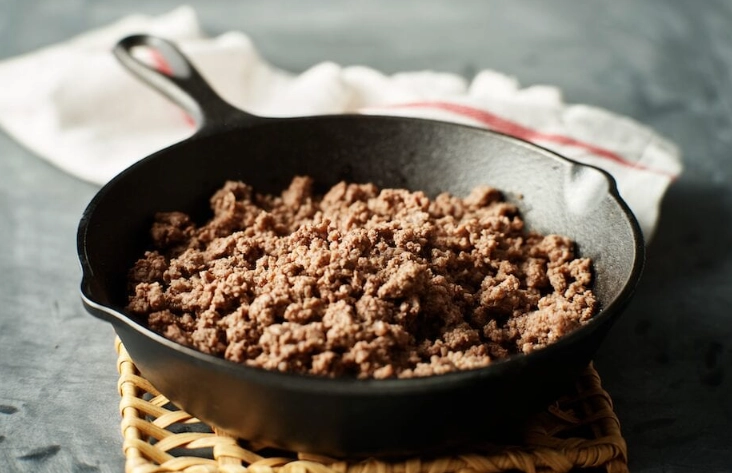
Here’s a quick comparison of methods to frame the debate:
| Method | Safety Profile | Flavor & Texture Outcome | My Personal Take |
|---|---|---|---|
| Dumping raw beef straight in | Risky. Long time in danger zone. | Can be greasy, mushy. Fat doesn't render well. | I don't recommend it. The risk, however small, isn't worth the minimal time saved. |
| Browning first (Searing) | Much Safer. Kills surface bacteria fast. | Superior. Better texture, richer, deeper flavor (Maillard reaction!). | The gold standard. Adds 10 minutes for a world of difference. |
| Using pre-browned/cooked beef | Safest. Danger zone is bypassed. | Convenient, but you lose the fond and some fresh beef flavor. | Great for ultra-quick assembly, but not my favorite for taste. |
See that middle row? That’s your winner. Asking "can I cook raw ground beef in a slow cooker" often leads people to the first, risky method. But the better question is, "How should I cook raw ground beef in a slow cooker for the best and safest results?"
The Foolproof, Safe Method: A Step-by-Step Blueprint
Let's walk through the method that will give you peace of mind and a fantastic dinner. This isn't just theory; it's my go-to process for chili, pasta sauces, and casseroles.
Step 1: The Non-Negotiable Brown
Heat a skillet over medium-high heat. No need for oil if your beef has enough fat. Break the beef up as it cooks. You're not just cooking it; you're looking for that nice brown crust on as many pieces as possible. This browning (the Maillard reaction) creates hundreds of new flavor compounds. It also instantly kills any surface bacteria, giving your slow cooker a head start. Drain the excess grease after browning. This one step cuts down on greasiness massively.
Step 2: The Layered Start
Don't just dump the beef in. For even cooking, put denser, hard vegetables (like chopped onions, carrots, celery) at the bottom of the slow cooker. They take longer to cook. Then add your browned ground beef. Pour in your liquids (broth, tomatoes, sauce). The liquid should cover the solid ingredients to ensure even heat transfer.
Step 3: The Right Setting & Time
This is crucial. Always start on HIGH for the first hour. This helps the contents quickly climb out of the temperature danger zone. After that initial hour, you can reduce it to LOW for the remainder of the cooking time. For most ground beef dishes, 4-6 hours on LOW (after the first high hour) is perfect. Cooking on LOW only for 8+ hours from the start is where the risk with raw beef creeps in.
Step 4: The Final Temperature Check
Invest in a good digital meat thermometer. It’s the only way to be sure. Before serving, stir the pot and check the temperature in a few spots, especially the center. It must read 160°F (71°C). If you’re adding dairy (like sour cream or cheese) or delicate veggies (like peas), stir them in during the last 30 minutes on HIGH to warm through without curdling or turning to mush.
That’s it. That’s the method that answers "Can I cook raw ground beef in a slow cooker?" with a confident and safe "Yes."
Beyond Safety: The Flavor and Texture Payoff
Safety is the number one reason to brown your beef, but let's talk about the delicious bonus. Skipping the sear is like making a soup without sautéing your onions and garlic first. You're missing foundational flavor.
When you brown the beef, those browned bits stuck to the pan (the "fond") are flavor gold. Deglaze the pan with a bit of your cooking liquid—wine, broth, even water—scrape it all up, and pour that into the slow cooker. You've just added a huge flavor boost that slow-cooking alone can't replicate.
Pro Tip: I often brown a huge batch of ground beef, drain it, and freeze it in portion-sized bags. When the slow cooker itch strikes, I grab a bag. It's partially cooked, safer, and I still get 90% of the flavor benefit. It feels like cheating.
Texture matters too. Browning gives the meat little caramelized edges and a firmer bite that holds up to hours of simmering. Raw beef that stews from a cold start tends to become homogenous and soft—fine for some applications, but lacking character.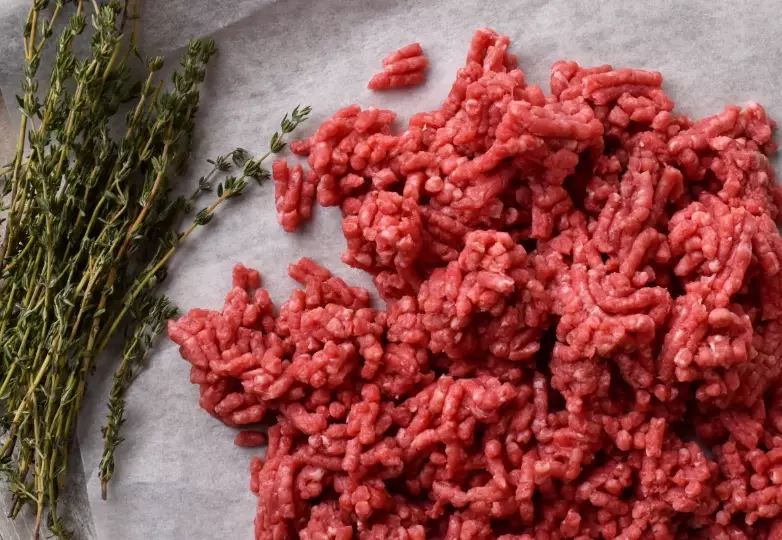
What About Frozen Ground Beef?
This is a big one. The internet is full of dangerous advice about putting frozen roasts or chicken breasts in the slow cooker. For ground beef, it's an even bigger no-go.
Putting a solid block of frozen ground beef in the slow cooker is arguably the riskiest method of all. It will languish in the temperature danger zone for far, far too long as it slowly thaws and then slowly heats. The CDC is very clear about thawing foods safely before slow cooking. Always thaw your ground beef in the fridge, under cold running water, or in the microwave before browning and adding it to the pot. Do not start with frozen.
Delicious Ideas: What to Actually Make
Okay, so now you know how to do it safely. But what should you make? Here are a few categories where your perfectly prepared slow cooker ground beef will shine.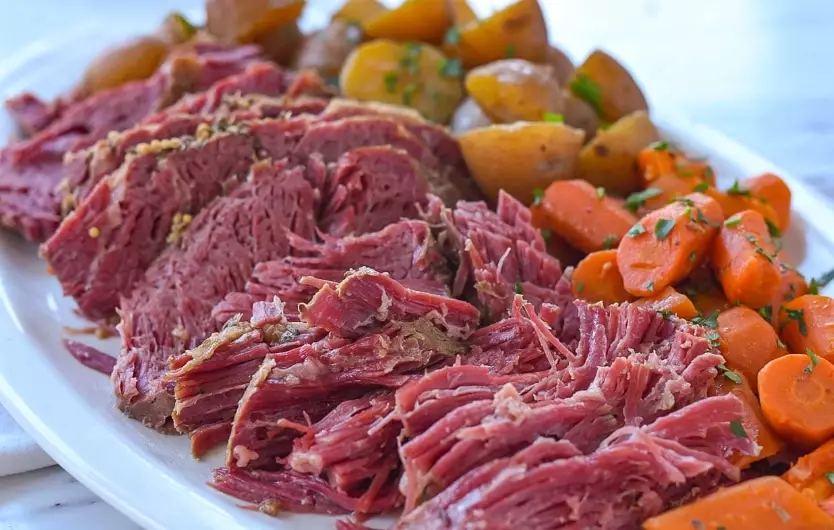
The Classics (They're Classics for a Reason)
Hearty Chili: The ultimate slow cooker dish. Brown your beef with onions and garlic, dump in beans (or not, for a Texas-style), tomatoes, chili powder, cumin, and let it meld for hours. The flavor only gets better.
Bolognese-Style Sauce: A proper ragù takes time. Browning the beef (and maybe some pancetta) is step one. Add soffritto (finely diced carrots, celery, onion), tomato passata, a splash of milk, and red wine. Let it bubble away on LOW for 6-8 hours. You'll never buy jarred sauce again.
Sloppy Joes: Brown the beef, then mix with a sweet and tangy sauce of ketchup, mustard, brown sugar, and vinegar. Let it simmer in the slow cooker so the flavors really penetrate the meat.
My Weeknight Savior: Taco/Burrito Filling
This is so simple it feels silly calling it a recipe. Brown 1.5 lbs ground beef (I use 85/15) with a chopped onion. Drain fat. Transfer to slow cooker. Add 1 cup beef broth, 2 tablespoons tomato paste, and a packet of your favorite taco seasoning (or 2 tbsp of homemade mix: chili powder, cumin, paprika, garlic powder, onion powder, oregano). Stir. Cook on LOW for 4-6 hours. In the last 30 minutes, you can stir in a can of drained black beans and some frozen corn. The meat becomes incredibly flavorful and tender, perfect for stuffing tortillas, topping nachos, or loading into bowls.
The "Dump-and-Go" Compromise (The Safer Way)
I get it. Sometimes you just can't face the extra pan. If you must minimize steps, here’s the safest compromise: Choose recipes with a high liquid content and start with HOT liquid. For example, if making a soup or stew, bring your broth or tomato base to a simmer on the stove first. Pour the hot liquid over the raw (but ideally thawed) ground beef in the slow cooker. This gives the entire pot a thermal boost from the start, reducing time in the danger zone. Still not as good as browning, but better than starting cold.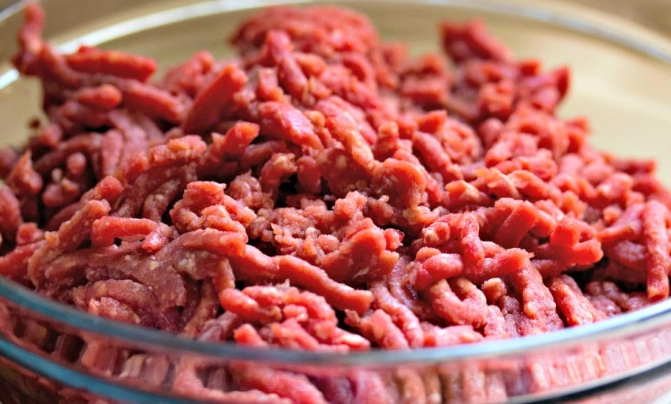
Your Burning Questions, Answered
A Final Word: Common Sense in the Kitchen
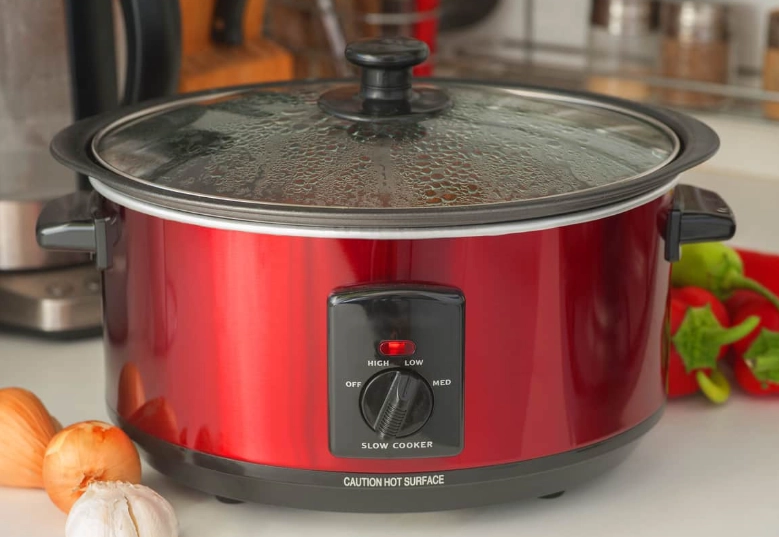
So, can I cook raw ground beef in a slow cooker? After all this, my final, nuanced answer is: You have the tool to do it safely and brilliantly. The slow cooker is a fantastic invention for developing deep flavors with minimal hands-on time. But it's not a magic box that negates the basic principles of cooking and food safety.
The extra ten minutes you spend browning and draining the beef pays dividends in safety, flavor, and texture. It transforms the process from a questionable gamble into a reliable cooking technique. Once you taste the difference—a rich, robust chili versus a greasy, pale imitation—you'll never go back to the dump-and-pray method.
Remember, your best resources are authoritative ones. When in doubt, check the guidelines from the USDA, FoodSafety.gov, or your local public health authority. They're not trying to ruin your fun; they're giving you the info to cook with complete confidence.
Now go forth, brown that beef, and let your slow cooker do what it does best—turn simple ingredients into something warm, comforting, and deeply satisfying. Just do it the smart way.
Reader Comments