In This Guide
- Why Tough Cuts Are Actually the Best Cuts for Slow Cooking
- The Top Contenders: Your Go-To List for Slow Cooker Success
- The Quick-Reference Table: Your Slow Cooker Meat Cheat Sheet
- Pro Tips to Elevate Your Slow-Cooked Meat Game
- Answering Your Burning Questions (FAQs)
- Wrapping It Up: Your Path to Perfect Slow-Cooked Meat
Let's talk about something magical. You know that feeling when you come home after a long day and the whole house smells like a Sunday dinner from your childhood? That's the promise of a slow cooker. But here's the thing I learned the hard way – you can't just throw any piece of meat in there and expect miracles. I remember being so disappointed once with a pot of dry, stringy chicken breast. It was a sad dinner.
The secret, the real game-changer, isn't a fancy recipe or a specific brand of cooker. It's knowing which cuts of meat are meant for the low-and-slow treatment. And it almost always involves picking the cheaper, tougher-looking options at the butcher counter. Seems backwards, right?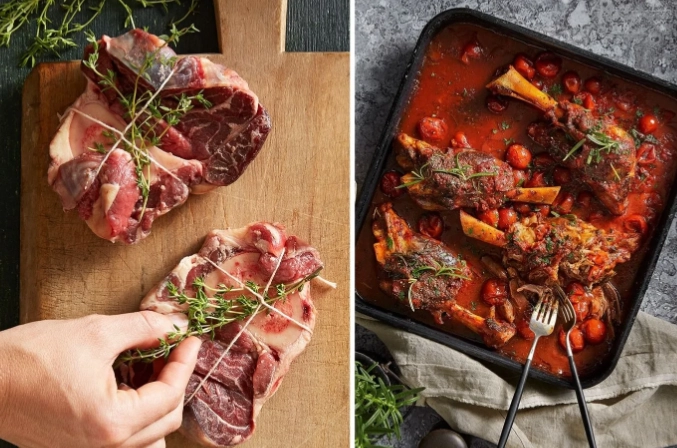
This guide is what I wish I had when I started. We're going to dig into the science (just a little, I promise), list out the champions, and answer all those nagging questions that pop up when you're staring at a chuck roast wondering if it'll work. Forget the guesswork. Let's get your next meal right.
Why Tough Cuts Are Actually the Best Cuts for Slow Cooking
You walk into a grocery store. There's the pristine, lean filet mignon priced like a luxury item. Then there's the chuck roast, looking a bit rough around the edges with visible lines of fat and connective tissue, sitting at a fraction of the price. Which one do you grab for your slow cooker?
If you said the chuck roast, you're on the money. And here's the simple reason why.
Muscles that work hard – think shoulders, legs, bellies – develop lots of connective tissue. That tissue is made of collagen, a tough protein. If you grill it quickly over high heat, that collagen stays tough and chewy. It's why a cheap steak cooked like a ribeye can be a challenge to eat.
But magic happens with time and low heat.
When you cook these tough cuts slowly in a moist environment (like your slow cooker's broth or sauce), that collagen slowly melts. It transforms into gelatin. That gelatin is what gives stews and braises their rich, luxurious mouthfeel. It's what makes the meat so tender it literally falls apart with a fork. The fat marbling, those white streaks you see, also renders down slowly, basting the meat from the inside out and keeping it incredibly juicy.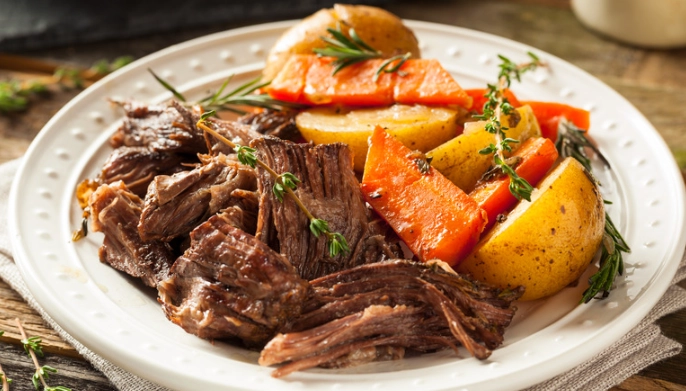
The Golden Rule
Look for cuts with names that indicate hard-working muscles: shoulder, chuck, brisket, shank, round, or flank. These are almost always prime candidates for being the best cuts of meat for your slow cooker.
Lean, tender cuts like tenderloin, sirloin, or skinless chicken breast? They have very little collagen or fat to protect them. They're designed for quick, hot cooking. In a slow cooker, they just dry out and become chalky. It's a waste of good meat and money. Trust me on this.
The Top Contenders: Your Go-To List for Slow Cooker Success
Alright, let's get specific. Here’s a breakdown of the absolute best cuts of meat for slow cooking, categorized by animal. I've included why they work, what to look for, and some ideas on what to make.
Beef: The King of Low and Slow
Beef might be the most forgiving and rewarding protein for a slow cooker. The flavor it develops is deep and complex.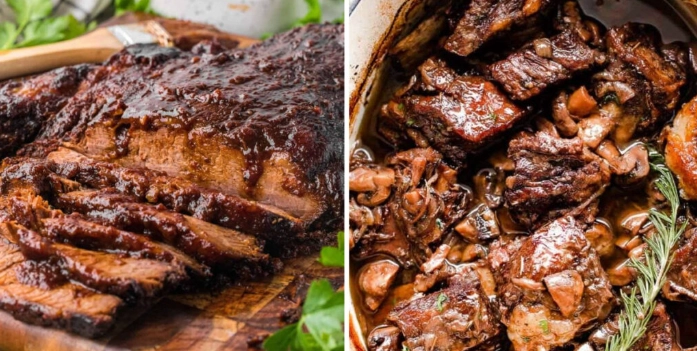
- Chuck Roast/Chuck Steak: This is my number one, no-questions-asked recommendation. It comes from the shoulder and neck. It's marbled with fat and full of connective tissue. When done, it shreds perfectly for barbacoa, beef stew, or classic pot roast. It's affordable, available everywhere, and consistently delivers. For a classic preparation, the Beef Checkoff's website has great foundational info on this cut.
- Brisket: The whole packer brisket (which includes both the leaner flat and the fatty point) is a slow-cooking legend. It needs the long time to break down. The result is insanely flavorful, tender meat perfect for slicing or chopping. Yes, you can make amazing slow cooker brisket without a smoker. Just give it time.
- Short Ribs: Bone-in short ribs are a special treat. The meat around the bone is incredibly rich, and the bone itself adds flavor to the cooking liquid. They're more expensive than chuck, but for a decadent stew or served over creamy polenta, they're unbeatable.
- Oxtail & Beef Cheeks: These are the secret weapons. They are almost all connective tissue and bone, which means they become unbelievably gelatinous and rich. Oxtail soup is a classic for a reason. They can be harder to find, but a good butcher will have them.
Pork: The Versatile Favorite
Pork shines in the slow cooker. It absorbs flavors beautifully and, when chosen right, becomes melt-in-your-mouth tender.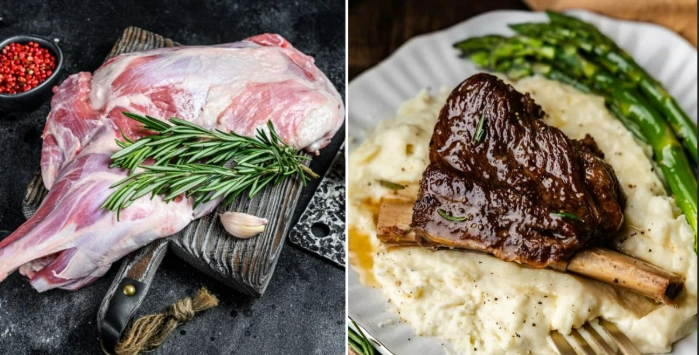
- Pork Shoulder (Boston Butt): This is the undisputed champion for pulled pork. It's well-marbled, has great connective tissue, and is usually very affordable. A big one can feed a crowd. Just season it, let it go for 8-10 hours on low, and watch it shred with zero effort. The National Pork Board has excellent resources on handling and cooking this cut.
- Pork Ribs (Baby Back or Spare Ribs): You can get fall-off-the-bone ribs right in your slow cooker. No grill necessary. Just sauce them up and let them go. Spare ribs have more fat and connective tissue, so they might be even better suited than baby backs for the long cook.
- Pork Belly: If you want rich, unctuous, flavorful meat, pork belly is it. All that fat renders down slowly, leaving incredibly tender meat. It's fantastic for making your own slow-cooked bacon or for Asian-style braised dishes.
Lamb & Other Meats
Don't overlook these! The same principles apply.
- Lamb Shanks: Lamb shanks are practically designed for braising. One shank per person makes a stunning presentation. The meat becomes so tender it slides off the bone, and the flavor is deep and gamey (in a good way).
- Lamb Shoulder: Similar to pork shoulder, a bone-in lamb shoulder roast slow-cooked with rosemary, garlic, and wine is a show-stopping dinner party dish.
- Chicken Thighs & Drumsticks: Remember the dry chicken breast disaster? Dark meat is your friend. Thighs and drumsticks have more fat and connective tissue than breasts. They stay juicy and flavorful for hours in a slow cooker. Use them in curries, coq au vin, or simple stews. Take the skin off if you want to reduce fat, but leaving the bone in adds flavor.
- Turkey Legs: A giant turkey leg cooked low and slow with some broth and vegetables is a fun and delicious meal. They're big, they're cheap, and they handle the time beautifully.
The Quick-Reference Table: Your Slow Cooker Meat Cheat Sheet
Sometimes you just need a fast look. Here’s a table comparing some of the top choices to help you decide what to buy for your next meal.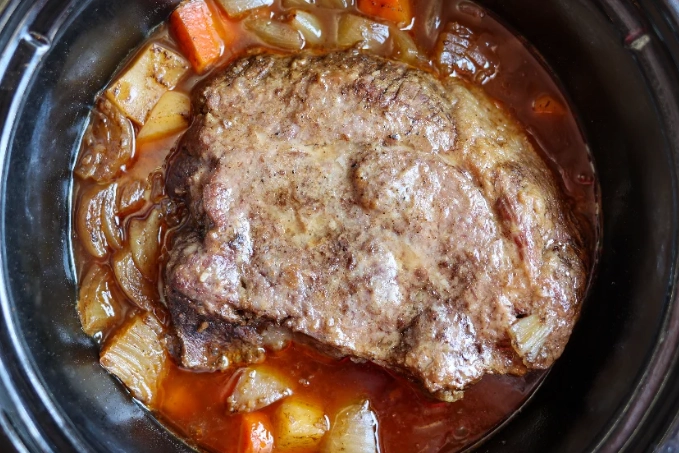
| Cut of Meat | Best For | Key Characteristic | Approx. Cook Time (on Low) |
|---|---|---|---|
| Beef Chuck Roast | Pot Roast, Shredded Beef, Stew | Heavily marbled, rich flavor | 8-10 hours |
| Pork Shoulder (Boston Butt) | Pulled Pork, Carnitas | Fatty, shreds perfectly | 8-10 hours |
| Lamb Shanks | Elegant braises, stews | Gelatinous, fall-off-the-bone | 7-9 hours |
| Chicken Thighs (bone-in) | Curries, Stews, Casseroles | Stays juicy, hard to overcook | 4-6 hours |
| Beef Short Ribs (bone-in) | Rich stews, standalone dish | Extremely flavorful, luxurious | 7-8 hours |
| Beef Brisket (whole) | Sliced brisket, chopped beef | Needs long cook, great bark potential | 10-12 hours |
Times are guidelines. Your cooker and the size of the cut matter most. The meat is done when it's fork-tender.
Pro Tips to Elevate Your Slow-Cooked Meat Game
Picking the right cut is 80% of the battle. These next tips will get you to 100%.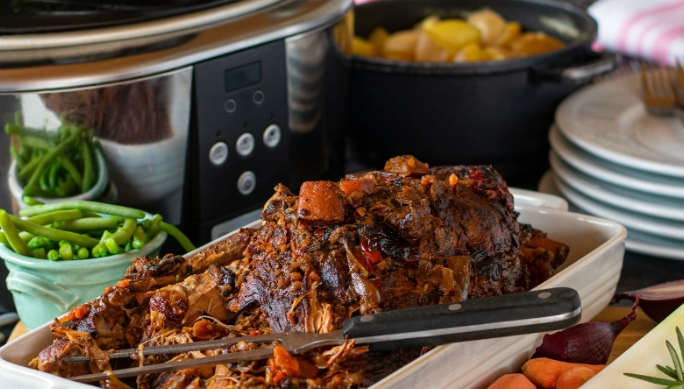
1. The Sear Matters (Most of the Time)
I'll be honest, sometimes I'm lazy and skip this step. But when I do take the extra 10 minutes, the difference is noticeable. Searing the meat in a hot pan before it goes into the cooker creates a Maillard reaction – that's just a fancy term for delicious brown crust and deep, complex flavors. It adds a whole new layer to the final dish. Pat the meat dry first, get your pan screaming hot with a little oil, and sear on all sides. Then deglaze the pan with a bit of your cooking liquid (wine, broth) and pour those tasty bits into the cooker too.
2. Layer Your Ingredients Wisely
Put dense, hard vegetables like carrots, potatoes, and onions at the bottom and around the sides. Place the meat on top. This lets the vegetables soak up the juices and cook evenly, and prevents the meat from sitting directly on the hot bottom, which can sometimes lead to a slightly overdone bottom layer.
3. Don't Overdo the Liquid
The slow cooker is a sealed environment (mostly). Very little liquid evaporates. You don't need to cover the meat. Often, just a cup or two of broth, wine, or even just a sauce is enough. The meat will release its own juices. Too much liquid can dilute flavor and make everything taste boiled.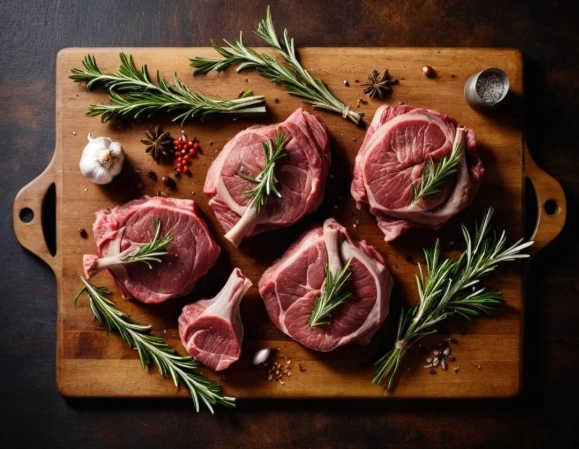
A Warning on Timing
While slow cookers are safe, sticking to general time guidelines is smart. Cooking a large roast for less than 4 hours on low might not get it through the food safety "danger zone" quickly enough. Conversely, even the best cuts of meat for slow cooking can eventually turn to mush if left for 16 hours. 8-10 hours is usually the sweet spot for large roasts.
4. Salt Early, But Season Wisely
Salting your meat ahead of time (even just 30 minutes before) helps season it throughout. But go easy on salty seasonings (like certain packaged spice blends or soy sauce) at the beginning. As the liquid reduces over many hours, flavors concentrate. You can always add more salt at the end. Delicate herbs like parsley, cilantro, or basil should be stirred in right before serving, as their flavor fades with long cooking.
Fat is your friend, but you can control it.
After cooking, you'll often have a layer of fat on top of the liquid. For stews, I like to skim some of this off with a spoon before serving. For pulled pork, I'll take the meat out, shred it, and then mix back in some of the defatted cooking juices to keep it moist. The USDA's food safety page on slow cookers is a great resource for safe handling practices, especially regarding thawing and temperature.
Answering Your Burning Questions (FAQs)
Can I use lean cuts like sirloin or chicken breast?
You can, but you really shouldn't. They lack the necessary fat and collagen. The result will almost certainly be dry and tough. If you must use chicken breast, cut it into chunks and add it in the last 1-2 hours of cooking so it just cooks through. But honestly, just use thighs.
Do I have to sear the meat first?
No, it's not mandatory for safety. The slow cooker will cook it through. But for maximum flavor and texture, yes, you should. It's the single biggest flavor upgrade you can make with 10 minutes of effort.
How much liquid do I really need?
For a large roast (3-5 lbs), start with 1 to 2 cups of liquid. It might not look like enough, but it is. The meat will add more. You can always add a bit more later if it looks dry, but you can't take it out.
Can I put frozen meat in the slow cooker?
The official guidance from food safety authorities, like the USDA, says no. A large frozen roast may stay in the "danger zone" (40°F - 140°F) for too long as it thaws, allowing bacteria to grow. Always thaw meat in the refrigerator first for safest results.
My meat is still tough after 8 hours! What gives?
Don't panic. It just needs more time. Some cuts are tougher than others. Keep cooking on low and check every 30-60 minutes. It will eventually break down. This is why planning for a longer cook window is smart when trying a new cut.
Is there a "best" cut of meat for slow cooking for beginners?
Absolutely. Start with a 3-4 pound beef chuck roast or a pork shoulder (Boston butt). They are forgiving, affordable, and almost guaranteed to give you a fantastic, confidence-boosting result. They are the foundational best cuts of meat for slow cooking.
Wrapping It Up: Your Path to Perfect Slow-Cooked Meat
It boils down to a simple mindset shift. Stop thinking of the slow cooker as a convenient way to cook expensive, lean meat. Start seeing it as a tool to transform humble, tough, fatty cuts into the most tender and flavorful meals you'll make all week.
The journey to finding the best cuts of meat for slow cooking is really about embracing a different kind of cooking – one that values patience over speed, and flavor over appearance. It's economical, it's practical for busy lives (meal prep heaven!), and the results are deeply satisfying.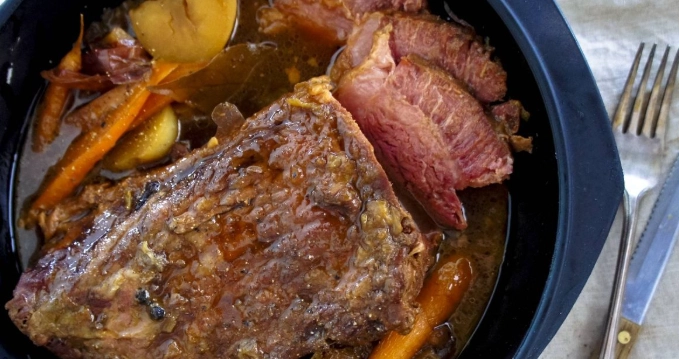
Happy slow cooking!
Reader Comments