Let's be honest. Most slow cooker mac and cheese recipes are a gamble. You hope for creamy, decadent bliss, but you often end up with something that's either gluey, grainy, or just... bland. The cheese sauce breaks. The pasta turns to mush. It's a disappointment that's haunted potlucks and family dinners for years.
I've made every mistake in the book. I've seen sauces separate into an oily pool. I've eaten pasta so dry it could double as packing material.
Then I discovered the magic of evaporated milk.
It wasn't in a fancy cookbook. It was a tip from a friend who ran a catering business, someone who needed foolproof recipes that could hold for hours. She swore by the stuff. And after testing it side-by-side with every other dairy option, I'm convinced: if you want set-it-and-forget-it mac and cheese with a perfect, silky texture, evaporated milk isn't just an option—it's the only way.
What You'll Find Inside
Why Evaporated Milk Beats Fresh Milk Every Time
Here's the science bit, simplified. Cheese sauce breaks (gets grainy or oily) when the proteins in the dairy and cheese get too hot and seize up. Water content is the enemy here.
Evaporated milk is just milk with about 60% of the water removed. That simple process changes everything for slow cooking:
- No Curdling: The reduced water content makes it much more stable under prolonged heat. It won't curdle like fresh milk or even half-and-half can.
- Richer Base: It's naturally thicker and creamier, so you don't need to start with a flour-based roux. This means no risk of a raw flour taste and a smoother mouthfeel.
- Concentrated Flavor: It has a subtle, slightly caramelized sweetness that enhances the cheese without being overtly "milky."
The U.S. Department of Agriculture notes that evaporated milk provides a more concentrated source of protein and calcium compared to fresh fluid milk. In our case, that concentrated structure is what gives the sauce its body.
Think of it as the built-in stabilizer your crockpot mac has been missing.
The Core Recipe Breakdown: Ingredients That Matter
This isn't a list of suggestions. These are the non-negotiables for success. Get these right, and the rest is easy.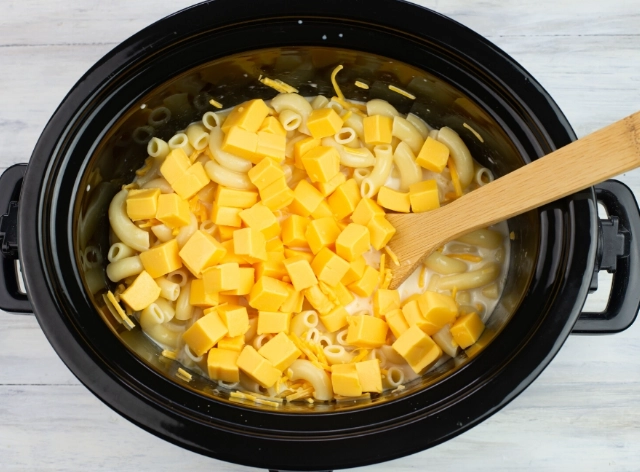
| Ingredient | Why It's Here | What NOT to Substitute (At First) |
|---|---|---|
| Evaporated Milk (12 oz can) | The foundation. Provides creaminess, stability, and prevents curdling. | Fresh milk, almond milk, or plain cream. They will fail. |
| Low-Sodium Chicken or Vegetable Broth (1 ½ cups) | Adds savory depth and the necessary liquid for the pasta to cook through. Low-sodium lets you control the salt. | Water. It makes the flavor flat. |
| Elbow Macaroni (8 oz dry) | The classic shape holds sauce perfectly. Must be UNCOOKED. | Pre-cooked pasta. It will become mushy. |
| Sharp Cheddar Cheese (8 oz, freshly grated) | Provides the primary cheesy flavor and melt. Sharp has more flavor, so you use less for more impact. | Pre-shredded cheese. The anti-caking coating prevents smooth melting. |
| Cream Cheese (4 oz, cubed) | The secret weapon for extra silkiness and tang. It melts seamlessly into the evaporated milk base. | More cheddar. You'll lose the velvety texture. |
How to Make Crockpot Mac and Cheese with Evaporated Milk
This is the fail-safe process. Deviate if you want, but this is what guarantees perfection.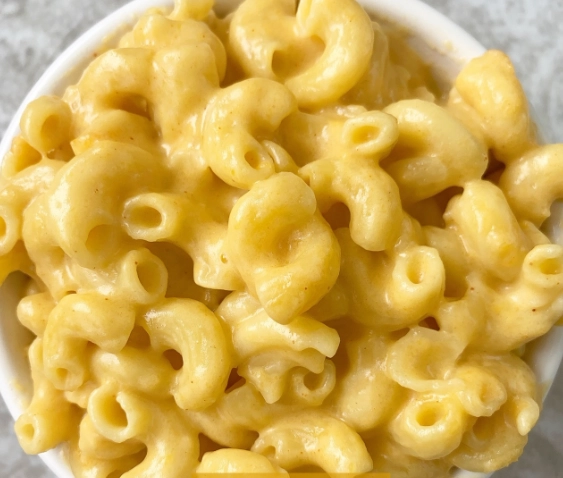
The "No-Peek" Method
First, spray your 4-6 quart slow cooker with cooking spray. Trust me on this. The cheese that sticks to the sides will become a crispy, delicious bonus later.
Now, dump in the dry elbow macaroni. Pour over the entire can of evaporated milk and the 1 ½ cups of broth. Add your dry seasonings here: a teaspoon of dry mustard powder (it brightens the cheese flavor, doesn't make it taste like mustard), a half teaspoon of garlic powder, a quarter teaspoon of smoked paprika, and a pinch of black pepper. Do NOT add salt yet—the broth and cheese will bring plenty.
Stir this mixture just until everything is combined. The pasta won't be submerged, and that's fine.
Here's the critical part: Cover and cook on LOW for 2 hours. Do not open the lid. Do not stir. Let the slow cooker do its job, building steam and heat evenly. Opening the lid resets the cooking temperature and is the number one reason for unevenly cooked pasta.
After 2 hours, give it a gentle stir. The pasta should be just shy of al dente. Now, add the cubed cream cheese and 4 tablespoons of butter. Stir until they're mostly melted into the hot liquid. This creates an incredibly rich, cohesive base.
Finally, turn the slow cooker off. Yes, off. Adding cheese to high heat is asking for trouble. Stir in your freshly grated cheddar (and any other cheeses you're using) a handful at a time, letting each addition melt completely before adding the next. This gradual process ensures a smooth, emulsified sauce.
Once all the cheese is melted and the sauce is gorgeous, taste it. Now you can decide if it needs a pinch of salt. Let it sit, covered, for 10-15 minutes. It will thicken to the perfect, spoon-coating consistency.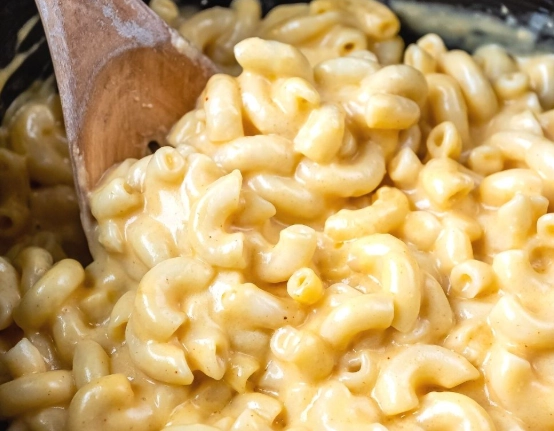
The Best (and Worst) Cheese Combinations
Sharp cheddar and cream cheese are the dream team, but you can play around. The rule: always include one great melter and one flavor booster.
Winning Combinations:
- Gouda & Gruyère: Incredibly creamy with a nutty, complex flavor. Perfect for a more "grown-up" dish.
- Monterey Jack & Pepper Jack: For a kick. The Monterey Jack melts like a dream, and the Pepper Jack adds spice.
- Fontina & Parmigiano-Reggiano: Fontina is the ultimate melting cheese, and a half-cup of finely grated real Parmesan adds a salty, umami punch.
Cheeses to Avoid:
- Pre-shredded "Mexican" or "Pizza" blends: They often contain oils and starches that ruin the texture.
- Low-fat or fat-free cheese: They don't melt properly. They turn rubbery or plasticky. For mac and cheese, embrace the fat—it's the whole point.
- Blue cheese or feta by themselves: Their strong, dry textures don't melt into a sauce. Use them as a small accent (a couple of tablespoons crumbled on top at the end), not the main event.
Your Questions, Answered

The final test is always the spoon. When you lift a spoonful, the sauce should coat it thickly, slowly dripping off. It should taste deeply cheesy, not just salty, with a background warmth from the mustard and paprika.
That's the evaporated milk difference. It's not an old-fashioned ingredient you ignore on the shelf. It's the single most reliable tool for creating mac and cheese that's as effortless as it is impressive.
Give it one try. I bet you'll never go back.
Reader Comments