Let's be honest. The promise of "easy crockpot mac and cheese" has let a lot of people down. You've probably seen the recipes—dump everything in, walk away, and magically get creamy perfection. In reality, you often end up with a pot of grainy, separated sauce clinging to mushy or, worse, crunchy pasta. I've been there. After one too many disappointing batches (including a famously gluey one for a family potluck), I decided to crack the code. This isn't just another recipe. It's a method that addresses every pitfall, turning your slow cooker into a reliable mac and cheese machine.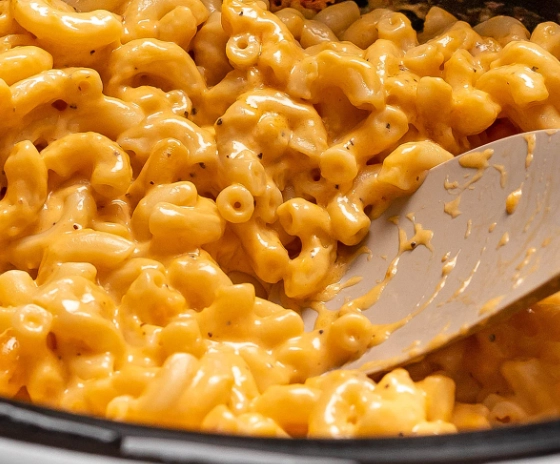
What's Inside This Guide
- Why This Recipe Actually Works (The Science of Slow Cooking Cheese)
- Your Grocery List: A Breakdown of Every Ingredient
- The Foolproof Step-by-Step Process
- 3 Common Mistakes That Ruin Crockpot Mac and Cheese
- How to Customize Your Easy Crockpot Mac and Cheese
- Serving, Storing, and Reheating Like a Pro
- Your Top Questions, Answered
Why This Recipe Actually Works (The Science of Slow Cooking Cheese)
Most failed recipes treat the slow cooker like a magic box. They ignore what's happening inside. Cheese sauce is an emulsion of fat, protein, and water. High heat or prolonged cooking breaks that emulsion, leading to oil pooling on top. Pasta, meanwhile, absorbs liquid unevenly at low temperatures.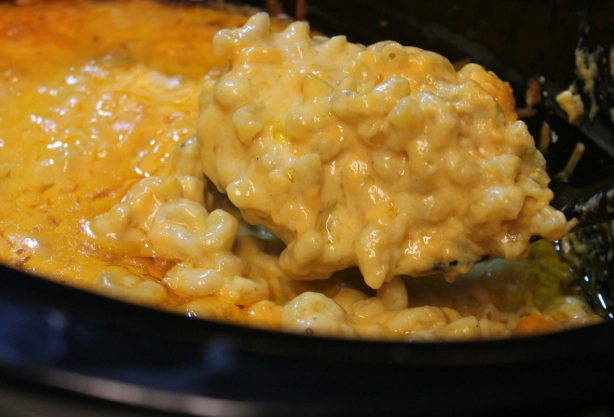
This method works because it respects those facts. We use a combination of evaporated milk and regular milk. Evaporated milk is stabilized through the canning process—it's less likely to curdle under heat, giving us a safety net. We add the cheese at the very end, off the heat, to prevent it from ever getting stressed enough to break. And we're smart about the pasta, which I'll get into next.
It's the difference between hoping for the best and engineering success.
Your Grocery List: A Breakdown of Every Ingredient
Quality matters, but so does understanding the role of each component. Here’s what you need and why.
- Elbow Macaroni (16 oz / 1 lb): The classic vessel. Don't use giant shells or penne—they cook too unevenly.
- Evaporated Milk (12 oz can): The secret weapon. Not sweetened condensed milk! This gives body and creaminess without the risk of a flour-based roux breaking.
- Whole Milk (1.5 cups): For richness. 2% will work in a pinch, but avoid skim.
- Unsalted Butter (1/2 cup / 1 stick): Melts into the sauce for flavor and fat. Salted butter is fine, just adjust added salt later.
- The Cheese Trio (4 cups total, shredded yourself):
- Sharp Cheddar (2.5 cups): For that classic, tangy punch.
- Monterey Jack (1 cup): Melts like a dream, adding creaminess.
- Cream Cheese (4 oz / 0.5 cup): The smoothness booster. Use it softened.
- Seasonings: Dry mustard powder (1 tsp), garlic powder (1 tsp), onion powder (1 tsp), smoked paprika (1/2 tsp), salt and black pepper to taste. These wake up the cheese flavor.
Non-Negotiable Rule: You must shred your own cheese from a block. Pre-shredded bags are coated with anti-caking agents (like cellulose or potato starch) that prevent clumping in the bag but also prevent smooth melting in your sauce. This is the number one cause of grainy texture. Trust me, the extra 5 minutes with a box grater is the single biggest upgrade you can make.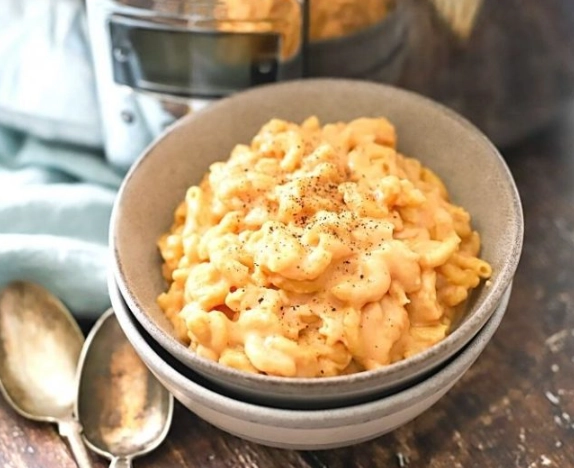
The Foolproof Step-by-Step Process
Here’s how to bring it all together. Total hands-on time is about 15 minutes.
1. The Pasta Par-Cook (The Most Important Step)
Boil a large pot of salted water. Cook your elbow macaroni for 4 minutes only. It will be very firm, barely past raw. Drain it immediately and rinse under cool water to stop the cooking. This "par-cooking" gives the pasta a head start so it can finish absorbing the flavorful dairy in the crockpot without turning to mush. Dumping in raw pasta almost guarantees some hard, under-hydrated bits.
2. Building the Base
To your 4-6 quart slow cooker, add the par-cooked pasta, the entire can of evaporated milk, whole milk, cubed butter, and all the dry seasonings. Give it a gentle stir to combine. The pasta won't be fully submerged, and that's okay.
3. The Slow Cook
Cover and cook on LOW for 1.5 to 2 hours. Do not use the High setting. After 1.5 hours, stir. The pasta should be tender and most of the liquid absorbed. If it's still soupy, give it another 15-30 minutes. This is a much shorter window than most recipes claim, protecting our dairy.
4. The Cheese Finish
Once the pasta is done, turn off the slow cooker. Unplug it if you want to be extra safe. Now, add all your shredded cheeses and the softened cream cheese. Stir continuously until everything is melted, creamy, and perfectly combined. The residual heat is plenty to melt the cheese without overcooking it. Taste and add salt/pepper if needed.
Pro Tip for Gatherings: If you're serving this at a party, you can complete steps 1-3 up to an hour ahead. Keep the base warm on "Low." Right before serving, turn it off and stir in the cheese. This guarantees a fresh, creamy texture for your guests.
3 Common Mistakes That Ruin Crockpot Mac and Cheese
Let's diagnose the usual suspects so you can avoid them.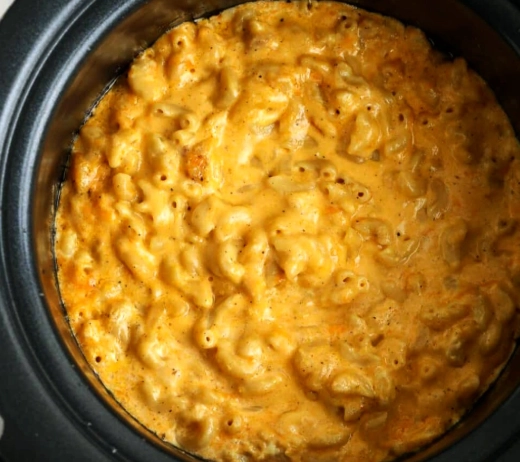
| Mistake | What Happens | The Fix |
|---|---|---|
| Using Pre-Shredded Cheese | A grainy, slightly gritty sauce that never gets fully smooth. The anti-caking coatings create a barrier. | Shred your own cheese. Always. |
| Cooking on High or Too Long | The dairy proteins tighten and squeeze out fat, causing an oily, separated puddle on top. Pasta turns to mush. | Cook on Low only, for 2 hours max. Cheese goes in at the end, off heat. |
| Dumping in Raw, Dry Pasta | Inconsistent texture. Some pasta is soft, some is hard and chalky in the center. It steals too much liquid from the sauce. | Par-cook the pasta for 4 minutes in boiling water first. Rinse to stop the cook. |
How to Customize Your Easy Crockpot Mac and Cheese
The basic recipe is a perfect canvas. Here are some crowd-pleasing twists.
For Meat Lovers: Stir in 2 cups of cooked, crumbled bacon, diced ham, or pulled rotisserie chicken during the last 30 minutes of cooking (before adding cheese).
Buffalo Chicken Style: Add 2 cups of shredded cooked chicken and 1/2 cup of buffalo sauce to the milk base. Use a Monterey Jack and blue cheese crumble mix for the cheese.
Lobster or Crab Bake: Fold in 1-2 cups of chopped cooked lobster or lump crab meat when you add the cheese. A dash of Old Bay seasoning in the base is fantastic here.
Veggie-Packed: Add 2 cups of frozen peas, corn, or steamed broccoli florets when you stir in the cheese. They'll heat through perfectly.
Feel like experimenting? The structure is forgiving. Just remember the core rules: protect the dairy, handle the pasta with care, and treat the cheese gently.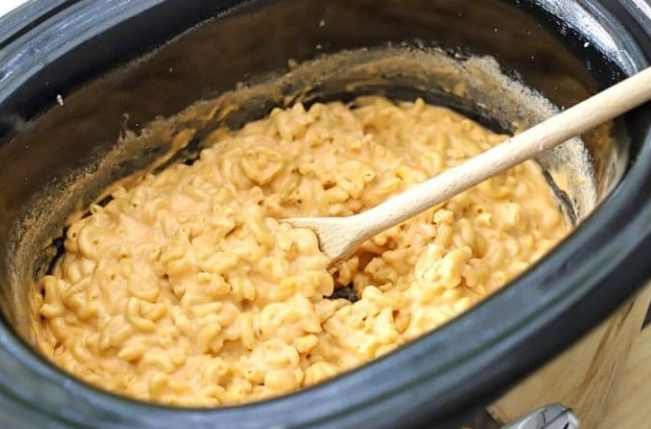
Serving, Storing, and Reheating Like a Pro
Serve it straight from the crockpot on the "Warm" setting for up to an hour. For a crispy topping, transfer portions to an oven-safe dish, sprinkle with panko breadcrumbs mixed with a little melted butter and Parmesan, and broil for 2-3 minutes.
Leftovers? They happen. Store them in an airtight container in the fridge for up to 4 days. The sauce will thicken as it cools.
Reheating is key. The microwave will make it rubbery. Instead, reheat gently on the stovetop over low heat with a splash of milk, stirring often. For a single serving, a covered bowl with a teaspoon of milk, reheated at 50% power in short bursts, can work. The stovetop method is superior.
You can freeze it, but be warned: the pasta texture will become softer upon thawing. Freeze in portions for up to 2 months. Thaw in the fridge overnight and reheat on the stovetop with extra milk.
Your Top Questions, Answered
Can I really skip boiling the pasta for crockpot mac and cheese?
You can, but I don't recommend it for beginners. The "no-boil" method is finicky. It requires precise liquid ratios and often results in a starchy, sometimes gummy texture because the pasta releases too much starch into the sauce. My par-cook method (4 minutes in boiling water) guarantees perfectly cooked pasta every single time and is far more reliable. If you must skip boiling, use a product specifically designed for it, like Barilla Ready Pasta, which is pre-cooked.
Why did my crockpot mac and cheese turn out grainy or oily?
Grainy means pre-shredded cheese. Oily means the sauce "broke" from too much heat. They're two sides of the same coin—improper cheese handling. The anti-caking agents in bagged cheese prevent smooth integration. Overheating causes the fat to separate from the proteins. The fix for both: shred your own cheese from a block and add it at the very end, after the cooker is turned off, letting the residual heat do the melting.
What's the best way to reheat leftover crockpot mac and cheese without it drying out?
The microwave is the fastest way to ruin it, drying it out and making the texture rubbery. Always reheat it slowly with added moisture. On the stovetop, use a saucepan over low heat with a couple tablespoons of milk or cream, stirring constantly. In the oven, place it in a covered dish at 300°F with a splash of milk. The goal is to gently re-melt the emulsion, not cook it further.
Can I make easy crockpot mac and cheese ahead of time for a party?
Yes, but with a strategic pause. Complete the recipe through step 3 (cooking the pasta in the milk base). Then, instead of adding the cheese, turn the cooker to "Warm." Up to an hour before serving, turn it off, stir in the shredded cheese until melted, and then return to "Warm." This prevents the cheese from sitting on heat for hours and breaking. Never leave a finished dairy-based dish on "Warm" for more than 2 hours for food safety reasons.
Reader Comments