How long should you cook ribs? If you're aiming for that legendary "fall off the bone" tenderness, the short answer is: a lot longer than you think, but at a much lower temperature. Forget high-heat grilling for this texture. The magic happens low and slow, where connective tissue melts into succulent gelatin. The exact time ranges from 3 to 6 hours, depending entirely on your method, the type of ribs, and your equipment.
I learned this the hard way. My first attempt at baby back ribs was a chewy, disappointing mess because I rushed it. Now, after countless racks and learning from pitmasters, I can tell you that patience isn't just a virtue here; it's the main ingredient.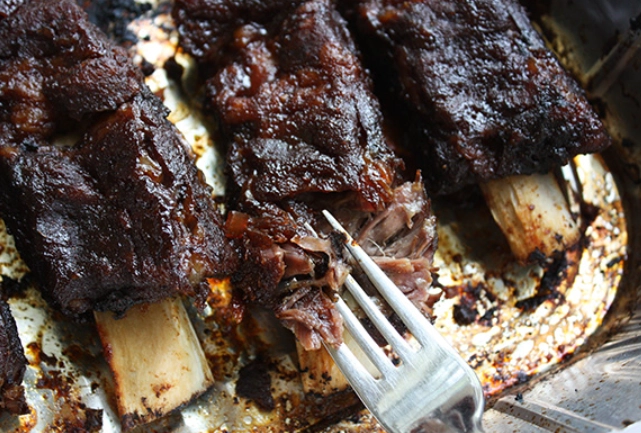
What You'll Find in This Guide
It's Not Just Time: The 4 Key Factors That Determine Cooking Time
Asking "how long to cook ribs" is like asking "how long is a piece of string?" You need to consider these variables first.
1. Type of Ribs
This is the biggest variable. Not all ribs are created equal.
| Rib Type | Key Characteristics | Relative Cooking Time |
|---|---|---|
| Baby Back Ribs | Leaner, curved, from the loin. More tender but less fat. | Shorter (3-4 hrs) |
| St. Louis or Spare Ribs | Flatter, fattier, from the belly. More flavor, more connective tissue. | Longer (4-6 hrs) |
| Beef Short Ribs | Meaty, thick, incredibly rich. Loads of collagen. | Longest (5-8+ hrs) |
Spare ribs need that extra time for their extra fat and connective tissue to break down. If you cook baby backs as long as spare ribs, they might dry out.
2. Cooking Temperature (The Golden Rule)
Here's the non-negotiable expert insight everyone misses: Collagen, the tough protein holding meat to bone, starts dissolving into gelatin around 160°F (71°C) and does so best between 180°F and 200°F (82°C-93°C). Your oven or smoker needs to be in that range for the magic to happen.
Most home ovens struggle to hold a steady 225°F. Setting it to 275°F is often more reliable and still falls within the effective range. A common mistake is blasting ribs at 350°F. The outside burns before the inside ever has a chance to tenderize.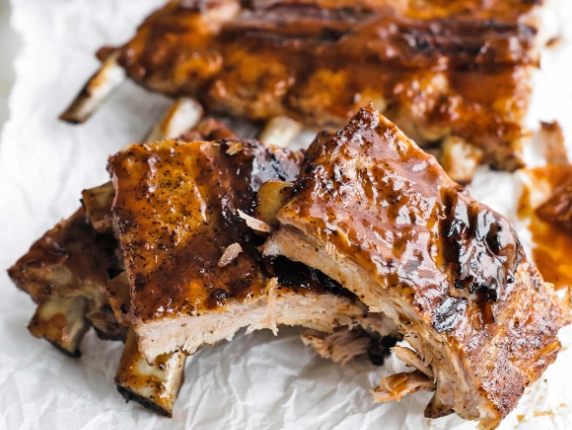
3. The "Texas Crutch" (Wrapping)
Wrapping ribs in foil or butcher paper partway through cooking (usually after 2-3 hours) is a game-changer. It creates a steamy environment that braises the meat, dramatically speeding up the tenderizing process and preventing dryness. If you wrap, you can shave 30-60 minutes off the total time. It's a trade-off: slightly less bark (the flavorful crust) for guaranteed juiciness and faster results.
4. Your Cooking Vessel
A tightly sealed slow cooker or a Dutch oven creates a more humid environment than an open roasting pan in a standard oven. More humidity means less moisture loss, which can slightly affect cooking time and definitely affects texture.
The Oven Method: Step-by-Step for Fall-Off-The-Bone Ribs
This is the most accessible method for everyone. Let's walk through it.
Step 1: Prep & Season. Pat the ribs dry. Remove the membrane from the bone side (grab a corner with a paper towel and pull). This is crucial for tenderness. Rub generously with your favorite spice mix. Let them sit for 30 minutes if you can.
Step 2: The Low & Slow Roast. Preheat your oven to 275°F (135°C). Place ribs on a rack over a foil-lined baking sheet (for easy cleanup). This allows air circulation. Put them in the oven, bone-side down.
Step 3: The Wrap (Optional but Recommended). After about 2.5 hours, check the ribs. They should have a nice color. Now, create a "boat" with heavy-duty foil. Place the rack in it, add a few tablespoons of liquid (apple juice, beer, broth, even water), and seal the foil packet tightly. This starts the braising phase.
Step 4: The Finish. Return the wrapped ribs to the oven for another 1 to 1.5 hours. Then, carefully open the foil (steam is hot!). Brush with your favorite barbecue sauce, if using. Return to the oven, uncovered, for 15-20 minutes to set the glaze.
Total Oven Time: 3.5 to 4.5 hours at 275°F for a full slab of baby back or St. Louis ribs.
The "Set It and Forget It" Slow Cooker Method
This is the ultimate hands-off approach. The constant, moist heat is incredibly forgiving.
Prep the ribs as before. You might need to cut the slab in half to fit. Place them in the slow cooker standing on their side, curled around the pot. Add 1/2 cup of liquid to the bottom. Do not submerge the ribs.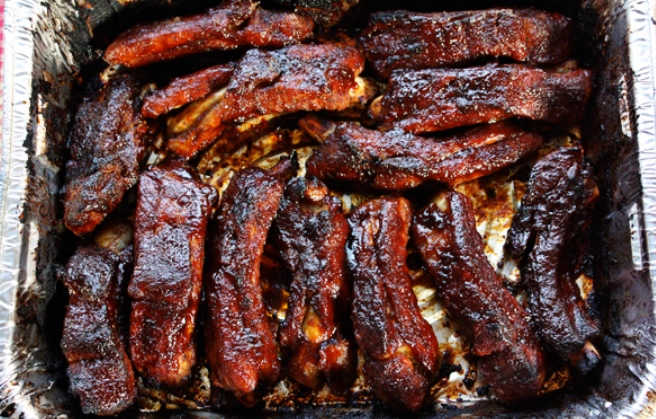
Cook on LOW for 6-8 hours. Yes, LOW. High will make them mushy on the outside before the center is done. After cooking, you can transfer them to a baking sheet, sauce them, and broil for 3-5 minutes to caramelize the sauce and improve texture.
The slow cooker almost guarantees fall-off-the-bone results, but you sacrifice the bark you get from dry-heat cooking.
How to Tell When Ribs Are Truly Done (Forget the "Pull Test")
The old "if the meat pulls back from the bone" or "if you can twist a bone out" tests are unreliable, especially for beginners. Meat can pull back before it's truly tender.
Use a meat thermometer. Insert it horizontally into the meatiest part between the bones, avoiding the bone itself. You're looking for that 195°F to 203°F (90°C-95°C) range. At 195°F, they'll be tender. At 203°F, they'll be falling apart.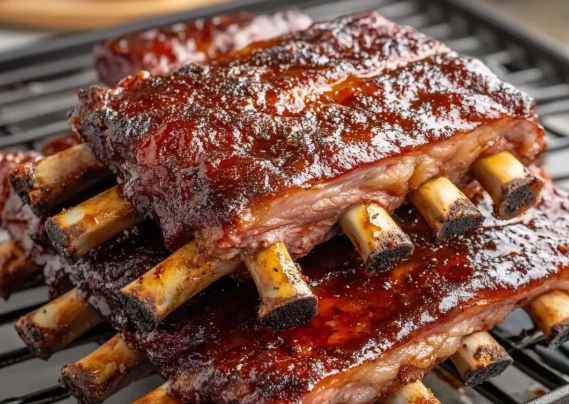
The Bend Test: Pick up the slab with tongs from the center. If it bends easily and the surface cracks slightly, it's done. This takes practice but is a good visual cue.
Common Mistakes That Keep Ribs From Being Tender
I've made most of these. Let's save you the trouble.
Mistake 1: Cooking at Too High a Temperature. This is the #1 reason for tough ribs. High heat seizes proteins before collagen has time to melt. Stick to 225°F-275°F.
Mistake 2: Skipping the Membrane Removal. That silvery skin on the bone side is like a raincoat. It blocks seasoning and, more importantly, prevents fat rendering and tenderizing from that side. Just pull it off.
Mistake 3: Saucing Too Early. Sugar in barbecue sauce burns at low temps over long periods. Add sauce only in the last 20-30 minutes of cooking.
Mistake 4: Not Using a Thermometer. Guessing leads to undercooked, tough meat or overcooked, dry meat. A $20 instant-read thermometer is the best investment for any meat cook.
Mistake 5: Skipping the Rest. I know it's tempting. Don't. Let them rest.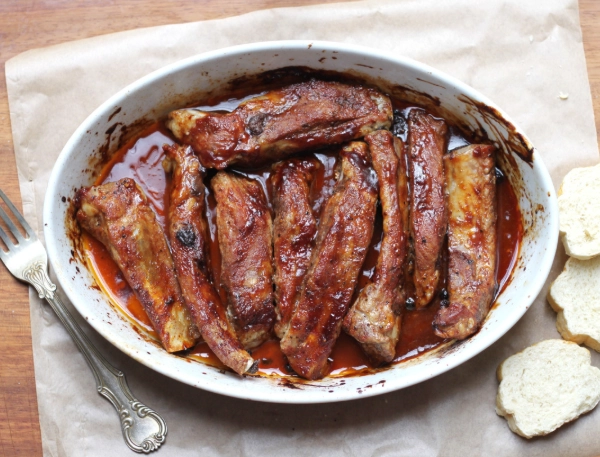
Your Rib Cooking Questions, Answered
Reader Comments