Quick Guide
- Why a Slow Cooker is the Best Tool for Beef Stew
- The "Can't Skip" Step: Browning the Beef
- Choosing the Right Beef: It's Not All the Same
- The Complete, Step-by-Step Easy Beef Stew Recipe for Your Slow Cooker
- Common Questions & Problems (And How to Fix Them)
- Pro-Tips and Variations to Make It Your Own
- Wrapping It Up: Why This Recipe Works
Let's be honest. The idea of a slow cooker beef stew is pretty magical. You throw a bunch of stuff in a pot in the morning, wander off to live your life, and come home to a house that smells like a grandmother's hug and a dinner that's ready to go. But how many times have you tried an "easy" recipe only to end up with bland broth and meat that's somehow both chewy and dry? I've been there. More than once.
That's why I spent way too much time figuring this out. I'm talking about failed batches, meat that tasted like leather, and vegetables that turned to complete mush. It was frustrating. But all those mistakes led me to this method, which is now my absolute favorite easy beef stew recipe for the slow cooker. It's not just about tossing things in; it's about a few simple, non-negotiable steps that make all the difference between good and "can I have thirds?"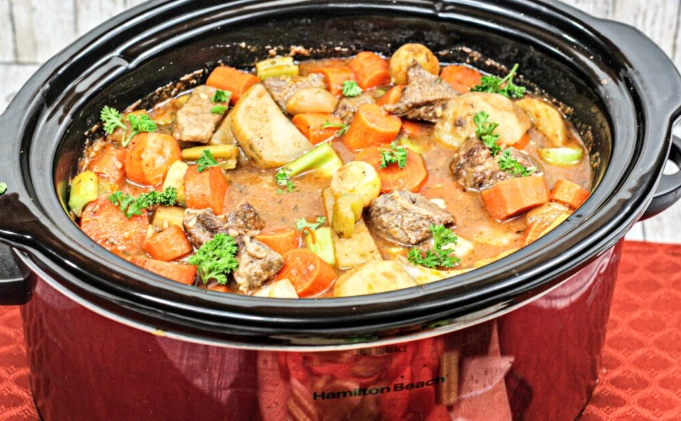
Why a Slow Cooker is the Best Tool for Beef Stew
You could make stew on the stovetop or in the oven. So why bother with the slow cooker? For me, it boils down to two things: texture and convenience. The low, steady heat of a crock pot (I use the terms interchangeably) breaks down the tough connective tissues in cheaper cuts of beef over many hours. This transforms a potentially tough piece of meat into something so tender you can cut it with a spoon. The gentle simmer also lets flavors mingle and deepen in a way that a quicker boil just can't match.
And the convenience? It's unbeatable for busy days. There's no need to babysit a pot. The risk of burning or boiling over is almost zero. It's the ultimate set-it-and-forget-it cooking, which is exactly what I need on a hectic weekday.
But—and this is a big but—the slow cooker has one weakness: it can't brown. It can't create those delicious, complex fond (the browned bits) at the bottom of a pan. That's where our first crucial step comes in.
The "Can't Skip" Step: Browning the Beef
I know, I know. The whole point of an easy beef stew recipe in a slow cooker is to minimize work. The temptation is to just dump the raw, cubed beef right in with everything else. Resist it. Taking 10-15 minutes to brown the meat is the single most important thing you can do for flavor.
Why? It's science, but simple science. Browning creates the Maillard reaction—a fancy term for the chemical process that creates hundreds of new flavor compounds. It adds a deep, savory, almost nutty richness that slow cooking alone can't replicate. Without it, your stew will taste one-dimensional and boiled.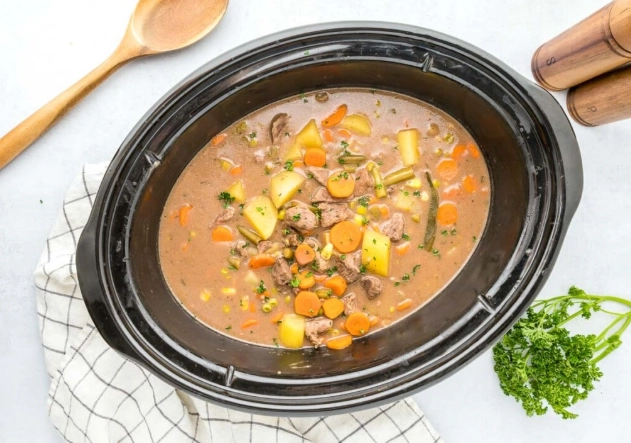
Here's how to do it right without making a huge mess:
- Pat your beef cubes completely dry with paper towels. Wet meat steams; it doesn't brown.
- Heat a tablespoon or two of oil in a heavy skillet (cast iron is perfect) over medium-high heat until it shimmers.
- Don't crowd the pan! This is crucial. Add the beef in a single layer with space between pieces. Crowding drops the pan temperature and makes the meat steam and stew in its own juices. Do it in batches.
- Let it sit, undisturbed, for a few minutes until a nice brown crust forms. Then flip and repeat. You're not cooking it through, just searing the outside.
Now, here's a pro-tip: after browning, while your skillet is still hot, pour in a little of your stew liquid (like beef broth or red wine) and scrape up all those glorious browned bits. That's pure flavor gold. Pour that liquid and the bits right into your slow cooker with the beef.
Choosing the Right Beef: It's Not All the Same
Not every cut of beef is created equal for stewing. You want a cut with lots of connective tissue (collagen) and marbling. These tough parts need long, slow, moist heat to break down into gelatin, which gives the stew body and makes the meat incredibly tender and juicy.
Here’s a quick breakdown of the best (and worst) choices for your slow cooker beef stew:
| Cut of Beef | Why It's Good for Stew | Things to Know |
|---|---|---|
| Chuck Roast | The undisputed champion. Well-marbled, full of connective tissue, perfect flavor. Breaks down into succulent, shreddy pieces. | My top recommendation every single time. Ask your butcher for a chuck roast and cut it yourself, or look for pre-cut "stew meat" labeled as chuck. |
| Brisket (point cut) | Extremely flavorful and becomes meltingly tender with long cooking. | Can be a bit fattier, which is great for flavor but you might want to trim some. Also tends to be more expensive. |
| Bottom Round / Rump Roast | Leaner than chuck but still has good structure for stewing. | Can become a bit dry if overcooked. Needs the full slow-cook time and shouldn't be rushed. |
| Short Ribs (boneless) | Incredibly rich, beefy flavor and ultra-tender. | Often more expensive, but the flavor is phenomenal. A great choice for a special occasion stew. |
| Sirloin or Tenderloin | Not Recommended | These are tender, quick-cooking cuts. They will turn tough, dry, and chewy in a slow cooker. Save them for stir-fries or grilling. |
See the pattern? Fat and connective tissue are your friends here.
What About Pre-Cut "Stew Meat"?
It's convenient, sure. But it's often a mystery mix of trimmings. Sometimes it's great (if it's from chuck), sometimes it's not. If you're going for a truly reliable and easy beef stew recipe slow cooker style, I strongly suggest buying a whole chuck roast and cutting it into 1.5 to 2-inch cubes yourself. You'll have uniform pieces that cook evenly, and you'll know exactly what you're getting. The difference is noticeable.
The Complete, Step-by-Step Easy Beef Stew Recipe for Your Slow Cooker
Alright, let's get down to it. This is the blueprint I follow every time. Feel free to tweak the vegetables or herbs to your liking—I'll talk about substitutions later.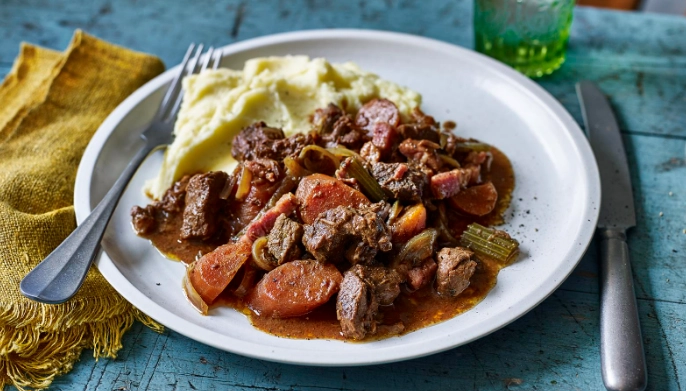
Ingredients You'll Need
- 3 lbs beef chuck roast, cut into 1.5-inch cubes (pat them dry!)
- 2-3 tablespoons all-purpose flour
- 1 teaspoon kosher salt, plus more to taste
- 1/2 teaspoon black pepper
- 2-3 tablespoons olive or vegetable oil
- 1 large yellow onion, chopped
- 4 cloves garlic, minced
- 1/4 cup tomato paste (that little can is perfect)
- 1 cup dry red wine (like Cabernet or Merlot) OR additional beef broth
- 4 cups low-sodium beef broth (I like to control the salt myself)
- 2 tablespoons Worcestershire sauce
- 1 tablespoon soy sauce (sounds weird, adds amazing umami)
- 2 bay leaves
- 1 teaspoon dried thyme (or 3-4 fresh sprigs)
- 4-5 medium carrots, cut into 1-inch chunks
- 1.5 lbs Yukon Gold potatoes, cut into 1-inch chunks (they hold shape better than Russets)
- 2-3 celery stalks, cut into 1-inch pieces (optional for me, but classic)
- 1 cup frozen peas (added at the very end)
- 2 tablespoons chopped fresh parsley for garnish
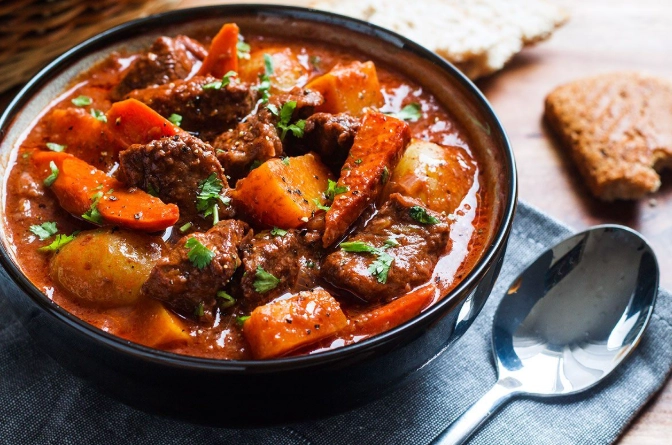
The Cooking Process
- Prep and Brown: Toss the dried beef cubes with flour, salt, and pepper. Brown the beef in batches in a hot skillet with oil as described above. Transfer all the beef to your 6-quart or larger slow cooker.
- Sauté the Aromatics: In the same skillet (don't wash it!), add a bit more oil if needed. Cook the onion over medium heat until softened, about 5 minutes. Add the garlic and cook for 1 more minute until fragrant. Stir in the tomato paste and cook for another minute—this caramelizes it slightly and removes any raw taste.
- Deglaze: Pour the red wine (or broth) into the skillet. Use a wooden spoon to scrape up every last bit of browned goodness from the bottom. Let it simmer for a minute. Pour this entire mixture over the beef in the slow cooker.
- Add Liquids and Herbs: To the slow cooker, add the beef broth, Worcestershire sauce, soy sauce, bay leaves, and thyme. Give everything a gentle stir.
- Slow Cook: Cover and cook on LOW for 7-8 hours. This is the sweet spot for tender beef. If you're in a hurry, you can cook on HIGH for 4-5 hours, but low and slow really is better for texture.
- Add Hardy Veggies: About 2-3 hours before the cooking time is done, add the carrots, potatoes, and celery (if using). This prevents them from turning into complete baby food. Just stir them in, re-cover, and let it finish cooking.
- Final Touches: About 15 minutes before serving, stir in the frozen peas. They just need to heat through. Taste the broth and adjust seasoning with more salt and pepper if needed. Remove the bay leaves. If the stew looks a bit thin, you can make a quick slurry: mix 2 tablespoons of cornstarch with 2 tablespoons of cold water until smooth. Stir this into the stew, cover, and cook on HIGH for 15-20 minutes until thickened.
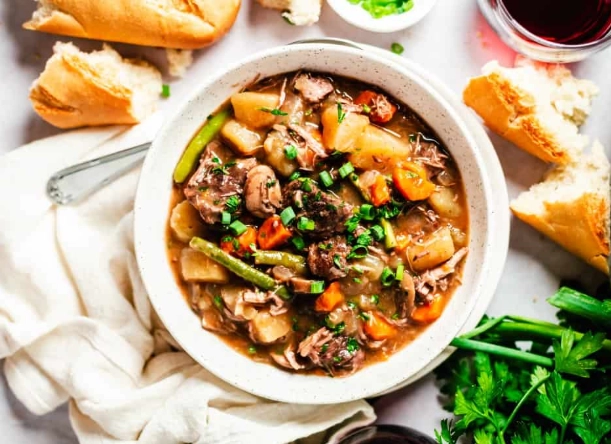
- Serve: Ladle into bowls and garnish with fresh parsley. Crusty bread for dipping is mandatory, in my opinion.
Common Questions & Problems (And How to Fix Them)
I've gotten a lot of questions from friends and family after sharing this recipe. Here are the big ones.
Why is my beef tough and chewy?
This is the number one complaint. Two main reasons:
- Wrong Cut: You used a lean cut like sirloin. Go back to chuck.
- Not Cooked Long Enough: Connective tissue needs time to break down. If your beef is still tough, it likely needs more time. Keep cooking on low. Conversely, if you cooked it on high for too long, the muscle fibers can seize up and toughen before the connective tissue breaks down. Low and slow is the mantra.
Why is my stew so bland?
Lack of seasoning at multiple stages. Remember: salt layers flavor. You salted the meat before browning. You used well-seasoned broth (even low-sodium has some). But the final adjust before serving is key. Also, did you brown the meat and use tomato paste, Worcestershire, and soy? Those are your flavor powerhouses. Don't skip them.
My vegetables are complete mush. What happened?
You added them at the beginning. Starchy vegetables like potatoes and carrots only need 2-3 hours on low to become perfectly tender. If they cook for 8 hours, they'll dissolve. This is why the staged addition is part of this easy beef stew recipe for the slow cooker.
Can I just throw everything in raw in the morning?
You can. It will be edible. But it won't be great. The flavor will be noticeably more shallow. The 20 minutes of active prep (browning, sautéing) is the investment that pays off tenfold in taste. Trust me on this one.
Can I make this easy beef stew recipe in an Instant Pot?
Absolutely. The principles are the same: brown the meat (use the Sauté function), sauté aromatics, deglaze. Then add everything except peas, secure lid, and cook on High Pressure for 35 minutes, followed by a 15-minute natural pressure release. Quick release, then use Sauté again to stir in peas and thicken if needed. It's faster, but the texture of the beef is slightly different—still tender, but I find the slow cooker gives a more "fall-apart" result.
Pro-Tips and Variations to Make It Your Own
Once you've mastered the basic easy beef stew recipe slow cooker method, have fun with it.
- Thicken it Up: I mentioned the cornstarch slurry. You can also mash a few of the cooked potatoes against the side of the pot and stir them in. Or, mix in a tablespoon of butter at the end for richness.
- Herb Swaps: Try a sprig of rosemary instead of thyme. Or add a pinch of smoked paprika for a subtle smoky note.
- Wine-Free Version: Use all beef broth. For extra depth, add a splash of balsamic vinegar or a teaspoon of mushroom powder.
- Storage & Reheating: Stew tastes even better the next day! Store cooled stew in an airtight container in the fridge for up to 4 days. Reheat gently on the stovetop or in the microwave. It also freezes beautifully for up to 3 months. Thaw in the fridge overnight before reheating.
One of my favorite resources for understanding food safety, especially with meat and slow cooking, is the USDA's guide on slow cookers and food safety. It's a good reminder to always start with thawed meat and ensure your cooker reaches a safe temperature.
The beauty of a recipe like this is its flexibility. It's a framework. Don't have carrots? Use parsnips. Out of potatoes? Throw in some turnips. The core technique—browning, layering flavors, slow cooking the right cut of beef—is what makes it bulletproof.
Wrapping It Up: Why This Recipe Works
So, what makes this easy beef stew recipe for the slow cooker stand out? It respects the process. It doesn't take shortcuts that sacrifice flavor (like skipping the sear), but it also doesn't add unnecessary, fussy steps. It uses the slow cooker for what it's best at—tenderizing and melding flavors—and uses the stovetop briefly for what the slow cooker can't do—creating foundational flavor through browning.
It solves the common problems: tough meat (by using chuck and cooking low & slow), blandness (by building flavor layers), and mushy veggies (by adding them later). It gives you a roadmap for a guaranteed result, but also the knowledge to adapt it.
Honestly, after perfecting this method, my slow cooker gets a workout all winter long. It's the definition of hearty, satisfying comfort food that practically makes itself. Give it a try on your next busy day. I don't think you'll be disappointed.
Now, go enjoy that stew. You've earned it.
Reader Comments