Quick Guide
- The Undisputed Champions for Shredded Beef
- The Strong Contenders & Situational Picks
- What About the Cuts to Avoid?
- How to Pick and Prep Your Beef for Success
- The Slow Cook: Time, Temperature, and Doneness
- Shredding, Saucing, and Serving
- Answering Your Beefy Questions (FAQ)
- Putting It All Together: Your No-Fail Path to Perfect Shredded Beef
Let's be honest. We've all been there. You get a craving for some incredible, melt-in-your-mouth shredded beef. Tacos, sandwiches, a hearty stew – you can already taste it. You buy a nice-looking piece of meat, chuck it in the slow cooker with some broth and spices, and wait eight hours full of hope.
Then you open the lid, poke it with a fork, and... nothing. It's tough. It's dry. It's chewy. You try to shred it, and it just tears into sad, stringy bits. Total dinner disappointment.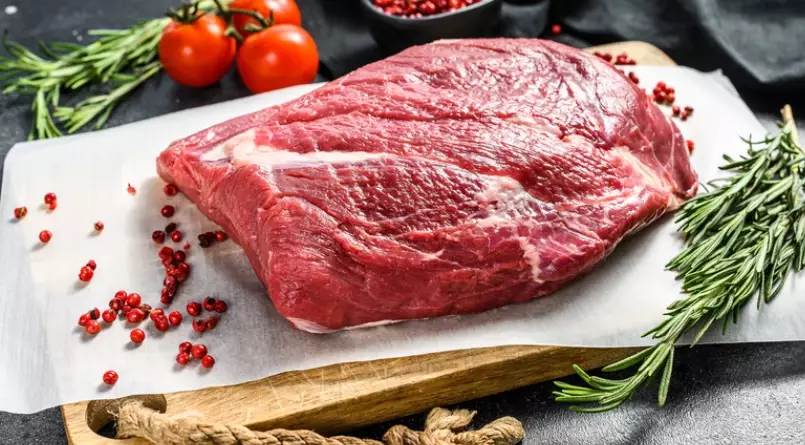
I've been that person. I once used a lean sirloin tip roast for a "shredded beef" recipe because it was on sale. Big mistake. It cooked up dry and fibrous, completely refusing to shred. It was more like beef jerky than the succulent filling I dreamed of. That failure sent me down a rabbit hole to really understand what makes the best cut of beef for slow cooking and shredding.
And here's the big secret: it's not about finding the most expensive or tender cut from the butcher's case. In fact, the best cuts for this job are often the cheaper, tougher, more marbled ones. It's all about connective tissue, fat, and muscle structure.
The Core Principle: Slow cooking and shredding is a magic trick that transforms tough, collagen-rich cuts into unbelievably tender and flavorful meat. The long, moist, low-heat cooking breaks down tough connective tissues (collagen) into rich, silky gelatin. This process bastes the meat from the inside, making it juicy and allowing it to fall apart effortlessly with a fork.
So, if you want to skip the trial and error (and the dry, tough results), you're in the right place. Let's break down exactly which cuts will give you that perfect pull-apart texture every single time.
The Undisputed Champions for Shredded Beef
When we talk about the best cut of beef for slow cooking and shredding, a few names always rise to the top. These are the workhorses of the slow cooker world, and for good reason. They have the perfect balance of meat, fat, and connective tissue.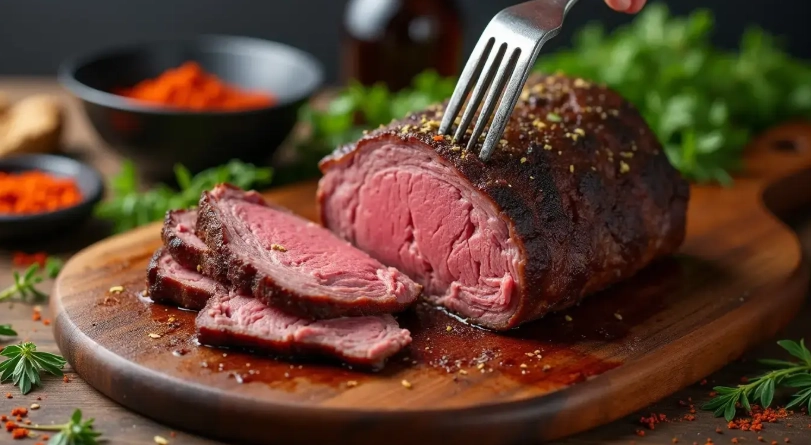
Chuck Roast (Beef Chuck)
This is the king, the MVP, the absolute go-to. If you only remember one cut from this article, make it the chuck roast. Coming from the shoulder and neck area of the cow, this muscle gets a lot of work, which makes it inherently tough – but also packed with flavor and marbling.
Why it's the best cut of beef for slow cooking and shredding: The chuck is marbled with fat and laced with collagen. Over hours of braising, that fat renders to keep things moist, and the collagen melts into luxurious gelatin. The result? Beef that shreds with a glance and tastes deeply beefy. It's also consistently one of the more affordable roasts, which is a huge win.
You might see it labeled as Chuck Roast, Chuck Eye Roast, Shoulder Pot Roast, or Blade Roast. They're all fantastic. I find a well-marbled chuck roast is almost foolproof. It's my personal safety net for pot roasts, barbacoa, and Italian beef sandwiches.
Brisket (Beef Brisket)
Brisket is legendary in the BBQ world for a reason, and that reason translates perfectly to the slow cooker. This cut comes from the lower chest/breast of the cow. It's a massive, dense muscle with a very thick fat cap on one side and a serious network of connective tissue running through it.
Why it's a top contender: Brisket is the definition of a tough cut that becomes sublime with patience. That thick fat cap bastes the meat for hours, and the connective tissue breaks down into something magical. When done right, brisket doesn't just shred – it practically dissolves into tender, flavorful strands. It's the classic choice for Texas-style shredded beef, and it makes an incredible base for stews or chili.
A quick heads-up: brisket can be a bit trickier than chuck. It's leaner in parts, and if you don't cook it long enough, it can be frustratingly tough. But when you nail it? Pure heaven.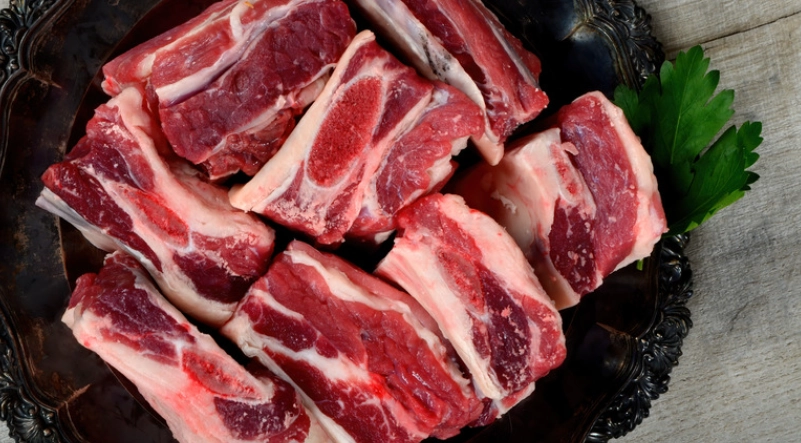
Beef Cheek
This is the secret weapon, the underdog that will blow your mind. Beef cheek is exactly what it sounds like – the muscle from the cow's cheek. It's an incredibly hard-working muscle, which means it's loaded with collagen.
Why it might be the ultimate best cut for slow cooking and shredding: The collagen content in beef cheek is off the charts. After a long, slow braise, it transforms into the most gelatinous, unctuous, melt-in-your-mouth beef you can imagine. The texture is unparalleled – rich, silky, and incredibly shreddable. The flavor is intensely beefy.
The downside? It can be harder to find than chuck or brisket (check a good butcher or a Latin American market), and it often requires a bit more trimming of silverskin. But the effort is 100% worth it for a special dish.
The Strong Contenders & Situational Picks
Not every dish calls for the heavyweights. Sometimes you want something a little different, or you're working with what's available. Here are some other cuts that can excel in the slow cooker for shredding.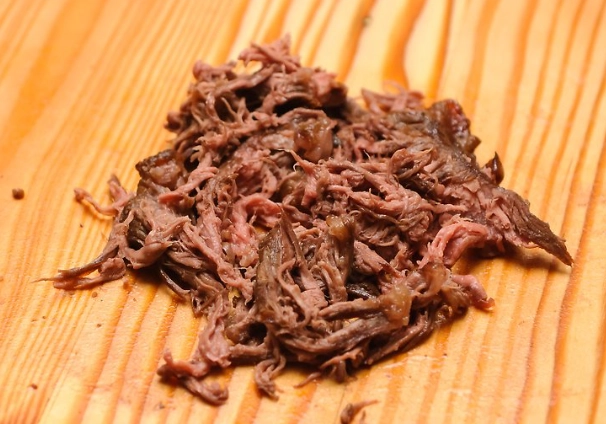
Round Roast (Bottom Round, Rump Roast)
Cuts from the round (the back leg) are leaner. They come from a well-exercised area, so they have flavor, but they lack the extensive marbling of a chuck. Think of bottom round or rump roast as the "healthy-ish" option for shredded beef.
They can be used successfully, but they require more babysitting. Because they're lean, they dry out more easily. The key is to not overcook them and to use plenty of braising liquid. I'd only recommend these if you're specifically looking for a leaner result or if they're significantly cheaper than chuck that day. They're a solid Plan B, but not the champion.
Short Ribs (Boneless)
Boneless short ribs are fantastic. They're incredibly rich, well-marbled, and full of flavor. When slow-cooked, the meat becomes incredibly tender and easy to shred. The main "con" is that they can be pricier per pound than a chuck roast, and you often get more bone and fat weight. But for richness, they're hard to beat.
Oxtail
Oxtail isn't a "cut" in the traditional sense, but it deserves an honorable mention. It's all about bones, connective tissue, and the small amount of meat surrounding them. The bone marrow and collagen that render out create a sauce or broth of legendary richness. The meat itself, once pulled from the bones, is supremely tender and shreddy. It's a project, but the payoff is a deeply flavored, luxurious result perfect for stews or ragus.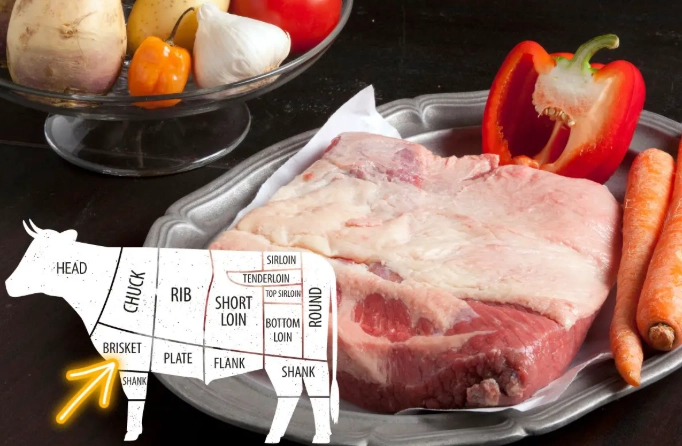
Pro Tip: Don't be afraid to mix cuts! I'll sometimes add a beef cheek or an oxtail to a pot with a chuck roast. The extra collagen from the specialty cuts makes the cooking liquid (and therefore the final shredded beef) even richer and more unctuous.
Okay, let's make this easier to see at a glance. Here’s how the top contenders stack up.
| Cut of Beef | Where It's From | Key Characteristics for Slow Cooking | Best For... | Shredding Ease |
|---|---|---|---|---|
| Chuck Roast | Shoulder & Neck | Excellent marbling, good collagen, consistently tender when slow-cooked, affordable. | Pot roast, tacos, sandwiches, stews (the all-rounder). | ★★★★★ (Effortless) |
| Brisket (Flat or Point) | Lower Chest | Very high collagen, distinct grain, a thick fat cap. Requires long cook time. | BBQ-style shredded beef, chili, hearty sandwiches. | ★★★★☆ (Excellent when done right) |
| Beef Cheek | Cheek Muscle | Extremely high collagen, ultra-rich flavor, can be harder to find. | Special occasion dishes, tacos de barbacoa, rich ragus. | ★★★★★ (Meltingly tender) |
| Bottom Round / Rump Roast | Back Leg | Leaner, less marbling, can dry out if overcooked. Good beefy flavor. | Leaner shredded beef applications, when on sale. | ★★★☆☆ (Good with care) |
| Boneless Short Ribs | Rib/Plate Area | Very rich and fatty, incredible flavor, can be expensive per serving. | Rich stews, luxurious sandwiches, where flavor is paramount. | ★★★★☆ (Very tender) |
See the pattern? Fat and collagen are your friends.
What About the Cuts to Avoid?
This is just as important as knowing what to buy. If you're aiming for shredded beef, steer clear (pun intended) of the tender, lean, quick-cooking cuts. They are designed for high, dry heat and will become a dry, tough disaster in a slow cooker.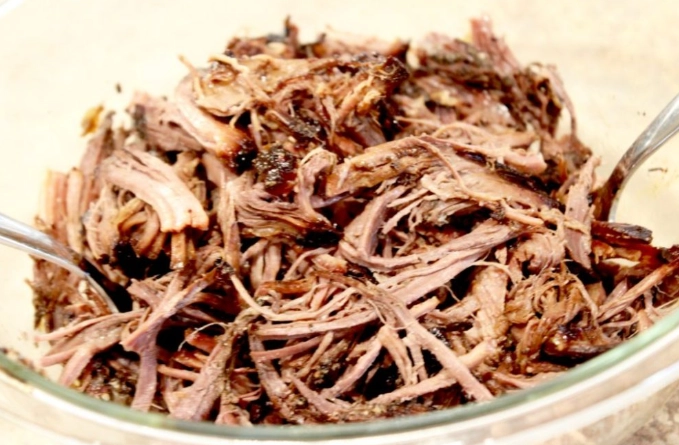
Do NOT use these for slow cooking and shredding:
- Filet Mignon / Tenderloin: Incredibly tender and lean. It has almost no fat or collagen to break down. Slow cooking will turn this expensive cut into a dry, flavorless puck. A total waste of money.
- Strip Steak / Sirloin Steak: These are great for grilling or pan-searing. They're too lean for the long, moist cooking needed for shredding.
- Ribeye Steak / Rib Roast (for prime rib): While beautifully marbled, these are already tender cuts. The long cook will cause the fat to render out completely, leaving the muscle fibers dry and mealy instead of shreddably tender.
- Skirt Steak / Flank Steak: These are best cooked quickly to medium-rare and sliced thinly against the grain. Slow cooking makes them chewy and fibrous.
I made the sirloin tip mistake once. Never again. It’s a lesson worth learning just once.
How to Pick and Prep Your Beef for Success
Knowing the best cut of beef for slow cooking and shredding is half the battle. The other half is how you handle it before it even hits the pot.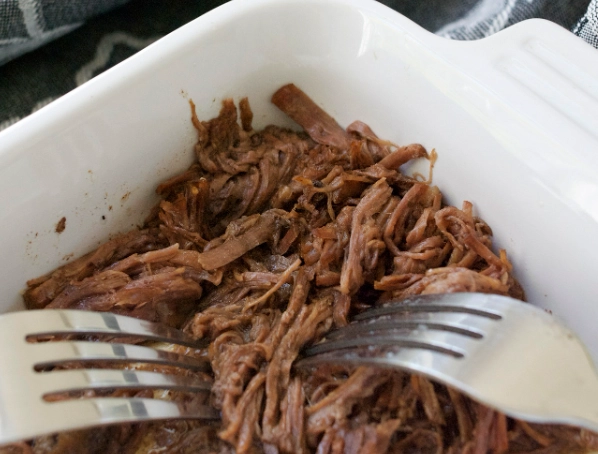
At the Store or Butcher
Look for marbling. Those little white streaks of fat within the red meat are your insurance policy against dryness. Don't be put off by a thick fat cap on one side (like on a brisket)—you can trim that down to about 1/4 inch if you want, but it's there to baste the meat. For chuck, look for a roast with even coloring and good marbling throughout.
If you're unsure, talk to your butcher. A good one will know exactly what you need. You can say, "I'm making slow-cooked shredded beef for tacos, what do you recommend?" They'll likely point you straight to the chuck or brisket.
Prepping the Meat (The 5-Minute Step That Makes a Difference)
- Pat it Dry: This is crucial. Take paper towels and thoroughly pat the entire surface of the roast dry. A dry surface browns infinitely better than a wet one.
- Season Generously, and Early: Don't be shy with salt and pepper. Season all sides heavily, and if you have time, do this an hour before cooking (or even the night before, kept in the fridge). This allows the salt to penetrate deeper, seasoning the meat from within.
- Sear It (The Non-Negotiable Step): I know some slow cooker recipes say you can skip this. Please don't. Heat a heavy skillet (cast iron is perfect) with a little oil until it's smoking hot. Sear the roast on all sides until you have a deep, brown crust. This isn't just for color; it creates a ton of flavor through the Maillard reaction—hundreds of new flavor compounds that you won't get from boiled meat. This step is what separates good shredded beef from great shredded beef.
The Slow Cook: Time, Temperature, and Doneness
You've got your perfect chuck roast, seared and ready. Now what?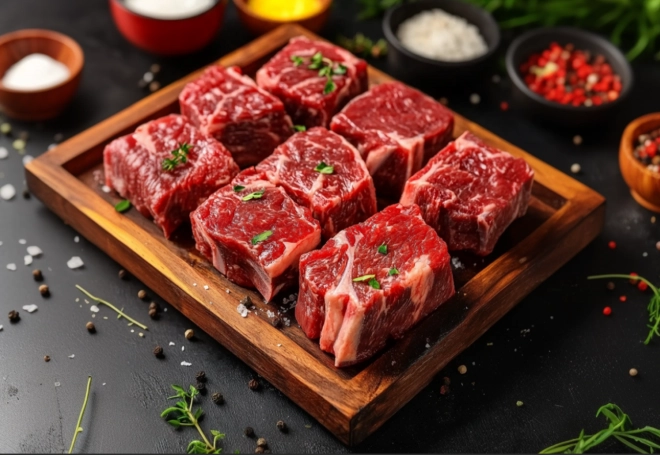
Low and Slow is the Rule. For the best cut of beef for slow cooking and shredding, you almost always want the "Low" setting on your slow cooker (around 95°C / 200°F). This gives the collagen ample time to melt without rushing the muscle fibers and squeezing out all the juice. High heat can make the meat tough.
How long? It depends on the size. A standard 2-3 pound chuck roast will typically take 8-10 hours on Low. A big brisket might need 10-12. But forget the clock. The meat is done when it's "probe-tender." That means when you insert a fork or a meat thermometer probe into the thickest part, it should slide in with little to no resistance, like going into warm butter. If it feels at all firm or springy, it needs more time.
Don't peek! Every time you lift the lid, you let out a huge amount of heat and steam, which can add 20-30 minutes to your cooking time. Trust the process.
The Liquid Situation
You don't need to submerge the roast. In fact, you shouldn't. You're braising, not boiling. Add enough liquid to come about one-third to halfway up the side of the meat. This could be beef broth, a mix of broth and red wine, beer, or even just water with extra seasoning. The meat will release its own juices as well.
Add your aromatics here: a halved onion, some smashed garlic cloves, a couple of bay leaves, a few sprigs of thyme. They'll perfume the meat and the cooking liquid, which often becomes your sauce.
Shredding, Saucing, and Serving
When the meat is probe-tender, turn off the cooker. Here's a critical tip: let it rest in the liquid for at least 30 minutes. This allows the hot juices to redistribute evenly throughout the meat. If you try to shred it piping hot, it will be more likely to turn to mush and will also burn your fingers terribly.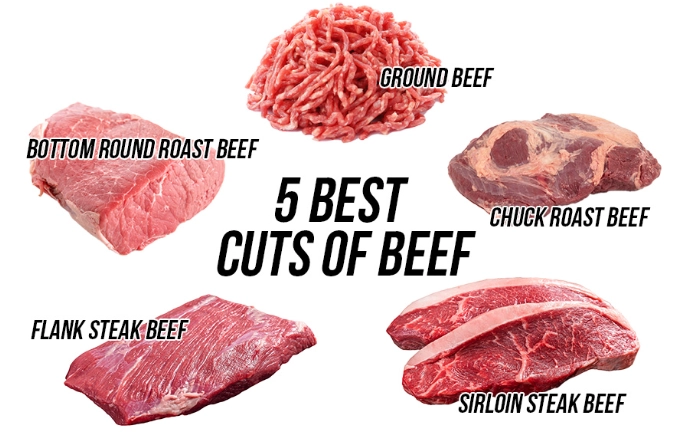
After resting, transfer the roast to a large bowl or cutting board. Use two forks (or meat claws if you have them) to pull the meat apart along its natural grain. It should offer almost no resistance. For chuck and brisket, you'll notice distinct lines running through the meat—that's the grain. Shredding across these lines (perpendicular to them) gives you shorter, more tender strands.
Now, about that liquid left in the pot.
You have gold there. Strain it into a fat separator or a measuring cup. Let the fat rise to the top. You can skim most of it off if you want a leaner sauce. What's left is an intensely flavorful beef broth. You can reduce it on the stovetop to make a gravy, or simply pour some back over the shredded beef to keep it moist and add flavor. Don't throw it away!
Answering Your Beefy Questions (FAQ)
Can I use a lean cut like sirloin if I just cook it for less time?
No, that's missing the point. Lean cuts lack the collagen that transforms into gelatin. They are done when they reach a certain internal temperature (like 135°F for medium-rare), and cooking them longer just makes them dry and tough. They will never achieve that "shreddable" texture, no matter the cook time. You'll end up with dry, sliced beef, not juicy, pulled beef.
Is it okay to cook the beef for longer than the recipe says, like overnight?
For the tough, collagen-rich cuts we're talking about, yes, there's a wide window of doneness. A chuck roast that's perfect at 8 hours will still be very good at 10 hours. It might start to get a bit mushy if you go much beyond that (like 12+ hours), but it's forgiving. The key is having enough liquid so it doesn't dry out. Overnight on low is a common and successful strategy.
My shredded beef turned out dry. What did I do wrong?
Three likely culprits: 1) You used a lean cut (like round) instead of a marbled one (like chuck). 2) You cooked it on "High" instead of "Low," which can cause the fibers to tighten and squeeze out moisture too quickly. 3) You didn't use enough braising liquid, or the cooker lid was cracked, letting all the steam escape. Next time, choose chuck, cook on low, ensure enough liquid, and don't peek!
Can I shred the beef with a mixer?
Absolutely! This is a great pro-tip for large batches. After resting, place the warm (not piping hot) beef in the bowl of a stand mixer fitted with the paddle attachment. Mix on low speed for 30-60 seconds. It will shred it perfectly and uniformly. Just be careful not to over-mix, or it can become pasty.
Putting It All Together: Your No-Fail Path to Perfect Shredded Beef
Let's simplify everything. If you want the best cut of beef for slow cooking and shredding, and you want it to be perfect: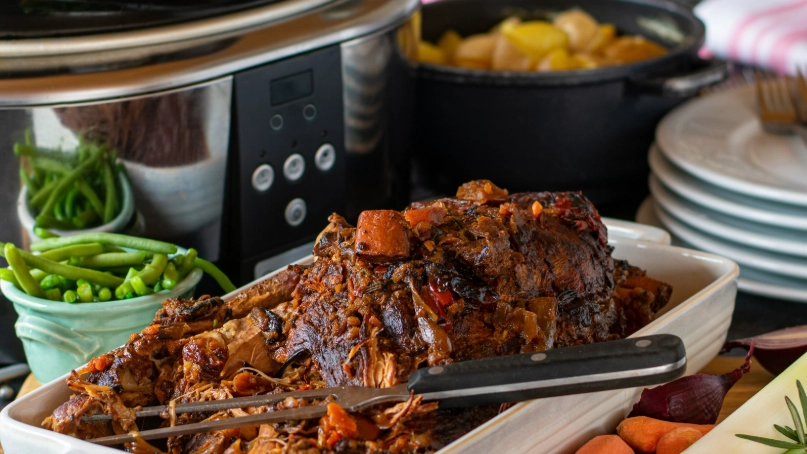
- Buy a Chuck Roast. Look for one with good marbling (white flecks in the meat).
- Season it well with salt and pepper at least 45 minutes before cooking.
- Sear it hard in a screaming hot pan until a brown crust forms on all sides.
- Place it in your slow cooker with aromatics (onion, garlic, herbs).
- Add liquid (broth, beer, water) until it comes 1/3 up the side of the meat.
- Cook on LOW for 8-10 hours, without peeking, until a fork inserts with zero resistance.
- Let it rest in the pot (off heat) for 30-45 minutes.
- Shred with forks, mix with some of the strained cooking liquid, and devour.
It’s not fancy science. It’s understanding that the tough, cheap, fatty cuts hold the key to the most tender results. Forget the filet mignon for this job. Embrace the chuck. Celebrate the brisket. Your tacos, sandwiches, and stews will thank you.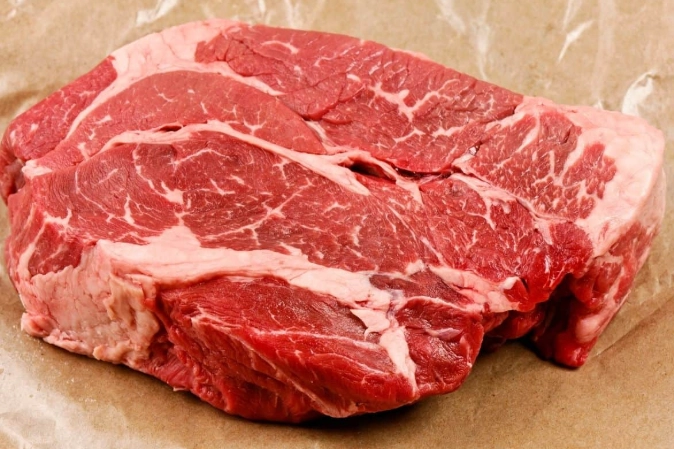
Now go grab a chuck roast and get that slow cooker going. Dinner is going to be incredible.
Reader Comments