Let's clear something up right away. You don't need a different recipe for every stew. Beef stew, chicken stew, lamb stew—they all follow the same basic architecture. Once you understand this universal stew formula, you can walk into your kitchen with whatever you have and create something deeply satisfying. It's less about memorizing steps and more about understanding a principle. The basic stew formula is this: Brown + Sauté + Deglaze + Simmer. That's the skeleton. Now, let's put some meat on those bones.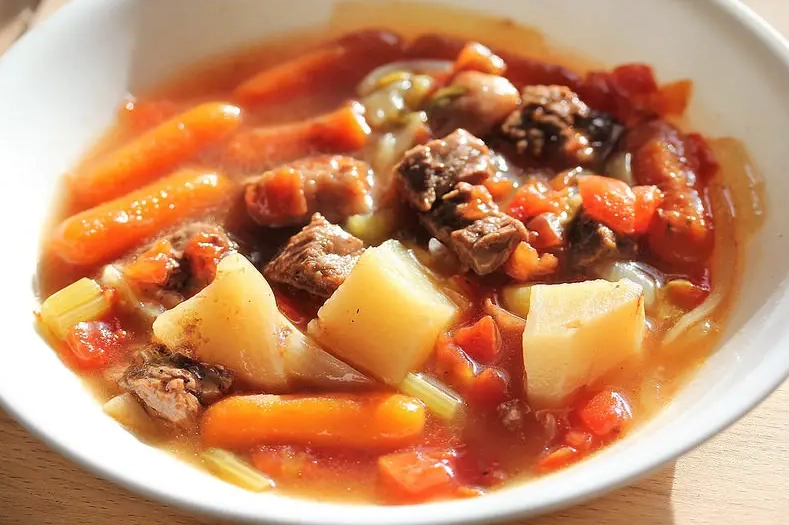
What You’ll Learn
The 4-Part Core Formula, Demystified
Think of this as the unchanging rhythm of a great stew. Mess with the order, and the flavor suffers.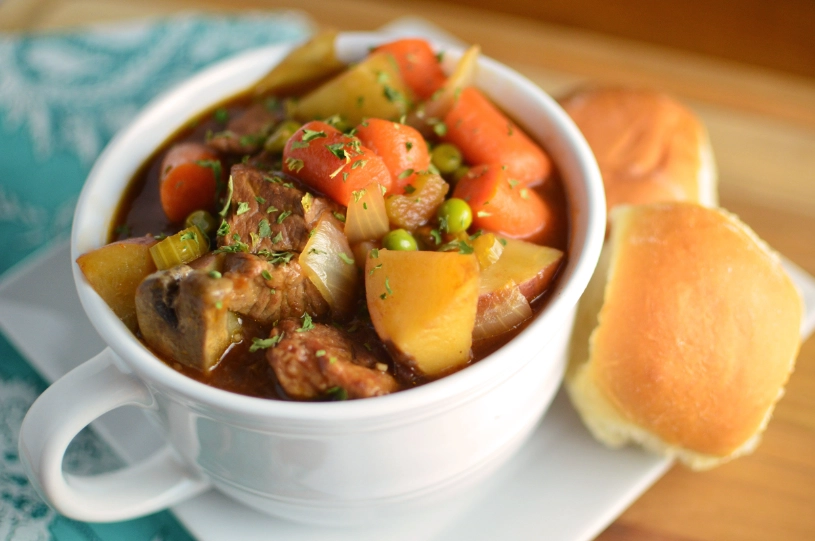
The Stew Formula Breakdown
- 1. Brown: This is non-negotiable. You take your main protein—cubes of beef chuck, chicken thighs, lamb shoulder—and sear them hard in hot fat. Don't crowd the pan. You want a dark brown crust, not gray steam. This Maillard reaction creates the foundational flavor. It's the difference between a stew that tastes boiled and one that tastes deeply roasted and complex.
- 2. Sauté: In the same pot, with the rendered fat and those glorious browned bits (the "fond"), you cook your aromatic vegetables. Onions, carrots, celery—the classic mirepoix. Cook them until they soften and sweeten. This step builds the aromatic base layer.
- 3. Deglaze: This is the magic trick. Pour in a liquid—wine, broth, even beer—and use a wooden spoon to scrape up every last bit of fond stuck to the bottom of the pot. That fond is pure flavor concentrate. Deglazing dissolves it into your liquid, ensuring none of that hard-earned taste is wasted.
- 4. Simmer: Return the meat to the pot, add enough liquid to just about cover everything, bring it to a bare whisper of a bubble, then cover and walk away. This low, slow heat gently breaks down tough connective tissue into silky gelatin, tenderizing the meat and thickening the sauce naturally.
I learned the importance of order the hard way. Early on, I'd throw everything in the pot at once. The result was a muddy, bland soup where the meat was tough and the vegetables were mush. The formula forces discipline, and that discipline creates layers of flavor.
Building Your Stew: The Essential Components
The formula is the method. These are your ingredients, and they're incredibly flexible.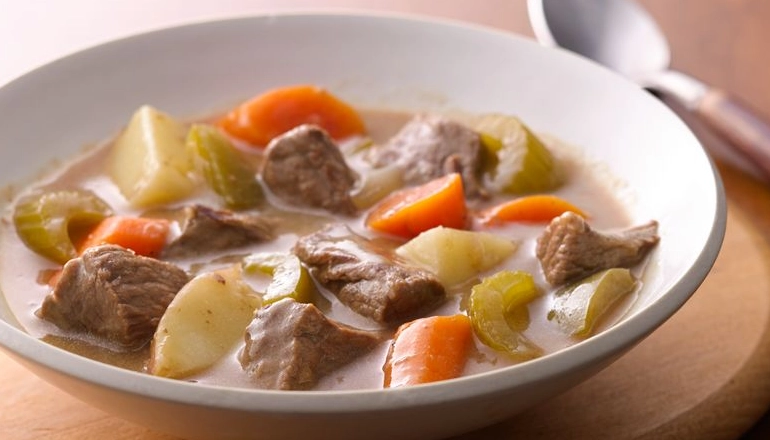
The Protein: Choosing the Right Cut
This is the biggest mistake home cooks make: using a lean, tender cut. You want the opposite. Stewing is a process of transformation. You need a cut rich in collagen and connective tissue—the stuff that's tough when quickly cooked. The long, moist heat of a stew melts that collagen into gelatin, making the meat succulent and giving the sauce body.
| Protein | Best Cuts for Stewing | Why It Works | Approx. Simmer Time |
|---|---|---|---|
| Beef | Chuck, Brisket, Round, Shank | High collagen content, becomes fork-tender and flavorful. | 1.5 - 3 hours |
| Pork | Shoulder (Butt), Picnic Roast | Well-marbled, breaks down into rich, juicy strands. | 1.5 - 2.5 hours |
| Lamb | Shoulder, Shank, Neck | Robust flavor stands up to long cooking and herbs. | 1.5 - 2.5 hours |
| Chicken | Thighs, Legs, Drumsticks | Dark meat stays moist; bone-in adds more flavor to the broth. | 45 min - 1 hour |
The Aromatics & Vegetables: Layering Flavor and Texture
Start with a base of diced onions, carrots, and celery—the holy trinity of Western stews. Cook them until the onions are translucent. For more depth, add minced garlic, tomato paste (cook it for a minute to remove the raw taste), or mushrooms. Sturdy root vegetables like potatoes, parsnips, or turnips can go in about 45 minutes before the end. Delicate veggies like peas or green beans should be stirred in during the last 5-10 minutes just to heat through.
The Liquid & Thickener: Creating the Sauce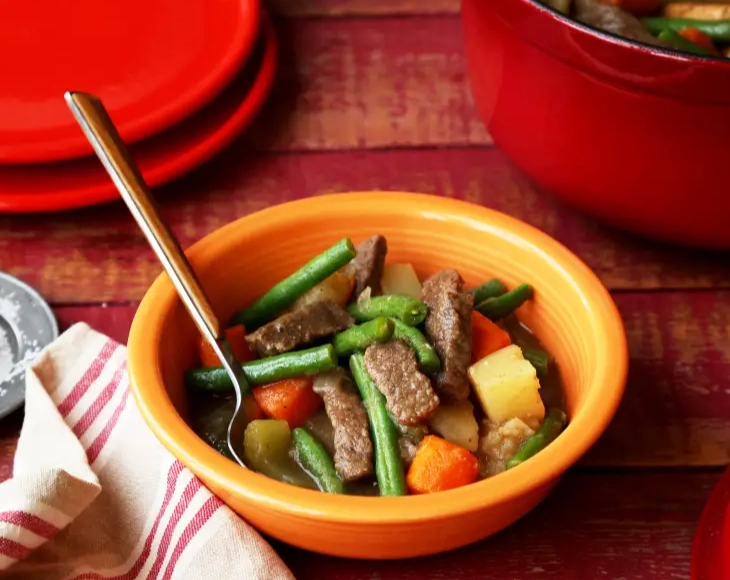
Your deglazing liquid sets the tone. Red wine for beef bourguignon, white wine for coq au vin, dark beer for a carbonnade. Broth (beef, chicken, vegetable) is your primary liquid. The ratio is simple: enough liquid to just barely cover the solids in the pot.
Thickening happens in a few ways. The classic method is to coat your meat in flour before browning. The flour mixes with the fat to create a roux-thickened sauce as it simmers. Alternatively, you can make a slurry of cornstarch and cold water at the very end. My personal preference? I often skip flour initially and use a mashed potato or a piece of torn bread stirred in at the end—it thickens beautifully and adds a rustic texture.
The Seasoning: The Final Polish
Salt early, but be cautious. You can always add more, but you can't take it out. Season the meat before browning. Add dried herbs like thyme, rosemary, or a bay leaf at the start of the simmer so their flavor infuses. Fresh herbs like parsley or dill should be sprinkled on just before serving. A final splash of acidity—a teaspoon of vinegar, a squeeze of lemon juice, or a dash of Worcestershire sauce—is the secret weapon. It cuts the richness and makes all the other flavors pop.
A Real-Life Step-by-Step Scenario
Let's apply this. It's a chilly Tuesday. You have 2.5 pounds of beef chuck in the fridge.v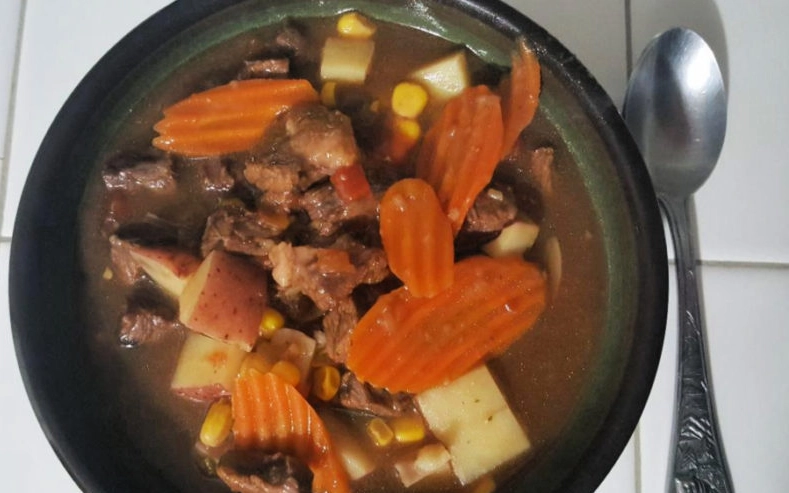
The Scenario: Classic Beef Stew for a Weeknight. Goal: Maximum flavor with a hands-off simmer.
1. Prep & Brown (20 mins): I cut the chuck into 1.5-inch cubes, pat them bone-dry with paper towels (crucial for browning, not steaming), and season aggressively with salt and pepper. In my heavy Dutch oven, I heat a few tablespoons of oil until it shimmers. I brown the meat in batches, getting a good crust on each piece. No rushing. This step alone builds 60% of the stew's flavor.
2. Sauté (10 mins): Into the same pot goes one large diced onion, two chopped carrots, and two chopped celery stalks. I scrape up any bits. Once they soften, I add two tablespoons of tomato paste and three minced garlic cloves, cooking for another minute until fragrant.
3. Deglaze & Build (5 mins): I pour in a half-cup of dry red wine, scraping the bottom furiously. Once it's mostly evaporated, I add back all the beef, along with four cups of low-sodium beef broth, a couple of bay leaves, and a few sprigs of fresh thyme. The liquid just covers the meat.
4. Simmer (2 hours, mostly hands-off): I bring it to a boil, then immediately reduce the heat to the lowest setting where I see an occasional bubble break the surface. I cover it and set a timer for 1.5 hours. I check it, give it a stir, and add cubed potatoes and more carrot chunks. I simmer for another 30-45 minutes until the beef and potatoes are tender.
5. Finish (5 mins): I fish out the bay leaves and thyme stems. I taste it. It needs salt and a few grinds of pepper. Then, the magic touch: a teaspoon of red wine vinegar stirred right in. I let it sit for 10 minutes off the heat. The flavors marry, the texture perfects itself.
That's it. The formula in action.
Expert Tips & Common Pitfalls to Avoid
After years of making and eating stew, here are the subtle errors I see most often.
Pitfall 1: Boiling, Not Simmering. A rolling boil will make your meat tough and dry, no matter how long you cook it. It violently contracts the muscle fibers. A true simmer is a bare shiver in the liquid. If you see more than a few lazy bubbles, the heat is too high.
Pitfall 2: Underseasoning in Layers. You can't just salt at the end. Season the meat before browning. Taste your broth before adding it. Season again at the end. Flavor builds in layers.
Pitfall 3: Adding Dairy Too Early. Thinking of making an Irish stew with stout and then adding cream? Add the cream at the very end, off the heat. Boiling dairy can cause it to curdle or separate, giving you a grainy sauce.
Pitfall 4: Ignoring the Rest. Stew, like a steak, benefits from resting. Let it sit off the heat for 10-15 minutes before serving. It thickens slightly, the meat reabsorbs some juices, and the flavors become more cohesive. It always tastes better the next day for this reason.
One more non-consensus tip: Don't be afraid of fat. Skimming all the fat off the top before serving also removes a lot of flavor. A stew should be unctuous. If there's an excessive layer, remove some, but leave a sheen. That's where the mouthfeel lives.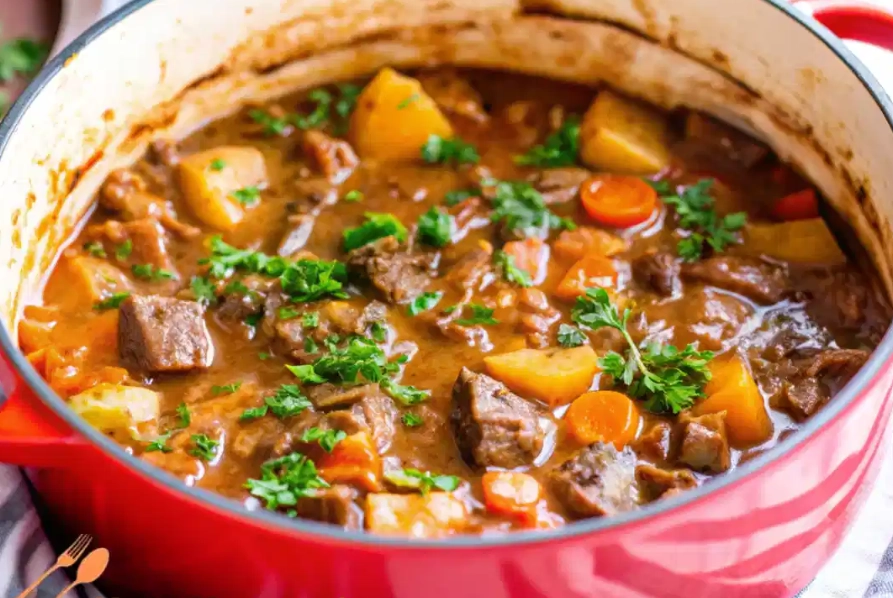
Your Stew Questions, Answered
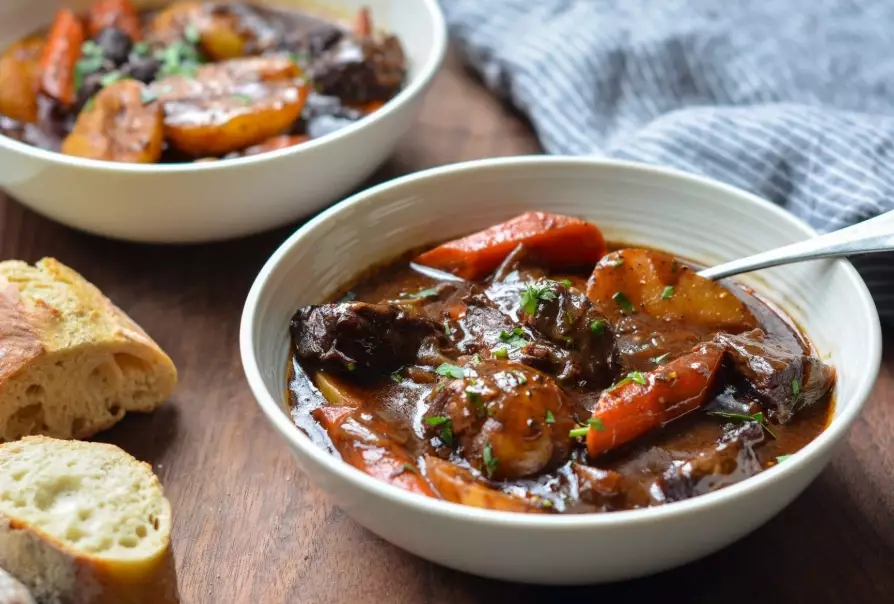 My stew always turns out too watery or too thick. How do I control the consistency?
So there you have it. The basic stew formula isn't a single recipe. It's a template for confidence. Brown, sauté, deglaze, simmer. Choose your protein, your aromatics, your liquid. Apply the formula, avoid the pitfalls, and don't forget that final splash of vinegar. You're not just following instructions; you're understanding how food works. That's the real secret to a lifetime of great stews.
Reader Comments