What You'll Find Here
Let's cut to the chase. A slow cooker vegetarian bean soup should be hearty, hands-off, and packed with flavor. But most recipes online give you a bland mush or skip crucial steps. I've been making this soup for years, tweaking it after a few disasters—like the time I added salt too early and ended up with tough beans. This guide fixes that.
Why This Slow Cooker Bean Soup Actually Works
It's all about layering flavors and letting the slow cooker do its magic. Beans release starch slowly, thickening the broth naturally. Vegetables like carrots and celery add sweetness without sugar. I use vegetable broth from scratch sometimes, but store-bought works fine—just pick a low-sodium brand. The key is patience. Rushing this soup ruins texture.
Some folks think vegetarian soups lack depth. Not true. Umami from tomatoes and a splash of soy sauce or miso paste does wonders. I learned that from a vegan chef friend who swore by it.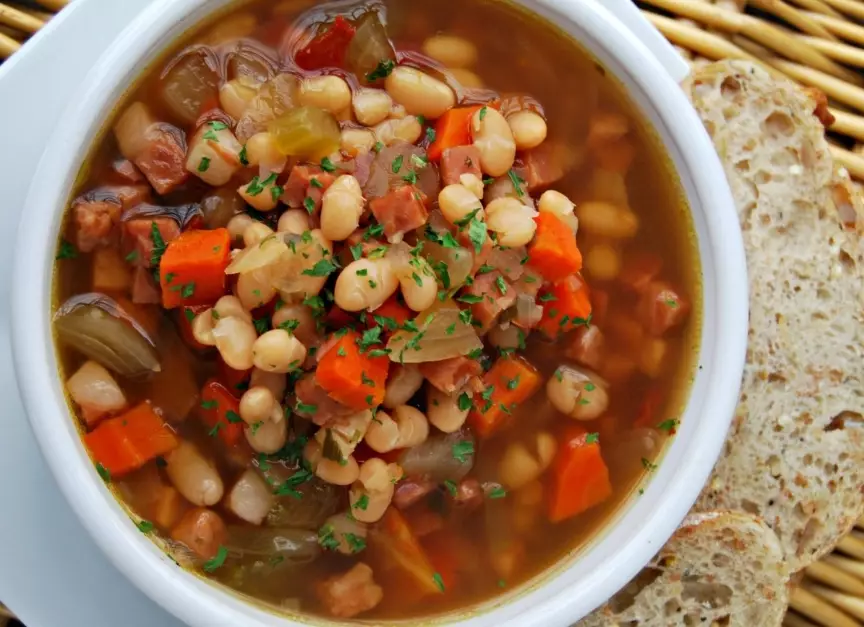
Ingredients Breakdown: What You Need and Why
Here’s the full list. Don't skip the aromatics—they're non-negotiable.
| Ingredient | Quantity | Purpose & Notes |
|---|---|---|
| Dried mixed beans (e.g., kidney, pinto, black) | 2 cups | Heartiness; soak overnight for even cooking. |
| Onion, diced | 1 large | Base flavor; yellow onions work best. |
| Carrots, chopped | 2 medium | Sweetness and color; don't cut too small. |
| Celery stalks, chopped | 3 stalks | Adds freshness; include leaves for extra flavor. |
| Garlic cloves, minced | 4 cloves | Aromatic punch; fresh is better than powder. |
| Canned diced tomatoes | 1 can (14.5 oz) | Acidity and richness; use fire-roasted for smokiness. |
| Vegetable broth | 6 cups | Liquid base; low-sodium to control salt. |
| Bay leaves | 2 leaves | Herbal notes; remove before serving. |
| Dried thyme | 1 tsp | Earthiness; fresh thyme works too. |
| Olive oil | 2 tbsp | For sautéing; adds richness. |
| Salt and black pepper | To taste | Season at the end to avoid tough beans. |
Why dried beans? They're cheaper and absorb flavors better. But if you're short on time, canned beans are an option—I'll explain the trade-offs later.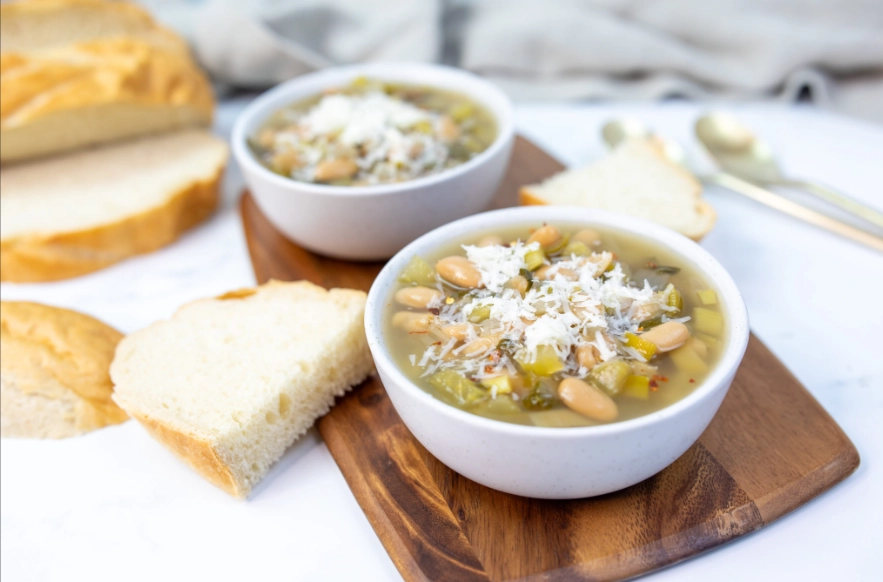
Dry Beans vs Canned Beans: A Quick Comparison
Dry beans need soaking, but they hold shape and make a thicker broth. Canned beans are convenient but can turn mushy. For this recipe, I prefer dry. But if you use canned, reduce cooking time by half.
Step-by-Step Cooking: No Guesswork Involved
This isn't rocket science, but follow these steps to avoid a watery mess.
- Soak the beans: Rinse 2 cups of dried mixed beans. Place them in a large bowl, cover with water by 2 inches, and soak overnight. Or use the quick soak method: boil for 2 minutes, then let sit for an hour. Drain and rinse.
- Sauté the aromatics: In a skillet, heat 2 tbsp olive oil over medium heat. Add diced onion, chopped carrots, and celery. Cook for 5-7 minutes until softened. Stir in minced garlic for 30 seconds until fragrant. This step builds flavor—don't skip it, even though some recipes say to dump everything raw.
- Combine in slow cooker: Transfer the sautéed veggies to your slow cooker. Add soaked beans, canned diced tomatoes (with juice), 6 cups vegetable broth, 2 bay leaves, and 1 tsp dried thyme. Stir gently.
- Cook: Cover and cook on low for 8 hours or high for 4-5 hours. Beans should be tender but not mushy. Avoid lifting the lid too often; it releases heat and slows cooking.
- Season: In the last 30 minutes, remove bay leaves. Season with salt and black pepper to taste. This timing prevents beans from toughening.
- Thicken if needed: If the soup is too thin, use an immersion blender to puree a portion directly in the pot. Or mash some beans with a fork. Serve hot.
I made this soup last week for a potluck. Forgot to sauté the veggies once—big mistake. The soup tasted flat, like boiled water with beans. Lesson learned.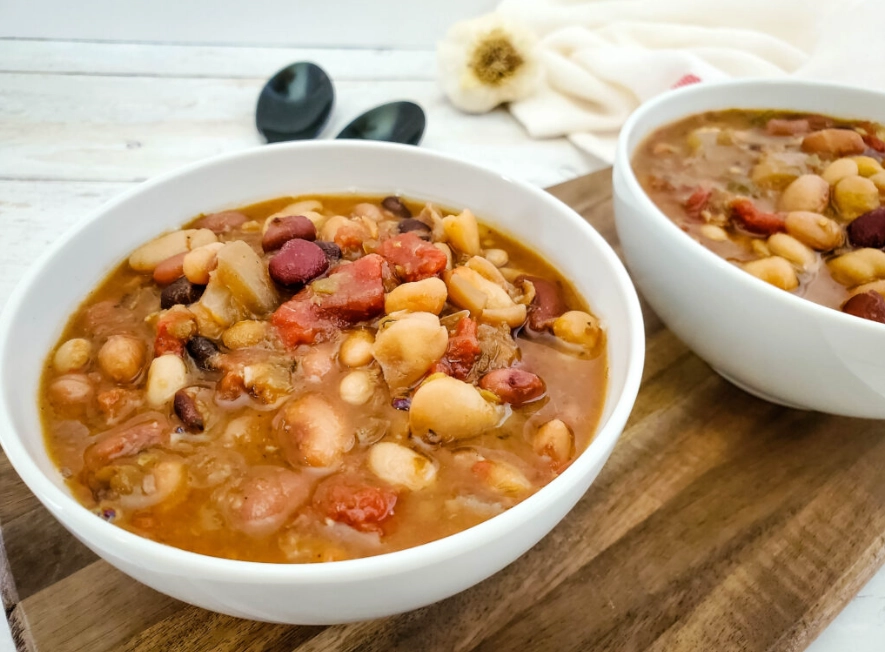
Expert Tips and Common Mistakes to Avoid
Here’s where most home cooks go wrong. I've seen it all.
- Mistake 1: Adding salt too early. Salt at the beginning can make beans tough. Wait until the end. I learned this the hard way after a batch that stayed crunchy.
- Mistake 2: Overfilling the slow cooker. Fill only 2/3 full to prevent overflow. Beans expand as they cook.
- Mistake 3: Using old beans. Beans older than a year take longer to cook. Check the purchase date. I keep mine in airtight jars.
- Tip for depth: Add a tablespoon of soy sauce or miso paste with the broth. It adds umami without meat. Sounds weird, but trust me.
- Texture check: Test beans for doneness by biting one. They should be creamy inside, not chalky.
Another thing: don't add acidic ingredients like tomatoes too early if using dry beans. It can hinder softening. But in this recipe, it's fine because we soak first.
Variations and Customization for Your Taste
This soup is flexible. Play around.
- Spicy version: Add a diced jalapeño with the veggies or a pinch of red pepper flakes.
- Creamy twist: Stir in 1/2 cup coconut milk or cashew cream at the end for richness.
- Extra veggies: Toss in chopped kale or spinach in the last 30 minutes. They wilt nicely.
- Protein boost: Add a cup of cooked quinoa or lentils for more heft. I do this when serving athletes.
My favorite variation? Smoky bean soup. Add a teaspoon of smoked paprika with the thyme. It mimics a ham flavor without meat.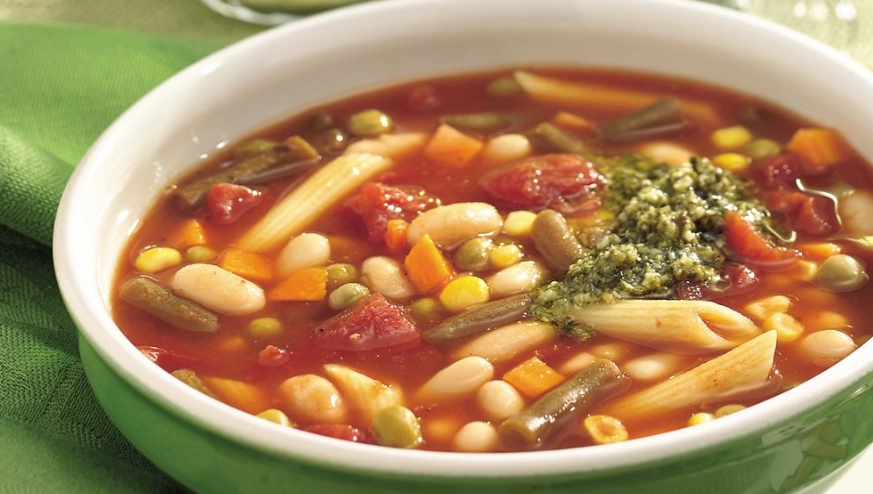
Storage and Reheating: Make It Last
This soup gets better overnight. Store it right.
Cool leftovers within two hours. Transfer to airtight containers. In the fridge, it lasts 4 days. For freezing, portion into freezer-safe bags or containers; it keeps for 3 months. Thaw in the fridge overnight before reheating.
Reheat on the stove over medium-low heat, stirring occasionally. Add a splash of broth if it thickens too much. Microwaving can make beans explode—I've cleaned up that mess.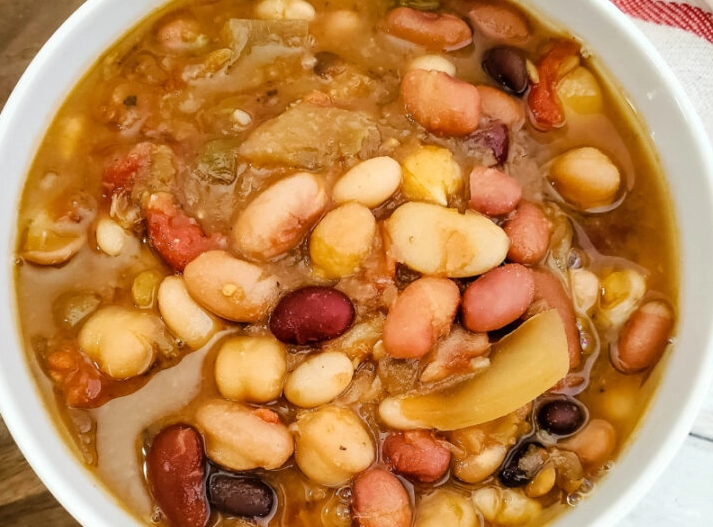
Your Questions Answered (FAQ)
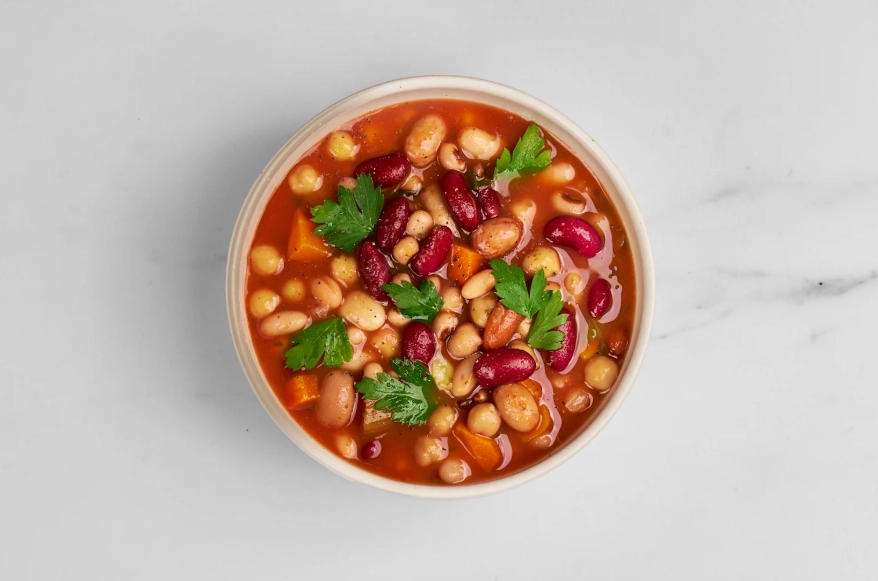 That's it. Give this soup a try on a busy weekday—it's forgiving and filling. Share your results with me online; I love seeing your twists. Happy cooking!
Reader Comments