I'll be honest, the first time I heard about making lava cake in a slow cooker, I was skeptical. A slow cooker? For a delicate, molten-centered dessert? It sounded like a recipe for a sweet, gooey disaster. But after a summer where my oven broke down right before a dinner party, I was desperate. I grabbed a box of chocolate cake mix and my trusty Crock-Pot, crossed my fingers, and gave it a shot.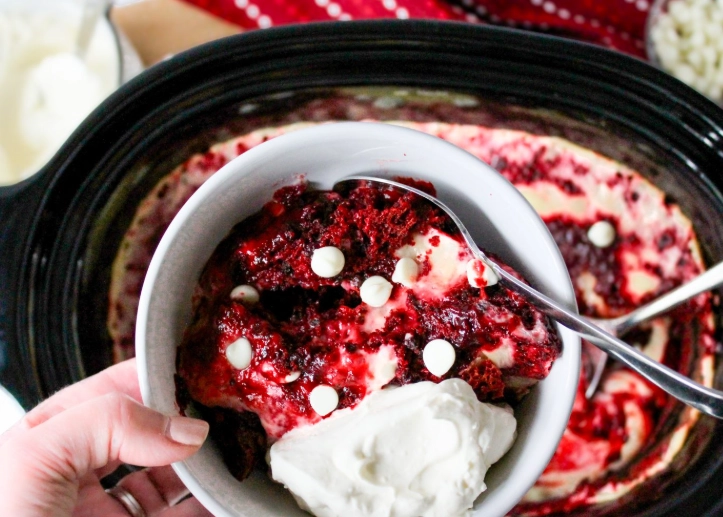
The result stunned me. Not only did it work, it produced one of the most consistently fudgy, perfectly molten lava cakes I'd ever made—easier than the oven version and virtually foolproof. The gentle, enveloping heat of the slow cooker is actually its secret weapon, cooking the edges to a tender cake while leaving that iconic liquid center untouched.
If you've ever been intimidated by the timing of traditional lava cake, or just want a hands-off dessert that cooks while you make the rest of dinner, this is your game-changer.
Your Quick Guide to Slow Cooker Lava Cake Success
What You Absolutely Need (And What You Don't)
Let's cut through the clutter. You don't need special equipment or rare ingredients. The beauty of this method is its simplicity.
The Core Four: A standard 15.25 oz box of chocolate cake mix (Devil's Food works best), eggs, oil, and water—exactly as the box directs for the "cake" recipe, not the cupcakes. This forms your base.
But here's the twist for the lava center. You have two main paths:
- The Classic Pudding Method: A small box of instant chocolate pudding mix (3.4 oz) whisked into 2 cups of cold milk. This is reliable and gives a consistent, creamy flow.
- The Chocolate Ganache Shortcut: A bag of semi-sweet chocolate chips (about 1.5 cups) combined with ¾ cup of heavy cream, heated until smooth. This is richer, more decadent, and less sweet.
I've used both countless times. The pudding method is idiot-proof and what I recommend for your first try. The ganache method tastes more artisan, but you have to be careful it doesn't solidify too much before you layer it.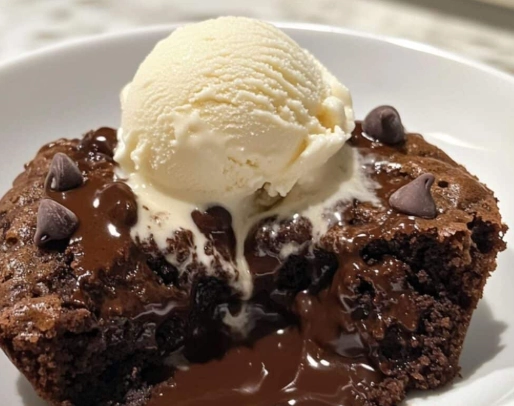
| Ingredient | For the Cake | For the Lava Center |
|---|---|---|
| Base | 1 box chocolate cake mix | 1 small box instant choc. pudding or 1.5 cups choc. chips |
| Liquid | Water, oil, eggs (per box) | 2 cups cold milk or ¾ cup heavy cream |
| Tool | Mixing bowl, whisk | Another bowl, whisk/saucepan |
| Vessel | 4-6 quart slow cooker, lined with parchment paper | |
Speaking of the slow cooker, a 4 to 6-quart oval or round model is ideal. Don't try this in a giant 8-quart unless you double the recipe—the cake will spread too thin and overcook.
The Step-by-Step Process: Mix, Pour, Wait
This isn't complicated, but the order matters. Mess it up, and you might just get chocolate cake (still good, but not lava).
1. Prep is 90% of the Battle
Line your slow cooker insert with parchment paper. I mean it. Don't just grease it. Parchment paper is your insurance policy for a clean release. Crumple it, wet it, then smooth it into the pot—it'll stay put. This one tip saves so much frustration.
Prepare your lava center. If using pudding, whisk the mix and milk for 2 full minutes until it starts to thicken, then set it aside. If making ganache, heat cream until steaming, pour over chocolate chips, let sit for 3 minutes, then stir until glossy. Let it cool slightly while you make the cake batter.
2. Mix the Cake Batter – But Gently
In a separate bowl, mix the cake batter according to the box's "cake" instructions. Here's a pro tip: undermix. Stir just until the last streak of dry mix disappears. A few lumps are fine. Overmixing makes the cake tough. Pour about two-thirds of this batter into the parchment-lined slow cooker.
3. The Critical Lava Layer
Now, carefully pour or spoon all of your prepared pudding or ganache right into the center of the batter. Try not to let it touch the sides. Imagine you're creating a chocolate lake in the middle of a brownie batter moat.
4. Seal the Deal
Gently spoon the remaining cake batter over the top, spreading it to cover the lava layer as much as possible. It's okay if a little peeks through. You're creating a buried treasure of molten chocolate.
5. The Long, Slow Cook
Place the lid on. Cook on LOW for 2.5 to 3.5 hours. Do not cook on High. The gentle heat is non-negotiable. Start checking at the 2.5-hour mark. The cake is done when the edges are fully set and pulling away from the parchment, and the top looks dry and springy to a light touch, but the center still has a pronounced jiggle when you gently shake the pot. That jiggle is the lava.
Turn off the slow cooker, remove the lid, and let it sit for 30-45 minutes. This resting period is crucial—it lets the residual heat finish setting the structure without overcooking the center.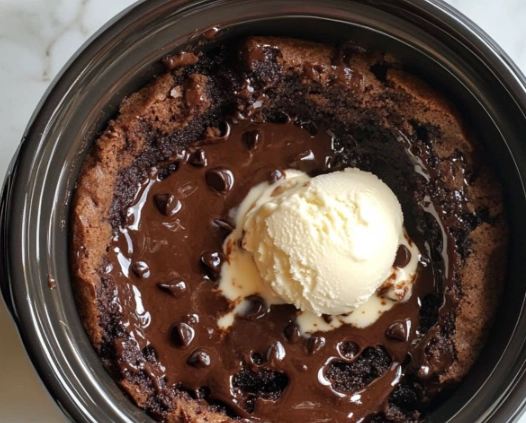
Expert Tips Most Recipes Won't Tell You
After making this two dozen times, here's what I learned the hard way so you don't have to.
- Brand Matters (A Little): I've had the best results with Duncan Hines or Betty Crocker Devil's Food mix. Some store-brand mixes are less dense and can lead to a weepy structure. Stick with a name brand for your first attempt.
- The Jiggle Test is Everything: Don't rely solely on time. Ovens vary, but slow cookers vary wildly. That wobble in the center third of the cake is your visual cue. No jiggle means you have solid chocolate cake. Too much liquid jiggle means give it another 15-20 minutes.
- Resist the Urge to Peek: Every time you lift that lid in the first 2 hours, you release a massive amount of heat and steam, adding 15-20 minutes to your cook time. Set a timer and walk away.
- Altitude Adjustments: If you live above 3,000 feet, the cake may set faster. Check at 2 hours. You might also need 1-2 tablespoons more water in your cake batter to prevent dryness, as recommended by resources like the USDA for high-altitude baking.
Troubleshooting: Fixing Common Problems
It didn't turn out? Let's diagnose it.
Problem: The cake is dry all the way through, and the center is solid.
Likely Cause: Overcooking. Your slow cooker might run hot. Next time, check at 2 hours. Also, ensure you used the "cake" recipe amounts, not "cupcake" (which often uses less liquid).
Problem: The top is cooked, but the bottom is burnt or too dark.
Likely Cause: Direct heat without a buffer. You didn't use parchment paper, or your slow cooker's "Low" is very aggressive. Parchment is mandatory. You can also try placing a tea towel under the lid to absorb condensation and regulate heat, a trick known in slow cooker circles.
Problem: The lava center leaked out and mixed with the cake, creating a mushy layer.
Likely Cause: The lava layer (pudding/ganache) was too hot or too thin when added, or the cake batter was overmixed and too thin. Make sure your ganache has cooled to warm, not hot. Ensure your pudding has thickened for the full 2 minutes.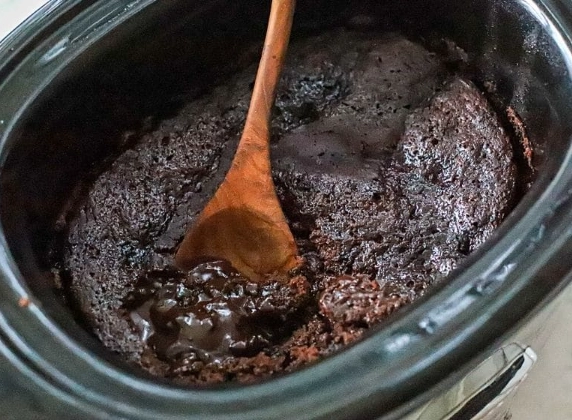
Serving Ideas That Make It Special
You've got this glorious, steaming chocolate mass. Now what? Use the parchment paper to lift the whole cake out onto a serving plate or board. Slice it like a brownie.
The classic pairing is a scoop of vanilla ice cream. The hot/cold contrast is perfect. But don't stop there:
- A drizzle of salted caramel sauce cuts the sweetness.
- Fresh raspberries or strawberries add a tart, fresh note.
- A dollop of whipped cream with a pinch of espresso powder.
- For adults, a splash of Chambord or Irish cream over the top.
It's messy, it's indulgent, and it's meant to be. Serve it right out of the slow cooker insert at the table for a fun, family-style dessert.
Your Burning Questions, Answered
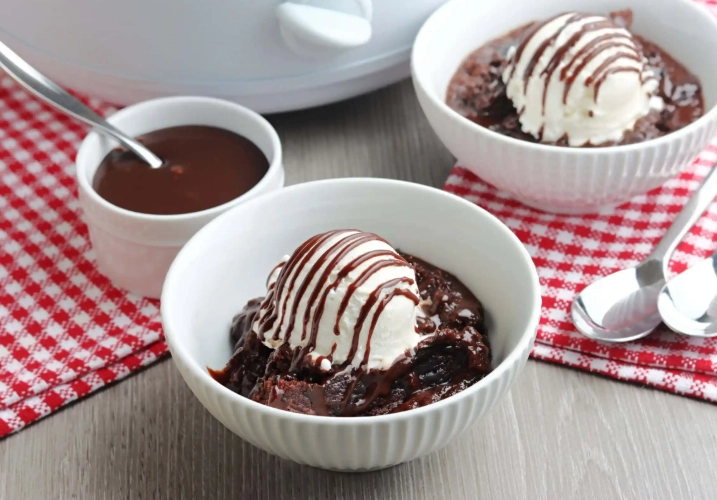
So, there you have it. The slow cooker lava cake isn't a gimmick; it's a legitimately easier, more forgiving way to make a dessert that usually requires precision. It turns a box mix into something that feels special and homemade. Give it a shot on a lazy weekend. The worst that can happen is you get a pan of very good chocolate cake. The best? You unlock a whole new, stress-free way to satisfy that chocolate craving.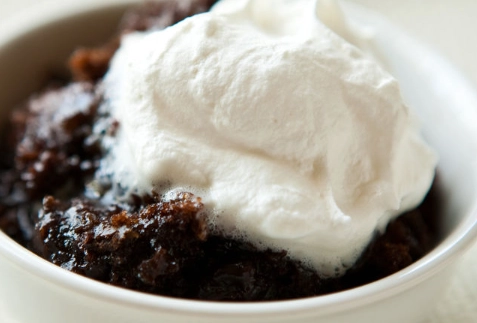
Reader Comments