Yes, you can use a one pot as a slow cooker, but it's not as simple as just turning down the heat. I've been cooking with various pots and slow cookers for over a decade, and let me tell you, the difference isn't just about time—it's about safety, texture, and avoiding kitchen disasters. This guide dives deep into how to make it work, what to watch out for, and why sometimes you might want to stick with a dedicated appliance.
What You'll Find in This Guide
- What is a One Pot and How Does It Compare to a Slow Cooker?
- Safety First: Key Considerations Before Using Your One Pot as a Slow Cooker
- Step-by-Step Guide to Convert Your One Pot for Slow Cooking
- Best Recipes to Try with Your One Pot Slow Cooker
- Common Mistakes and How to Avoid Them
- Frequently Asked Questions
What is a One Pot and How Does It Compare to a Slow Cooker?
A one pot typically refers to a versatile cooking vessel like a Dutch oven, stockpot, or even a heavy-bottomed saucepan. Slow cookers, on the other hand, are designed for low, consistent heat over many hours. The core difference? Heat distribution and control. Slow cookers wrap heat around the food evenly, while pots on a stovetop or in an oven can have hot spots.
I remember trying to slow cook a beef stew in my enameled cast iron Dutch oven. It turned out great, but only after I adjusted the oven temperature multiple times. Most pots lack the insulated design of slow cookers, which means they can lose heat faster or overheat if not monitored.
Here's a quick comparison based on my experience:
- Heat Source: Slow cookers use low wattage elements; pots rely on stovetop burners or oven settings.
- Temperature Consistency: Slow cookers maintain a steady low temp (around 200°F or 95°C); pots can fluctuate unless you use an oven with precise control.
- Lid Fit: Slow cooker lids are tight to trap moisture; pot lids might not seal as well, leading to evaporation.
If your pot has a heavy base and a tight-fitting lid, you're off to a good start. But don't assume all pots are equal—thin aluminum pots? Forget about it for slow cooking.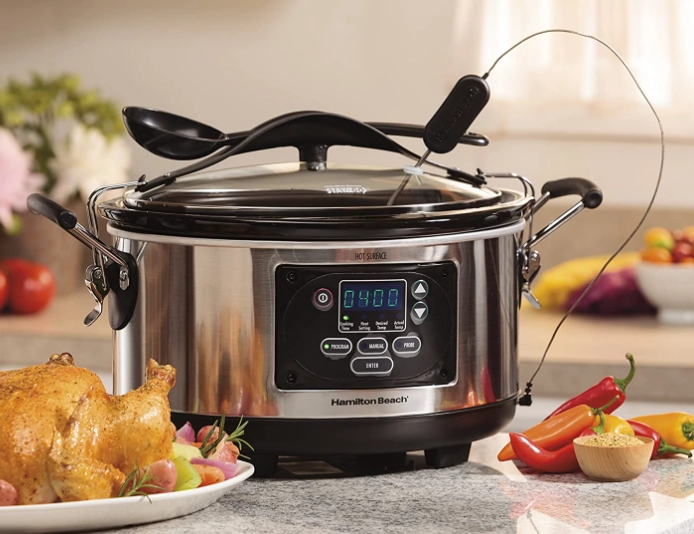
Safety First: Key Considerations Before Using Your One Pot as a Slow Cooker
Safety is huge here. I've seen friends leave a pot on the stove for hours, only to come back to a burnt mess or, worse, a fire hazard. Let's break down the risks.
First, material matters. Cast iron and enameled cast iron are excellent for slow cooking because they retain heat well. But stainless steel? It can work, but you need to watch for hot spots. Avoid non-stick pots for prolonged cooking—the coatings can degrade at high temperatures over time, as noted in reports from sources like the USDA Food Safety and Inspection Service on cookware safety.
Second, heat source safety. Using a stovetop for slow cooking requires constant supervision. I once left a pot on low heat overnight, and the liquid reduced too much, almost scorching the bottom. Ovens are safer for unattended cooking, but ensure your pot is oven-safe. Check the manufacturer's guidelines—many pots have temperature limits.
Third, food safety. Slow cooking at too low a temperature can allow bacteria to thrive. The USDA recommends keeping food above 140°F (60°C) to prevent bacterial growth. With a pot, you might not hit that consistently without a thermometer. Invest in a good kitchen thermometer; it's a game-changer.
Here's a non-consensus point: many blogs say any pot will do, but from my experience, pots with thin walls or poor lids are a recipe for disaster. They lose heat quickly, forcing you to crank up the heat, which defeats the purpose of slow cooking.
Step-by-Step Guide to Convert Your One Pot for Slow Cooking
Ready to give it a shot? Follow these steps. I've used this method for years, tweaking it based on trial and error.
Step 1: Choose the Right Pot. Go for heavy-duty materials like cast iron or thick stainless steel. My go-to is a 6-quart Dutch oven—it's versatile and holds heat like a champ.
Step 2: Preheat Your Oven. Don't skip this. Set your oven to a low temperature, ideally between 200°F and 300°F (95°C to 150°C). Stovetop can work, but ovens offer more even heat. For stovetop, use the smallest burner on the lowest setting.
Step 3: Prepare Ingredients. Cut everything uniformly. Big chunks work best for slow cooking. I learned this the hard way when my carrots turned mushy while the potatoes were still hard.
Step 4: Layer and Liquid. Add enough liquid—broth, water, or sauce—to cover about two-thirds of the ingredients. Slow cookers use less liquid due to sealed lids; pots might need more to compensate for evaporation.
Step 5: Monitor and Adjust. Check every hour for the first few times. Use a thermometer to ensure the internal temperature stays above 140°F. If using an oven, you might need to adjust the temp based on your oven's accuracy. Mine runs hot, so I set it 25 degrees lower.
Step 6: Rest and Serve. Let it rest off heat for 10-15 minutes before serving. This allows flavors to meld and prevents burning your mouth.
For a visual aid, think of it as mimicking a slow cooker's environment: low, indirect heat with minimal disturbance.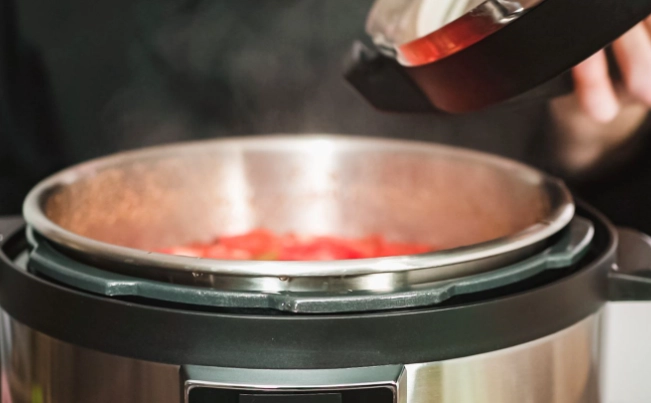
Best Recipes to Try with Your One Pot Slow Cooker
Not all recipes translate well. Stick to dishes that benefit from long, slow cooking and have enough moisture. Here are my top picks, tested in my own kitchen.
Hearty Beef Stew. This is a winner. Use chuck roast, cut into 2-inch cubes. Brown the meat first for extra flavor—a step many skip, but it makes a difference. Add root vegetables like potatoes and carrots, plus beef broth. Cook in the oven at 275°F (135°C) for 6-8 hours. The meat should fall apart easily.
Lentil Soup. Lentils hold up well in pots. Sauté onions and garlic, then add lentils, vegetable broth, and spices. Simmer on the stovetop on low for 4-5 hours. Stir occasionally to prevent sticking.
Pulled Pork. Use a pork shoulder. Rub with spices, place in the pot with a cup of apple cider vinegar or broth. Cover and cook in the oven at 250°F (120°C) for 8-10 hours. Shred with forks—it's tender every time.
I avoid recipes with dairy or delicate greens in slow cooking with a pot; they can curdle or wilt too much. Save those for quick cooks.
For more inspiration, sites like Epicurious offer one-pot recipes that can be adapted for slow cooking, but always adjust cooking times downward since pots may cook faster than dedicated slow cookers.
Common Mistakes and How to Avoid Them
Even experienced cooks slip up. Here are pitfalls I've encountered and how to dodge them.
Mistake 1: Assuming All Pots Are Equal. That lightweight pot from your college days? Not suitable. Use heavy-bottomed pots only. I made this error with a thin aluminum pot—the bottom burned while the top was raw.
Mistake 2: Not Adjusting Liquid. Pots evaporate more liquid. Start with 1.5 times the liquid a slow cooker recipe calls for. Check midway and add more if needed.
Mistake 3: Ignoring Temperature Checks. Without a thermometer, you're guessing. Get one. I use a digital probe thermometer left in the pot (if oven-safe) to monitor continuously.
Mistake 4: Overcrowding the Pot. Fill it no more than two-thirds full. Overfilling leads to uneven cooking and spillovers.
Mistake 5: Using High Heat to Speed Things Up. Patience is key. Cranking up the heat will toughen meats and burn sauces. Stick to low and slow.
My personal take: many guides overlook the importance of pot material. Cast iron is forgiving; stainless steel requires more attention. If you're new to this, start with a Dutch oven—it's the closest to a slow cooker in performance.
Frequently Asked Questions
Wrapping up, using a one pot as a slow cooker is feasible with the right tools and caution. It won't replace a dedicated appliance for convenience, but it's a great hack for saving money and kitchen space. Start with simple recipes, monitor closely, and don't be afraid to adjust based on your pot's behavior. Happy slow cooking!
Reader Comments