Jump Straight to What Matters
Let's cut to the chase. The secret to a good beef stew isn't some magical ingredient—it's getting the fundamentals right. I've cooked stews for years, and my early attempts were mediocre at best. Too tough, too bland, just... off. Then I realized it boils down to three things: meat choice, browning, and patience. Nail those, and you'll have a stew that makes people ask for seconds.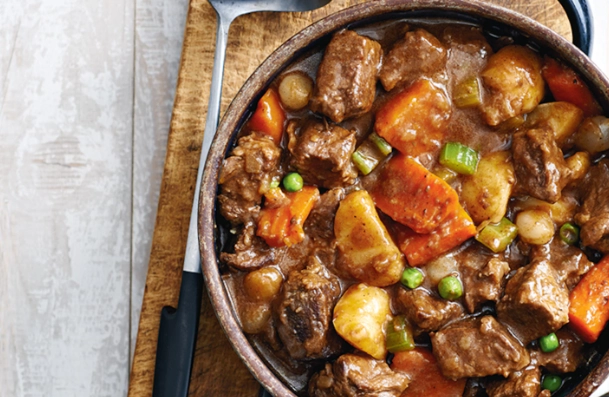
Think about it. A great beef stew should be hearty, with meat that falls apart and a sauce rich enough to sop up with bread. It's comfort food at its finest. But so many recipes overcomplicate it. I'll walk you through the steps that changed my stew game forever.
Picking the Right Beef Cut: Don't Skimp Here
This is where most people go wrong. They grab whatever's labeled "stew meat" at the store. Big mistake. That pre-cut stuff is often a mix of lean cuts that won't tenderize properly. You need a cut with lots of connective tissue—collagen and fat—that breaks down during slow cooking, turning into gelatin that makes the meat tender and the sauce luxurious.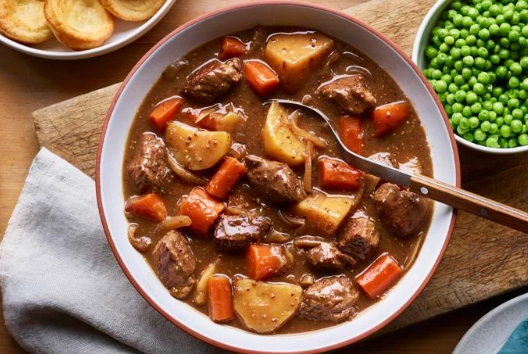
Why Chuck Roast is the Gold Standard
Chuck roast comes from the shoulder, a muscle that works hard, so it's tough when raw but perfect for braising. It's marbled with fat and has enough collagen to melt into the stew. I once tried using sirloin because it was on sale. The result? Chewy, dry chunks that ruined the whole pot. Chuck might cost a bit more, but it's worth every penny.
If chuck isn't available, here are alternatives. But honestly, I'd wait for chuck.
| Beef Cut | Good for Stew? | Why It Works (or Doesn't) |
|---|---|---|
| Chuck Roast | Yes, best choice | High collagen, becomes fork-tender, enriches sauce |
| Brisket | Yes, but longer cook time | Tough cut, great flavor, needs 3+ hours |
| Short Ribs | Yes, luxurious option | Bone-in adds depth, very rich, pricier |
| Round or Rump | Okay, but leaner | Less fat, can dry out if overcooked |
| Sirloin or Tenderloin | No, avoid these | Too lean, turns tough and dry in stews |
A personal tip: buy a whole chuck roast and cut it into 1.5-inch cubes yourself. Store-bought pre-cut pieces are often uneven, leading to some overcooked and some undercooked meat. I learned this after a disappointing dinner party where guests got mixed bites. Now, I take the extra five minutes to cut it, and the consistency is perfect.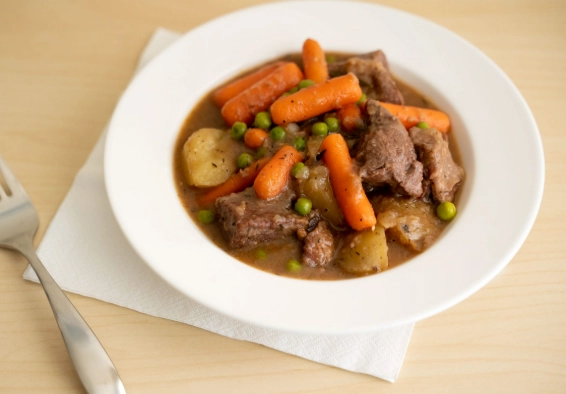
Why Browning Isn't Optional: It's the Flavor Foundation
You might be tempted to skip browning to save time. Don't. This step creates the fond—those browned bits stuck to the bottom of the pot—that's packed with flavor. Without it, your stew will taste flat, like boiled meat and vegetables.
Here's how to do it right. Pat the beef cubes dry with paper towels. Moisture is the enemy of a good sear; it steams the meat instead of browning it. Heat your pot (I prefer a Dutch oven) over medium-high heat until it's hot. Add a bit of oil, then sear the meat in batches. Crowding the pan drops the temperature and causes steaming. I used to dump all the meat in at once, and my stews were pale and sad. Now, I sear in two or three batches, and the difference is incredible.
Let each piece develop a deep brown crust on all sides. It should take about 4-5 minutes per batch. Don't move it around too much—let it sit to form that crust. This isn't just for looks; it triggers the Maillard reaction, which adds complex, savory notes. According to food science resources like those from the Institute of Food Technologists, this reaction is key for depth in braised dishes.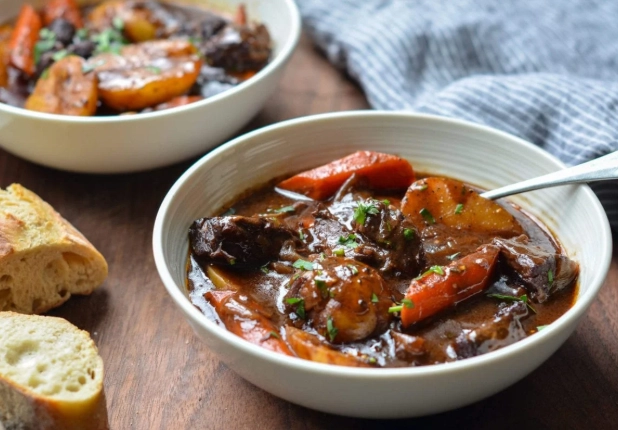
Layering Flavors Like a Pro: Beyond Salt and Pepper
After browning, remove the meat and add your aromatics—onions, carrots, celery. Sauté them until they soften and pick up the fond. This builds another layer of flavor. Then, deglaze the pot. Pour in a liquid to scrape up all those browned bits. Red wine is classic, but if you don't cook with alcohol, use beef broth with a splash of vinegar.
Tomato paste is my secret weapon. Add a tablespoon or two and cook it for a minute until it darkens. This caramelizes the sugars and adds umami. I skipped this once, and the stew tasted one-dimensional.
Now, some recipes call for flour to thicken the stew. I avoid it. The collagen from the meat naturally thickens the sauce as it cooks. If you want it thicker, mash some of the cooked vegetables at the end. Flour can make the sauce pasty if not cooked properly, and I've had stews turn gluey because of it.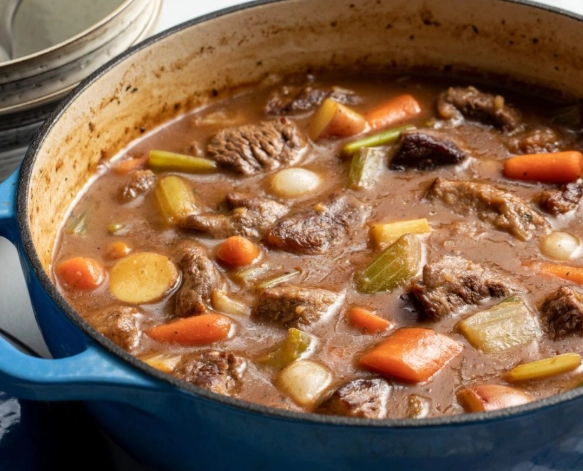
Herbs and spices? Keep it simple. Bay leaves, thyme, maybe a pinch of smoked paprika. Don't overdo it; the meat and vegetables should shine. I made the mistake of adding too many spices once, and it tasted like a spice rack exploded. Less is more.
Mastering the Slow Cook: Patience is Non-Negotiable
This is where the magic happens. Return the meat to the pot, add enough broth to barely cover everything, and bring it to a simmer. Then, reduce the heat to low. You want a gentle bubble, not a rolling boil. Boiling toughens the meat fibers. I learned this from an old chef friend who said, "Treat it like a lazy river, not a waterfall."
Cook time depends on your method. On the stovetop, it takes 2 to 3 hours. In the oven at 300°F (150°C), about the same. In a slow cooker on low, 6-8 hours. An Instant Pot can do it in about an hour under high pressure, but I find the flavor isn't as deep. Oven cooking is my favorite—it heats evenly and requires less babysitting.
How do you know it's done? The meat should be fork-tender, meaning it shreds easily with little resistance. If it's still tough, cook it longer. Collagen takes time to break down. I've had stews need an extra 30 minutes because the chuck was particularly tough. Don't rush it.
Here's a trick: make the stew a day ahead. Refrigerate it overnight. The flavors meld and intensify, and any excess fat solidifies on top for easy removal. The next day, reheat it gently. It always tastes better—like the stew had time to think about itself.
Common Mistakes and Fixes: Learn from My Blunders
I've messed up enough stews to know what not to do. Here are the big ones:
- Using lean beef: It becomes tough and dry. Always choose fatty, collagen-rich cuts like chuck.
- Underseasoning: Season at every stage—salt the meat before browning, season the vegetables, taste the broth. Stews need bold seasoning to stand up to long cooking.
- Adding potatoes too early: If you include potatoes, add them in the last hour of cooking. Otherwise, they turn mushy and fall apart.
- Not skimming fat: During cooking, fat rises to the surface. Skim it off with a spoon, or let the stew chill overnight and remove the solidified layer. Greasy stew is unappetizing.
- Overthickening: If the sauce is too thin, simmer uncovered for the last 30 minutes to reduce it. Avoid adding cornstarch or flour slurry unless absolutely necessary; it can alter the texture.
One more thing: taste as you go. Adjust salt, add a bit of acid (like vinegar or lemon juice) at the end to brighten it up. Stewing isn't a set-and-forget process; it requires attention.
Reader Comments