Let's be honest. The idea of baking a dessert after a long day can feel like a chore. Preheating the oven, watching the clock, worrying about dry edges... it's enough to make you reach for a store-bought cookie. But what if your trusty slow cooker, the one that makes your pulled pork and chili, could also whip up a deeply moist chocolate cake or a bubbling fruit cobbler while you're doing literally anything else?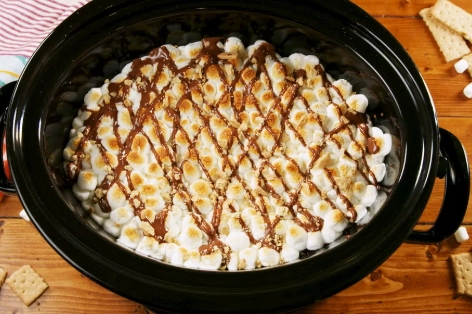
It can. And the results are often better than the oven.
Slow cooker desserts have a cult following for a reason. The gentle, enveloping heat creates an environment where desserts steam and bake simultaneously. This means cakes stay supremely moist for days, custards set without curdling, and fruit breaks down into perfect syrupy fillings. You avoid the dry, overcooked edges that plague even the best oven-baked goods. It's a method that forgives timing errors and fills your home with a warm, comforting aroma for hours.
What's Inside This Guide
The Science Behind the Magic (Why It Works)
An oven works by surrounding food with hot, dry air. A slow cooker works by creating a sealed, humid environment. The heating element warms the stoneware insert, which radiates heat evenly and steadily. The tight-fitting lid traps all the moisture that evaporates from your ingredients.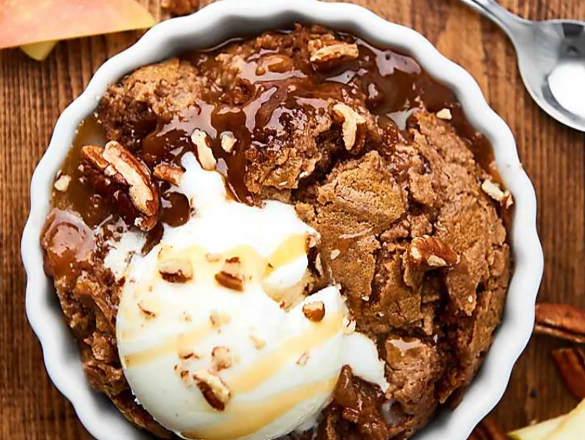
This moisture is the key. Instead of being carried away, it condenses on the lid and drips back down, continuously basting your dessert. It's a self-basting system. This is why lean cakes dry out in the oven but become fudgy and dense in the slow cooker. It's also why you need to be strategic—too much liquid, and you have soup.
5 Must-Know Tips Before You Start
Jumping in without these is asking for a soggy mess. I learned this the hard way with a peach cobbler that resembled peach soup.
1. The Towel Trick is Non-Negotiable. This is the single best tip for cakes and bread puddings. Lay 2-3 layers of paper towels or a clean, thin kitchen towel across the top of the slow cooker before placing the lid on. The towel absorbs condensation, preventing it from raining down and making the top layer soggy. Just ensure the towel doesn't touch the heating element on the lid of some models.
2. Grease Your Insert. Seriously. Use butter, non-stick spray, or line it with parchment paper. That caramel sauce will cement itself to the stoneware otherwise. For cakes, a parchment circle at the bottom makes removal a dream.
3. Size Matters. Your dessert should fill about half to two-thirds of the insert. If it's a small amount in a large cooker, it will cook too fast and burn on the edges. For tiny batches, consider using a heat-proof glass or ceramic bowl placed inside the slow cooker with water around it (a water bath).
4. Don't Peek. Every time you lift the lid, you release a massive amount of heat and steam, adding 15-20 minutes to your cook time. Trust the process. Use the glass lid to check visually if you must.
5. Adjust Liquids Down. As a rule, reduce any added milk, water, or juice in a standard baking recipe by about 25%. The fruit and other ingredients will release plenty of their own moisture.
What Types of Desserts Work Best?
Not every dessert is a candidate. You're not going to make macarons or a crisp meringue in here. Focus on desserts that benefit from moisture and a dense, tender crumb.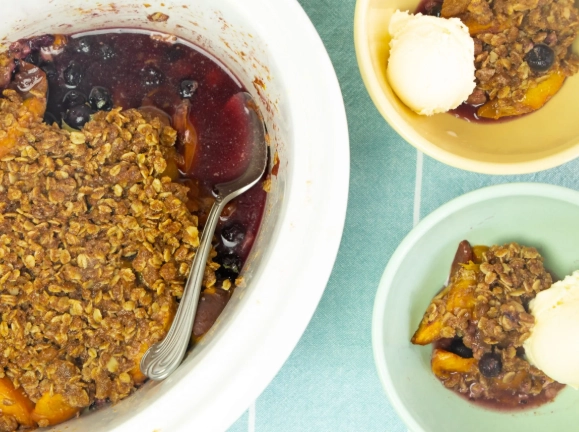
| Dessert Type | Why It Works | Cook Time (Avg. on LOW) |
|---|---|---|
| Dense Cakes & Brownies (Chocolate, Spice, Carrot, Gingerbread) | The moist heat prevents drying, creating a fudgy, ultra-moist texture. The lack of dry heat means no domed top—it comes out flat and even. | 2.5 - 3.5 hours |
| Fruit Cobblers, Crisps & Dump Cakes | The fruit juices bubble and thicken into a perfect syrup. The biscuit or cake topping steams to doneness without burning. | 2 - 3 hours |
| Bread & Rice Puddings, Custards | The low, even heat is ideal for egg-based desserts. It cooks them gently so they set without curdling or scrambling. | 3 - 4 hours |
| Poached & Stewed Fruits (Pears in wine, spiced apples) | The fruit holds its shape while becoming fork-tender and infused with flavor. | 2 - 3 hours |
| Fudge, Nut Clusters, Candy | The "keep warm" function is perfect for melting chocolate and combining ingredients without a double boiler. | 30 min - 1 hour (on LOW) |
A Foolproof Recipe Walkthrough: Slow Cooker Chocolate Lava Cake
Let's make something specific. This isn't just a recipe list; it's a case study in the method. This cake is legendary for its gooey center and rich flavor. It serves 6-8.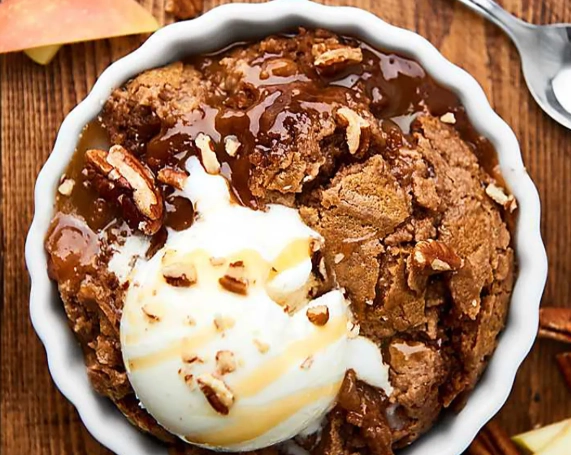
Slow Cooker Chocolate Lava Cake
The Setup: You'll need a 4-6 quart slow cooker. Grease the insert thoroughly with butter or non-stick spray. Have a clean tea towel ready.
Dry Team:
1 ¾ cups all-purpose flour
1 cup granulated sugar
¾ cup cocoa powder (not Dutch-processed for this one)
1 ½ tsp baking powder
1 tsp baking soda
½ tsp salt
Wet Team:
1 cup whole milk (see, we're not reducing this one—it needs it)
½ cup melted butter
2 large eggs
2 tsp vanilla extract
The Lava:
1 ½ cups hot water
¾ cup packed brown sugar
¼ cup cocoa powder
The Action:
1. In a big bowl, whisk all the Dry Team ingredients. Make a well in the center.
2. Pour in the Wet Team ingredients. Stir until just combined—a few lumps are fine. Pour this thick batter into your greased slow cooker and spread it evenly.
3. In a separate jug, whisk the Lava ingredients (hot water, brown sugar, cocoa) until smooth. Carefully pour this over the back of a spoon to distribute it evenly over the batter. DO NOT STIR.
4. Lay the tea towel over the top of the slow cooker, then secure the lid on top of the towel.
5. Cook on HIGH for 2 hours. Do not open the lid. After 2 hours, turn it off. Let it sit, covered, for 30 minutes. This resting time is crucial for the sauce to thicken.
6. Scoop into bowls, getting plenty of the fudgy sauce from the bottom. Serve with vanilla ice cream. The top will be a cakey layer, the bottom a warm pudding sauce.
Why this recipe works in the slow cooker: The wet lava mixture sinks, creating a self-saucing pudding. The towel prevents the cake layer from getting wet. The high heat setting sets the cake quickly while keeping the sauce liquid. It's alchemy.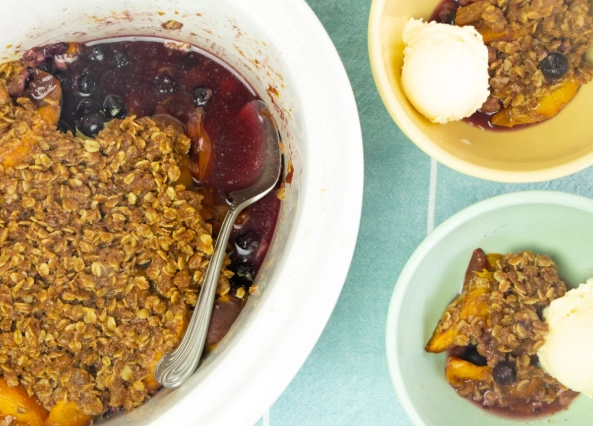
The 3 Most Common Mistakes (And How to Dodge Them)
After years of testing, these are the pitfalls I see everyone hit.
Mistake #1: Using the Lid Straight Up (No Towel). I've said it before, but it's worth repeating. Condensation is public enemy number one for texture. The towel is your shield.
Mistake #2: Treating it Like an Oven Timer. Slow cookers vary by brand and age. A recipe that says "3 hours on LOW" might be done in 2.5 in yours. Start checking at the lower end of the time range with a toothpick or knife. Overcooked slow cooker dessert turns rubbery.
Mistake #3: Assuming All Recipes Convert 1:1. You can't just throw your grandma's oven-baked pudding recipe in the crockpot. You need to find or adapt recipes specifically designed for the method, like the one above, that account for the extra environmental moisture.
Your Slow Cooker Dessert Questions, Answered
The beauty of the slow cooker dessert is its forgiving nature and the incredible texture it delivers. It turns dessert from a last-minute stress into a set-and-forget centerpiece. Start with the chocolate lava cake. Once you taste that fudgy, self-saucing wonder, you'll see your slow cooker in a whole new light—not just as a soup maker, but as your secret weapon for the most comforting desserts imaginable.
Reader Comments