Your Pasta Roadmap
Let's be real for a second. The first time I tried making slow cooker pasta, it was a disaster. I threw everything in, walked away for hours, and came back to what can only be described as a pot of flavorless, overcooked mush. My family wasn't impressed. I almost swore off the whole idea.
But here's the thing—I was stubborn. And after a lot of trial and error (and a few more questionable meals), I finally cracked the code. Turns out, making amazing pasta in a slow cooker isn't magic, but it's not just dumping stuff in either. There are a few simple rules that change everything. This guide is everything I learned the hard way, so you don't have to.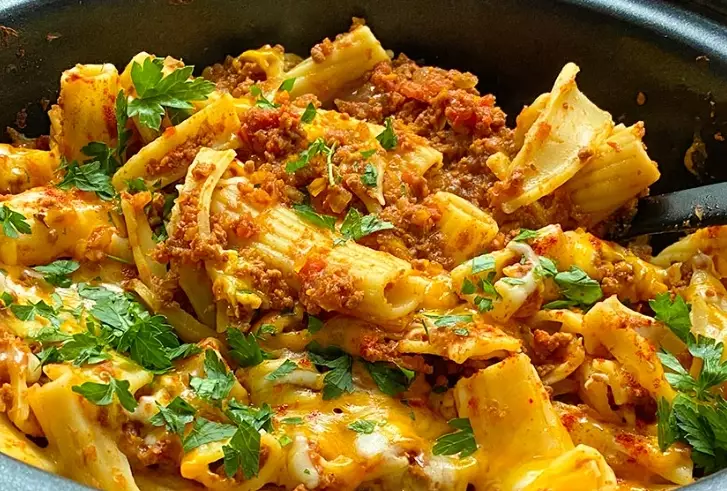
Maybe you're a busy parent. Maybe you just hate standing over a hot stove. Or maybe you're curious if this whole "slow cooker pasta" trend is actually worth it. Whatever brought you here, you're in the right place. We're going to move beyond the basic recipes and talk about the why and how. Why certain pastas work and others turn to glue. How to build layers of flavor when you're not actively cooking. How to avoid the dreaded mushy texture that gives slow cooker pasta a bad name.
I'll share my favorite recipes, sure. But more importantly, I'll share the principles behind them. Once you get those down, you can invent your own.
Why Even Bother With Slow Cooker Pasta?
It's a fair question. Boiling water and cooking pasta on the stove is pretty straightforward. So what's the big deal?
For me, it boils down to three things: flavor, convenience, and consistency. When you cook pasta in a slow cooker, it's not just boiling in water. It's simmering directly in the sauce. Every strand of spaghetti, every tube of penne, is soaking up the flavors of garlic, herbs, tomatoes, and cheese from the inside out. The starch from the pasta releases slowly into the sauce, naturally thickening it into something rich and velvety. You just can't get that from draining pasta water and tossing it with a jar of sauce.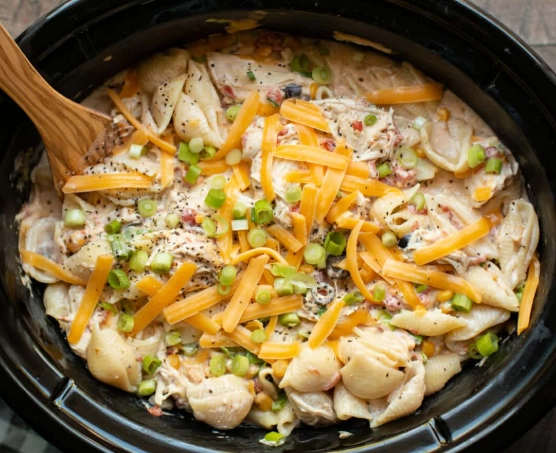
Then there's the convenience. The true "dump-and-go" slow cooker pasta meal is a beautiful thing on a crazy weekday. Prep in the morning, and dinner is literally ready when you walk in the door. No last-minute scrambling. No pots to watch.
But—and this is a big but—that convenience only works if you follow the rules. Which leads us to the most important part of this whole guide.
The Golden Rules of Slow Cooker Pasta (Avoid the Mush!)
This is the core of it. Ignore these, and you'll end up with my first failed experiment. Follow them, and you're golden.
Rule 1: Choose Your Pasta Wisely
Not all pastas are created equal for the slow cooker. You want shapes that can hold up to long, moist cooking without disintegrating.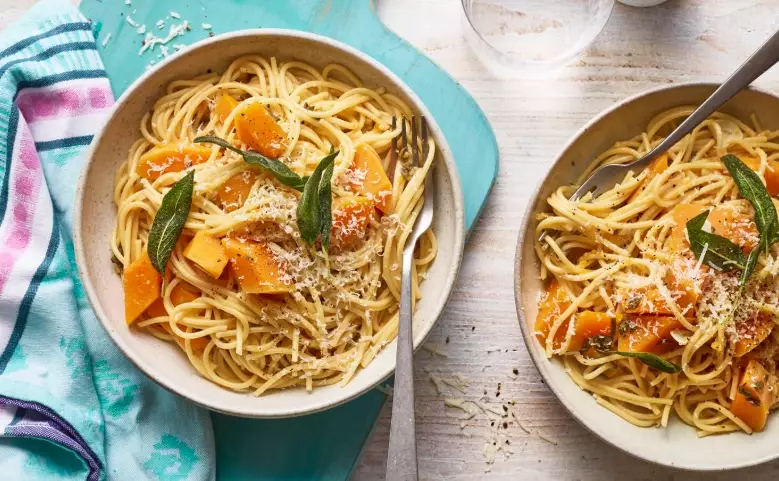
Great Choices (The Champions):
- Penne, Rigatoni, Ziti: Those tubes and large shapes are perfect. They trap sauce inside and have a sturdy structure.
- Fusilli, Rotini: The twists hold sauce beautifully and stand up well.
- Shells (Jumbo or Medium): Especially good for creamy or cheesy fillings.
Proceed with Caution:
- Spaghetti, Linguine, Fettuccine: Long pastas can work, but you need to layer them carefully (more on that later) or break them in half. Otherwise, they clump into a giant, undercooked-on-top, overcooked-on-bottom mess.
Just Don't (Trust Me):
- Angel Hair, Thin Spaghetti, Orzo, Pastina: These will turn to complete mush in minutes. Save them for the stovetop.
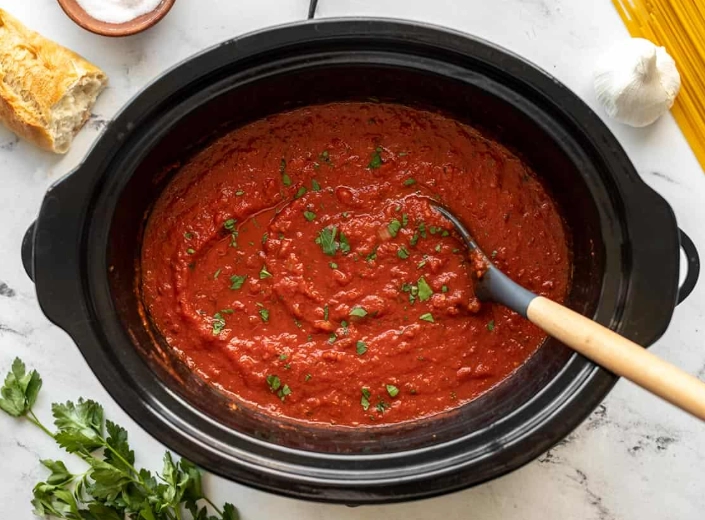
Rule 2: The Liquid Ratio is Everything
This is the #1 mistake people make. On the stove, you use gallons of water. In the slow cooker, you need just enough liquid to cook the pasta and create the sauce. Too much, and you have soup. Too little, and you get crunchy, uncooked pasta with a burned bottom.
For most recipes, a good starting point is to just barely cover the pasta with liquid. That liquid is usually a combination of your sauce (like marinara), a broth (like chicken or vegetable), and sometimes water or wine. The pasta will absorb it as it cooks.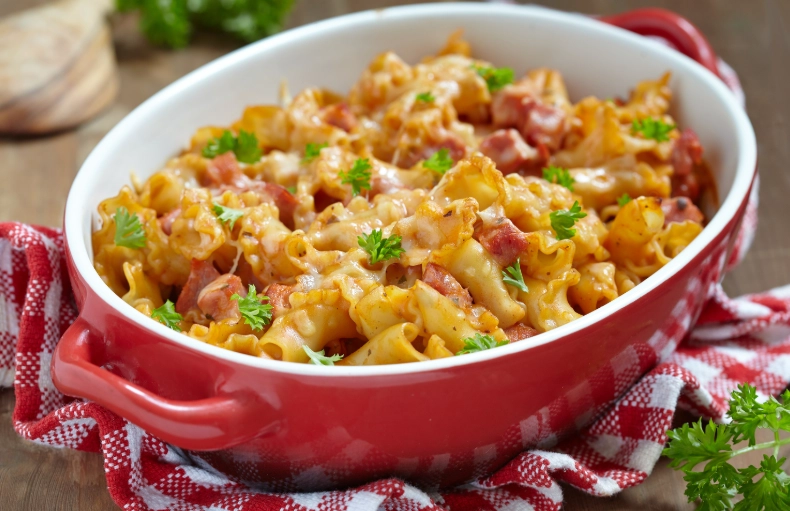
Here's a little table I made for myself that demystifies the liquid needs for different types of slow cooker pasta dishes:
| Dish Type | Liquid Components | Key Ratio Tip | Texture Goal |
|---|---|---|---|
| Creamy Alfredo/Sauce | Broth, Cream (added late), Pasta Water | Use less broth. Pasta starch thickens cream sauces powerfully. | Rich, coating, not runny |
| Classic Tomato Marinara | Marinara Sauce, Water/Broth | Thin a thick jarred sauce with broth/water by ½ cup. | Classic, clingy sauce |
| Hearty Meat Sauce/Ragu | Crushed Tomatoes, Broth, Wine, Meat Juices | More liquid needed (meat & pasta absorb a lot). Start with covering pasta + ½ inch. | Thick, chunky, hearty |
| Cheesy Baked-Style | Broth, Tomato Sauce, Pasta Water | Be conservative. Cheese will tighten everything up at the end. | Dense, cheesy, not soupy |
See? It's not random. A meaty ragu needs more liquid to break down the meat and tomatoes. A creamy sauce needs less because the dairy and starch do the work.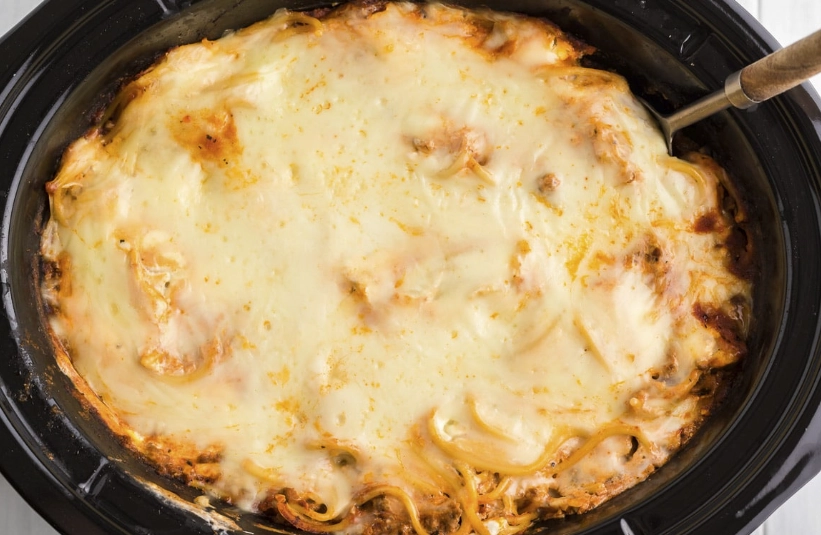
Rule 3: Layer, Don't Just Dump
This was my second big mistake. I just stirred everything together. For some dishes, that's okay. But for the best results, think in layers.
Start with a flavor base at the bottom—sautéed onions, garlic, a splash of olive oil. Then, add your uncooked pasta. Pour your liquids evenly over the top, trying to moisten all the pasta. If you're using ground meat, brown it first (I know, it's an extra step, but the flavor difference is night and day) and layer it on top. The slow, even heat will cook everything through without you needing to stir and risk breaking the pasta early on.
For long noodles? Layer them in a criss-cross pattern. It helps prevent the giant clump.
Rule 4: Dairy Goes Last
This is non-negotiable. If you put milk, cream, sour cream, or soft cheese in at the beginning and cook it for 6-8 hours, it will curdle. It will separate. It will look awful and have a grainy texture.
Always add dairy in the last 30-60 minutes of cooking. Just stir it in, put the lid back on, and let it warm through and melt into the sauce. For a block of cream cheese, cut it into cubes first so it melts evenly.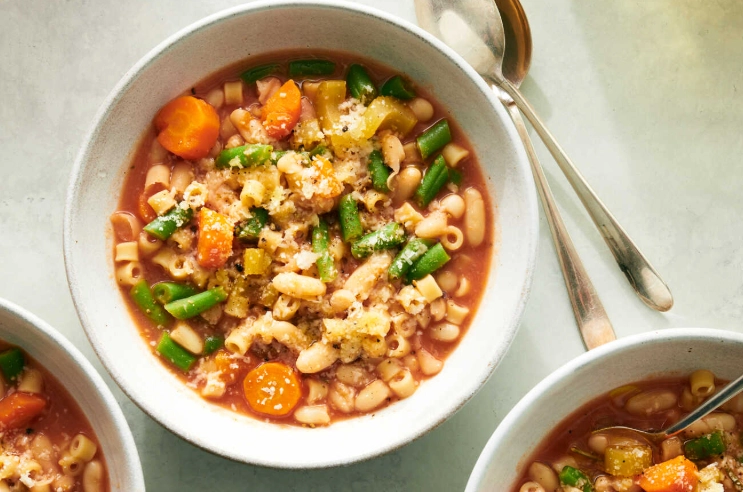
My Tried-and-True Slow Cooker Pasta Recipes
Okay, enough theory. Let's get into the good stuff. Here are two of my absolute favorite recipes. One is a classic, the other is a creamy crowd-pleaser. They're my weeknight heroes.
The No-Brainer Weeknight Spaghetti Sauce (Yes, With Spaghetti!)
This one feels like a cheat code. It's a proper meat sauce that tastes like it simmered for hours, and you can use actual spaghetti.
What you need:
- 1 lb lean ground beef or Italian sausage (browned and drained—do this step, please)
- 1 (28 oz) jar of your favorite marinara sauce (I'm not a snob, use what you like)
- 2 cups water or beef broth
- 3 cloves garlic, minced
- 1 tsp dried oregano
- ½ tsp red pepper flakes (optional)
- 1 lb thin spaghetti, broken in half
- Grated Parmesan for serving
What you do:
- Spray your slow cooker with a little oil. Spread the browned meat on the bottom.
- Break the spaghetti in half. Scatter it over the meat in a few layers, trying to criss-cross it.
- In a bowl, mix the marinara, water/broth, garlic, oregano, and pepper flakes. Pour this evenly over the spaghetti, trying to get all the pieces wet. Gently press down with a spoon to submerge them.
- Cover and cook on LOW for 1.5 to 2 hours. This is key—it's a short cook time because pasta cooks faster than you think. Check at 1.5 hours. The pasta should be al dente, and most liquid absorbed.
- Stir everything together. The sauce will be thick and clingy. Let it sit with the lid off for 5-10 minutes to thicken a bit more.
- Serve with a mountain of Parmesan.
Why this works:
The broken spaghetti, layered and cooked in just the right amount of liquid, comes out perfectly. The meat flavor infuses the whole dish. It's a complete one-pot meal.
The "Can't Believe It's This Easy" Creamy Tuscan Chicken Pasta
This is the dish that gets requested every time we have friends over. It tastes decadent but is embarrassingly simple.
What you need:
- 1.5 lbs boneless, skinless chicken breasts or thighs
- 1 tbsp Italian seasoning
- Salt and pepper
- 1 (24 oz) jar of sun-dried tomato Alfredo sauce (or regular Alfredo)
- 1 ½ cups chicken broth
- 1 lb penne pasta (uncooked)
- 1 cup fresh spinach
- ½ cup grated Parmesan cheese
- 1 cup heavy cream or half-and-half
What you do:
- Season the chicken and place it in the slow cooker.
- Add the uncooked penne pasta around and over the chicken.
- Pour the Alfredo sauce and chicken broth over everything. Stir gently just to coat the pasta.
- Cover and cook on LOW for 3-4 hours, or until chicken is cooked through and pasta is tender.
- Remove the chicken, shred it with two forks, and return it to the pot.
- Stir in the spinach, Parmesan, and heavy cream. Cover and cook on HIGH for another 15-20 minutes, until spinach is wilted and sauce is creamy.
See? The dairy goes in at the end. The chicken cooks in the sauce, making it incredibly tender. The penne holds its shape. It's a restaurant-quality dish with minimal effort.
Answering Your Burning Questions (FAQ)
I get a lot of questions from friends about this. Here are the most common ones, with my straight-shooting answers.
Taking It to the Next Level: Pro Tips & Flavor Boosts
Once you've mastered the basics, these little tricks will make your slow cooker pasta taste like it came from a fancy Italian kitchen.
- Bloom Your Spices: Before adding dried herbs (oregano, basil, thyme) to the pot, rub them between your palms. The warmth releases their essential oils and makes the flavor so much more potent.
- The Umami Hit: Stir in a tablespoon of tomato paste, a dash of soy sauce, or a few chopped anchovies (they'll melt away, I promise) with your base ingredients. It adds a deep, savory background flavor that people can't quite place but will love.
- Finish Like a Chef: Right before serving, stir in a pat of cold butter or a generous glug of good olive oil. It adds a beautiful sheen and rounds out the flavors perfectly.
- Texture is Key: Always have something for crunch or freshness on top. Chopped fresh parsley, basil, toasted breadcrumbs, crushed red pepper, or extra grated cheese. It contrasts the soft, creamy pasta and makes the dish feel complete.
Look, at the end of the day, cooking should make life easier, not more stressful. A good slow cooker pasta recipe does just that. It gives you back your time and delivers a comforting, delicious meal.
Start with one of the recipes I shared. Follow the rules about liquid and pasta shape. Don't put the cream in too early.
Do that, and you'll never look back. Your slow cooker will become your secret weapon for pasta night. And maybe, just maybe, you'll avoid the mushy fate of my first attempt.
Reader Comments