Quick Guide
- Why This Ridiculously Simple Recipe Actually Works
- Breaking Down The 3 Ingredients (This Is Where The Magic Happens)
- How To Actually Make It: The Foolproof Method
- Answers to All Your Burning Questions (FAQ)
- Leveling Up: Simple Variations on the 3-Ingredient Theme
- The Honest Truth: When This Recipe Goes Wrong (And How to Fix It)
Let's be honest. Some days, the thought of cooking a full meal feels like climbing a mountain. You stare into the fridge, willing inspiration to strike, but all you get is a cold breeze and a sense of dread. I've been there more times than I care to admit. That's exactly why this recipe for 3 ingredient crock pot pork chops with rice became a lifeline in my kitchen. It's the culinary equivalent of a trusty old sweatshirt—comforting, reliable, and requiring zero thought.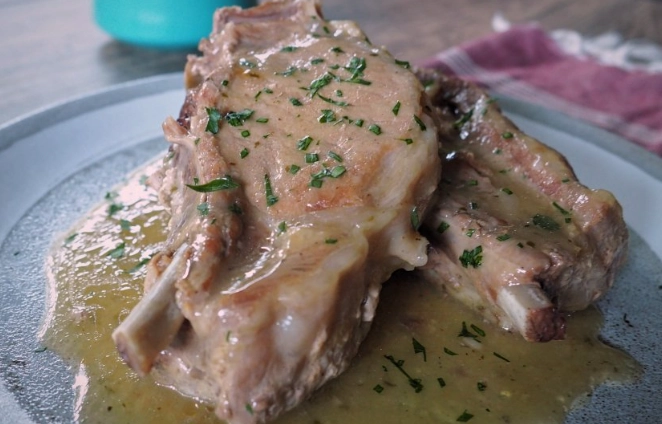
The promise is almost too good to be true: tender pork chops, fluffy rice, and a savory sauce, all from three basic things you probably have right now. No browning, no fancy techniques, just a classic dump-and-go slow cooker miracle. But you know what? It works. It really, really works. I've made this for busy weeknights, for last-minute potlucks (shh, don't tell anyone how easy it was), and even on days when I was just too mentally fried to function. It hasn't let me down yet.
But here's the thing I learned the hard way: not all attempts at 3 ingredient crock pot pork chops and rice are created equal. I've had triumphs where the meat fell apart at the touch of a fork, and I've had… well, let's call them learning experiences where the chops turned into leathery paddles sitting on a bed of mush. The difference wasn't luck. It was a few simple, crucial details that most recipes gloss over.
So, if you're searching for this recipe, you're probably looking for two things: supreme simplicity and a guarantee it won't fail. This guide is here to give you both, plus a whole lot more. We're going deep on why this combo works, how to choose your three ingredients wisely, and how to tweak it in a dozen different ways so you never get bored. Consider this your master class in minimal-effort maximum-flavor cooking.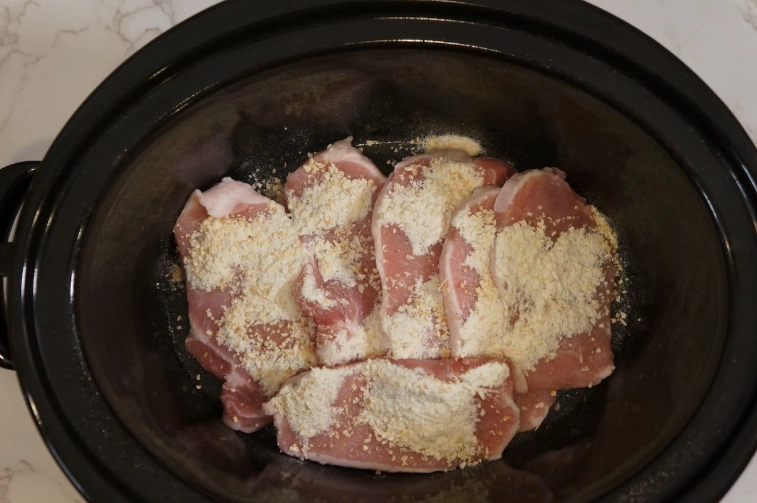
Why This Ridiculously Simple Recipe Actually Works
On paper, it sounds too basic. Pork chops. Soup. Rice. How does that transform into a complete meal? The slow cooker is the unsung hero here. The long, low, and moist heat environment does two critical jobs simultaneously. First, it breaks down the connective tissue in the pork chops, transforming even the less expensive, leaner cuts into something tender. Second, it slowly infuses the rice with all the savory, salty, um-rich flavors from the cream soup and the pork juices as they render out.
It's a self-contained ecosystem. The rice acts like a sponge, soaking up the liquid and fat, which prevents the chops from swimming in grease. The condensed soup (typically cream of mushroom or chicken) provides a built-in sauce base—its thickness and stabilizers help create a creamy gravy as it cooks, without you having to make a roux or slurry. It's a brilliantly efficient system.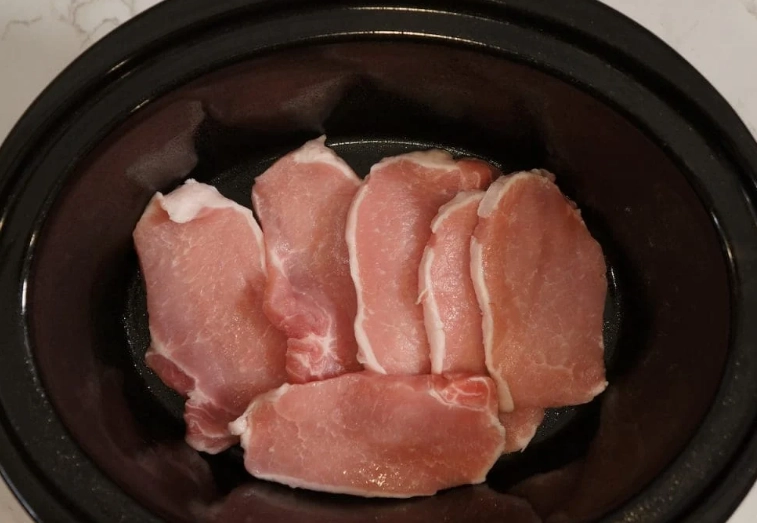
My personal aha moment came when I realized the rice isn't just a side dish in this setup; it's a critical buffer and moisture regulator. It separates the chops from the direct heat of the pot's bottom and manages the liquid levels. Pretty clever for a handful of grains, right?
Breaking Down The 3 Ingredients (This Is Where The Magic Happens)
Calling it "3 ingredient crock pot pork chops with rice" is technically correct, but it's a bit like saying a car needs just wheels, an engine, and fuel. The specific type you choose makes all the difference in the journey. Let's get granular.
The Pork Chops: Your Main Event
This is the most common point of failure. Use the wrong cut or thickness, and you're headed for disappointment. The slow cooker is forgiving, but it's not a magician for all meats.
Bone-in or boneless? For this specific method, I have a strong preference. Bone-in pork chops (like rib chops or center-cut loin chops) have more flavor and are less prone to drying out because the bone helps conduct heat gently and the surrounding meat tends to be better marbled. However, boneless chops (like boneless center-cut loin) work perfectly fine and are easier to serve—just know they might cook a bit faster. Thickness is non-negotiable: aim for at least 3/4-inch to 1-inch thick. Anything thinner will be overdone before the rice is tender.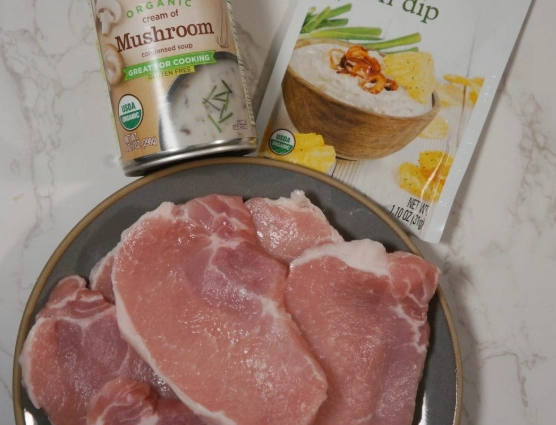
Here’s a quick guide to help you pick at the store:
| Pork Chop Type | Best For This Recipe? | Why? | Watch Out For |
|---|---|---|---|
| Bone-in Rib Chop | Top Choice | Great fat marbling, flavor from the bone, stays juicy. | Can be pricier. Size can vary. |
| Boneless Center-Cut Loin Chop | Excellent Choice | Lean but thick, uniform, easy to eat. | Can dry out if overcooked. Check thickness. |
| Thin-Cut "Breakfast" Chops | Not Recommended | Too thin. Will be tough and dry. | Avoid for slow cooking. |
| Shoulder Chop (Blade Chop) | Good, but Different | Very flavorful, more fat/connective tissue. | Can be tougher, needs full cook time. More bits of bone. |
For authoritative information on pork cuts and their best uses, the National Pork Board is an incredible resource. They break down every cut imaginable.
The Rice: The Foundation
Not all rice is created equal in a slow cooker. You need a type that can withstand hours of cooking without dissolving into paste.
- Long-Grain White Rice: The undisputed champion for 3 ingredient crock pot pork chops with rice. It holds its shape beautifully, stays separate and fluffy, and absorbs flavor like a dream. This is what most classic recipes assume you're using.
- Brown Rice: You can use it, but it's a gamble. Brown rice needs more liquid and a much longer cooking time. If you use it with the standard recipe timing, you'll get crunchy, undercooked rice. If you extend the time to cook the rice, the pork will be overcooked. I don't recommend it for the true 3-ingredient, set-it-and-forget-it approach.
- Jasmine or Basmati: These aromatic rices work well but cook faster than standard long-grain. You might end up with softer rice. Still tasty, just a different texture.
- Wild Rice Blends: Forget it for this recipe. The cooking times are completely incompatible with pork chops.
The liquid ratio is key. For every cup of uncooked long-grain white rice, you need about 1 to 1.25 cups of liquid from your soup and any added broth/water. Since a can of condensed soup plus the moisture from the pork usually provides enough, many recipes don't require extra water. But if your slow cooker runs hot or the lid is loose, a splash of water or broth can save the day.
The Cream Soup: The Flavor Engine
This is your sauce, seasoning, and cooking liquid all in one. Cream of mushroom is the traditional choice—it adds a deep, savory, almost earthy flavor that pairs perfectly with pork. Cream of chicken is a close second, yielding a milder, more poultry-forward gravy. Cream of celery or golden mushroom soup are also fantastic variations.
A common question: Can I use a "healthy" version like low-sodium or fat-free? Yes, but with a caveat. The fat and salt in the regular soup contribute to flavor and texture. If you use low-sodium, you might want to taste and add a pinch of salt at the end. Fat-free soups can sometimes have a thinner, less unctuous result. I've used them in a pinch, and the meal was still good, just not quite as richly satisfying.
What about the "cream of" anything soup controversy? Some folks prefer to make a homemade substitute. That's a great option if you have the time, but it pushes you beyond the 3-ingredient promise. For the pure, lazy genius of this recipe, the canned soup is the point. Don't let anyone make you feel guilty about it. The USDA's Food Safety website confirms that commercially canned soups are perfectly safe and shelf-stable, which is part of their convenience appeal.
How To Actually Make It: The Foolproof Method
Okay, you've got your three stars. Let's get them in the pot. The process is simple, but a couple of small steps make a big difference.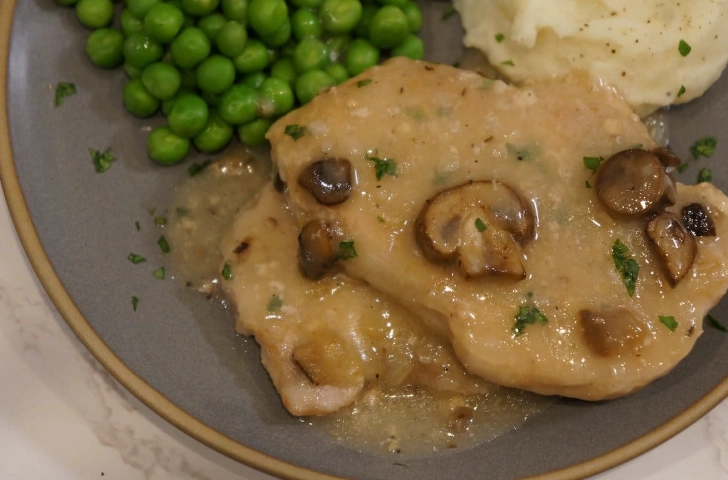
Step 1: The Layering (It Matters)
Don't just dump everything in and stir. Order is important for even cooking.
- Grease the pot: A quick spray of cooking oil on the bottom and sides of your slow cooker insert makes cleanup infinitely easier. Trust me on this.
- Rice goes first: Spread your uncooked long-grain white rice evenly across the bottom. This is its bed.
- Pork chops on top: Lay your chops in a single layer over the rice. If you have to stack, try to stagger them so they're not directly on top of each other. Season them lightly with salt and pepper. (I know, I know, that's a fourth "ingredient," but it's barely worth counting. Do it for flavor's sake.)
- The soup blanket: In a bowl, empty your can of condensed soup. Do NOT dilute it with water or milk as the can usually instructs. You want it thick. Spoon it evenly over the top of the pork chops, trying to cover most of the surface. As it heats, it will melt and seep down through everything.
Step 2: The Waiting Game (Low and Slow Wins)
Pop the lid on. Set your slow cooker to LOW. Not high. Low. This is crucial for tender pork chops. Cook for 6-8 hours.
Why the range? It depends on your specific slow cooker's temperature, the thickness of your chops, and how packed the pot is. At 6 hours, you should have perfectly cooked chops and rice. At 8 hours, the chops will be fall-apart tender, literally shredding with a fork—which is also delicious, just a different texture. I prefer the 7-hour mark for a perfect balance of sliceable yet tender.
Can you cook it on high? You can try for 3-4 hours, but the risk of the rice getting gummy or the edges overcooking is much higher. The low setting is the safety net for this 3 ingredient crock pot pork chops and rice recipe.
Resist the urge to peek! Every time you lift the lid, you release a significant amount of heat and steam, adding 15-20 minutes to your cooking time. Set it and walk away. Go live your life.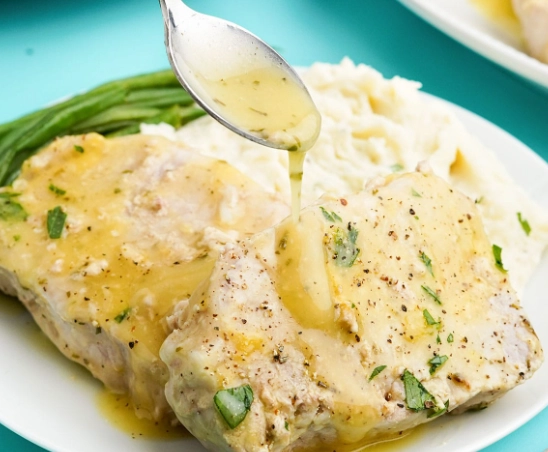
Answers to All Your Burning Questions (FAQ)
I've made this dozens of times, and I've also scoured the internet to see what trips people up. Here are the real questions you might have.
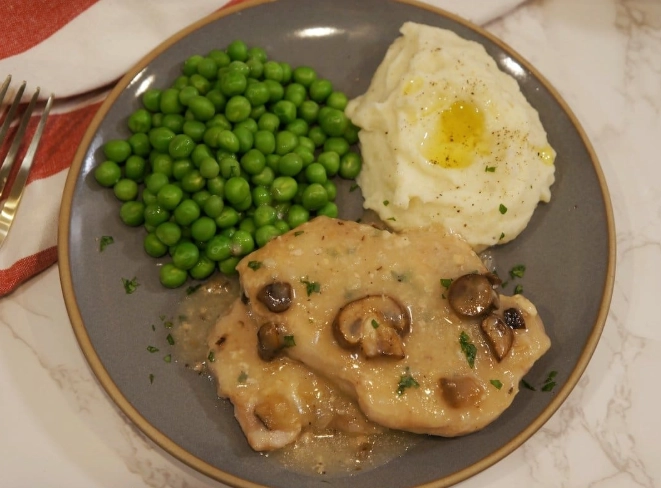
Leveling Up: Simple Variations on the 3-Ingredient Theme
Once you've mastered the basic formula, the world is your oyster. Here are a few of my favorite twists that barely add any effort.
You see? The basic framework of 3 ingredient crock pot pork chops with rice is just a starting point. It's a template for easy, reliable cooking.
The Honest Truth: When This Recipe Goes Wrong (And How to Fix It)
I promised some real talk, so here it is. This isn't a perfect recipe 100% of the time for 100% of people. Slow cookers vary, ingredients vary. Let's troubleshoot the common issues.
Problem: The rice is crunchy/undercooked.
Likely Cause: Not enough liquid, or the lid was left off too often. Some slow cooker lids don't seal perfectly.
The Fix: Pour in 1/4 to 1/2 cup of hot water or broth, stir gently just the rice layer, and cook for another 30-45 minutes on HIGH with the lid on.
Problem: The rice is mushy/gluey.
Likely Cause: Too much liquid, or you used a type of rice that doesn't hold up well (like instant rice).
The Fix: Not much can be done for this batch, but it will still taste good! Next time, don't add any extra liquid beyond the soup, and ensure you're using standard long-grain white rice.
Problem: The pork is tough (not dry, but chewy).
Likely Cause: You may have used a cut like a shoulder chop that has more connective tissue. It needs the FULL 8 hours on low to break down properly.
The Fix: If there's time, let it cook longer. If you're out of time, slice it very thinly against the grain. The sauce will help mask the texture.
Understanding these pitfalls is what separates a good recipe follower from a confident home cook. You're not just following instructions; you're learning how the ingredients interact. That's the real value of a recipe this simple—it teaches you the fundamentals of slow cooking without any noise.
At the end of a long day, opening the door to the smell of this cooking is a special kind of therapy. It smells like you've got your life together, even if the rest of the day says otherwise. And that, maybe, is the best ingredient of all.
Reader Comments