Let's be honest. After a long day, the last thing you want is to spend an hour chopping and stirring over a hot stove. But you also want something nourishing, something that feels like a hug in a bowl. That's where the magic of the best vegetarian slow cooker soups comes in. You toss in a few ingredients in the morning, and by dinner, you're rewarded with a pot of deeply developed, comforting flavor that tastes like it simmered all day—because it did.
I've been relying on my slow cooker for meatless meals for over a decade, and I've learned it's not just about convenience. It's about extracting every bit of sweetness from root vegetables and building layers of flavor that stovetop cooking often rushes. This isn't about bland vegetable broth and mushy veggies. We're talking about rich, satisfying soups that will make you forget they're vegetarian.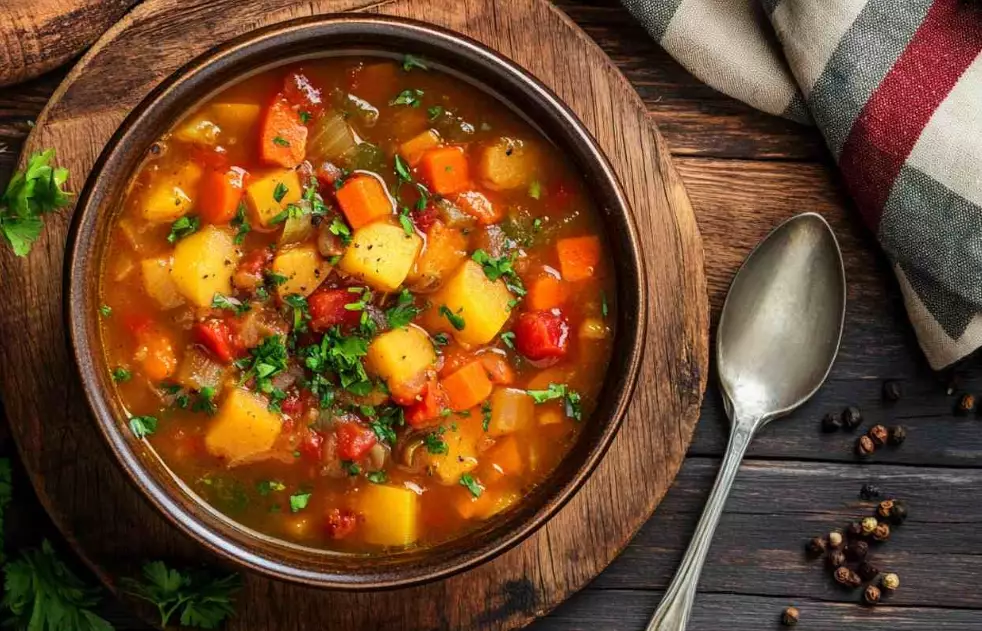
What's Simmering Inside?
Why Vegetarian Soups Shine in the Slow Cooker
Most people think of slow cookers for tough cuts of meat. But for plant-based cooking, it's a game-changer. The low, steady heat does two things brilliantly.
First, it coaxes out the natural sugars in vegetables. Onions and carrots slowly caramelize right in the pot, creating a sweetness that forms the foundation of your soup's flavor. You can't rush that.
Second, it perfectly cooks legumes. Dried beans and lentils have time to soften evenly, absorbing all the surrounding flavors of herbs, spices, and broth. The texture is consistently creamy, never chalky or uneven like you sometimes get on the stove.
The hands-off factor is the real win, though. It turns active cooking time into passive waiting time. I'll often prep everything the night before, store it in the crock insert in the fridge, and just slide it into the base and turn it on in the morning. Dinner essentially makes itself.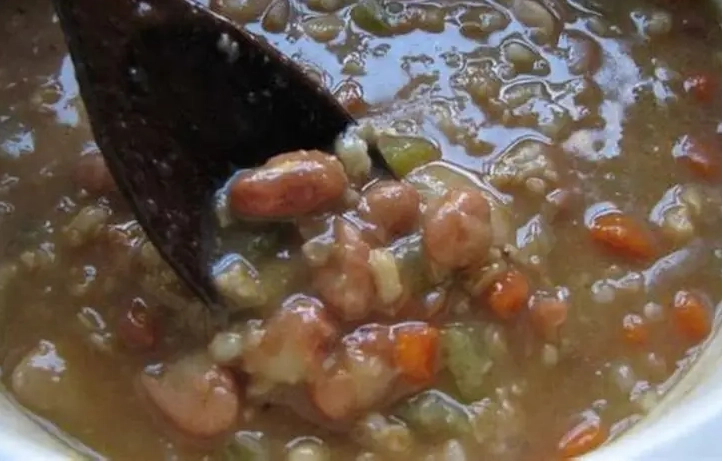
Your Vegetarian Slow Cooker Pantry Staples
With a few core ingredients always on hand, you can whip up a soup on a whim. Here’s what I always have in my kitchen:
- Aromatics: Onions, garlic, ginger, celery, carrots. These are non-negotiable for building flavor.
- Canned Tomatoes: Diced, crushed, or paste. They add body and a touch of acidity.
- Legumes: Canned beans (kidney, black, chickpeas) for speed, and dried lentils (brown, green, red) which cook perfectly from dry in the slow cooker.
- Grains: Pearl barley, brown rice, or quinoa can add heartiness.
- Broth: A good-quality vegetable broth. I sometimes use a low-sodium version to control salt.
- Umami Boosters: This is the secret weapon. Soy sauce, tomato paste, nutritional yeast, dried mushrooms, or a spoonful of miso paste added at the end.
- Fat for Finishing: A good olive oil, coconut milk, or a dollop of tahini or vegan sour cream to swirl in before serving.
Top-Tier Vegetarian Slow Cooker Soup Recipes
These aren't just recipes; they're my weeknight heroes. Each one has been tested and tweaked to avoid the common pitfalls of slow cooker soups (looking at you, bland broth and mushy vegetables).
1. The Ultimate "Dump-and-Go" Hearty Lentil Soup
This is my most-made soup. It requires zero pre-cooking, and the ingredients list is forgiving. Brown or green lentils hold their shape beautifully over long cooking.
Ingredients: 1 cup brown lentils (rinsed), 1 onion (chopped), 3 carrots (diced), 3 celery stalks (diced), 4 cloves garlic (minced), 1 can diced tomatoes, 6 cups vegetable broth, 2 tsp dried thyme, 1 tsp smoked paprika, 2 bay leaves.
Method: Literally, dump everything into the slow cooker. Stir. Cook on LOW for 7-8 hours or HIGH for 4-5. Remove bay leaves. Season with salt, pepper, and a splash of red wine vinegar or lemon juice before serving. The acid at the end is crucial—it wakes up all the flavors.
My tip: Don't add leafy greens like spinach at the start. Stir in a few big handfuls during the last 10 minutes of cooking. They'll wilt perfectly.
2. Creamy White Bean & Kale Soup with Lemon
This feels indulgent but is deceptively simple. The creaminess comes from blending some of the beans, not from actual cream.
Ingredients: 3 cans cannellini beans (drained and rinsed), 1 onion, 4 garlic cloves, 1 large potato (peeled and cubed), 4 cups broth, 1 bunch kale (stems removed, leaves chopped), zest and juice of 1 lemon.
Method: Add everything except the kale and lemon to the pot. Cook on LOW for 6-7 hours. Use an immersion blender to puree about one-third of the soup right in the pot, or ladle a few cups into a blender, blend, and stir back in. This creates a thick, creamy base. Stir in the kale and lemon zest/juice. Cook on HIGH for another 15-20 minutes until kale is tender.
My tip: The potato is your thickener. It breaks down and gives body to the soup. Don't skip it.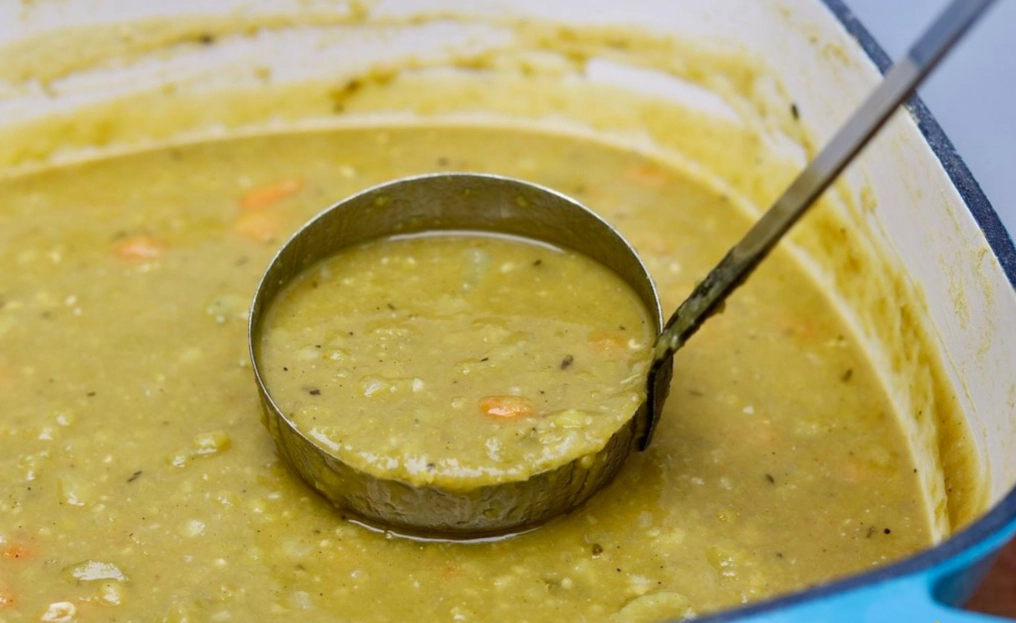
3. Spicy Thai Coconut Curry Noodle Soup
This one breaks the "all-day" mold. It's a faster, high-heat soup that showcases the slow cooker's ability to infuse flavors quickly without burning.
Ingredients: 1 can coconut milk, 4 cups vegetable broth, 2 tbsp red curry paste, 1 tbsp soy sauce, 1 tbsp brown sugar, 1 red bell pepper (sliced), 1 cup sliced mushrooms, 1 block firm tofu (cubed), 2 tbsp lime juice. To serve: Cooked rice noodles, fresh cilantro, basil, lime wedges.
Method: Whisk coconut milk, broth, curry paste, soy sauce, and sugar in the slow cooker. Add bell pepper and mushrooms. Cook on HIGH for 2-3 hours. Add tofu and lime juice, cook for another 30 minutes on HIGH. Serve over cooked rice noodles with the fresh herbs and extra lime.
My tip: Add the tofu later so it doesn't disintegrate. And never add the noodles to the slow cooker—they'll turn to mush. Cook them separately.
Essential Tips for the Best Slow Cooker Soups
These are the lessons I learned the hard way, so you don't have to.
How to Layer Ingredients for Maximum Flavor
Most beginners make this one mistake: they just dump everything in. Order matters. Place your denser root vegetables (carrots, potatoes, squash) at the bottom, where they'll be closer to the heat source. Then add your aromatics (onions, garlic), grains, and legumes. Pour the liquid over last. This ensures everything cooks evenly.
The "Low and Slow" vs. "High and Fast" Rule
For soups with dried beans (except kidney beans, which need pre-boiling) or lots of root veggies, LOW for 7-10 hours is your friend. It's gentler. For soups with mostly tender vegetables, canned beans, or tofu, HIGH for 3-4 hours is perfect. If a recipe says LOW for 8 hours and you're short on time, HIGH for 4 usually works, but the flavor might be slightly less developed.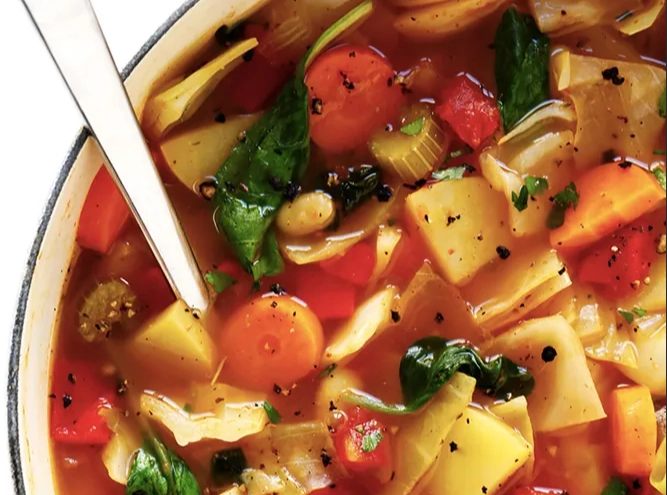
Finishing Touches That Make a Huge Difference
This is what separates a good soup from a great one. Always taste and adjust seasoning at the end. Stir in a finishing fat (olive oil, coconut milk, tahini). Add a bright acid (lemon juice, vinegar). Top with something fresh and crunchy (herbs, green onions, toasted nuts or seeds). These final additions add layers of texture and flavor that the slow cooker can't provide on its own.
Your Soup Questions, Answered
 Trust me on this. Once you get the hang of it, your slow cooker will become your favorite tool for creating the best vegetarian soups. It's about working smarter, not harder, to get food that's genuinely satisfying. Start with the lentil soup this week. You won't regret it.
Reader Comments