Let's be honest. Most pulled pork recipes promise the world—"fall-apart tender," "juicy," "packed with flavor"—and deliver a dry, stringy, or bland imitation. I've judged enough backyard cook-offs and tasted enough disappointing sandwiches to know the difference. This isn't that recipe. This is the one I developed after years of trial, error, and a few embarrassing failures. It's the method that finally earned me a blue ribbon at a local competition, not by using fancy equipment, but by understanding the three non-negotiable pillars of great pulled pork: the right cut, patient cooking, and a sauce that complements, not smothers.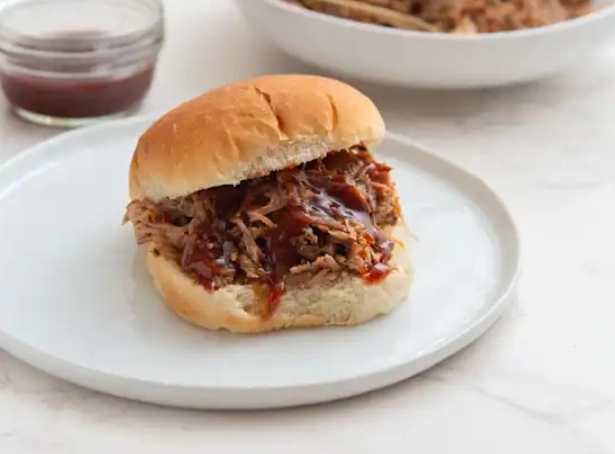
What's Inside This Pulled Pork Masterclass
Why This Recipe Actually Wins Awards (The Secret Isn't Just Smoke)
Everyone thinks the magic is in the wood chips or a secret rub ingredient. Those help, but the real secret is structure. Competition judges are looking for specific things: a pronounced smoke ring (if smoked), a perfect bark (the flavorful crust), tenderness that requires almost no pulling effort, and moisture that doesn't rely on a pool of sauce. This recipe is engineered for that.
The biggest mistake home cooks make? Rushing the rest. You pull the pork out of the cooker, you're hungry, you start shredding it immediately. All those beautiful juices still in the meat? They rush out onto your cutting board, leaving the meat drier. The single best thing you can do is let it rest, wrapped in foil and towels, for at least an hour, ideally two. This lets the juices redistribute. It's the difference between good and award-winning.
Gathering Your Arsenal: Ingredients & Equipment
You don't need a $2000 smoker. A good oven or a basic slow cooker will get you 90% of the way there. Let's start with the star.
The Core Ingredients (The Short List)
| Ingredient | Why It's Here | Pro Tip / Substitute |
|---|---|---|
| Pork Shoulder (Boston Butt) 6-8 lbs | The foundation. Fat and connective tissue break down into tenderness. | Ask your butcher for one with a nice, even fat cap. |
| Kosher Salt & Coarse Black Pepper | The base of your rub. Enhances natural flavor without hiding it. | Diamond Crystal kosher salt is less salty by volume than Morton's. Adjust accordingly. |
| Brown Sugar (light or dark) | Balances saltiness, aids in bark formation through caramelization. | For a deeper flavor, use dark brown sugar or add a teaspoon of molasses to light. |
| Paprika (Sweet or Smoked) | Adds color and a sweet, earthy base. Smoked paprika gives a faux-smoke hint if using an oven/slow cooker. | Don't use hot paprika unless you want significant heat. |
| Garlic Powder & Onion Powder | Provide savory, allium depth that doesn't burn like fresh garlic. | Mustard powder is a great addition here for complexity. |
| Apple Cider Vinegar & Apple Juice | The braising liquid. Adds moisture and a tangy sweetness that cuts fat. | 50/50 mix. You can use beer (a lager or amber ale) instead of juice. |
Two Foolproof Paths to Perfection: Slow Cooker vs. Smoker
Here’s where we split paths based on your tools. Both methods work. The smoker gives you that authentic BBQ flavor and bark, but the slow cooker is the ultimate "set it and forget it" method for unbelievably tender meat.
How to Make Award-Winning Slow Cooker Pulled Pork
This is your weeknight hero. The lack of direct heat means it's almost impossible to dry out.
Step 1: The Rub. Pat your pork shoulder completely dry with paper towels. This is crucial for the rub to stick. Mix 2 tbsp kosher salt, 2 tbsp black pepper, 2 tbsp brown sugar, 2 tbsp paprika, 1 tbsp each garlic and onion powder. Massage it into every nook and cranny. You can do this right before cooking, but for deeper flavor, wrap it and leave it in the fridge overnight.
Step 2: The Sear (Optional but Recommended). Heat a tablespoon of oil in a large skillet over high heat. Sear the pork on all sides until you have a nice brown crust, about 3-4 minutes per side. This builds flavor you can't get from the slow cooker alone. Place the seared roast in your slow cooker.
Step 3: The Braise. Pour in a cup of liquid—half apple cider vinegar, half apple juice—around the pork, not over it (to keep the rub intact). Cover and cook on LOW for 8-10 hours. Do not cook on HIGH. Low and slow is the rule. It's done when a fork twists easily and the bone (if present) pulls out clean.
Step 4: The Rest. This is non-negotiable. Transfer the pork to a large bowl, cover tightly with foil, then wrap the whole bowl in a couple of clean kitchen towels. Let it sit for 1-2 hours. Trust me.
How to Make Competition-Style Smoker Pulled Pork
This is for flavor purists. You'll need a smoker (or a charcoal grill set up for indirect heat) and some wood chunks (hickory, apple, or cherry are perfect). Target cooking temperature: 225-250°F (107-121°C).
Apply the rub as above. Get your smoker to a steady 250°F. Place the pork fat-side up on the grate. Insert a meat probe if you have one. Add your wood chunks for smoke. Now, the mantra: If you're lookin', you ain't cookin'. Keep the lid closed. Smoke until the internal temperature hits about 165°F (74°C), which might take 5-6 hours. This is when the meat's surface will look dry and dark—this is the "stall."
To power through the stall, wrap the pork tightly in butcher paper or foil (this is called the Texas Crutch). Place it back in the smoker (or even in a 250°F oven now, as it won't take on more smoke) until it reaches an internal temperature of 203-205°F (95-96°C). This is the sweet spot where collagen fully renders into gelatin. Then, rest as instructed above.
The Competition-Style Sauce That Makes It Sing
Most bottled sauces are too sweet or too sharp. A balanced sauce should have tang, sweetness, heat, and savoriness. Here's a simple one you can whip up while the pork rests.
Combine in a saucepan: 2 cups ketchup, 1/2 cup apple cider vinegar, 1/3 cup brown sugar, 2 tbsp molasses, 1 tbsp Worcestershire sauce, 1 tsp garlic powder, 1 tsp onion powder, 1/2 tsp smoked paprika, 1/4 tsp cayenne pepper (optional). Simmer for 15-20 minutes until slightly thickened. Let it cool. The key is to add sauce to the pulled pork sparingly—just enough to coat and moisten, not drown it. Serve extra on the side.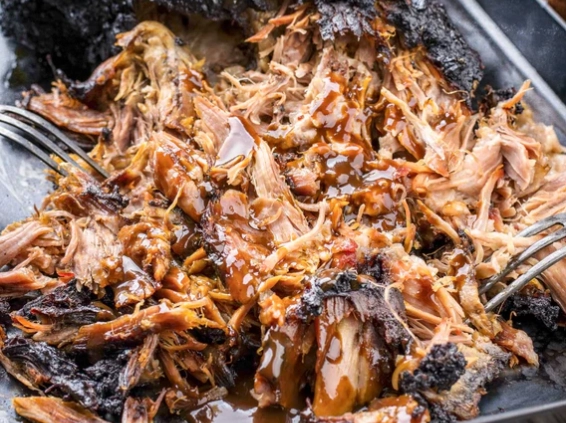
How to Pull, Sauce, and Serve Like a Pro
After the rest, the pork will still be warm. Place it in a large pan. Use two forks or, better yet, wear food-safe gloves and use your hands. Discard any large chunks of fat (most will have melted away). Shred it into bite-sized pieces.
Now, add about 1/2 to 3/4 cup of your sauce and toss gently. Taste. Need more tang? Add a splash of the reserved braising liquid from the slow cooker or a bit more vinegar. Need more richness? A tablespoon of butter melted into the pork works wonders.
Serving Ideas Beyond the Bun:
- **Sandwiches:** On a toasted brioche bun with creamy coleslaw.
- **Tacos:** On corn tortillas with pickled red onions and cilantro.
- **Loaded Fries/Nachos:** The ultimate game-day food.
- **Breakfast Hash:** With potatoes and a fried egg on top.
It stores beautifully. Refrigerate for up to 4 days or freeze for 3 months. Reheat gently with a splash of liquid in a covered pan over low heat or in the microwave at reduced power.
Your Pulled Pork Questions, Answered
Can I make pulled pork ahead of time for a party?
It's actually better that way. Cook, rest, shred, and refrigerate the unsauced pork up to two days ahead. The flavors meld and improve. Reheat it gently in a 300°F oven with a bit of liquid (broth, apple juice) covered in foil until warm, then sauce it. This frees you up to enjoy your own party.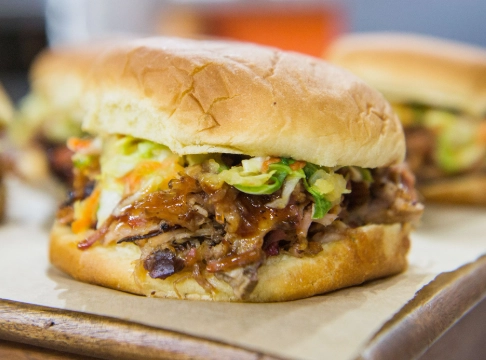
My pulled pork turned out dry. What did I do wrong?
Three likely culprits: 1) You cooked it too hot and too fast (always use LOW on a slow cooker, 225-250°F on a smoker). 2) You didn't cook it long enough. It's done by temperature (203-205°F), not time. A 6-pound roast can take 10 hours. 3) You skipped the rest. That hour-plus rest is not a suggestion; it's mandatory for juicy meat.
What's the best wood for smoking pulled pork?
Fruitwoods like apple and cherry give a mild, sweet smoke perfect for pork. Hickory is the classic, stronger choice. I often use a mix—hickory for base flavor and apple for sweetness. Avoid mesquite for long cooks like this; it can become bitter. The USDA Forest Service's research on hardwoods for smoking is a great resource for understanding flavor profiles.
Is it safe to leave a slow cooker on for 10 hours while I'm at work?
Modern slow cookers are designed for this, but safety first. Ensure it's on a heat-resistant surface away from walls and curtains. Fill it at least halfway for proper heating. The USDA states that food held above 140°F (60°C) is safe. A slow cooker on LOW should maintain a simmer around 200°F (93°C), well within the safe zone. If you're nervous, use a programmable model that switches to "warm" after cooking.
Do I really need to add liquid to the slow cooker? Won't the pork make its own?
Yes, you need a little. While the pork releases a lot of fat and juice, starting with a cup of acidic liquid (like the vinegar/apple juice mix) does two things: it creates a humid environment from the start, preventing any chance of the edges drying out before enough juice renders, and the acidity helps subtly break down the meat. Without it, I've found the very bottom layer can sometimes get a slightly tough, overcooked texture.
Reader Comments