Quick Guide
You pull it out of the oven. It smells like heaven—cinnamon, baked apples, brown sugar. But then you scoop into it, and instead of that satisfying crunch, your spoon sinks into a soft, almost soggy layer on top. The filling might be great, but the topping? A disappointment. Sound familiar? If you've ever muttered "why didn't my apple crisp get crispy?" to an empty kitchen, you're in the right place.
I've been there. More times than I'd like to admit. I once made one for a dinner party, so sure of myself, only to serve a pan of sweet, spiced mush. Not my finest hour. The quest for the perfect crisp topping isn't just about following a recipe; it's about understanding a few key principles that recipes often gloss over.
Let's dig into the soggy truth. We'll look at the science, the common pitfalls (I've hit most of them), and the foolproof fixes that will transform your crisps and crumbles from sad to spectacular.
The Top Culprits: Why Your Topping Stays Soft
Figuring out why your apple crisp didn't get crispy starts with diagnosing the problem. It's rarely just one thing. Usually, it's a combination of two or three missteps. Let's break down the usual suspects, from the most obvious to the sneakier ones.
Too Much Moisture From the Apples
This is public enemy number one. Apples are mostly water. When they bake, they release a ton of juice. If that juice floods the topping before it has a chance to set and crisp up, you're doomed to sogginess. The type of apple matters hugely here. A Granny Smith and a McIntosh behave completely differently in the oven.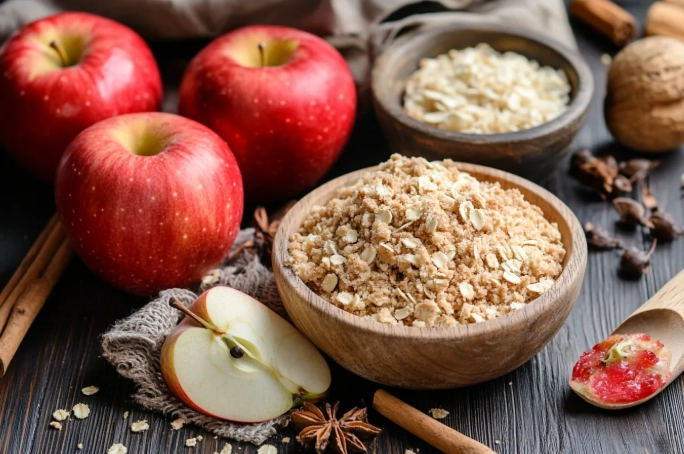
I learned this the hard way with a batch of Red Delicious apples (a terrible choice for baking, by the way). The result was a soupy mess. The USDA even has guides on apple varieties and their best uses, which highlights how much the fruit itself matters.
The Fat is Wrong (Or Handled Wrong)
Your fat—usually butter—isn't just for flavor. It's what creates little pockets in the flour that, when heated, steam and create flakiness and crunch. If your butter is too warm when you mix it in, it coats the flour instead of staying in discrete little pieces. This makes the topping dense and more likely to absorb moisture, leading to a sad, limp crust.
Cold butter is non-negotiable. I'm talking straight-from-the-fridge, cut-into-small-cubes cold. Some bakers even freeze their butter for 15 minutes first. And using your fingertips or a pastry cutter is best. A food processor can work, but pulse for a second too long and you've got a paste. Not good.
The Sugar Balance is Off
Sugar does more than sweeten. In the topping, it caramelizes as it bakes, contributing to that beautiful golden-brown color and a brittle, glass-like crunch. If you skimp on sugar in the topping, or worse, use only white sugar, you're missing out on this crucial chemical reaction. Brown sugar, with its molasses, promotes caramelization and also adds a deeper flavor that pairs perfectly with apples.
But here's a twist—too much sugar in the *filling* can also be a problem. Excess sugar draws even more moisture out of the apples, creating more syrup to attack your precious topping from below.
Undercooking or Wrong Oven Temperature
This seems simple, but it's critical. A crisp needs time for the moisture in the topping to evaporate and for the sugars and fats to do their crisping work. If you pull it out when the filling is just bubbling, the topping might look done but still be soft in the middle. It needs those extra 5-10 minutes for the top to truly firm up and become crunchy.
Oven temperature is key too. Too low (like 325°F), and the apples will stew in their juices for too long before the topping sets. Too high (over 400°F), and the top might brown too quickly while the apples underneath are still hard, leaving you with a burnt topping and uncooked fruit—a different kind of disaster.
So, if you're wondering "why didn't my apple crisp get crispy," your oven's accuracy might be part of the answer. An oven thermometer is a baker's best friend, honestly.
Your Action Plan: How to Make Apple Crisp Crispy, Every Single Time
Okay, enough with the problems. Let's talk solutions. These aren't just random tips; they're a systematic approach to building a crisp that can withstand the juicy apple onslaught.
1. Choose Your Apples Like a Pro
Not all apples are created equal for baking. You want firm, tart apples that hold their shape and don't turn to complete mush. They still soften, but they release their moisture more slowly and predictably.
Here’s a quick guide to the best (and worst) apples for your crisp:
| Apple Variety | Best For Crisp? | Why? | Flavor Profile |
|---|---|---|---|
| Granny Smith | Top Choice | Very firm, tart, holds shape, less watery. | Bright, tangy, less sweet. |
| Braeburn | Excellent | Firm, sweet-tart balance, great texture. | Spicy, sweet, complex. |
| Jonagold | Great | Firm flesh, nice tartness. | Sweet with honey notes. |
| Honeycrisp | Good (but pricier) | Crisp, juicy, sweet. Can be very juicy, so mix with a tarter apple. | Explosively sweet, floral. |
| Golden Delicious | Okay | Softens a lot, can get mushy. Better for sauces. | Mild, sweet, vanilla-like. |
| Red Delicious | Avoid | Mealy texture, not flavorful when cooked. | Bland, sweet. |
| McIntosh | Avoid for crisp | Breaks down completely into applesauce. Too watery. | Tart, tender. |
My personal favorite is a 50/50 mix of Granny Smith and Braeburn. You get the structure from the Granny Smith and the complex sweetness from the Braeburn. It’s a game-changer.
2. Master the Topping Ratio and Technique
The magic ratio for a crisp, crunchy topping that holds together but isn't cakey is roughly:
1 part fat : 1 part sugar : 1.5 parts flour (by weight is most accurate, but by volume works if you're consistent).
So for a standard 9x13 pan, that might look like:
- 1 cup (2 sticks / 225g) COLD unsalted butter, cubed
- 1 cup (200g) sugar (I use ¾ cup brown, ¼ cup white)
- 1.5 cups (190g) all-purpose flour
- Pinch of salt
- 1 cup (100g) old-fashioned rolled oats (for extra crunch and texture)
- Optional: ½ cup chopped nuts (pecans or walnuts add fantastic crunch)
The Technique: Whisk the dry stuff (flour, sugars, salt, oats) together. Drop in the cold butter cubes. Now, use your fingertips, a pastry blender, or two forks to work the butter in. You're not making a uniform dough. You want a crumbly mixture with butter pieces ranging from pea-sized to small gravel-sized. Some flat shards are good! This variety gives you a range of textures from fine crunch to bigger, craggy bits.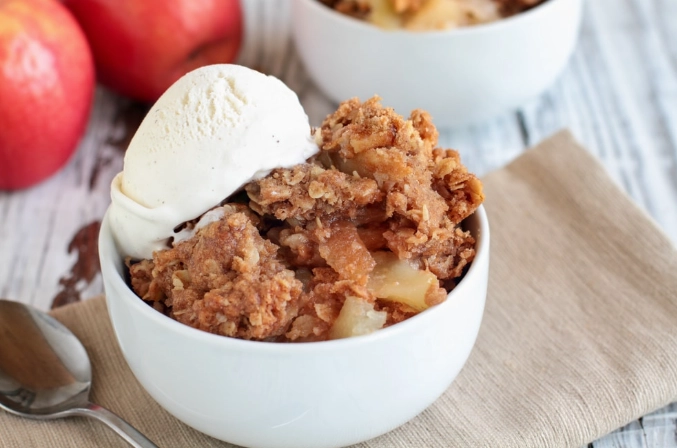
3. Pre-Cook the Filling (The Secret Weapon)
This is the single biggest trick to prevent a soggy bottom and ensure your apple crisp topping gets crispy. Instead of dumping raw apples into the dish, give them a head start on the stove.
Here's how: Melt a tablespoon of butter in a large skillet over medium heat. Add your sliced apples, spices (cinnamon, nutmeg), a tablespoon or two of sugar (just to help them start releasing juice), and a big pinch of salt. Sauté for 8-10 minutes, just until the apples start to soften around the edges but are still firm in the center. They'll release a lot of their juice into the pan. Let this mixture cool slightly before transferring it to your baking dish. You've just removed a significant amount of the free liquid that would have steamed your topping.
I was skeptical at first—more dishes to wash?—but the difference is night and day. The topping stays crunchy for days (if it lasts that long).
4. Bake Hot and Finish Strong
Preheat your oven properly—I find 375°F (190°C) to be the sweet spot. It's hot enough to get the topping cooking quickly but not so hot that it burns before the apples are tender.
Bake on the middle rack. Don't cover it with foil, ever. You need the dry heat of the oven to work its magic on the topping.
How do you know it's done? The filling should be bubbling vigorously around the edges, and the topping should be a deep, golden brown. If the topping is browning too fast before the apples are done, you can tent it loosely with foil for the last 10 minutes, but this is rare if your temperature is right.
Let it rest.
This is crucial. When it comes out of the oven, the crisp is still cooking from residual heat, and the topping is finishing its crisping process as it cools. Let it sit for at least 30 minutes before you even think about serving. This allows the filling to thicken and set and the topping to achieve its final, glorious crunch. Serving it piping hot is a recipe for sogginess.
Frequently Asked Questions (Because You Probably Have More)
Let's tackle some of the other questions that pop up when you're troubleshooting a crisp that didn't crisp.
Can I use frozen apples?
You can, but it's tricky. Frozen apples release an enormous amount of water when they thaw and cook. If you must use them, do not thaw first. Toss them frozen with a bit of extra thickener (like an extra tablespoon of flour or tapioca starch mixed with the sugar) and expect a longer baking time. Honestly, for the best result, fresh is the way to go.
My crisp was crispy when warm but got soggy overnight. Why?
This is the moisture migration problem. Even after baking, the apples and the topping will try to reach moisture equilibrium. The topping acts like a sponge, slowly absorbing moisture from the filling. The best defense is to store leftovers uncovered at room temperature until completely cool, then cover loosely. Reheat individual portions in a toaster oven or regular oven (not the microwave!) to re-crisp the topping.
Is a crisp the same as a crumble? Does it matter?
In many places, the terms are used interchangeably. Purists might say a crisp contains oats and a crumble does not. The real difference is in the texture you're aiming for: "crisp" implies a crunchy, brittle topping, while "crumble" can be a bit more... crumbly and cakey. The principles for avoiding sogginess apply to both.
Can I make it gluten-free or vegan and still get it crispy?
Absolutely. For gluten-free, use a 1:1 GF flour blend (like Bob's Red Mill) and certified GF oats. The technique is the same. For vegan, use a high-fat, cold vegan butter (sticks work better than tubs) or refined coconut oil. The fat being solid and cold is the key part, not its dairy origin.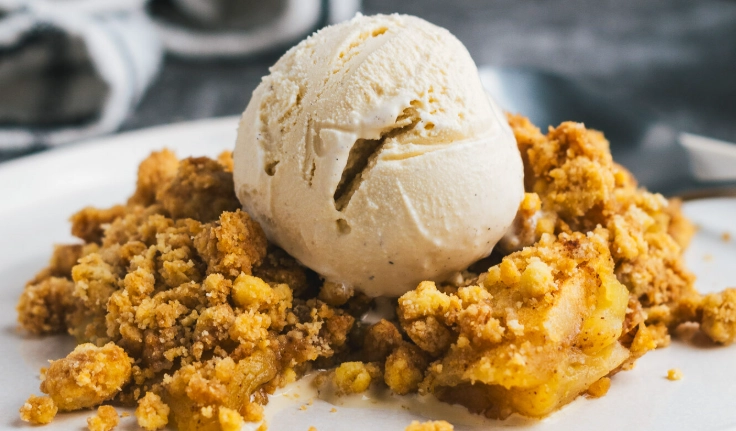
A Quick Checklist Before You Bake Again
So, next time you're ready to bake, run through this list. It's the distilled wisdom of many, many pans of crisp (both failed and glorious).
- Apples: Picked firm and tart? Considered a mix?
- Butter: Is it cold, straight from the fridge? Cubed small?
- Mixing: Using fingertips/pastry cutter? Topping looks like coarse crumbs with visible butter bits?
- Filling: Did you consider a quick pre-cook in a skillet to reduce juice?
- Dish: Using a ceramic or glass dish? (Metal conducts heat faster and can cause uneven browning.)
- Oven: Fully preheated? Have a thermometer to check?
- Baking: Planning to bake until deeply golden, not just bubbly?
- Patience: Ready to let it cool for a solid 30+ minutes before serving?
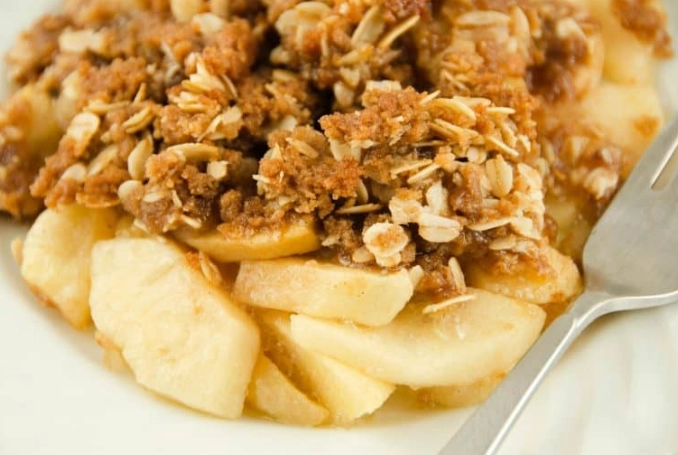
If you can check most of those boxes, you are on your way to a crisp that actually lives up to its name. No more wondering "why didn't my apple crisp get crispy?" You'll know the reasons, and more importantly, you'll know how to fix them.
Baking is part recipe, part science experiment, and part personal touch. Don't be afraid to tweak things to your taste. Maybe you like more oats, or a higher ratio of brown sugar for a deeper molasses flavor. Once you understand the *why* behind the steps, you gain the freedom to make it your own—and guarantee that perfect, satisfying crunch every single time.
Now go preheat that oven. You've got a crisp to redeem.
Reader Comments