Let's be honest. The idea of throwing pasta and sauce into a slow cooker and coming back to a perfect meal sounds too good to be true. For many, it is. The internet is littered with tales of disappointment—gluey, bloated, or disintegrated noodles that turn a promising dinner into a starchy soup. I know because I've been there. My first attempt at crockpot pasta resulted in something closer to cement than comfort food.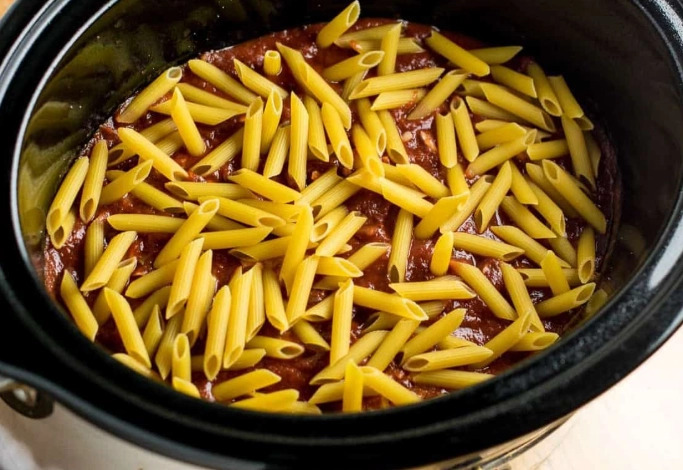
But after a decade of testing, burning, and finally perfecting the method, I can tell you it's absolutely possible. The key isn't just how long to cook pasta in a slow cooker with sauce, but understanding the how and why behind the timing. This isn't just about throwing dry pasta in and hoping for the best. It's a controlled, reliable method for the busiest nights, yielding pasta that's tender, saucy, and holds its shape.
Your Quick Pasta Roadmap
Why Slow Cooker Pasta Works (When Done Right)
Traditional stovetop pasta cooks in an abundance of rapidly boiling water. The slow cooker flips that script. Here, the pasta simmers gently in a limited amount of flavorful liquid—usually the sauce itself. This slow, steady hydration allows the starch to release gradually, which naturally thickens the sauce while the pasta cooks. It's a one-pot wonder that builds flavor depth you can't get from boiling in plain water.
The biggest mistake? Treating the slow cooker like a boiling pot. You can't just set it and forget it for 8 hours. Precision timing is non-negotiable.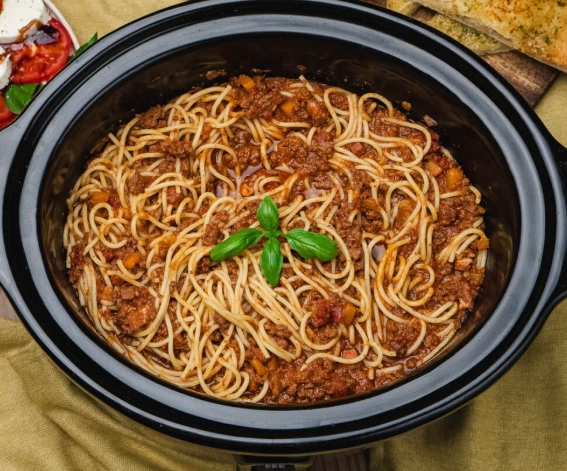
The Ultimate Slow Cooker Pasta Cooking Time Guide
"How long" depends entirely on the pasta shape, your slow cooker's heat intensity (they all vary), and whether you're using fresh or dried pasta. This table is your cheat sheet, based on cooking dried pasta on LOW heat. Cooking on HIGH will cut the time roughly in half, but I find LOW gives you more control and prevents the edges from overcooking.
| Pasta Type/Shape | Approx. Time on LOW | Key Consideration |
|---|---|---|
| Small Shapes (Elbow Macaroni, Ditalini, Small Shells) | 1.5 - 2 hours | Cook fastest. Check early to avoid mush. |
| Medium Shapes (Penne, Rigatoni, Rotini, Farfalle) | 2 - 2.5 hours | The sweet spot for most recipes. Holds shape well. |
| Long Strands (Spaghetti, Linguine, Fettuccine) | Not Recommended* | Breaks easily, doesn't fit well. Use other methods. |
| Stuffed Pasta (Jumbo Shells, Manicotti) | 2.5 - 3 hours | Needs extra time to cook through the filling. |
| No-Boil Lasagna Noodles | 3 - 4 hours (in a layered bake) | Designed to hydrate in sauce. Perfect for slow cooker lasagna. |
*A hack for long pasta: Break it in half and stand the pieces up vertically in the sauce. It's finicky, but can work in a pinch.
Pro Secrets to Avoid a Mushy Disaster
Here’s where most blogs stop. They give you a time and wish you luck. But after ruining more batches than I care to admit, I learned these critical, rarely-mentioned details.
1. The Liquid Ratio is Everything
This is the most common point of failure. Too much liquid, and you get soup. Too little, and the top layer of pasta stays crunchy. The golden rule: For every 8 oz (about 225g) of dry pasta, you need roughly 3 to 3.5 cups of total liquid. This liquid includes your sauce, any water or broth you add, and moisture from veggies like tomatoes.
Don't just dump a jar of sauce over pasta. Most jarred pasta sauces are too thick. You must dilute them. I use a ratio of 1 part water or broth to 2 parts sauce. For a 24 oz jar of marinara, I'll add about 1 cup of broth. The pasta absorbs this liquid as it cooks, concentrating the flavor back.
2. Layer, Don't Stir (At First)
Resist the urge to stir everything together at the beginning. Here's my fail-proof method:
- Spread a thin layer of sauce/water mix on the bottom of the pot.
- Add all the dry, uncooked pasta.
- Pour the remaining sauce and liquid evenly over the top, trying to coat all the pasta.
- DO NOT STIR. Let the pasta on the bottom start to soften first. Stirring too early distributes starch unevenly and can cause clumping.
- Give it one gentle stir about halfway through the cooking time to submerge any top pieces.
3. The "No-Go" Pasta Shapes
Some pastas are just not suited for the slow cooker. Avoid super-thin pastas like angel hair or orzo—they turn to mush instantly. Also, be wary of egg noodles; they fall apart easily. Stick with sturdy, medium-sized shapes with ridges or holes (like penne or rigatoni) that can grab onto the sauce.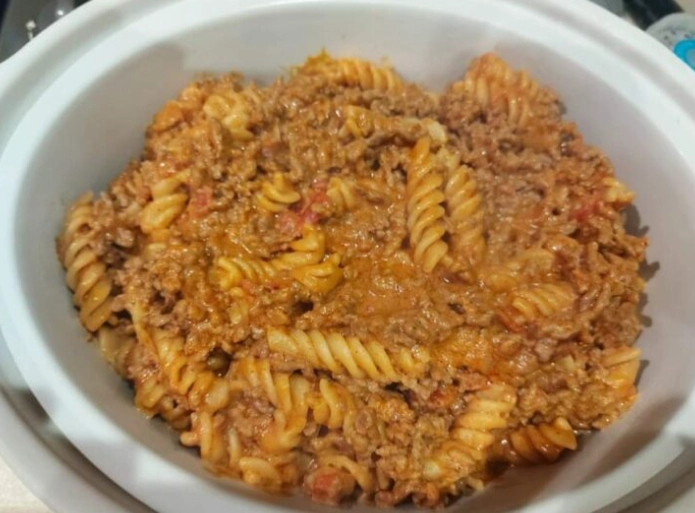
4. Add Dairy Last
If your recipe calls for cream, ricotta, or a lot of cheese, add it in the last 20-30 minutes of cooking. Dairy can curdle or separate if simmered for hours. Stir it in once the pasta is nearly done, then let it warm through.
Two Foolproof "Dump and Go" Recipes to Start With
Ready to test your skills? Here are two classic recipes designed for the slow cooker's rhythm.
1. Classic Slow Cooker Meat Sauce & Penne
This is your foundational recipe. It's forgiving and packed with flavor.
Ingredients:
- 1 lb lean ground beef or Italian sausage
- 1 (24 oz) jar of your favorite marinara sauce
- 1 cup beef or vegetable broth
- 8 oz (about half a standard box) dry penne pasta
- 1 small onion, diced (optional)
- 2 cloves garlic, minced (optional)
- 1 tsp dried Italian seasoning
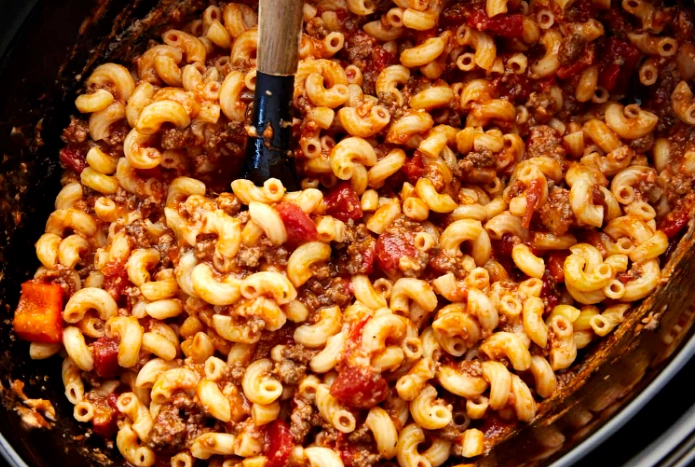
Method: Brown the meat with onion and garlic if using (this step adds depth, but you can skip it and add raw meat for a true dump-and-go). Drain fat. In the slow cooker, mix the marinara and broth. Add the dry penne and stir to coat. Gently stir in the cooked meat. Cook on LOW for 2 to 2.5 hours, stirring once halfway. Check at 1.5 hours. Finish with grated Parmesan.
2. Creamy Slow Cooker Mac & Cheese
A crowd-pleaser that solves the grainy cheese sauce problem.
Ingredients:
- 8 oz dry elbow macaroni
- 2 cups chicken broth
- 1 (12 oz) can evaporated milk (not sweetened condensed!)
- 2 cups shredded sharp cheddar cheese
- 1/2 cup grated Parmesan cheese
- 1/4 cup butter, cubed
- 1/2 tsp dry mustard powder
The Trick: Combine the dry macaroni, broth, evaporated milk, butter, and mustard powder in the slow cooker. DO NOT add the shredded cheese yet. Stir. Cook on LOW for 1.5 to 2 hours, until pasta is tender and most liquid is absorbed. Then, turn the slow cooker off. Stir in the shredded cheddar and Parmesan until melted and creamy. The residual heat is enough to melt the cheese without making it oily or grainy. Let it sit for 10 minutes to thicken.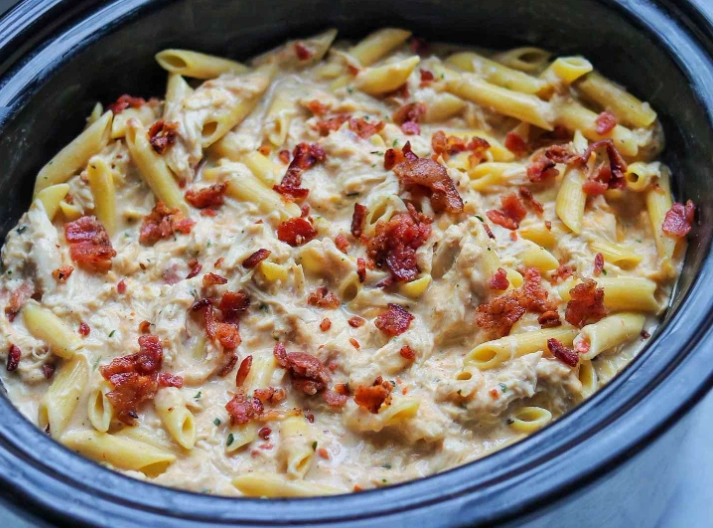
Your Top Slow Cooker Pasta Questions Answered
Reader Comments