In This Guide
Let's be honest – we've all been there. You see a gorgeous piece of meat at the butcher counter, get excited about making a cozy Sunday dinner, throw it in the oven for hours, and then... disappointment. It's tough, it's dry, it's just not what you dreamed of. I ruined a perfectly good (and expensive) sirloin tip roast that way years ago. Learned that lesson the hard way.
The secret isn't just time and low heat. It's picking the right cut of meat for the job. And for slow cooking in the oven, that means forgetting about the lean, expensive steaks and embracing the tougher, fattier, more flavorful parts of the animal. These are the cuts that transform with patience.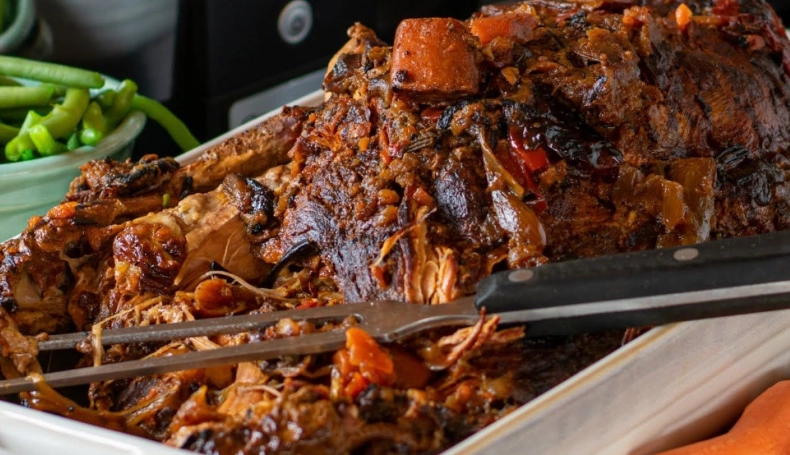
Here's the simple rule: The best cuts of meat for slow cooking in the oven are the ones with lots of connective tissue, collagen, and marbling. The long, moist heat breaks down that tough tissue into gelatin, resulting in meat that's incredibly tender and bathed in its own rich, flavorful sauce. It's culinary alchemy.
Why These Cuts Work: The Science of Low and Slow
Before we dive into the list, it helps to know why we're choosing these specific meats. Muscle fibers tighten when heated quickly (like grilling). Connective tissue, made of collagen, is like biological glue holding muscles together – it's tough. But apply gentle, moist heat over many hours, and that collagen melts into succulent gelatin. Marbling (intramuscular fat) also slowly renders, basting the meat from the inside.
Think of it this way: you're not just cooking the meat; you're fundamentally changing its structure. A chuck roast goes in tough and comes out spoon-tender. That's the magic we're after.
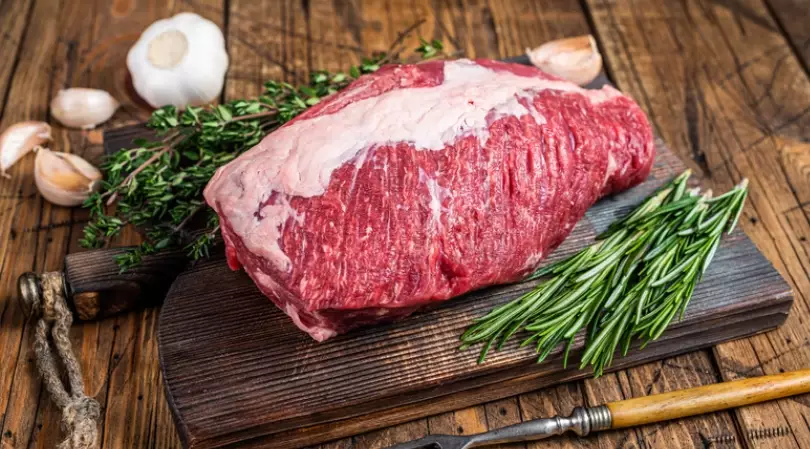
The Ultimate Breakdown: Best Cuts by Animal
I've organized this by the type of meat because, let's face it, you're probably craving a specific flavor. Beef for a classic pot roast, pork for pulled sandwiches, lamb for something special. Each has its own champions for the slow oven method.
Beef: The King of Comfort Food
BEEFFor a rich, deeply savory result, beef is unbeatable. The best cuts of beef for slow cooking in the oven are from the hard-working parts of the cow – the shoulder, chest, and rear end. These muscles get a lot of exercise, building flavor and connective tissue.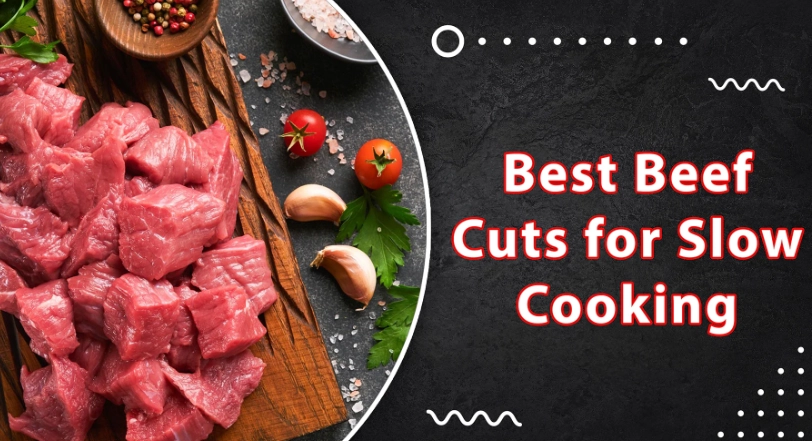
| Cut of Beef | Why It's Great for Slow Cooking | Approx. Cook Time (at 275°F/135°C) | Best For |
|---|---|---|---|
| Chuck Roast/Shoulder | My personal #1 pick. Fantastic marbling and collagen. Falls apart beautifully. Forgiving and consistent. | 3.5 - 4.5 hours | Classic pot roast, beef stew, shredding for sandwiches. |
| Brisket (whole packer or flat) | The holy grail for many. Intense beef flavor, but can dry out if not treated right (needs careful monitoring). | 5 - 7+ hours | Texas-style brisket, Jewish-style braised brisket. |
| Short Ribs (bone-in) | Unbelievably rich and luxurious. The bone adds immense flavor. Fat cap keeps it moist. | 2.5 - 3.5 hours | Braised short ribs, fancy dinner party centerpiece. |
| Oxtail | Intense, gelatinous, and incredibly flavorful. Mostly bone and connective tissue, which melts into the sauce. | 3 - 4 hours | Rich stews, broths, and osso buco-style dishes. |
| Bottom Round/Rump Roast | Leaner than chuck, so it's better for slicing than shredding. Can be a bit dry if overcooked. | 3 - 4 hours | Roast beef for slicing, Italian beef sandwiches. |
If you're new to this, start with a chuck roast. It's affordable, available everywhere, and nearly impossible to mess up. Brisket is a project – a delicious one, but it demands attention. Short ribs? Worth every penny for a special occasion.
Chuck Roast Deep Dive: This cut comes from the cow's shoulder and neck. It's got those perfect stripes of fat running through it, which is what you want. When you're looking for the best cuts of meat for slow cooking in oven, chuck should be at the top of your mental list. It's the workhorse. You can find great information on beef cuts from the Beef. It's What's For Dinner site, which is run by the Beef Checkoff program.
Pork: Sweet, Savory, and Shreddable
PORKPork and slow cooking are a match made in heaven. The fat renders beautifully, and the meat takes on flavors like apples, cider, and spices wonderfully.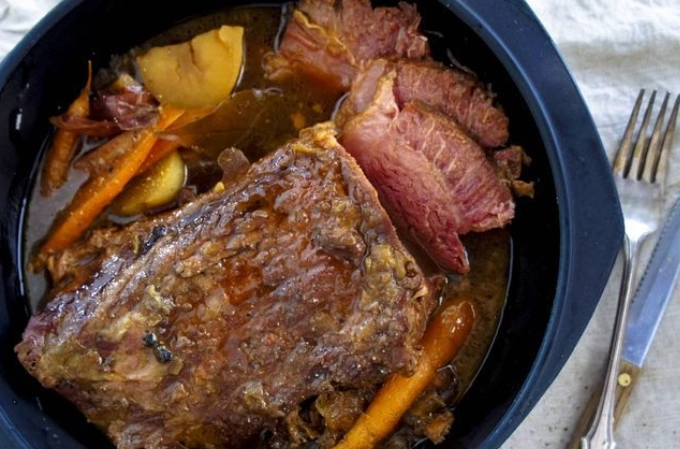
Pork Shoulder (aka Boston Butt or Picnic Roast): This is, hands down, the best cut of pork for slow cooking in the oven. Don't let the name "butt" confuse you – it's from the upper shoulder. It has a great fat cap and internal marbling. After 5-6 hours in a low oven, you can pull it apart with two forks. It's the only choice for authentic pulled pork. I make one almost every month for meal prep – it's that good and versatile.
Pork Belly: If you want ultra-rich, melt-in-your-mouth pork, this is it. It's mostly fat and meat in beautiful layers. Slow-roasted pork belly develops an incredible crispy top (if you finish it under a broiler) and a tender, unctuous interior. It's not for the faint of heart, but it's a showstopper.
Pork Loin Roast: A note of caution here. Pork loin is much leaner. While you *can* slow cook it, you have to be very careful not to overcook it, or it becomes dry and chalky. I'd only use it for slow cooking if it's bone-in and you're braising it in plenty of liquid. Even then, it's riskier than shoulder.
Pro Tip: When buying pork shoulder, look for one with the bone-in if possible. The bone acts as a heat conductor and adds flavor to both the meat and the cooking liquid. The skin-on version is great if you want to make crackling, though you'll need to adjust your technique.
Lamb: For a Rich, Gamey Twist
LAMBLamb has a distinct, wonderful flavor that shines with slow cooking. The fat is flavorful, and the meat becomes exceptionally tender.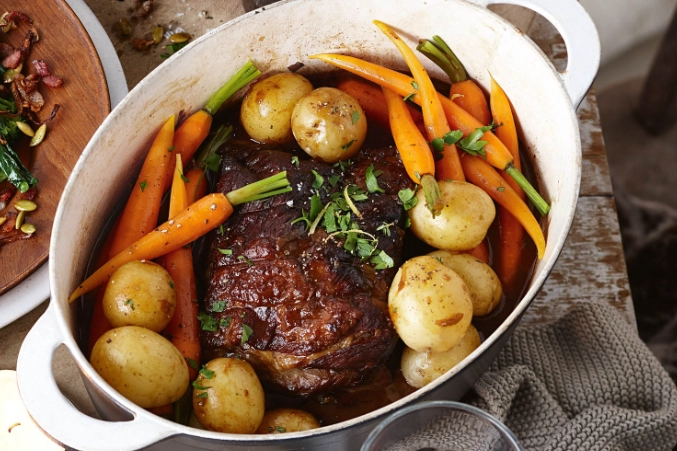
Lamb Shoulder (bone-in or boneless): This is the lamb equivalent of pork shoulder or beef chuck. It's marbled, has connective tissue, and becomes fall-apart tender. It's perfect for slow-roasting with garlic, rosemary, and red wine. The flavor is robust and satisfying.
Lamb Shanks: These are individual servings from the lower leg. They're all about the connective tissue around a central bone. Braised lamb shanks are a restaurant classic for a reason – they look impressive and taste even better. The marrow from the bone enriches the sauce incredibly.
Lamb Neck: An underrated and often cheaper cut. It's bony and fatty, which means it's packed with flavor. It's best cut into chunks and used in stews or curries, where it will cook down and thicken the sauce with its gelatin.
Poultry: Don't Overlook the Bird
POULTRYYes, even chicken and turkey have their best cuts for slow cooking. The key is using dark meat, which has more fat and connective tissue than white meat.
Chicken Thighs (bone-in, skin-on): The ultimate chicken cut for the oven. The skin gets crispy, the fat renders, and the meat stays juicy. They cook much faster than red meat (1-1.5 hours), but the principle is the same. You can braise them in a sauce, or slow-roast them on a bed of vegetables.
Whole Chicken: Spatchcocking (removing the backbone and flattening) a whole chicken and roasting it low and slow (around 300°F) yields the most tender, juicy bird you've ever had. The white meat doesn't dry out because the heat is so gentle.
Duck Legs (confit style): While traditional confit is cooked in fat, you can mimic it in a low oven. The legs are incredibly fatty and become supremely tender. The skin, when finished under high heat, is crackly perfection.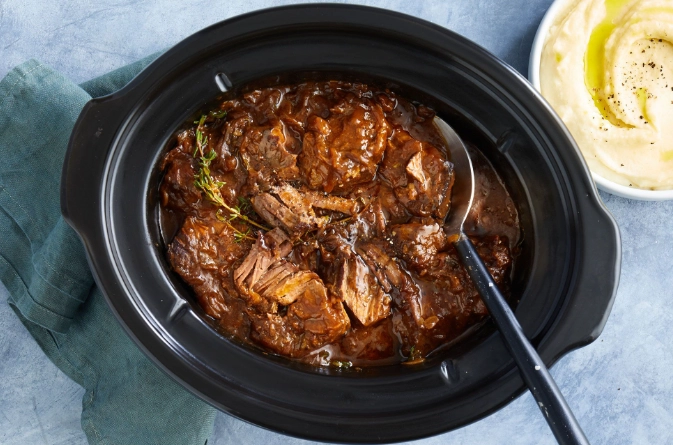
Warning: Do not try to slow cook chicken breasts for hours. They lack the fat and collagen to benefit from the process and will turn into dry, stringy hockey pucks. Save breasts for quick sautés or grilling.
How to Actually Cook These Cuts: A Simple Method
Knowing the best cuts is half the battle. Here's a foolproof, basic method that works for almost any of the tough cuts mentioned above.
- Season Generously, and Early: Salt your meat at least an hour before cooking, ideally overnight in the fridge (dry brine). This seasons it deeply and helps it retain moisture.
- Sear for Flavor (Optional but Recommended): Heat a heavy skillet (cast iron is perfect) with a little oil until smoking hot. Pat the meat dry and sear it on all sides until a deep brown crust forms. This Maillard reaction adds a huge layer of flavor you can't get from boiling alone.
- Build a Flavor Base: In your Dutch oven or heavy roasting pan, sauté onions, carrots, celery, and garlic in the leftover meat drippings.
- Add Liquid and Aromatics: Place the seared meat on the vegetables. Add your liquid – enough to come 1/3 to 1/2 way up the meat, not submerge it. Use broth, wine, beer, or even just water with extra seasoning. Throw in herbs (thyme, rosemary, bay leaves) and perhaps a splash of soy sauce or tomato paste for umami.
- Low and Slow, Covered: Cover the pot tightly with a lid or heavy-duty foil. Place in a preheated oven at 275°F to 325°F (135°C to 165°C). The lower end is better for larger, tougher cuts. And then... walk away. Don't peek every hour. Trust the process.
- Test for Doneness: The meat is done when a fork twists easily and the meat starts to separate into strands. For shredding, it should offer no resistance. For brisket or round roast meant for slicing, a probe thermometer should read 195°F to 205°F (90°C to 96°C) for optimal tenderness.
- Rest and Serve: Let the meat rest in its juices for at least 20-30 minutes before shredding or slicing. Skim excess fat from the cooking liquid and reduce it on the stovetop for an incredible sauce.
That's it. That basic template will give you fantastic results with any of the best cuts of meat for slow cooking in oven that we've talked about.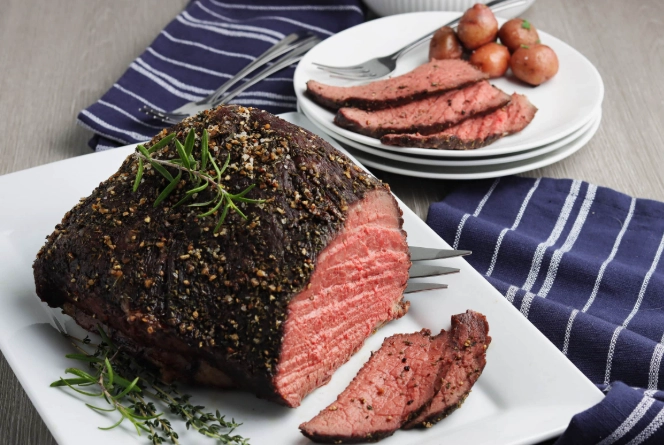
Final Thoughts: Embrace the Tough Stuff
The journey to finding the best cuts of meat for slow cooking in oven is really about changing your perspective at the grocery store. Look for the cuts with visible marbling, a bit of fat cap, and maybe even some silvery connective tissue. Those are the gems. They're often cheaper, too, which is a huge bonus.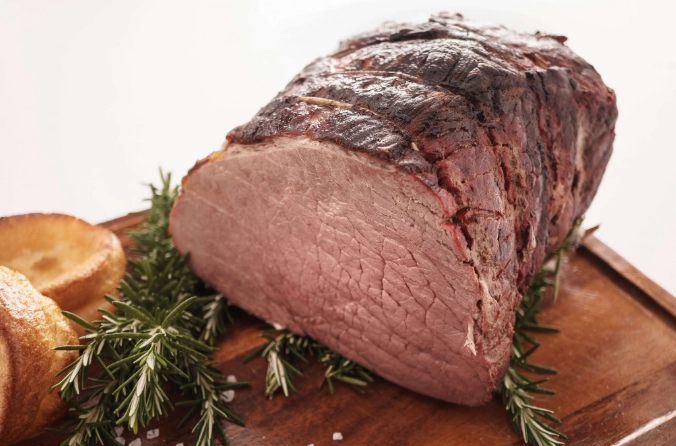
My personal all-star team? For a guaranteed win, beef chuck roast. For a crowd-pleasing feast, pork shoulder. For a special dinner that feels fancy, lamb shanks or beef short ribs.
The beauty of this method is its forgiveness and the incredible depth of flavor it coaxes from humble ingredients. So next time you're planning a cozy meal, skip the expensive steaks. Grab a chuck roast, fire up your oven low, and let time do the work. You won't regret it.
What's your favorite cut to slow cook? I'm always experimenting, so let me know if you have a hidden gem I missed. Now, go preheat that oven.
Reader Comments