Jump Straight to the Good Stuff
Let's be real: most crockpot beef stew recipes promise tender meat and flavorful gravy, but half the time, you end up with something watery or tough. I've been cooking stews for over a decade, and the difference lies in the details—like choosing the right beef cut or thickening the gravy properly. This guide isn't just another list; it's based on my fails (yes, I've had a few) and wins, so you get a stew that's actually worth the wait. We'll dive into everything from ingredients to storage, with a focus on that rich, homestyle gravy everyone craves.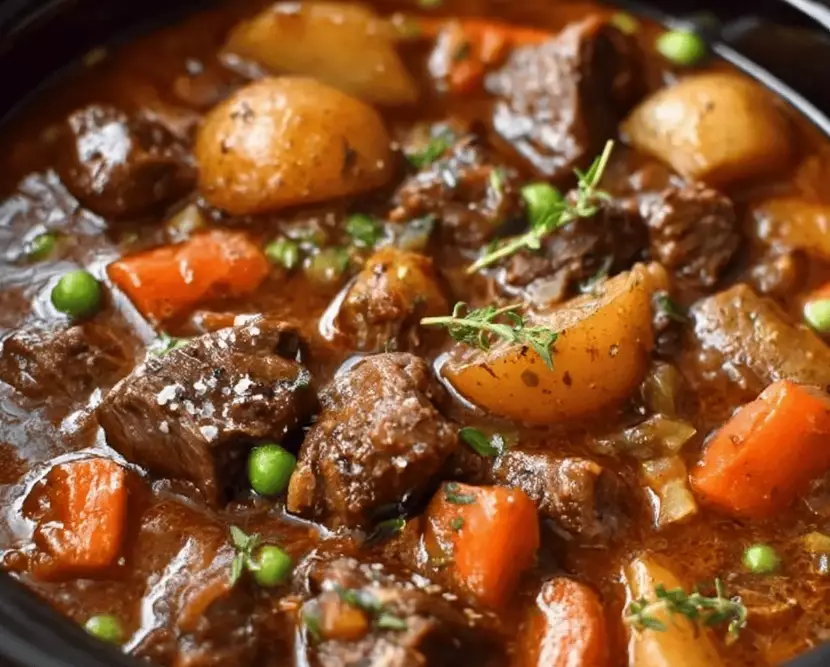
Why This Crockpot Beef Stew Recipe Actually Works
Most slow cooker recipes assume you'll set it and forget it, but that's where things go wrong. Beef stew needs attention, even in a crockpot. The magic here is in balancing time, temperature, and ingredients. For example, adding vegetables at the right moment prevents mushiness, and using a bit of acid (like tomato paste) breaks down the meat fibers without making it sour. I learned this the hard way after a stew turned out bland—turns out, skipping the browning step isn't a crime if you boost umami with soy sauce or Worcestershire. This recipe prioritizes flavor layering, so even on low heat, every bite packs a punch.
One thing I rarely see mentioned: the crockpot size matters. A 6-quart slow cooker is ideal for this recipe; too small, and it overflows; too large, and the liquid evaporates too fast. Trust me, I've cleaned up spills from an overfilled pot—not fun.
The Non-Negotiable Ingredients for Rich Gravy
You can't skimp here if you want that gravy to shine. Here's what you absolutely need:
- Beef chuck roast: Not stew meat from the store—it's often trimmings. Chuck has enough fat to melt into tenderness over hours. Go for 2-inch cubes; smaller pieces dry out.
- Beef broth: Use low-sodium so you control the salt. Homemade is great, but a quality store-bought brand works. Avoid bouillon cubes—they can make the gravy taste artificial.
- Flour or cornstarch: For thickening. Flour gives a rustic feel, cornstarch a glossy finish. I prefer cornstarch for its clarity, but more on that later.
- Aromatics: Onions, garlic, carrots, and celery. Sauté them briefly before adding to the crockpot—this step, often skipped, deepens the flavor immensely.
- Tomato paste and red wine: These aren't just extras; they add acidity and richness. A splash of dry red wine (like Cabernet) deglazes the pan and adds complexity. If you don't drink, use extra broth with a teaspoon of vinegar.
I once tried a "shortcut" version without tomato paste, and the gravy lacked depth. Don't make that mistake.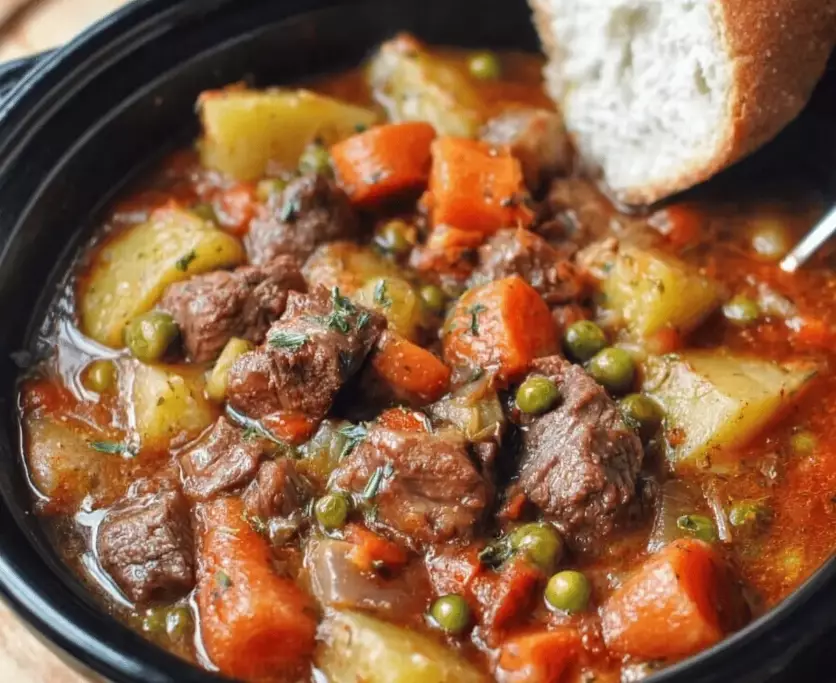
Optional but Game-Changing Add-Ins
Mushrooms for earthiness, a bay leaf for aroma, or a parsnip for sweetness. Some folks add potatoes, but I hold them back until the last 2 hours to avoid disintegrating. Fresh herbs like thyme or rosemary? Yes, but use dried if that's all you have—they hold up better in long cooks.
Step-by-Step: How to Make Beef Stew in a Slow Cooker
Here's the process, broken down so you don't miss a beat. It takes about 20 minutes of prep, then the crockpot does the heavy lifting.
Step 1: Prep the beef. Pat it dry with paper towels—this helps with browning if you choose to do it. I often skip browning to save time, but if you do, heat oil in a pan and sear the cubes for 2 minutes per side. It adds color, not necessarily tenderness.
Step 2: Sauté the veggies. In the same pan, cook chopped onions, garlic, and celery until soft, about 5 minutes. This releases their sugars and prevents a raw taste in the stew.
Step 3: Layer in the crockpot. Add the beef, sautéed veggies, carrots, tomato paste, and spices to the slow cooker. Pour in beef broth until it just covers the ingredients—don't drown it. Too much liquid is the #1 reason for watery gravy.
Step 4: Cook low and slow. Set on low for 8 hours. High for 4-5 hours works, but low heat yields more tender meat. Resist the urge to lift the lid; it releases heat and extends cooking time.
Step 5: Thicken the gravy. In the last 30 minutes, mix cornstarch with cold broth (as mentioned earlier) and stir it in. Let it bubble until thickened. If using flour, make a slurry with equal parts flour and cold water.
Step 6: Adjust and serve. Taste for salt and pepper. I like a dash of black pepper at the end for brightness. Serve over mashed potatoes or with crusty bread.
This isn't a rigid formula—adapt based on your schedule. I've left it on warm for an extra hour when dinner was delayed, and it turned out fine.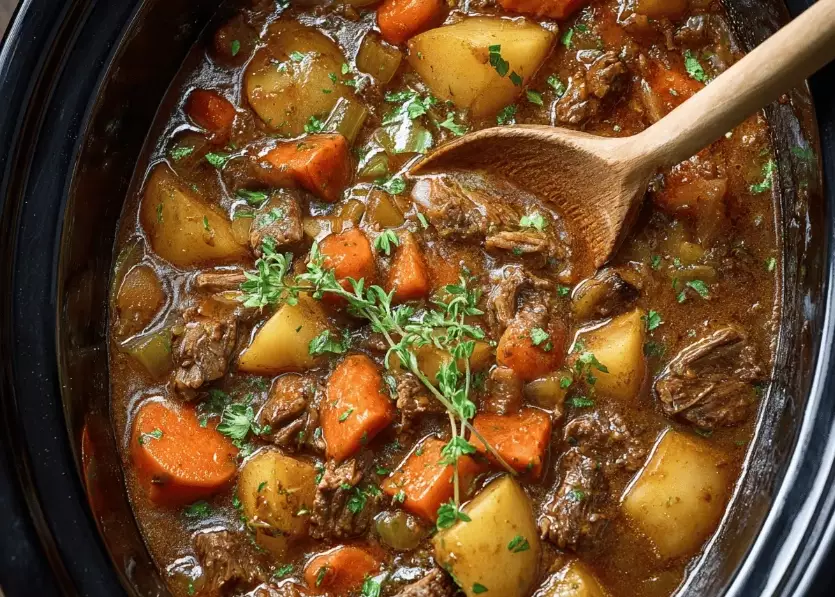
Pro Tips for Tender Meat (No More Chewy Beef)
Chewy beef is a common complaint, and it usually boils down to two things: the cut and the cooking time. Chuck roast is your friend because it has connective tissue that breaks down into gelatin, making the meat succulent. Avoid lean cuts like sirloin—they turn tough in slow cooking.
My secret: Add a tablespoon of vinegar or lemon juice to the broth. The acid helps tenderize the meat without making it sour. I learned this from an old chef friend, and it's a game-changer for tougher batches.
Also, cut the beef uniformly. Uneven pieces mean some are overcooked while others are still hard. Aim for 2-inch cubes—any smaller, and they shrink into nuggets.
Temperature control is key. According to the USDA, beef should reach an internal temperature of 145°F for safety, but for stew, you want it around 200°F to break down collagen. Use a meat thermometer if unsure; the beef should shred easily with a fork.
Common Pitfalls and How to Dodge Them
Let's address the elephants in the room:
- Watery gravy: Often from too much broth or not enough thickening. Start with less liquid—you can always add more. Thicken at the end, not the beginning.
- Bland flavor: Underseasoning. Salt in layers: when sautéing, when adding broth, and at the end. Herbs and spices lose potency over time, so add a pinch more before serving.
- Mushy vegetables: Add carrots and potatoes later. I put carrots at the start, but potatoes go in during the last 2 hours. Celery and onions can handle the full cook.
- Beef not tender: Probably undercooked. Extend the time by an hour if needed. If it's still tough, the cut might be wrong—stick to chuck.
I recall a disaster where I added frozen beef directly to the crockpot. It lowered the temperature, and the stew took forever to cook. Thaw it first, or adjust time accordingly.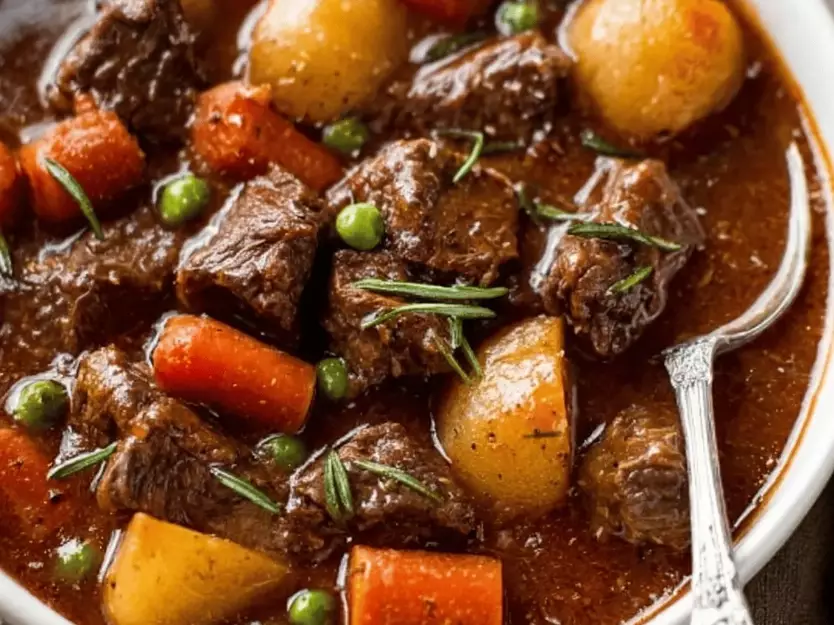
Your Burning Questions Answered (FAQ)
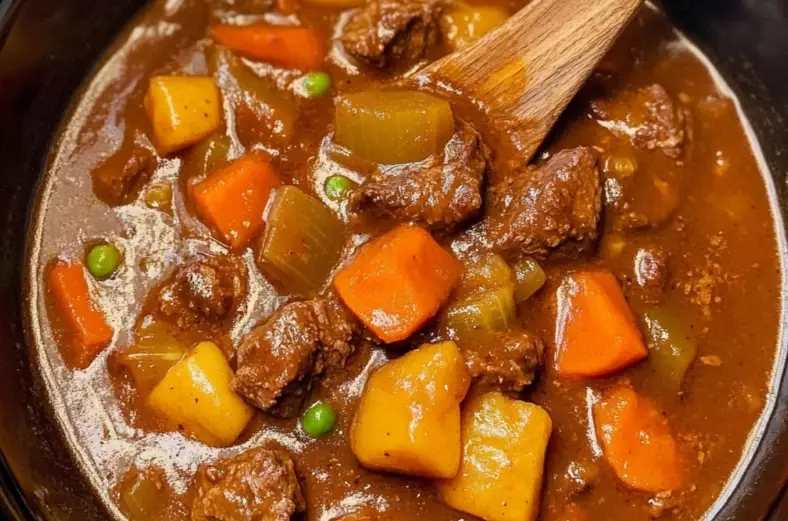 At the end of the day, crockpot beef stew with gravy is about patience and personal touch. Don't be afraid to tweak it—add more herbs, try different veggies, or adjust the salt to your taste. I've served this to picky eaters and gotten thumbs up, so it's a reliable crowd-pleaser. Remember, the best stew is the one that fits your life. Whether you're meal-prepping for the week or craving comfort on a cold night, this recipe has your back. Now, go fire up that slow cooker and enjoy the aromas filling your kitchen.
Reader Comments