What You’ll Find in This Guide
I still remember the first time I tried making bread pudding in my slow cooker. It was a chilly evening, and I wanted something warm and comforting without spending hours in the kitchen. The result? A creamy, custardy dessert that felt like a hug in a bowl. Over the years, I've tweaked the recipe to perfection, and today, I'm sharing all the secrets for an easy slow cooker bread and butter pudding that never fails.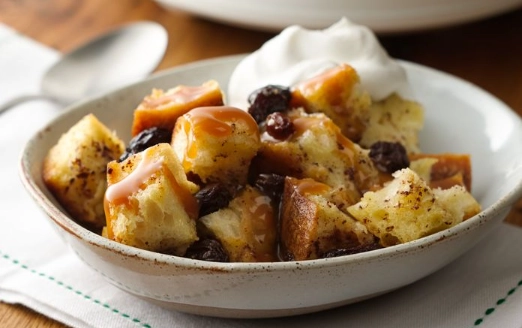
If you're new to slow cooker desserts, you might wonder why bother. Well, let me tell you—it's a game-changer. No more babysitting the oven or worrying about burnt edges. Just set it and forget it. This recipe is perfect for busy weeknights, potlucks, or when you need a dessert that feels homemade without the fuss.
Why Use a Slow Cooker for Bread Pudding?
Slow cookers, like those from Crock-Pot, have been around for decades, but many people still overlook them for desserts. That's a shame. The gentle, even heat from a slow cooker ensures the custard sets perfectly without curdling or drying out. Unlike an oven, which can have hot spots, a slow cooker distributes heat uniformly, giving you a consistently creamy texture.
Another big plus? Energy efficiency. According to the U.S. Department of Energy, slow cookers use less electricity than conventional ovens, making them a budget-friendly choice. Plus, they free up your oven for other dishes, especially handy during holidays.
Benefits of Slow Cooking
Hands-off cooking. You can prep everything in the morning, let it cook on low all day, and come home to a ready dessert. The slow process also allows flavors to meld beautifully—the bread soaks up the custard gradually, resulting in a richer taste.
I've found that slow cooker bread pudding tends to be moister than oven-baked versions. The lid traps steam, keeping everything humid and preventing that dry, overcooked layer on top. But there's a catch: you need to avoid over-soaking the bread, which I'll get into later.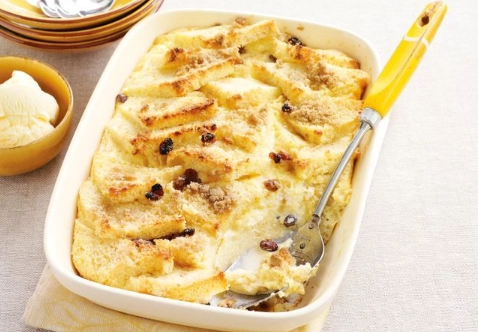
Ingredients You'll Need for the Perfect Pudding
Let's talk ingredients. This isn't a fancy recipe, but the quality matters. Here’s a breakdown of what you'll need, along with some tips I've picked up over the years.
| Ingredient | Quantity | Notes |
|---|---|---|
| Stale bread (e.g., brioche or challah) | 8 cups, cubed | Day-old works best; avoid fresh bread |
| Unsalted butter | 1/2 cup, melted | For richness; you can reduce if desired |
| Eggs | 4 large | Room temperature for better mixing |
| Whole milk | 2 cups | Or use half-and-half for extra creaminess |
| Granulated sugar | 3/4 cup | Adjust to taste; brown sugar adds depth |
| Vanilla extract | 2 teaspoons | Pure vanilla gives the best flavor |
| Ground cinnamon | 1 teaspoon | Optional, but highly recommended |
| Raisins or dried fruit | 1/2 cup | Soak in warm water first to plump up |
Why stale bread? Fresh bread has too much moisture and will turn to mush in the slow cooker. Stale bread holds its shape better, absorbing the custard without disintegrating. If you don't have stale bread, leave slices out on the counter for a few hours or toast them lightly in the oven at 300°F for 10 minutes.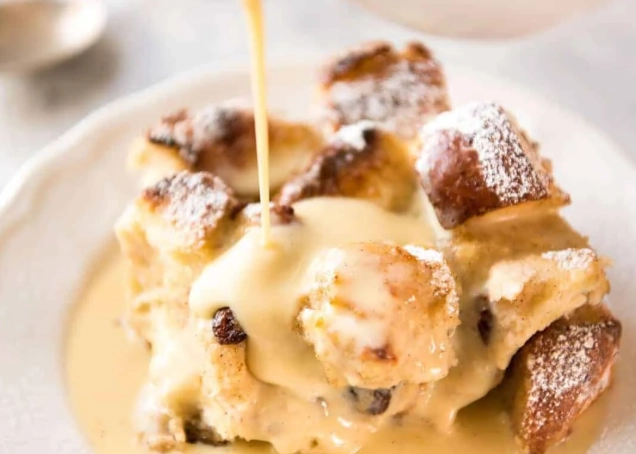
Butter is key here—it adds that rich, buttery flavor that defines bread and butter pudding. Don't skimp on it. I once tried using margarine, and the result was bland and oily. Stick to real butter.
Pro tip: Use brioche or challah for a richer pudding. Their eggy texture and slight sweetness elevate the dish. If you're on a budget, day-old white bread works fine, but avoid whole wheat—it can make the pudding dense.
Step-by-Step Guide to Making Easy Slow Cooker Bread and Butter Pudding
Now, the fun part. Follow these steps closely, and you'll have a dessert that impresses every time. I'll walk you through it as if you're in my kitchen with me.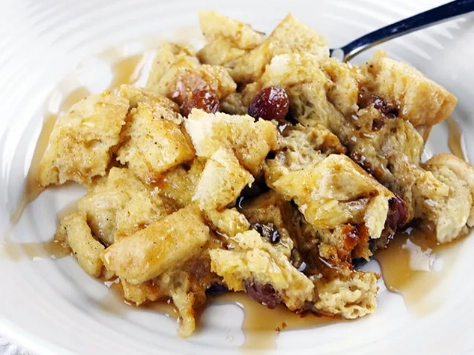
Step 1: Prepare the bread. Cube the stale bread into 1-inch pieces. Don't make them too small, or they'll disappear into the custard. Toss the cubes with melted butter in a large bowl, making sure each piece is lightly coated. This helps create a golden, slightly crisp layer on top.
Step 2: Make the custard. In another bowl, whisk the eggs until smooth. Add sugar, milk, vanilla, and cinnamon. Whisk until everything is well combined. Avoid over-whisking—you don't want too many air bubbles, as they can affect the texture. I like to let this mixture sit for 5 minutes to let the sugar dissolve fully.
Step 3: Layer in the slow cooker. Grease the inside of your slow cooker with butter or cooking spray. Spread half the bread cubes evenly on the bottom. Sprinkle half the raisins over them. Repeat with the remaining bread and raisins. Pour the custard mixture over the bread, pressing down gently with a spoon to ensure everything is soaked. Don't stir—this can break the bread into bits.
Step 4: Cook. Cover and cook on low for 3 to 4 hours. Start checking at the 3-hour mark by inserting a knife into the center. If it comes out clean, it's done. The top should be set and slightly golden. If you're in a hurry, you can cook on high for 1.5 to 2 hours, but low heat gives a better texture.
Step 5: Rest and serve. Turn off the slow cooker and let the pudding sit for 15 minutes before serving. This allows the custard to set further and makes slicing easier. Serve warm with a dollop of whipped cream or a drizzle of caramel sauce.
I made this for a family gathering last month, and my cousin asked if I'd used a complicated recipe. Nope—just a slow cooker and some patience.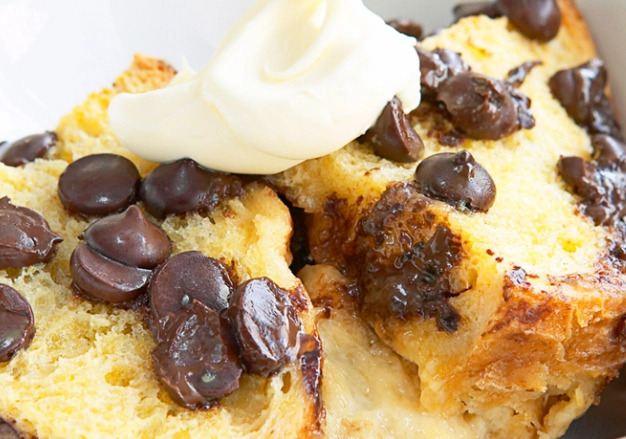
Common Mistakes and How to Avoid Them
Even with an easy recipe, things can go wrong. Here are some pitfalls I've seen (and fallen into myself) and how to dodge them.
Using fresh bread. This is the number one error. Fresh bread absorbs liquid too quickly and turns soggy. Always opt for stale or toasted bread. If you're in a pinch, spread fresh bread cubes on a baking sheet and bake at 250°F for 15 minutes to dry them out.
Over-mixing the custard. Whisking too vigorously incorporates air, which can lead to a foamy, uneven texture. Gently mix until just combined. I use a fork instead of a whisk sometimes—it gives me more control.
Not greasing the slow cooker. It might seem trivial, but skipping this step can cause the pudding to stick, especially around the edges. A light coating of butter or non-stick spray ensures easy removal.
Peeking too often. Every time you lift the lid, heat escapes, extending the cooking time. Trust the process and only check towards the end. I set a timer for 3 hours and then take a quick look.
Overcooking. Slow cookers vary, so timing isn't exact. If you leave it too long, the pudding dries out. It should be moist but firm. If it starts to brown too much on top, you've gone too far. Err on the side of undercooking—you can always cook it a bit longer if needed.
Variations and Customizations
One of the best things about bread pudding is its versatility. You can tweak it to suit your taste or dietary needs. Here are some ideas I've experimented with.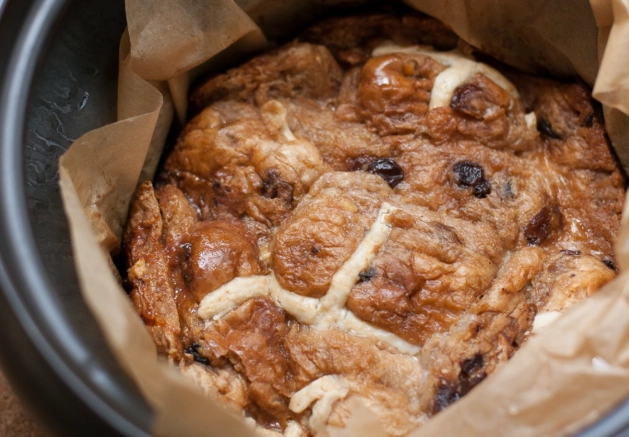
Chocolate chip bread pudding: Add 1/2 cup of semi-sweet chocolate chips to the bread layers. The chocolate melts into gooey pockets—kids love this version.
Apple cinnamon: Mix in 1 cup of diced apples (tossed with a bit of lemon juice to prevent browning) and an extra teaspoon of cinnamon. It tastes like fall in a bowl.
Savory twist: Skip the sugar and vanilla. Use cheese, herbs, and cooked bacon for a hearty breakfast casserole. Cook on low for 4 hours until set.
Dairy-free option: Replace milk with almond or coconut milk, and use dairy-free butter. I tried this for a friend with lactose intolerance, and it turned out surprisingly creamy. Just note that coconut milk adds a subtle tropical flavor.
Gluten-free: Use gluten-free bread. Make sure it's stale or toasted, as gluten-free bread tends to be crumbly. I recommend brands like Udi's or Canyon Bakehouse for better structure.
Feel free to play around. The base recipe is forgiving, so don't be afraid to add nuts, different fruits, or spices like nutmeg or cardamom.
Serving and Storage Tips
Once your pudding is ready, presentation matters. Here's how to make it shine.
Serve it warm. The flavors are more pronounced, and the texture is at its best. I like to scoop it into bowls and top with a sprinkle of powdered sugar or a scoop of vanilla ice cream. For a fancy touch, drizzle with homemade caramel sauce—melt 1/2 cup sugar in a pan until golden, then stir in 1/4 cup heavy cream and a pinch of salt.
If you have leftovers, store them in an airtight container in the fridge for up to 3 days. To reheat, avoid the microwave—it makes the pudding soggy. Instead, place slices on a baking sheet and warm in a 300°F oven for 10-15 minutes. This restores the crisp edges.
You can also freeze it. Wrap individual portions in plastic wrap and then foil. They'll keep for up to a month. Thaw overnight in the fridge before reheating. I often make a double batch and freeze half for busy weeks.
Bread pudding is even better the next day, as the flavors continue to develop. Some people prefer it cold, straight from the fridge—it becomes denser and more custard-like.
FAQ Section
That wraps up everything you need to know about easy slow cooker bread and butter pudding. It's a dessert that feels indulgent but requires minimal effort. Give it a try—you might just find it becomes a staple in your kitchen, like it has in mine.
Reader Comments