In This Guide
You had one job, slow cooker. One job. Take these beautiful pork chops, bathe them in a savory sauce for hours, and transform them into something melt-in-your-mouth tender. Instead, you served up something that could double as shoe leather. I’ve been there. You’re not alone in asking, with a sigh of frustration, "Why are my pork chops tough in a crock pot?"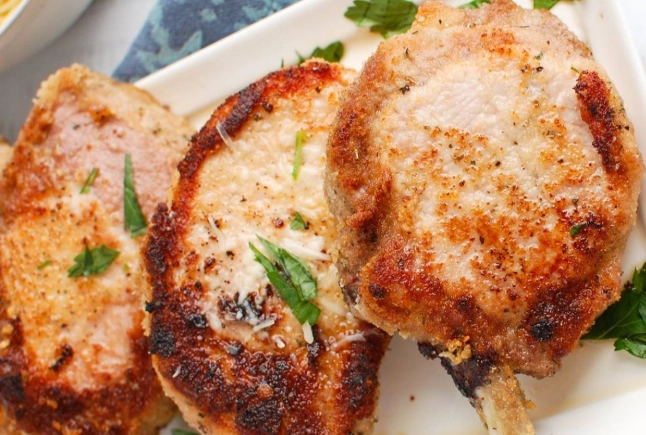
It feels like a betrayal, doesn't it? The appliance famous for turning budget cuts into gourmet meals suddenly fails you. The good news? It's almost never the crock pot's fault. It's usually a handful of simple, fixable mistakes. We're going to dig into the real reasons behind tough pork chops and, more importantly, how to never let it happen again. This isn't about fancy techniques—it's about understanding a bit of meat science and adjusting your approach.
The Core Problem: Pork chops are lean, quick-cooking cuts from the loin. Slow cookers excel at breaking down the tough collagen in fatty, connective tissue-rich cuts (think pork shoulder). When you subject a lean chop to long, wet heat without that collagen to melt, the muscle fibers just seize up, squeeze out their moisture, and become dry and tough. You're essentially overcooking them from the get-go.
The Top 5 Reasons Your Pork Chops Turn Out Tough
Let's break down the usual suspects. I've made most of these mistakes myself, especially when I was starting out. Understanding "why" is the first step to fixing "how."
You're Using the Wrong Cut of Pork
This is the big one. The number one answer to "why are my pork chops tough in a crock pot?" is using chops that were never meant for a long braise. Supermarket pork chops are typically from the loin: center-cut, boneless, or rib chops. They're great for a 6-minute sear in a pan, but they're miserable in a slow cooker.
Imagine trying to slow-cook a chicken breast for 8 hours. Same idea. The meat has very little intramuscular fat or collagen. It can't withstand the prolonged cooking without drying out.
What to look for instead: Seek out shoulder chops (also called blade or pork steak), sirloin chops, or even country-style ribs. These come from more worked muscles, have more fat marbling, and contain more connective tissue. That connective tissue is your best friend—it transforms into gelatin during slow cooking, basting the meat from within and making it succulent.
You're Skipping the Sear (The Maillard Reaction Matters)
I know, I know. The whole point of a slow cooker is "dump and go." But hear me out. Skipping the sear is a major contributor to a bland, sometimes tougher texture. Searing isn't just for color and flavor (that beautiful browning is the Maillard reaction, creating hundreds of new flavor compounds).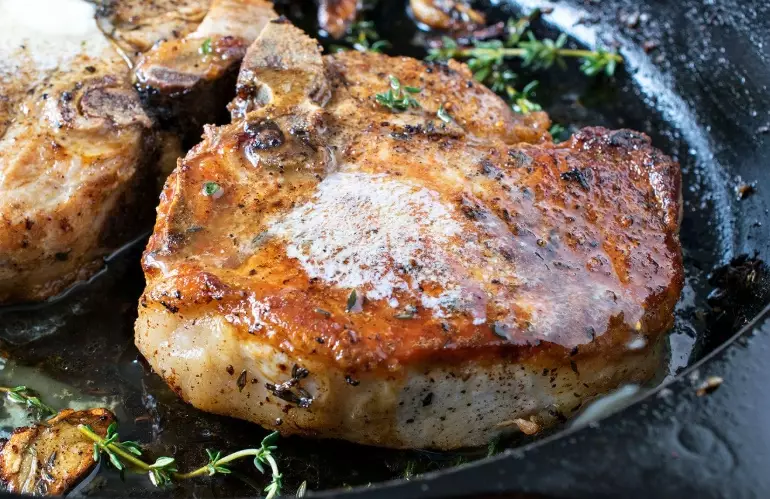
It also creates a crust that helps the chop retain some of its juices during the long cook. Tossing a raw, pale chop directly into the liquid is an invitation for all its moisture to leach out. A quick 2-3 minutes per side in a screaming hot pan makes a world of difference. It takes five extra minutes. Just do it.
You're Cooking Them For Way Too Long
"Low and slow" is the mantra, but there's a limit. Many classic slow cooker recipes for pulled pork or pot roast call for 8 hours on low. Your pork chops are not a pork butt. Treating them the same is a disaster.
Even the more forgiving cuts like shoulder chops have their limits. An extremely long cook time will eventually break down all the muscle fiber structure to the point of mush, but it will pass through a long phase of dry toughness first. More time is not always better.
Here's a personal fail: I once followed a generic "pork chops in gravy" recipe that said "4-6 hours on high." I set it for 5, thinking the middle was safe. What I got was stringy, dry meat that shredded not because it was tender, but because it had completely dehydrated and fractured. It was inedible. The recipe was wrong for the cut I used.
The Liquid Level is All Wrong
Too much liquid is a common pitfall. You don't need to submerge the chops. In fact, you shouldn't. You're braising, not boiling. The ideal setup is to have the liquid come about halfway up the sides of the meat. This way, the top half is gently steamed by the ambient moisture in the cooker, while the bottom half braises in the liquid.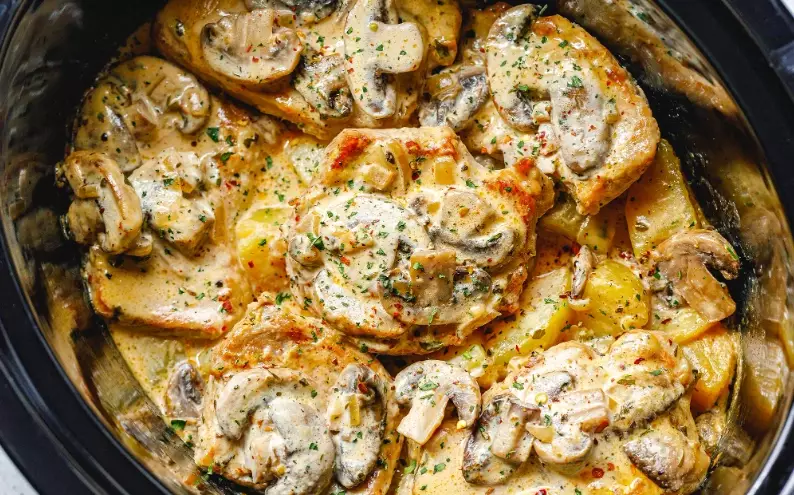
Fully submerged chops are essentially being boiled, which is a very aggressive cooking method even at a low temperature. It accelerates moisture loss and can make the texture rubbery.
You're Not Letting Them Rest
This applies to all meat cooking, but it's easy to forget straight from the crock pot. When heat is applied, the muscle fibers contract and push moisture toward the center. If you cut in immediately, all those precious juices flood out onto your plate, leaving the meat drier. A brief 10-minute rest, loosely tented with foil, allows the fibers to relax and reabsorb some of that moisture.
It makes a noticeable difference in juiciness.
The Foolproof Method: How to Make Tender Slow Cooker Pork Chops
Okay, enough with the problems. Let's build a solution from the ground up. Follow these steps, and you'll swap frustration for fantastic results.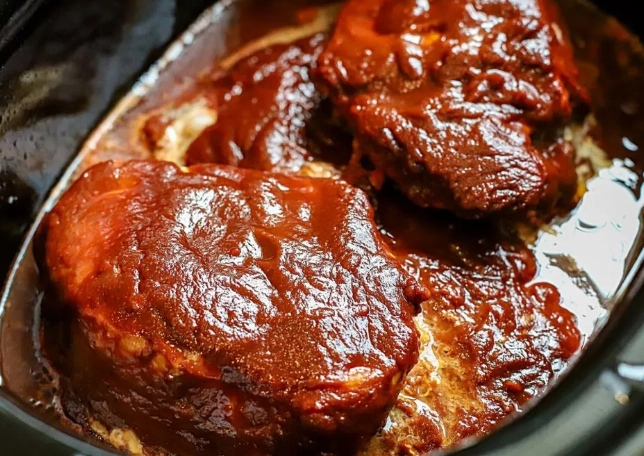
Step 1: Choose Your Champion (The Cut)
This is your most important decision. Throw the idea of a lean, white chop out the window for slow cooking.
| Cut of Pork Chop | Best For Slow Cooker? | Why It Works (or Doesn't) | My Personal Preference |
|---|---|---|---|
| Pork Shoulder Chop (Blade Chop) | YES - The Best Choice | Fatty, well-marbled, loaded with connective tissue. Turns incredibly tender and flavorful. | My absolute go-to. Forgiving and always delicious. |
| Bone-in Rib Chop | Maybe, with caution | The bone adds flavor and a bit of insulation, but the meat is still lean. Requires precise timing. | I avoid it for slow cooking. Too easy to mess up. |
| Boneless Center-Cut Loin Chop | NO - The Worst Choice | Extremely lean. Almost guaranteed to become tough and dry. Save it for the skillet. | I learned this the hard way. Just don't do it. |
| Country-Style Ribs | YES - Excellent | Not actually ribs, but meaty cuts from the blade end of the loin. Great fat content, perfect for slow cooking. | A close second to shoulder chops. Meaty and satisfying. |
Step 2: The Non-Negotiable Sear
Pat your chops very dry with paper towels. Moisture is the enemy of browning. Season generously with salt and pepper. Heat a tablespoon of high-smoke-point oil (like avocado or canola) in a heavy skillet over medium-high heat until it shimmers. Add the chops. Don't crowd the pan. Let them sear, untouched, for 2-3 minutes until a deep golden-brown crust forms. Flip and repeat. This step is your flavor and texture insurance policy.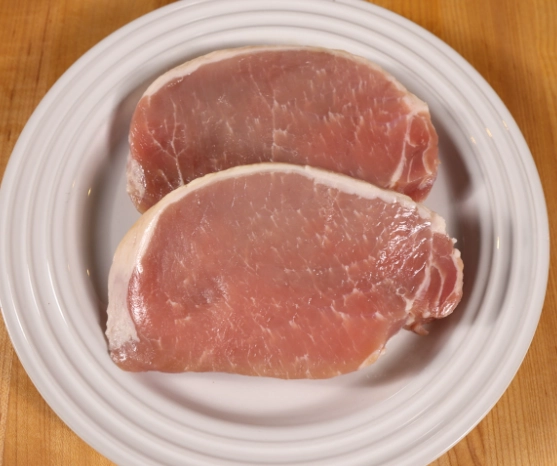
Step 3: Build Your Braising Liquid Wisely
You don't need a lot. A cup or two is plenty. Use flavorful liquids: broth (chicken or vegetable), a splash of wine, apple cider, even just water with plenty of aromatics. Add your onions, garlic, herbs (thyme and rosemary are classics), and a touch of acidity (a tablespoon of mustard, apple cider vinegar, or tomato paste). The acidity helps tenderize the meat slightly.
Pro Tip: After searing the chops, deglaze the hot pan with a bit of your braising liquid. Scrape up all those delicious browned bits (the fond) and pour it all into the slow cooker. That's pure flavor gold you were about to wash down the drain.
Step 4: Master the Timing and Temperature
This is the second most critical step after choosing the right cut.
- For Pork Shoulder or Country-Style Rib Chops: 3-4 hours on LOW is the sweet spot. Check at 3 hours. They should be tender and just starting to pull apart with a fork. 4 hours is usually the maximum I'd go.
- If you must use a thicker, bone-in loin chop: Treat it like a quick braise. 2-3 hours on LOW maximum. Use a meat thermometer. You want to pull them when the internal temperature hits 145°F (63°C), the USDA's safe recommended temperature for pork. They will carry over cook a bit in the hot liquid. This is the only way to prevent them from overcooking.
Why are my pork chops tough in a crock pot? Nine times out of ten, they were cooked too long. Set a timer. Don't just let them go all day while you're at work.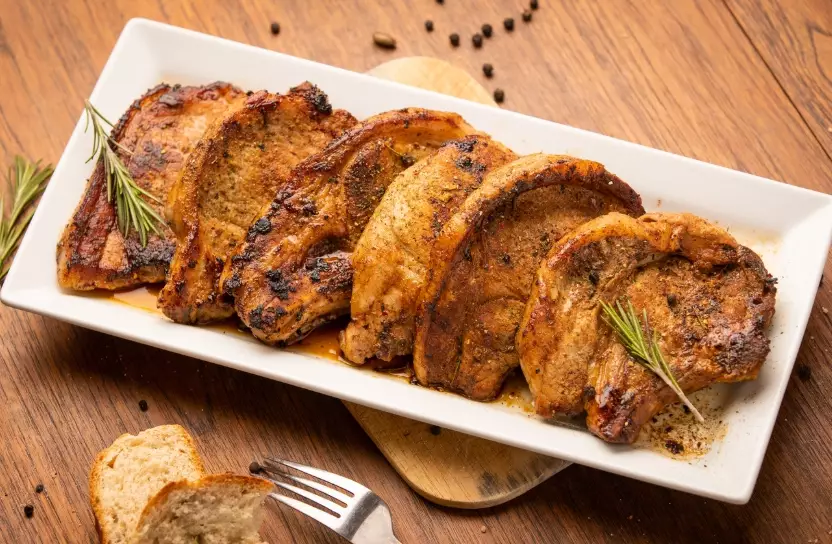
Step 5: The Rest and The Sauce
When the chops are done, transfer them to a warm plate. Tent loosely with foil. Let them rest for a good 10 minutes. Meanwhile, you can turn your slow cooker to high and reduce the cooking liquid slightly to make a quick sauce, or thicken it with a cornstarch slurry. Pour that glorious sauce over the rested chops. The wait is worth it.
Answering Your Burning Questions (FAQ)
Can I put frozen pork chops in the slow cooker?
The official food safety guidance, like that from the USDA Food Safety and Inspection Service, strongly advises against putting large frozen cuts of meat in a slow cooker. The meat can linger in the "danger zone" (40°F - 140°F) for too long as it slowly thaws, allowing bacteria to grow. For food safety and even cooking, always thaw your pork chops in the refrigerator first.
Does searing really "lock in" juices?
Not exactly, from a purely scientific standpoint. Searing creates flavor via the Maillard reaction and creates a textured crust. However, the idea that it forms an impermeable seal is a myth. The real benefit for tenderness is that it jumpstarts the cooking process with high heat, allowing you to reduce the wet cooking time in the slow cooker, which is what really causes moisture loss. So, while it doesn't "lock" juices in, it helps you cook in a way that preserves them better.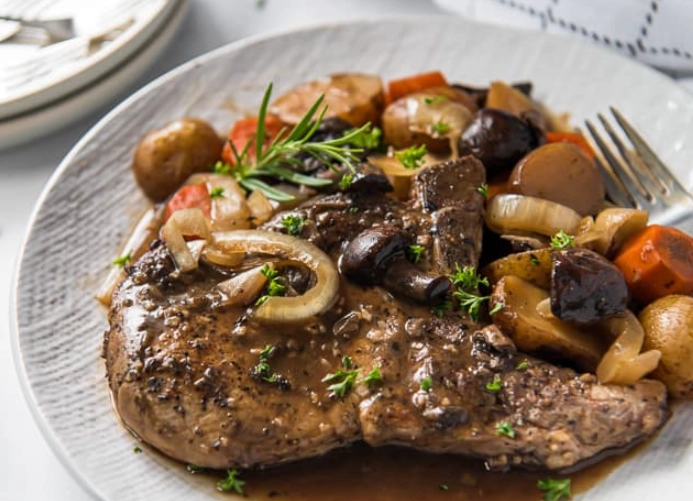
Why do some recipes work and others don't, even with the same time?
Variables! The thickness of the chop, the actual temperature of your specific slow cooker (they can vary by 15-20 degrees, as noted in many appliance reviews), the amount of liquid, and the starting temperature of the meat (room temp vs. fridge-cold) all play a huge role. A recipe is a guide. Use a probe thermometer to learn your appliance and cook to temperature, not just time.
Is it better to cook on HIGH for a shorter time?
For pork chops, often yes. If you're in a hurry, cooking on HIGH for 1.5 - 2.5 hours (depending on cut and thickness) can yield better results than 6+ hours on low. The shorter exposure to moist heat gives the muscle fibers less time to tighten and squeeze. For the tougher, fattier shoulder chops, low is still better to render fat and collagen. For leaner cuts you're trying to salvage, high for a short period is the lesser evil.
What about adding a brine or marinade?
A simple brine (soaking in saltwater) can work wonders. It helps the muscle fibers retain more moisture during cooking. For a quick brine, dissolve 1/4 cup of salt in 4 cups of water, submerge the chops for 30-60 minutes in the fridge, then pat dry before searing. Don't add extra salt in the seasoning step if you brine. Acidic marinades (with vinegar, wine) can help tenderize the surface slightly, but they won't penetrate deeply. A brine is more effective for overall juiciness.
Putting It All Together: A Simple, Guaranteed Recipe Framework
Let's end with a template you can customize. This is for pork shoulder chops, the heroes of this story.
- Prep: Pat 4 pork shoulder chops dry. Season all over with salt, pepper, and maybe some smoked paprika or garlic powder.
- Sear: Heat oil in a skillet. Sear chops 2-3 mins per side until browned. Transfer to slow cooker.
- Deglaze: Add 1 sliced onion to the same skillet. Cook for 3 mins. Add 2 minced garlic cloves, cook 30 sec. Pour in 1 cup chicken broth and scrape the pan. Pour it all over the chops.
- Cook: Add a few sprigs of fresh thyme. Cook on LOW for 3 to 3.5 hours.
- Finish: Remove chops to a plate, tent with foil. Rest 10 mins. If desired, mix 1 tbsp cornstarch with 2 tbsp cold water, stir into the slow cooker liquid on HIGH for 15 mins to thicken into a gravy.
That's it. No mystery. No toughness.
So, the next time you're left wondering, "Why are my pork chops tough in a crock pot?" come back to this checklist. Start with the right cut (shoulder!). Always sear. Mind the time (shorter than you think!). And let them rest. It transforms the experience completely.
Your slow cooker can be a tool for incredibly tender pork dinners. You just have to work with the meat, not against it. Give these fixes a try on your next attempt. I'm confident you'll be amazed at the difference.
Reader Comments