Quick Navigation
- Why the Crockpot Works for Steak (And When It Doesn't)
- The Top Contenders: Best Steaks for Your Slow Cooker
- How to Actually Cook Steak in a Crockpot: A Step-by-Step Blueprint
- Common Pitfalls & How to Dodge Them
- Your Crockpot Steak Questions, Answered
- Wrapping It Up: Your Path to Perfect Crockpot Steak
Let's be honest. The first time someone suggested I cook a steak in a crockpot, I laughed. A steak? In that thing I use for chili and pulled pork? It felt wrong, like putting a sports car on a tractor trail. But then I tried it. And wow, was I wrong. The right cut of beef, treated with a little respect and a lot of time, transforms into something magical in a slow cooker—tender, juicy, and packed with flavor in a way a grill or skillet just can't match.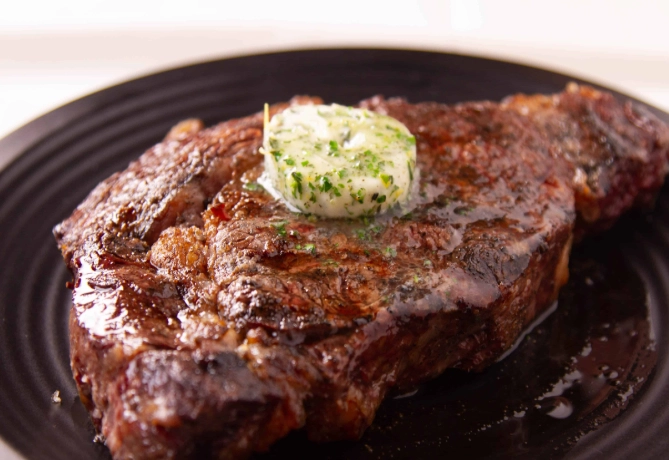
But here's the catch, and it's a big one: not every steak is created equal for this job. Throw a filet mignon or a New York strip in there for eight hours, and you'll end up with expensive, dry, stringy disappointment. I learned that the hard way, wasting a perfectly good piece of meat. The secret to nailing what is the best steak to cook in a crockpot isn't about the price tag; it's about understanding the muscle.
The crockpot isn't a shortcut for a quick-seared steak. It's a tool of transformation, turning tough, budget-friendly cuts into luxurious, fall-apart masterpieces.
So, if you're staring at the meat case wondering which pack to grab, you're in the right place. We're going to cut through the noise (pun intended) and talk about the absolute best candidates, the "why" behind them, and exactly how to treat them from fridge to fork.
Why the Crockpot Works for Steak (And When It Doesn't)
Think of a crockpot as a gentle, low-temperature braising environment. The key word is "braising." This method uses moist heat over a long period to break down something called collagen.
Collagen is the tough, connective tissue that holds muscle fibers together. It's abundant in cuts of meat that work hard—think shoulder, leg, chest. On a hot grill, these cuts would be chewy and tough. But submerged in a flavorful liquid and cooked low and slow, that stubborn collagen melts into gelatin. This process is what gives braised meat its signature silky, tender, "fall-off-the-bone" texture. The U.S. Department of Agriculture's Food Safety site notes that slow, moist cooking methods are excellent for tenderizing less tender cuts of meat, which aligns perfectly with this science.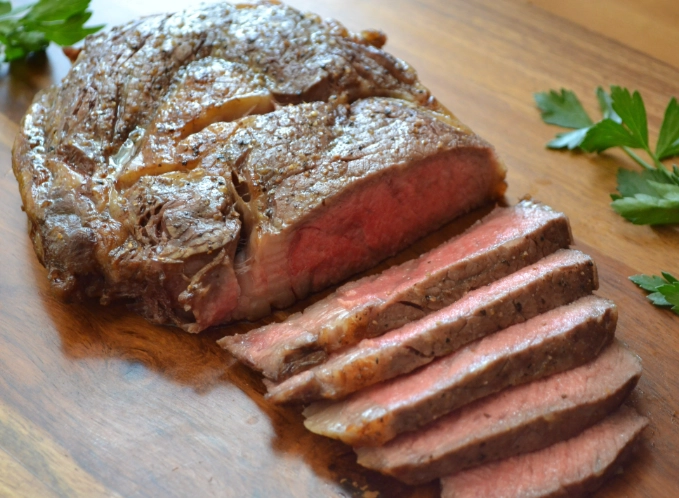
That's the magic. That's the goal.
Therefore, the best steak for a crockpot is, almost without exception, a cut that starts with a lot of connective tissue and marbling (intramuscular fat). These are often the cheaper cuts at the grocery store, which is a fantastic bonus. You're turning an economical choice into a spectacular meal.
The Steaks to Avoid (Save Your Money)
If a steak is already tender and lean, it's a bad fit. The long cook will simply dry it out and make it mealy. So, skip these for the slow cooker:
- Filet Mignon (Beef Tenderloin): Too lean, too expensive, too much of a waste.
- New York Strip (Sirloin Strip): Not enough connective tissue. Better for fast, high-heat.
- Ribeye (for traditional cooking): While marbled, its tenderness is best showcased with quick cooking. A slow cooker will render out all the fat and leave it greasy and broken down.
- Flank Steak: It can work if cooked for a very short time (like 4-5 hours on low) for a "sliceable" texture, but it's not the ideal candidate for the classic "shreddy" crockpot result.
The Top Contenders: Best Steaks for Your Slow Cooker
Alright, let's get to the good stuff. Based on fat content, connective tissue, flavor, and how reliably they turn out, here’s my personal ranking. This is the core answer to what is the best steak to cook in a crockpot.
| Steak Cut | Why It's Great for Crockpot | Flavor & Texture Profile | Best For | Approx. Cook Time (on Low) |
|---|---|---|---|---|
| Chuck Steak (or Chuck Roast) | THE champion. Loaded with marbling and collagen. Forgiving and consistently fantastic. | Rich, deeply beefy. Becomes incredibly tender, shreds or chunks beautifully. | Classic pot roast, shredded beef sandwiches, beef stews, tacos. | 8-10 hours |
| Brisket (Flat Cut) | Another collagen king. Requires patience but delivers legendary results. | Intense beef flavor, slices neatly against the grain when perfectly cooked. | Sliced brisket dinners, sandwiches, hash. | 9-12 hours |
| Short Ribs (Bone-in or Boneless) | Extreme marbling and connective tissue. The bone adds incredible flavor. | Unbelievably rich, moist, and decadent. Meat falls off the bone. | Special occasion dinners, with mashed potatoes or polenta. | 7-9 hours |
| Skirt Steak (for a different result) | Cooked for a shorter time, it remains sliceable, not shreddable. Very flavorful. | Beefy, absorbs marinades wonderfully. Tender but with a slight chew. | Fajitas, steak salads, rice bowls (cook for shorter duration!). | 4-6 hours (max on Low) |
| Round Steak (Bottom or Top Round) | Leaner, so requires more care (slicing thin against grain). A budget option. | Less fatty flavor, can be drier if overcooked. Best in saucy dishes. | Swiss steak, smothered steak, casseroles. | 6-8 hours |
See a pattern? Tough workhorses become tender stars.
Chuck Steak: The Undisputed Winner
If I had to pick one cut to recommend for someone asking what is the best steak to cook in a crockpot, it's chuck, every single time. It's affordable, available everywhere, and almost impossible to mess up. The fat cap and web of connective tissue running through it guarantee moisture and that sought-after "pull-apart" texture.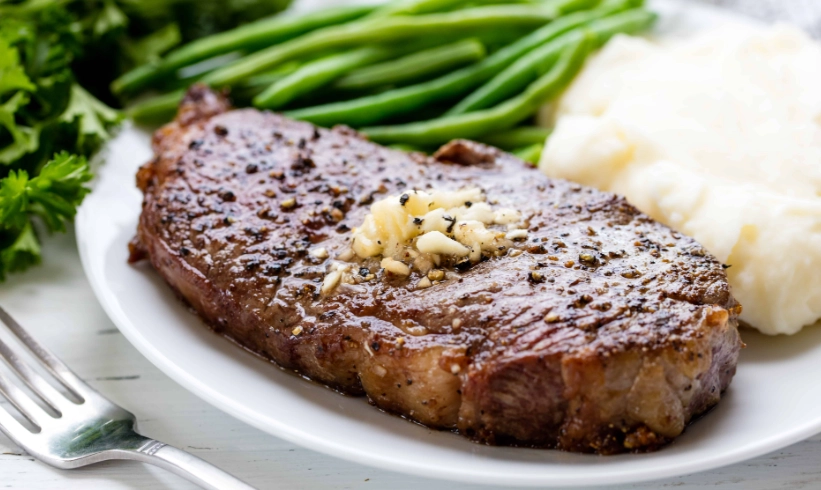
You'll often see it labeled as "Chuck Roast," "Chuck Eye Roast," or "Blade Roast." If it says "chuck," you're golden. I buy a big one, season it heavily, and let it go all day. The result? Something that feels like a Sunday dinner masterpiece with minimal effort.
Short Ribs: The Luxury Experience
Short ribs are my go-to for when I want to feel fancy without doing fancy work. They are, hands down, one of the most flavorful cuts on the cow. The meat is interspersed with veins of fat and connective tissue that render down into pure succulence.
I prefer bone-in for the deepest flavor, but boneless work great too and are easier to serve. The key here is not to skimp on the sear. Get a really good, dark crust on all sides before they go into the pot. That Maillard reaction (the browning) builds a flavor foundation that the slow cooking then amplifies for hours.
Pro Tip: The "Two-Step" Sear
Don't just toss raw steak in the crock. Take 10 minutes to sear it first. Heat oil in a skillet until it shimmers. Pat your steak very dry with paper towels (this is crucial for a good sear). Season it, then sear for 2-3 minutes per side until a deep brown crust forms. This step isn't just for looks; it creates hundreds of new flavor compounds that will infuse your entire dish. Serious Eats has fantastic, deep-dive articles on the science of searing if you're curious about the chemistry.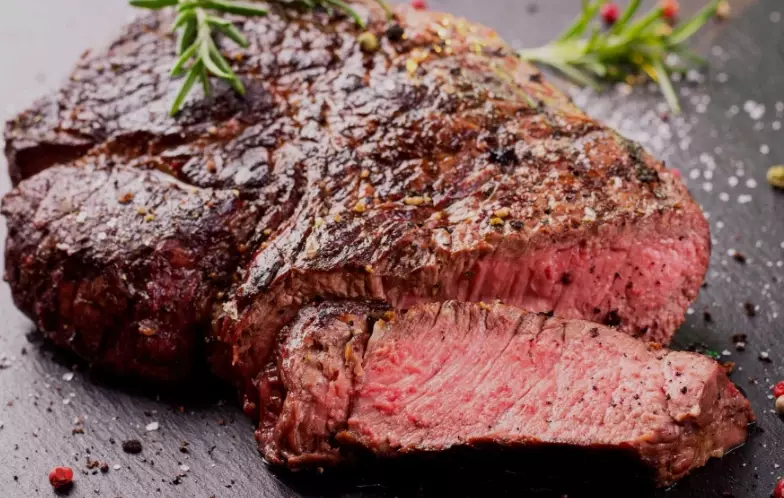
How to Actually Cook Steak in a Crockpot: A Step-by-Step Blueprint
Knowing the best cut is half the battle. The other half is technique. Here’s my no-fail method.
Step 1: Choose & Prepare Your Champion
Grab a 2.5 to 4-pound chuck roast or similar cut. Pat it completely dry with paper towels. This is non-negotiable for a good sear. Season aggressively with salt and pepper. I mean, really coat it. The slow cooker mutes seasoning, so be bold. For an extra layer, you can use a dry rub with garlic powder, onion powder, and smoked paprika.
Step 2: The Searing Ritual
Heat a tablespoon of a high-smoke-point oil (like avocado or canola) in a heavy skillet over medium-high heat. When the oil is hot, carefully place the steak in. Don't move it for a solid 3-4 minutes. Let a proper crust form. Flip and repeat on all sides, including the edges if you can. This is where the flavor is born.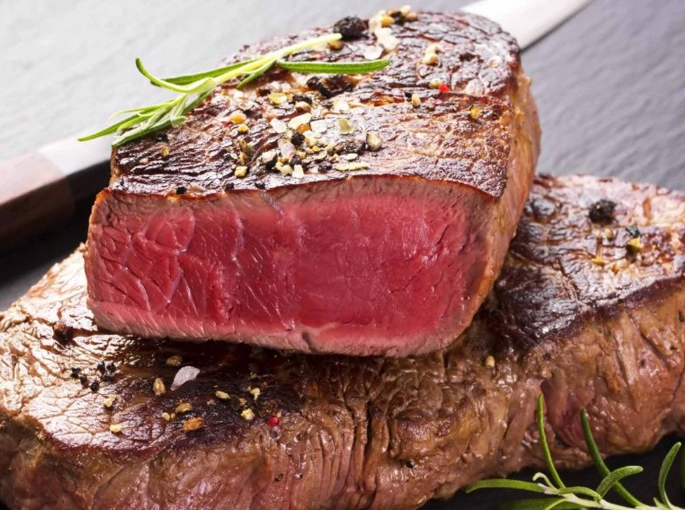
Step 3: Build Your Flavor Base in the Pot
While the meat sears, toss a roughly chopped onion, some carrots, and a few smashed garlic cloves into the bottom of the crockpot. This creates a natural rack and flavors the cooking liquid from below. Place the seared steak on top of this veggie bed.
Step 4: The Liquid Gold
You don't need to submerge the meat. About 1 to 1.5 cups of liquid is plenty. This isn't a soup. Use a combination for complexity:
- Broth (beef is best): The backbone.
- Red Wine or Beer: Adds acidity and depth. The alcohol cooks off.
- Worcestershire Sauce or Soy Sauce: For umami punch.
- Tomato Paste: A tablespoon adds richness and helps thicken the sauce later.
Pour this around the meat, not directly over the top to preserve the sear.
Step 5: The Long Wait
Put the lid on. Set it to LOW. This is important. High heat can make the meat tough, even in a slow cooker. For a 3-pound chuck roast, plan on 8 hours. For brisket, 10+. Walk away. Go to work. Read a book. The magic is happening.
Step 6: The Finish & Sauce
When the meat is fork-tender, carefully remove it to a cutting board and tent it with foil. Let it rest for 15 minutes. Meanwhile, you have a pot of incredibly flavorful cooking liquid. For a quick sauce, skim off excess fat from the top (a fat separator makes this easy). Then, you have options:
- Reduce it: Pour the liquid into a saucepan and simmer until it thickens to a gravy consistency.
- Thicken it: Make a slurry with 2 tablespoons of cornstarch and 2 tablespoons of cold water. Whisk this into the hot liquid in the crockpot, set it to High, and let it bubble for 10-15 minutes until thickened.
Slice or shred the meat against the grain, drown it in that sauce, and prepare for compliments.
Common Pitfalls & How to Dodge Them
I've made the mistakes so you don't have to.
Overcooking: Yes, it's possible even in a slow cooker. If you go way past the recommended time (like 12+ hours on a chuck roast), the meat can start to dry out and become mushy. Use the timeframe as a guide, but the "fork-tender" test is your true north.
Underseasoning: This is the #1 reason for bland crockpot meals. Season the meat well before searing. Season the cooking liquid. Taste the sauce at the end and adjust with salt, pepper, or a splash of acidity (like a bit of red wine vinegar) to brighten it up.
Too Much Liquid: You're braising, not boiling. The liquid should come up about 1/3 to 1/2 of the way up the side of the meat. The vegetables and the meat itself will release more juice.
Lifting the Lid: Every time you peek, you let out heat and steam, which can add 15-20 minutes to your cooking time. Trust the process.
Your Crockpot Steak Questions, Answered
Can I put frozen steak in the crockpot?
Technically, you can, but I strongly advise against it. The USDA advises against putting large, frozen cuts of meat in a slow cooker because the meat can linger in the "danger zone" (40°F - 140°F) for too long as it slowly thaws, increasing the risk of bacterial growth. For safety and better results, always thaw your steak in the fridge first.
Do I have to sear the steak first?
No, you don't have to. The cooker will still cook it safely. But should you? Absolutely, 100% yes. Skipping the sear is like building a house without a foundation. You'll miss out on a huge depth of flavor. The difference between seared and unseared is night and day.
Why is my crockpot steak tough?
Two likely reasons: 1) You used the wrong cut (a lean, tender steak). 2) It's undercooked. This is a common surprise. Connective tissue needs sufficient time and temperature to break down. If your chuck roast is still tough after 8 hours on low, it's not done. Give it another hour and check again. Tough means more time. Dry and stringy means it's overdone or was the wrong cut.
Can I cook steak in a crockpot without any liquid?
I wouldn't. While some vegetables release enough moisture, steak does not. Without at least a small amount of liquid, you risk burning the bottom of your pot and creating a dry, steaming environment that won't braise the meat properly. A cup of liquid is a small insurance policy for perfect results.
What do I do with the leftovers?
Leftover slow-cooked steak is a gift! It reheats beautifully. Shred it for:
- Incredible beef nachos or quesadillas.
- Hearty beef and vegetable soup (just add broth and veggies).
- Shepherd's pie filling.
- Mixed into scrambled eggs or a hash for breakfast.
It keeps in the fridge for 3-4 days and freezes well for up to 3 months.
Wrapping It Up: Your Path to Perfect Crockpot Steak
So, after all this, what's the final verdict on what is the best steak to cook in a crockpot? It's the humble, hearty, flavorful cut with plenty of connective tissue—the Chuck Steak is your reliable best friend, with Short Ribs as your decadent weekend treat and Brisket as your patient project.
The crockpot democratizes great steak. You don't need a $30 dry-aged ribeye or grilling skills. You need knowledge of a few forgiving cuts, 10 minutes of active prep for a sear, and the patience to let low heat do its transformative work. It's about maximizing flavor and tenderness from affordable ingredients.
My last piece of advice? Don't be afraid. Grab a chuck roast this weekend, follow the steps, and taste the difference for yourself. Once you experience how a simple piece of meat can become a deeply satisfying, family-pleasing meal with so little hands-on effort, you'll understand why the question isn't "can you cook steak in a crockpot?" but "why aren't you doing it more often?"
Now, go forth and braise.
Reader Comments