Quick Navigation
You're standing in the appliance aisle, or maybe scrolling online, recipe in hand ready to tackle that perfect pot roast. Then you see them. The "slow cookers." The "Crock-Pots." They look nearly identical. The boxes promise the same tender, fall-apart meals with minimal effort. Your brain stutters. Wait, what's the difference between a slow cooker and a Crock-Pot? Is there even one, or is this just marketing nonsense designed to confuse hungry people?
I've been there. I once bought a "slow cooker" assuming it was a generic term, only to have my mom ask, "Oh, is that a new Crock-Pot?" It threw me. That simple question sent me down a rabbit hole of manuals, brand histories, and heated online forum debates (people are passionate about their cookers).
But—and this is a big but—if we stop there, we're doing you a disservice. Because while the fundamental cooking method is the same, the landscape has evolved. Different brands (including Crock-Pot) have introduced variations in features, heating methods, and materials that can affect your cooking results. So the real question isn't just "What's the difference between a slow cooker and a crockpot?" but "What are the practical differences between the various appliances that fall under the slow cooker umbrella, and which one is right for MY kitchen?"
That's what we're diving into today. No fluff, no confusing jargon. Just a clear, practical breakdown from someone who's burned a stew or two (and made some incredible meals) figuring this out.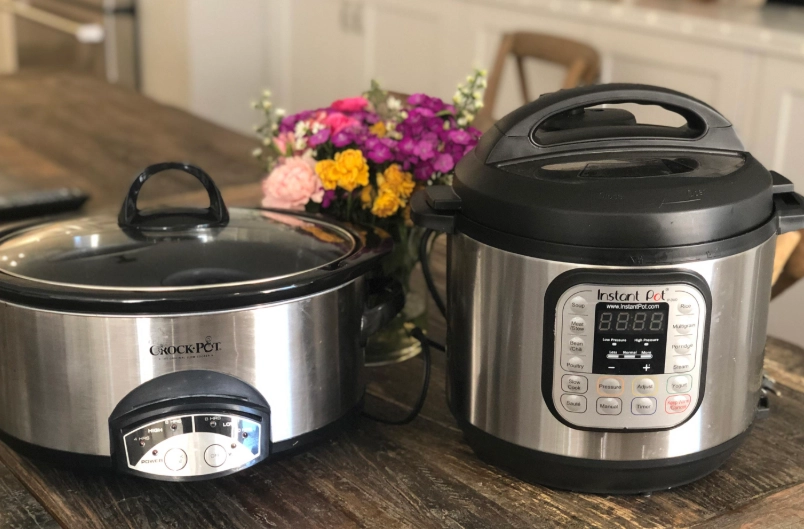
The Heart of the Matter: It's All About the Heat
All slow cookers, regardless of brand, work on the same basic principle: low, steady, moist heat over a long period to break down tough cuts of meat and meld flavors. It's a forgiving method. But how they deliver that heat is where opinions and experiences start to diverge.
The traditional design, which the original Crock-Pot popularized, uses a simple heating element wrapped around the sides of the stoneware insert. The heat radiates from the sides, creating a gentle, enveloping warmth. Many home cooks swear this method is superior for true "low and slow" cooking without risk of overcooking or burning at the bottom.
Now, enter some modern "slow cookers" from other brands. To add features like digital programming, searing functions, or pressure cooking combos, some models have shifted the heating element to the base. This can lead to hotter spots directly on the bottom. I've noticed this with a cheaper off-brand model I owned; the bottom layer of my chili would sometimes get a bit too dark if I didn't stir it occasionally, something you're never supposed to have to do with a traditional slow cooker!
Breaking Down the Features: A Side-by-Side Look
Okay, so brand history is one thing. What about when you're actually shopping? Let's lay out the typical differences you'll encounter. This table should help visualize the landscape.
| Feature / Aspect | Traditional "Crock-Pot" Brand Models | Other "Slow Cooker" Brands (e.g., Hamilton Beach, KitchenAid) | Modern Multi-Cookers (e.g., Instant Pot with Slow Cook function) |
|---|---|---|---|
| Primary Heating Method | Often side-heating (surrounding the stoneware). | More commonly base-heating. | Intense, focused base-heating (designed for pressure). |
| Control Style | Famous for simple manual dials (Low, High, Warm). | Wide range: manual dials to full digital touchscreens with timers. | Fully digital, multi-function programming. |
| Insert Material | Classic stoneware (often removable). | Stoneware, but also non-stick metal or ceramic coatings. | Primarily non-stick inner pots (metal). |
| "Cook and Carry" Lids | A signature feature on many models. | Available, but not universal. | Rare; lids are usually simple pressure lids. |
| Price Point | Wide range, but often very competitive for basic models. | Extremely wide range from budget to high-end. | Higher, due to multiple functions. |
| Best For... | Purists, set-and-forget cooks, those who want the classic result. | Those who want specific features (digital timer, shape oval for roasts). | Kitchen minimalists who want one device for many jobs (but note: the slow cook function often differs from a dedicated appliance). |
Looking at that table, the difference between a Crock-Pot and other slow cookers starts to look more like a spectrum of choices rather than a strict dichotomy. It's about prioritizing simplicity and a specific cooking tradition versus specific modern conveniences.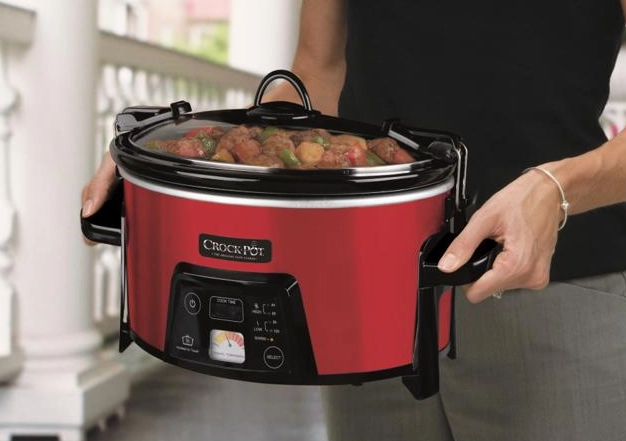
What Really Matters When You Cook
Brand loyalty is fine, but let's talk about what actually hits your taste buds. The differences in design can lead to subtle but noticeable shifts in your food.
Key Performance Factors:
- Temperature Accuracy: Does "Low" mean a gentle 190°F or a more aggressive 210°F? This varies by model, not just brand. A Consumer Reports investigation found significant variations across brands, affecting cooking time and safety.
- Heat Distribution: Side-heat vs. base-heat. Side-heating is often praised for minimizing scorching, especially for dairy-based or starchy recipes.
- The Seal of the Lid: A tight-fitting lid is crucial for moisture retention. Some generic lids are lighter and let more steam escape, which could mean you need to add more liquid.
- Shape and Size: This is huge! Many Crock-Pots are round. Many other brands offer oval models, which are objectively better for fitting a whole chicken or a pork shoulder. Don't get hung up on the name; think about what you'll cook.
So when someone asks, "What's the difference between a slow cooker and a crockpot?" from a cooking outcome perspective, the answer might be: "It depends more on the specific model's features than on the name on the box." A high-end slow cooker from a different brand with precise temperature control might outperform a basic Crock-Pot model for certain dishes.
The Safety and Standards Angle
This is non-negotiable. Any appliance that plugs in and cooks food for hours unattended needs to be safe. Reputable brands, including Crock-Pot and its major competitors, subject their products to rigorous testing to meet U.S. safety standards (like those from UL). However, cheaper, no-name "slow cookers" from less reputable sources might cut corners.
The U.S. Department of Agriculture (USDA) emphasizes that slow cookers must reach a safe internal temperature to prevent foodborne illness. A well-designed cooker should bring food through the "danger zone" (40°F - 140°F) quickly enough on the "High" setting. This is a critical performance metric where trusted brands typically invest in engineering.
My advice? Stick with established brands you recognize, whether that's Crock-Pot, Hamilton Beach, Cuisinart, or another major player. The few dollars saved on a mystery brand aren't worth the worry.
Your Decision Checklist: Forget the Name, Answer These Questions
Stop worrying about the difference between a Crock-Pot and a slow cooker as a philosophical question. Start using it as a practical filter. Walk through this list:
- What's your cooking style? True "set it and forget it for 10 hours" or more precise, timed cooking?
- What will you cook most? Soups and chili (round is fine) or large roasts and whole birds (oval is better)?
- Counter space vs. function? Do you want one dedicated appliance that does slow cooking perfectly, or are you willing to compromise on the slow cook function to have a pressure cooker/air fryer combo?
- How important is portability? Do you need to take it to potlucks? A model with locking lids and insulated carriers is a lifesaver.
- Ease of cleaning: Removable stoneware inserts are standard, but some have non-stick coatings that make cleanup easier (though they may be less durable).
See? The brand name is just one piece of the puzzle. I personally own a Crock-Pot because I found a simple, round, 6-quart model with a manual dial for a great price, and it does exactly what I need. My neighbor swears by her fancy digital Hamilton Beach because she can program it around her shift work. Neither of us is wrong.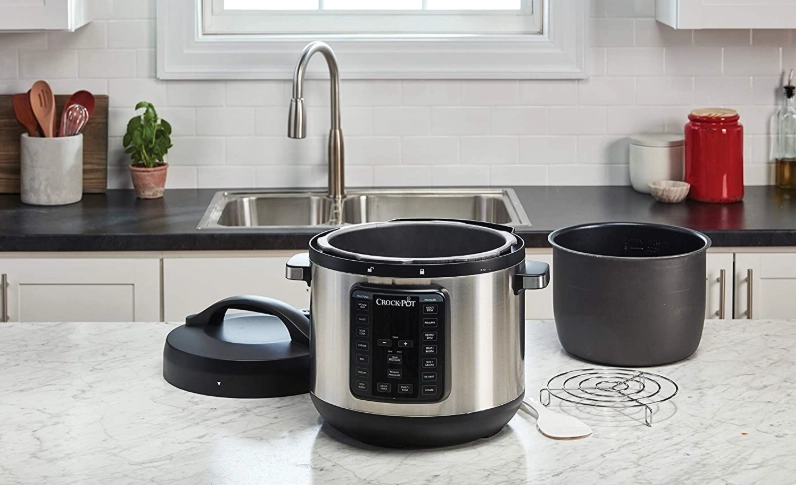
Common Questions (The Stuff You Actually Search For)
Can I use a Crock-Pot recipe in any slow cooker?
Generally, yes. The principles are interchangeable. However, be aware of heat intensity. If your slow cooker (of any brand) seems to run hot, you might need to reduce cooking time slightly or use more liquid. Always check for doneness toward the end of the suggested time.
Is one more energy-efficient than the other?
Not really. All slow cookers are incredibly efficient appliances because they use low wattage over a long time. The difference in electricity cost between brands for the same size and cooking time is negligible.
I have an Instant Pot. Isn't that just a modern slow cooker?
This is a major point of confusion. An Instant Pot is a multi-cooker that includes a slow cook function. Many users and experts, including reviewers at America's Test Kitchen, note that the slow cook function on most multi-cookers often applies heat differently than a dedicated slow cooker, typically running hotter at the "Low" setting. So it works, but the results may differ from a traditional pot.
Are the inserts interchangeable?
Almost never. Stoneware inserts are designed for specific model bases to ensure proper fit and heat transfer. Don't try to swap them between different units, even from the same brand.
Honestly, the sheer number of questions about this topic shows how ingrained the brand name has become. People aren't just asking about appliances; they're asking about a piece of cultural kitchen history.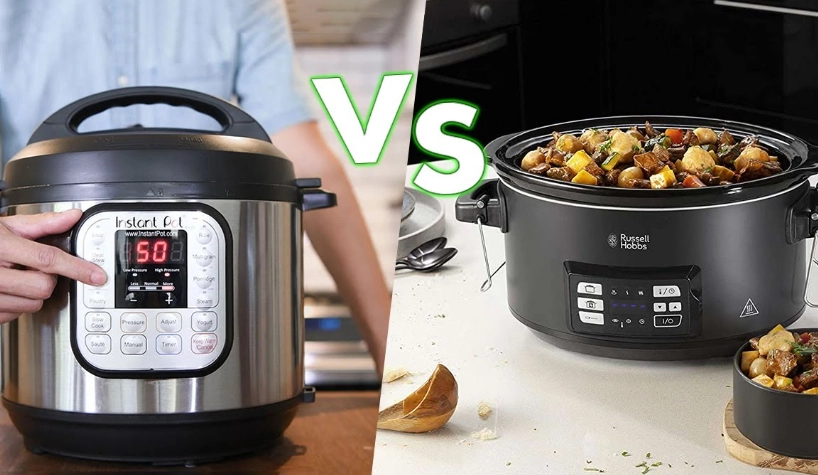
The Bottom Line: Stop Stressing, Start Cooking
So, what's the difference between a slow cooker and a Crock-Pot? At the end of the day, the most important difference might just be the one you care about.
If you value tradition, proven simplicity, and that specific "Crock-Pot" cooking style that's been in homes since the 1970s, then seek out a Crock-Pot brand model with the features you want. Look for terms like "stoneware" and "surround heat" in the description.
If you're feature-driven, on a tight budget, or need a specific shape (like an oval), then explore the wider world of "slow cookers" from other reputable brands. Read reviews focusing on heat consistency and temperature accuracy.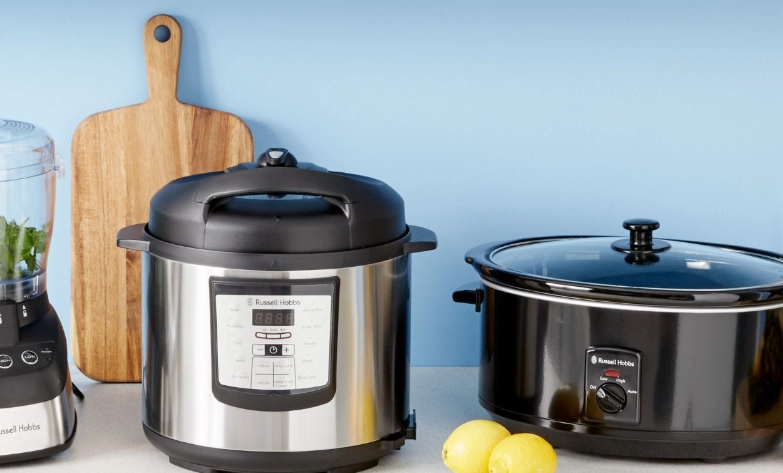
The core mission of both is identical: to make your life easier and fill your home with the smell of a delicious, home-cooked meal without you being chained to the stove.
I'll leave you with this. The best slow cooker—Crock-Pot or otherwise—is the one you'll use regularly. The one that doesn't intimidate you. The one that helps you get a good meal on the table. Don't let analysis paralysis over a name keep you from that. Pick a well-reviewed model from a brand you trust that fits your budget and kitchen needs. Then, go make some pulled pork. You've earned it.
Reader Comments